A conveyor belt splice is the kind of detail nobody talks about until it fails, and then the whole line stops to look at it. A conveyor runs thousands of cycles a day, bending, climbing, starting and stopping, and the weakest point is rarely the belt itself. It is the splice, a strip only a few dozen centimeters wide, holding the two ends together. Choose the wrong splicing method and the quality of the belt hardly matters, because the splice is where it will break.
According to widely reported maintenance experience in the conveying industry, splice failures rarely arrive without warning. More often, the problem was planted at the selection stage and then grew quietly during operation. Cold splicing and hot vulcanizing both join the two ends of a belt, but the logic behind them is entirely different, and the situations they suit barely overlap. Understanding that difference is cheaper than repairing the same joint again and again.
Cold splicing and hot vulcanizing: two ways to make a conveyor belt splice
Cold splicing, or cold bonding, joins belt ends with adhesive at room temperature. The work needs relatively simple tools, no large vulcanizing press, and a short downtime window, and it tolerates modest site conditions. Its weakness is equally clear. Bond strength depends heavily on the adhesive, on how carefully the belt ends are buffed and prepared, and on curing conditions. Ambient temperature, humidity, and dust all affect the result, and long-term fatigue resistance is comparatively limited.
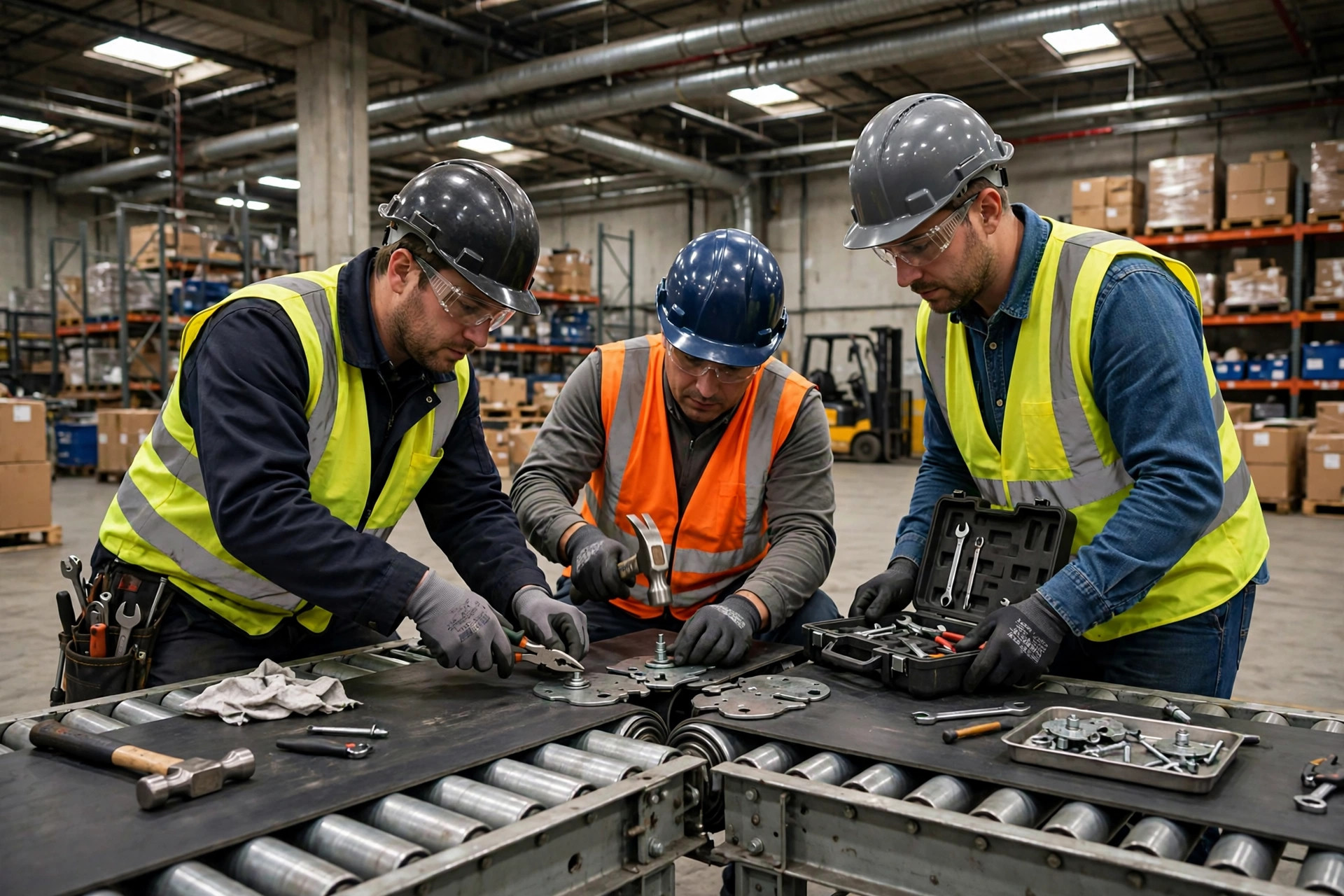
Hot vulcanizing works differently. Under heat and pressure, the rubber re-crosslinks into a single piece, so the splice behaves structurally much closer to an uncut belt. The cost is complexity. The job needs a vulcanizing press, a longer shutdown, and trained operators, and small deviations in procedure can compromise the outcome.
Put side by side, the trade-off becomes visible.
| Dimension | Cold splicing | Hot vulcanizing |
|---|---|---|
| Working conditions | Room temperature, simple tools | Vulcanizing press, heat and pressure |
| Downtime window | Short, suited to emergency repair | Long, needs planned scheduling |
| Joint strength and life | Relatively limited, process-dependent | Usually higher, closer to the belt itself |
| Sensitivity to environment | High, temperature, humidity and dust matter | Lower, but still needs disciplined procedure |
| Best suited for | Light loads, temporary repair, light belts | Heavy loads, long-term running, heavy belts |
One caution is worth stating plainly. The exact percentage of belt strength a splice can reach, and the precise vulcanizing temperature and curing time, vary by manufacturer, belt type, and compound. Those figures should be taken from the equipment manufacturer's manual, and site work should follow the process card in that manual rather than a number remembered from experience.
Two warehouses, two different roads
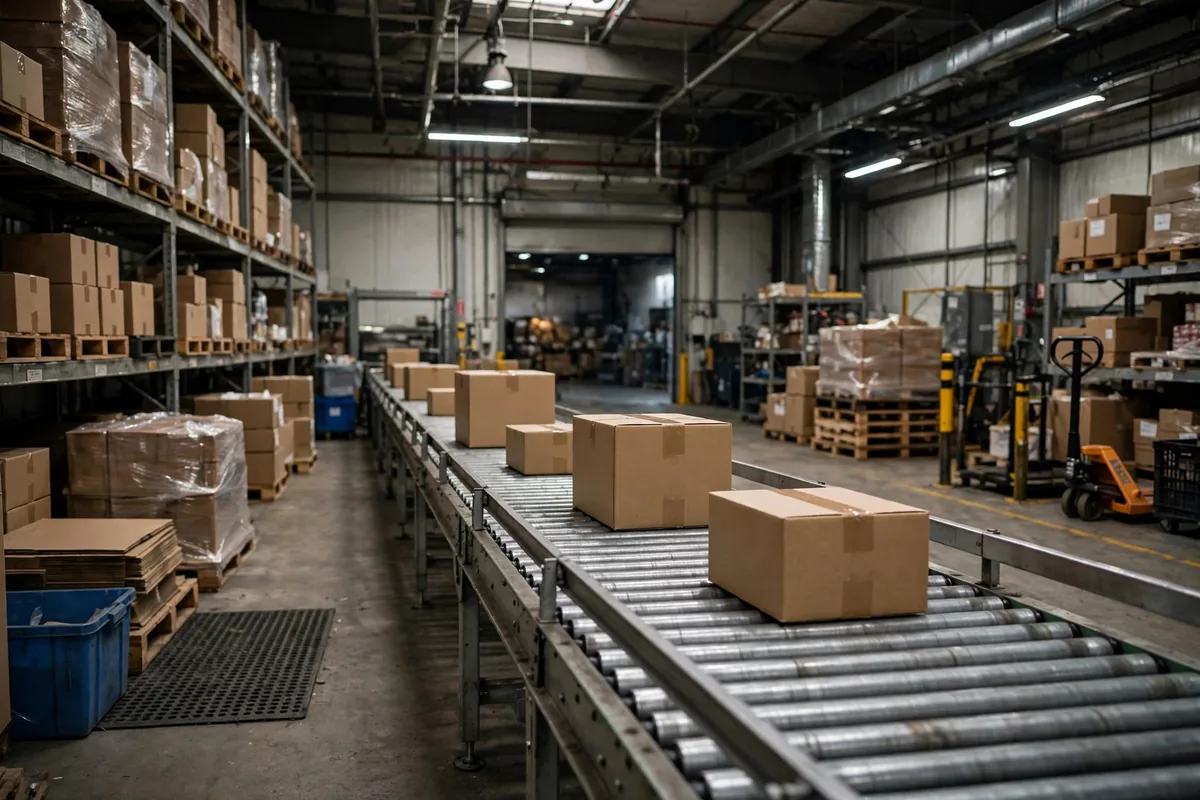
In the autumn of 2024, an e-commerce sorting warehouse in eastern China ran into a textbook splice problem. Its conveyor carried parcels from the sorting area to the loading dock. Belt speed was moderate and the load was not heavy. The problem was the joint. A cold splice began to lift at the edges after a few months of running, and the lifted edge was repeatedly scraped by rollers until the belt parted on a weekend just before peak season. A repair crew worked through the night and made a new cold splice, which restored the line, but the same spot began showing similar signs not long afterward. The lesson was not that cold splicing is wrong. It was that a temporary repair method had been used as a permanent solution on a joint that runs at high frequency for a long time.
A food distribution warehouse made the opposite choice in early 2025. When planning a new conveyor line, its equipment supplier recommended hot vulcanizing for every splice, with the work scheduled inside the installation and commissioning window. The upfront downtime was longer and bringing the crew in was more trouble, but after the line went live, the splice never again became a regular entry on the maintenance list. The comparison points to a simple rule: the cost of a splicing method should not be measured only by the hours spent on the day of the work, but by how often it will drag the whole line to a stop over the next few years.
According to published discussion of conveyor maintenance, the early signs of splice failure are usually traceable. Belt tracking drifts, the joint makes an unusual noise, edges begin to delaminate, or fine cracks appear on the surface. These signals often show up well before a full break. The problem is that many warehouses rank splice inspection far down the checklist, and nobody looks closely until the belt is already tracking badly or making noise.
Choosing a conveyor belt splice: the real dividing line is the cost of stopping
On the surface, the dividing line between cold splicing and hot vulcanizing looks like a set of technical parameters: belt speed, load, and belt type. In practice, it is a line drawn by the cost of stopping. If an hour of downtime costs little, the flexibility of cold splicing is a genuine advantage. If an hour of downtime means sorting backlogs, delayed loading, and late orders, then the extra planned downtime that hot vulcanizing demands upfront is the cheaper option.
From a research standpoint, the decision can be broken into four questions. First, how intense is the duty: are belt speed and load persistently high? Second, how easy is it to schedule downtime, or does every repair have to happen late at night or on a weekend? Third, is the splice in a high-stress zone, such as a climb, a curve, or a section with frequent starts and stops? Fourth, will the line run harder in the coming years, with peak-season volumes above today's levels? If most answers point toward high intensity, hard-to-schedule downtime, and high stress, hot vulcanizing is the safer choice. If not, the speed and flexibility of cold splicing have real value.
There is also a counterintuitive point that is easy to miss. A stronger splice does not automatically make the whole line safer. A hot vulcanized joint is nearly as strong as the belt itself, which means that under abnormal stress the failure point may shift to another location that is harder to repair. A cold splice is comparatively weaker, and in some situations it behaves more like a fuse: it shows trouble first and gets noticed first. That is certainly not an argument that cold splicing is better. It is a reminder that splice selection should be judged inside the whole line's stress and maintenance system, not by comparing which joint is stronger in isolation.
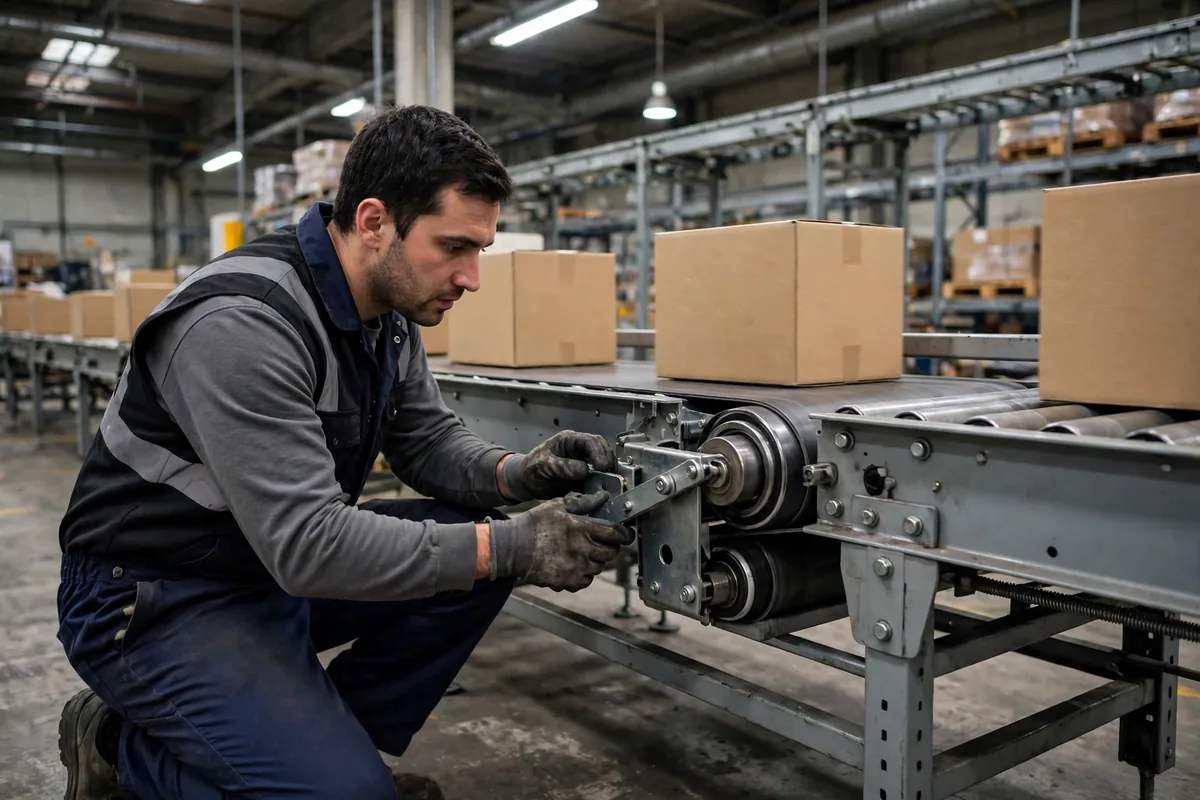
On maintenance rhythm, the practical advice is to write splice inspection into the fixed patrol checklist rather than leaving it to individual experience. Each inspection should look at three things: whether the splice edge is lifting or delaminating, whether belt tracking shifts at the splice, and whether rollers and idlers near the joint show abnormal wear. When a problem appears, record it, assess it, and then decide whether to watch it or stop the line, rather than waiting for a break. The records themselves have value. The inspection history of one splice, read as a series, is the most direct evidence of how much life that belt has left.
Looking ahead, warehouse automation keeps pushing conveyor duty upward, while the frequency of manual inspection is hard to raise at the same pace. Splice monitoring is moving from scheduled manual checks toward online monitoring and condition-based alerts. Whatever the monitoring method becomes, the basic judgment made at selection time will not change: the splice is not a detail that can be fixed afterward. It is where the reliability of the whole line begins.
Whether a line runs steadily or stops every few days is often decided the moment the splicing method is chosen.
By Dr. Chen, Supply Chain Researcher