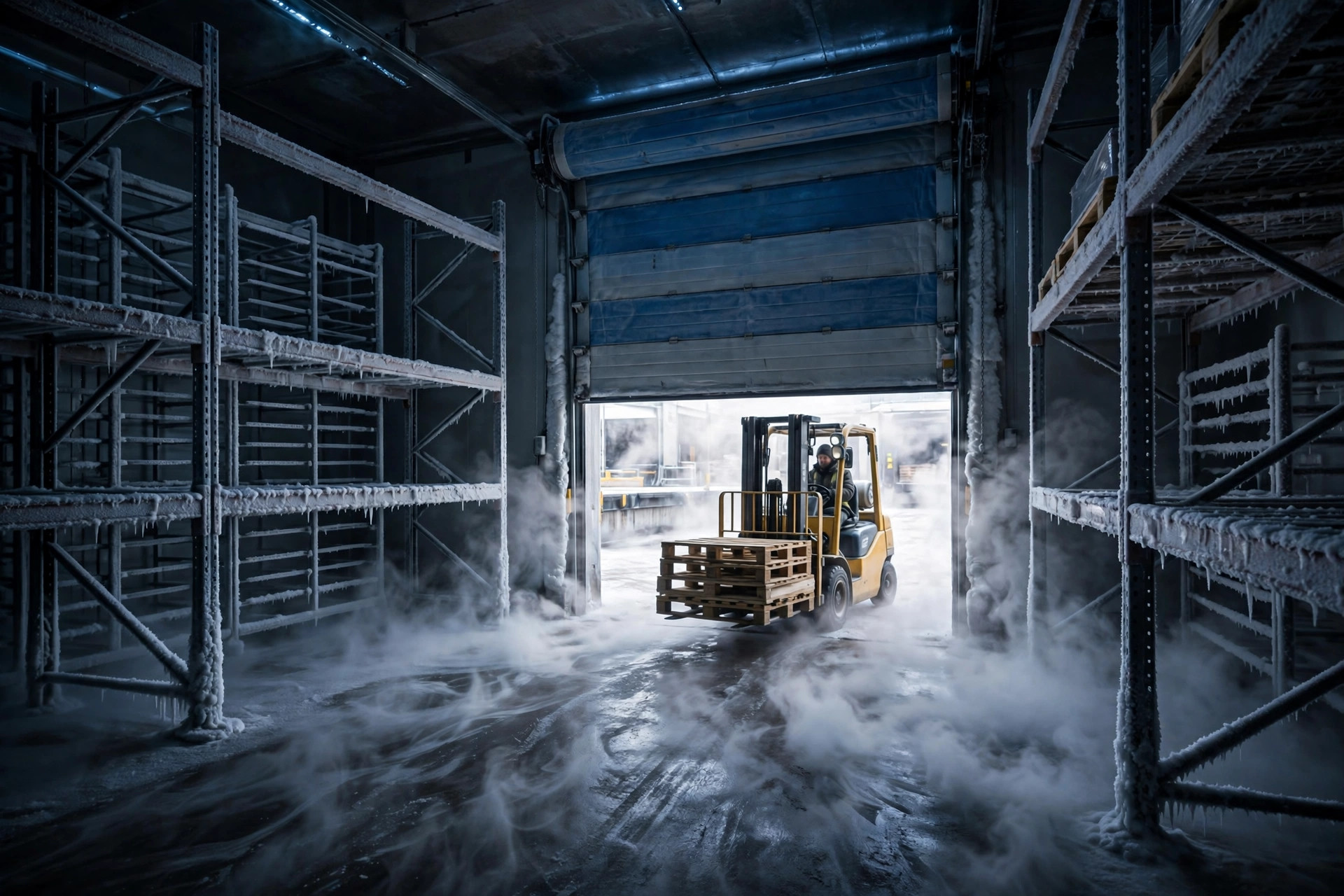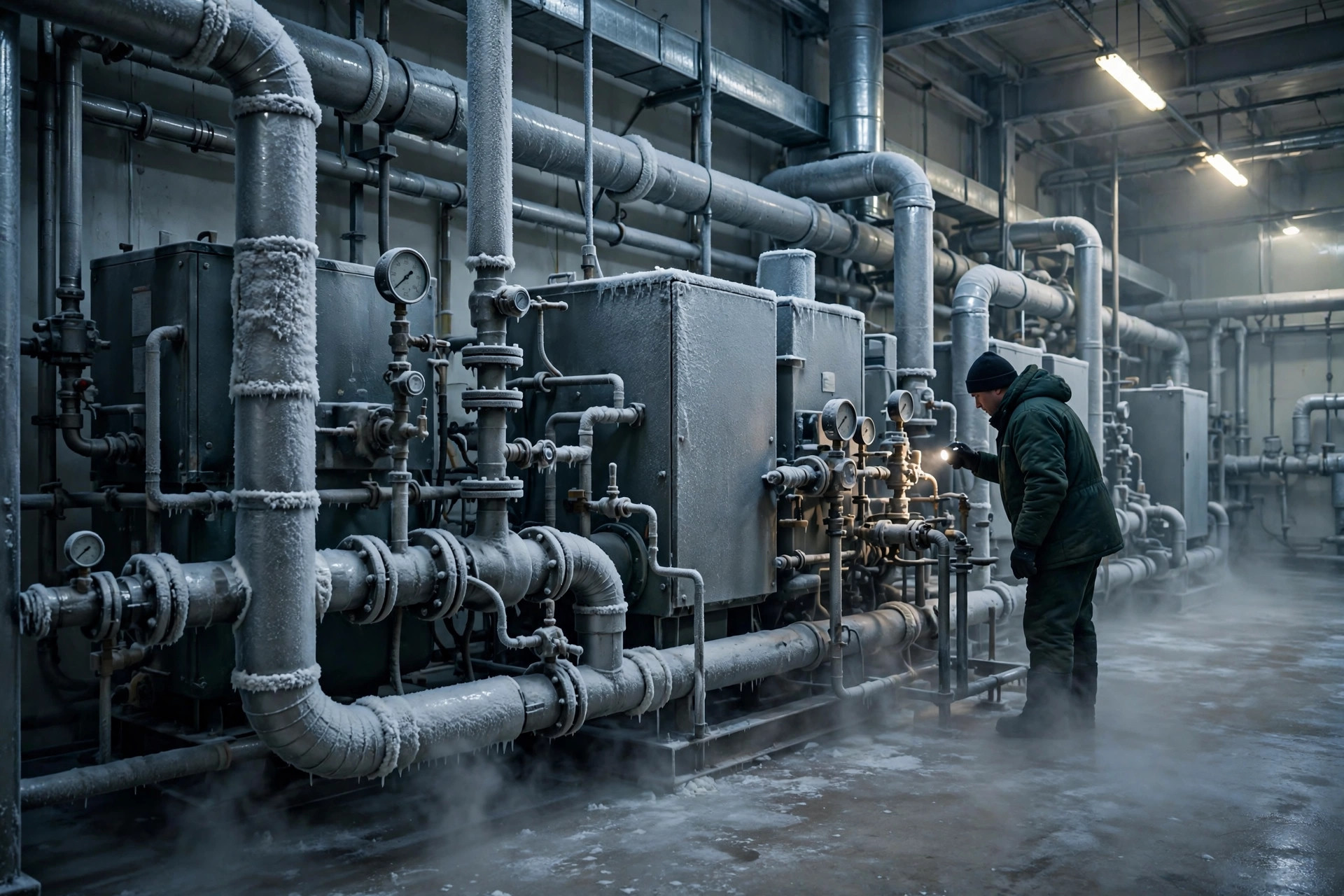
Here's a number most cold storage operators never look at: how many times their compressors start and stop each day.
Let me give you the verdict first. Two identical cold storage facilities can differ by 20-30% on their refrigeration power bills, and the difference comes down to whether the compressors run steadily or keep cycling on and off. Think of it like driving — cruising at a steady speed sips fuel; stomping the gas and brake burns it. Compressors have the same temperament.
Why compressors hate frequent cycling: the principle, straight up
An induction motor draws 5 to 7 times its rated current at startup — that's basic motor physics; check your motor nameplate and manufacturer specs for the exact figure. For those few seconds, the meter spins like crazy. A single start can cost as much electricity as several minutes of steady running.
But the startup surge isn't the whole bill. Every time a compressor stops and restarts, the refrigeration system has to re-establish its high/low pressure balance, and during that window the compressor is spinning with terrible efficiency. There's a rule of thumb in the trade: every 1°F drop in suction temperature adds roughly 2-3% to energy use — figures vary by model, so go by your equipment manufacturer's latest specs. A system that cycles all day lives in that inefficient zone, and that's where the power goes.
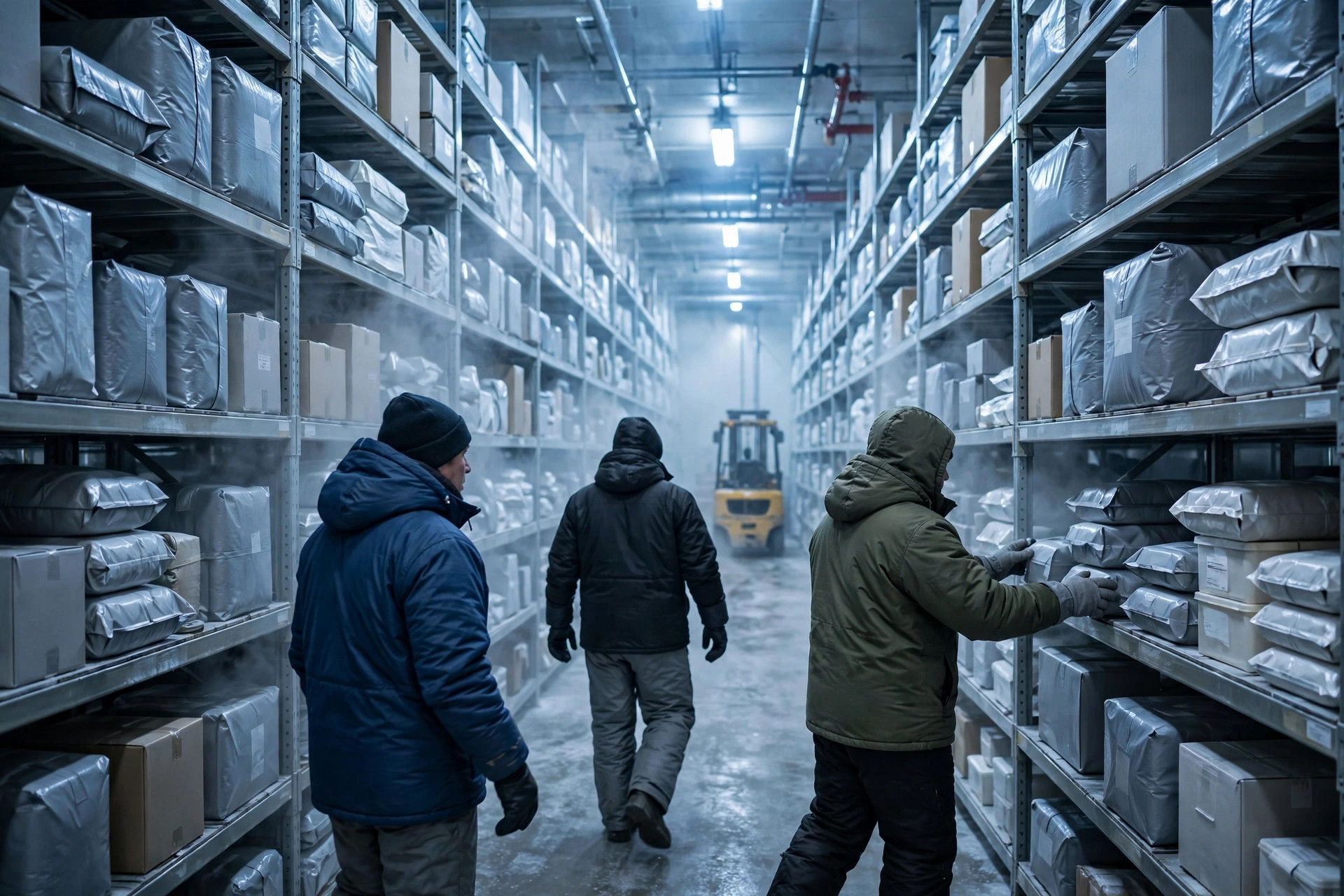
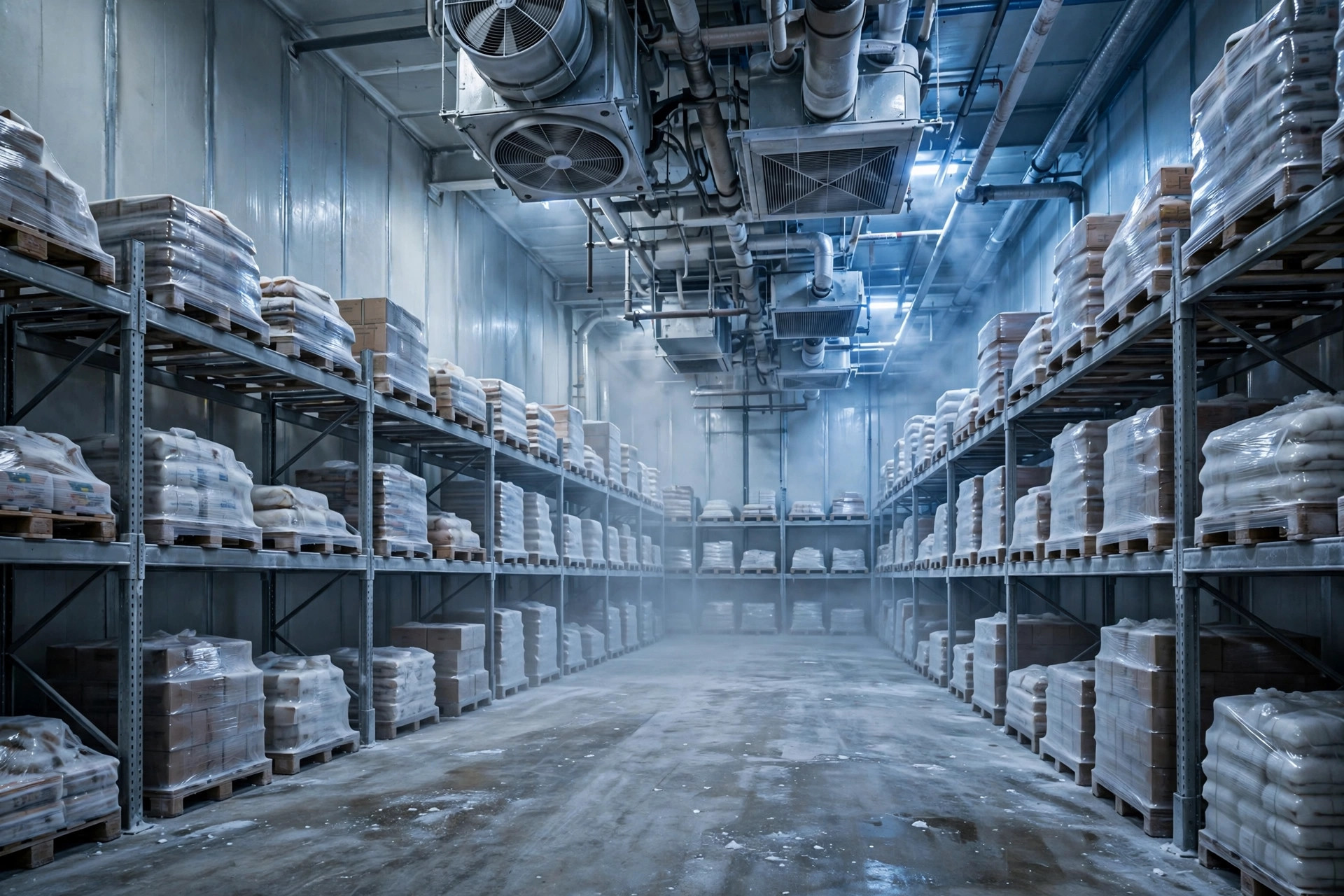
One compressor cycling a few times doesn't sound like much. But cold storage never runs on a single compressor. In 2023 I worked on a project in Ontario, California: a 25,000 sq ft freezer at -18°C with six screw compressors in parallel. When we pulled the operating logs, the site was cycling more than 200 times a day during summer peaks. The owner's summer power bill for refrigeration alone ran into the tens of thousands of dollars a month — the exact figure depends heavily on facility type, setpoint, and local rates, so take this as order of magnitude.
Door openings and warm product: the cycling amplifiers
Why do compressors cycle so much? Because the load swings violently. The two biggest sources of swing: door openings and product movements.
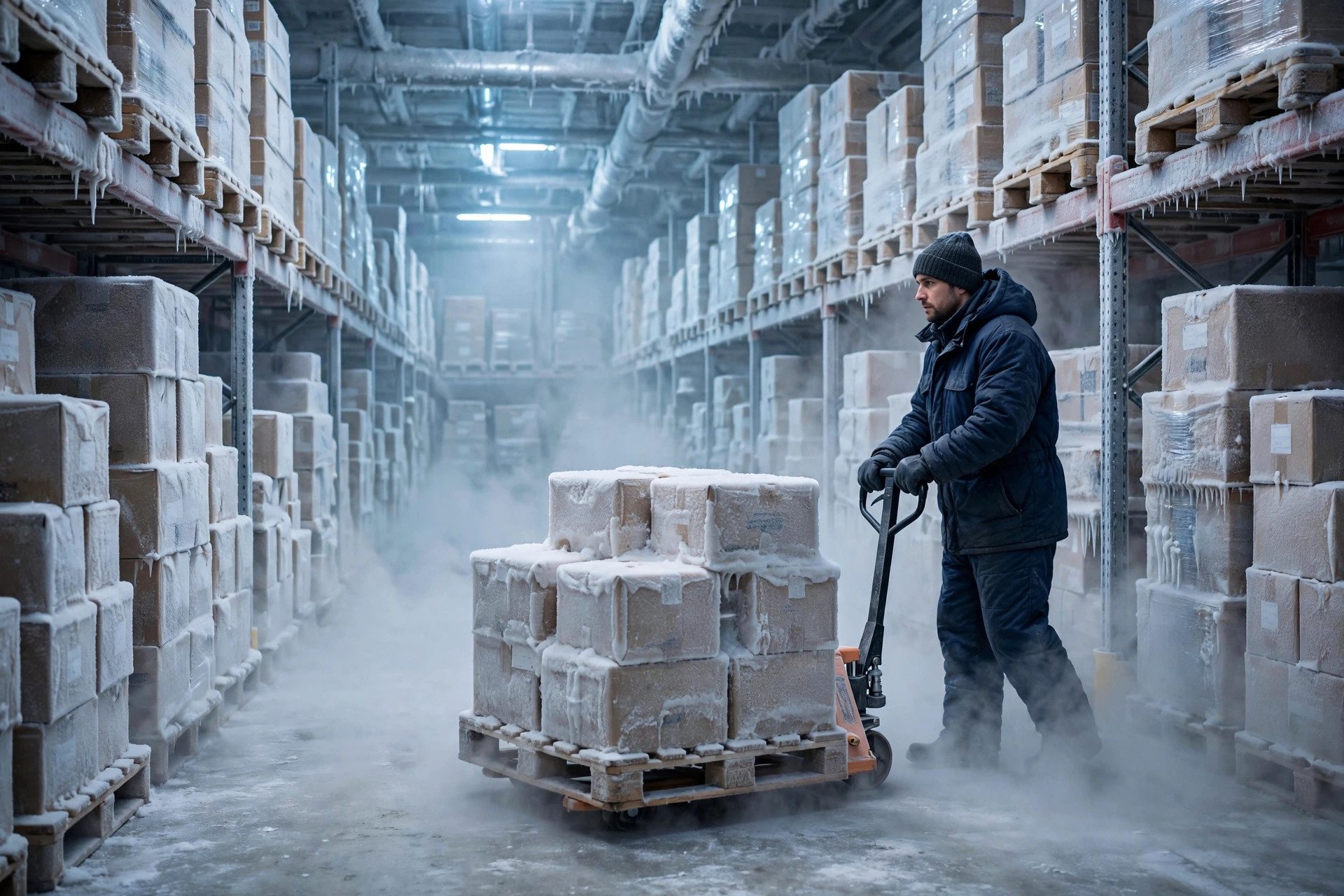
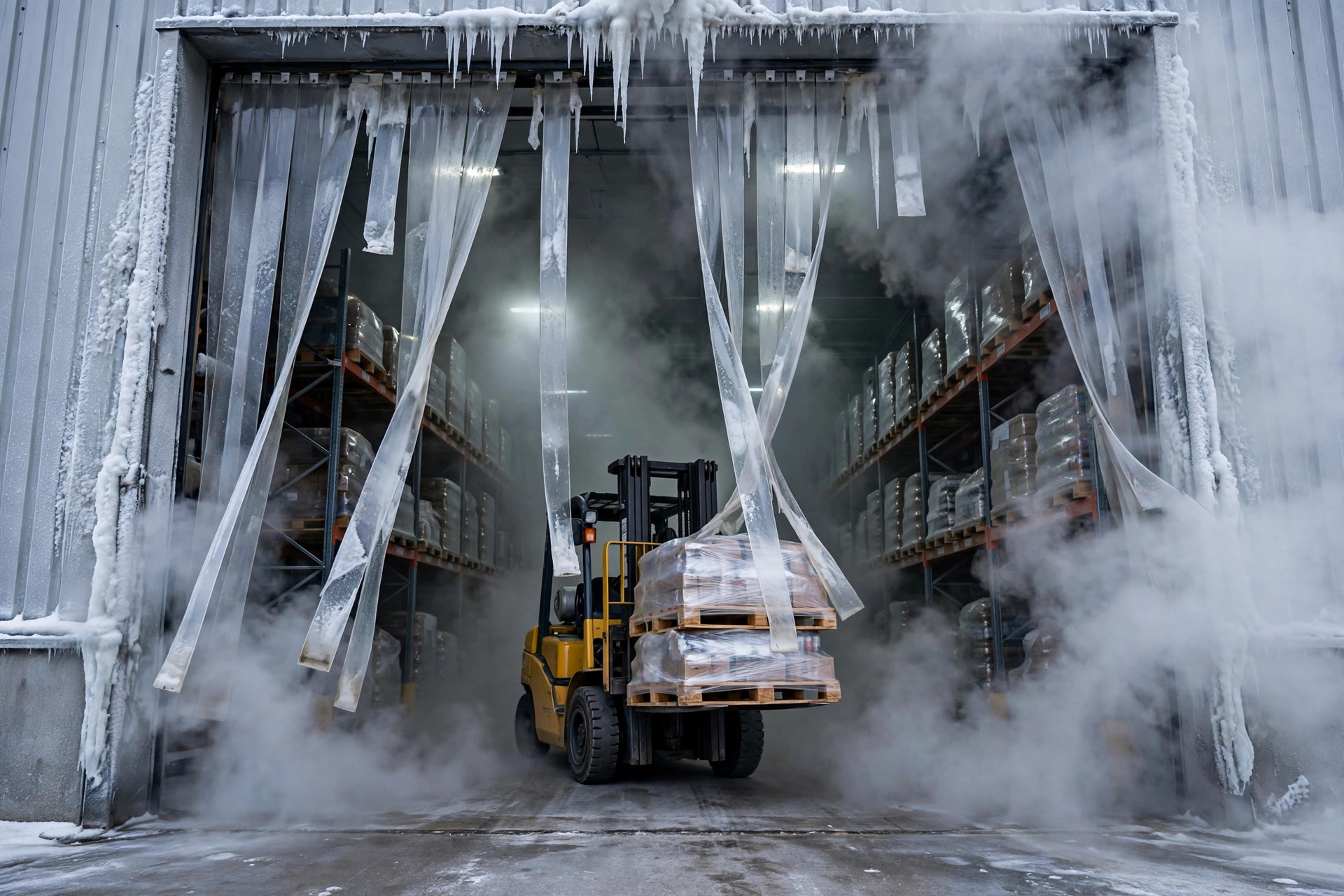
Think of a cold storage warehouse as a giant thermos. Every time the door opens, it's like popping the lid off — 95°F outside air rushes in, the room temperature spikes, and the compressors fire up to put out the fire. On a day with constant forklift traffic, a door can cycle open a hundred times, and the compressors chase the temperature curve up and down all day. Doubling the daily start count is nothing unusual.
The sneakier amplifier is warm product going straight into the freezer. In 2022 I saw an imported-meat warehouse roll product at around 68°F straight into a -18°C blast freezer — like pouring a kettle of boiling water into a thermos. The compressors ran at full load for the better part of a day, and the meter spun like it was on fast-forward. The right move is pre-cooling before putaway, which I'll come back to under off-peak scheduling.
And one small thing decides big money: high-speed doors and air curtains. A freezer door without an air curtain lets in several times more heat per half-minute opening than one with it. These accessories directly determine how many extra starts your compressors rack up each day — classic small money, big result.
Off-peak scheduling: move the hungry work to cheap hours
When people hear "save power," the first instinct is to buy a more efficient compressor. Hold on — there's a move that costs nothing: shift the schedule.
Most US utilities run time-of-use rates, and the peak/off-peak spread can reach 2-3x — check your local utility's latest rate schedule for the real numbers. Think of it this way: the grid prices by demand, so electricity is cheap when nobody's awake to use it.
Cold storage is a natural fit for load shifting because the building itself is a giant thermal battery. The play: during off-peak hours (say 10 PM to 6 AM), pull the room temperature down to the lower end of your band — -20°C instead of -18°C — and let the compressors work hard. During peak hours, let the temperature drift slowly back up to the top of the band while the compressors idle or rest. It's like boiling water at midnight and filling a thermos — you drink hot water all day without paying peak prices for a single drop.
The measured result: at that Ontario site, we shifted bulk receiving and putaway into the overnight off-peak window and paired it with the sub-cooling strategy. Refrigeration power costs dropped about 18% in a month. Note the "about" — insulation quality and activity levels vary, so your mileage will differ.
There's a bonus: outdoor temperatures are lower at night anyway, so every door opening lets in less heat. Cheap power and lighter loads — two wins for one move. The trade-off to price in: night-shift labor costs and scheduling difficulty belong in the same spreadsheet as the power savings. Don't read only the electric bill.
The line for VSD retrofits: run three numbers
By now someone always asks: why not just go variable-speed? I'm blunt about fake needs — a VSD is not a cure-all. There's a clear line, and it only pays off past it.
Think of it this way: a fixed-speed compressor has two gears, on and off — like a car with only full throttle and engine-off. A variable-speed drive lets the compressor modulate continuously, loafing along at low speed when the load is light, which slashes start counts.
The line comes down to three numbers:
First, how much does your load swing? Facilities with big day/night temperature swings and irregular inbound/outbound traffic get strong VSD returns. A pharma warehouse holding a steady temperature around the clock has a flat load — a VSD won't save much there.
Second, annual run hours. A plant running 6,000+ hours a year pays back fast. A seasonal mini cold store might stretch payback past five years.
Third, remaining compressor life. If your old units are two or three years from retirement, skip the retrofit and buy new machines — one step, done right.
Here's the illustrative math (equipment prices per your vendor's latest quote — this is about the logic):
| Stay fixed-speed | VSD retrofit | |
|---|---|---|
| Upfront cost | 0 | Thousands to low tens of thousands USD per compressor |
| Annual savings | — | ~15-25% |
| Payback | — | Typically 2-4 years |
One caveat on that table: it assumes a swingy load. On a flat-load site, savings can drop to single digits and payback stretches past five years — in which case, don't bother.
Maintenance pitfalls: skip the small money, the power bill collects it
Last, the maintenance traps. A few things in the compressor room — dirty, leaking, or aging — and the power bill punishes you immediately:
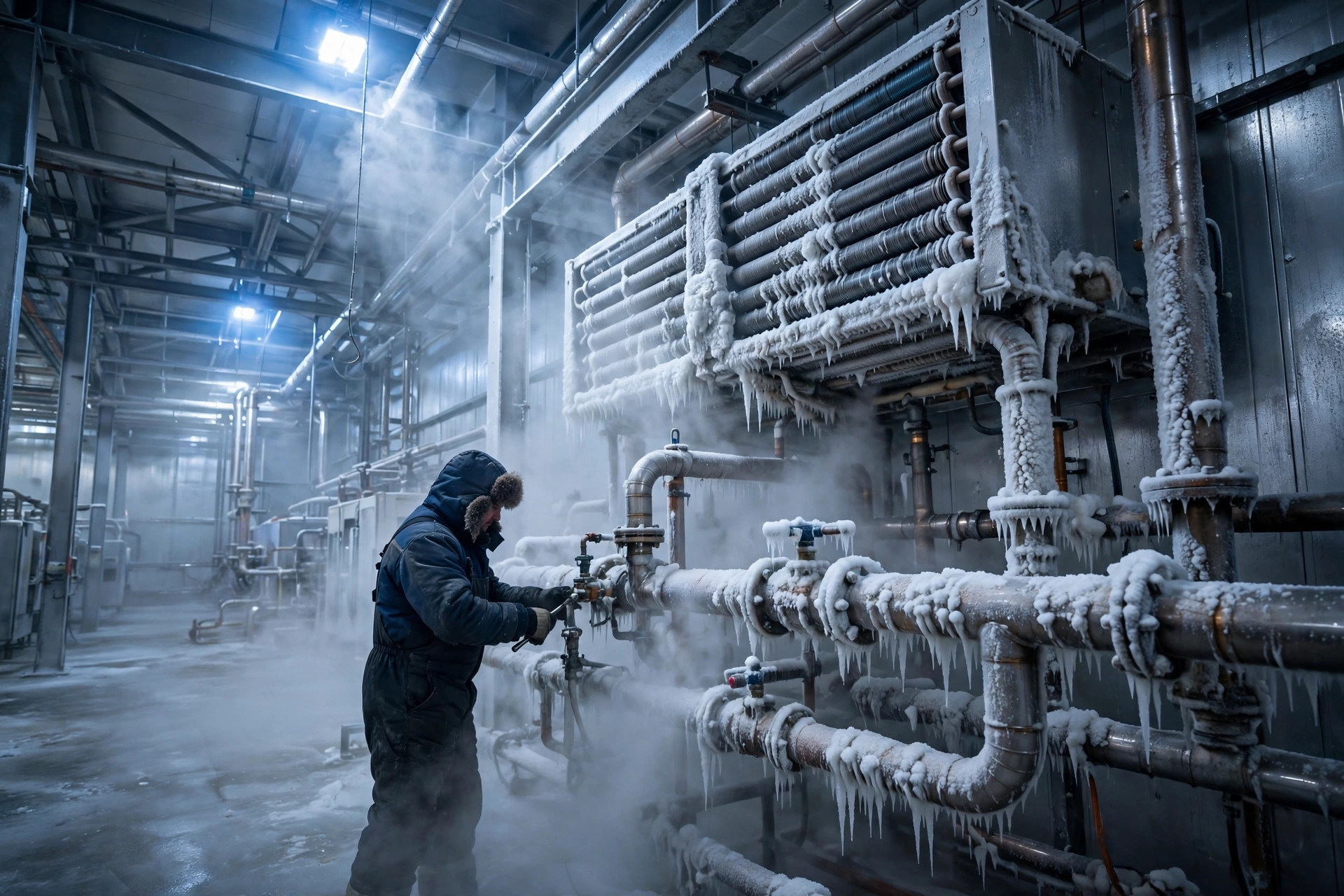
A fouled condenser can't reject heat, discharge pressure climbs, and energy use climbs with it. A slow refrigerant leak cuts capacity, forcing the compressor to run longer to make it up. Aging door gaskets bleed cold air through the gaps, and every extra compressor start is paying for them. Incomplete defrost lets frost build up on the evaporator, and heat-transfer efficiency falls off a cliff — the most common one, and the most ignored.
None of these fixes costs much on its own. But skip them, and the extra thousands on the monthly power bill are tuition paid to them.
So is the money worth it? It comes down to one number: your compressors' average starts per day. More than 30 per unit — don't talk VSD retrofits yet. Fix door discipline, pre-cooling flow, and overnight off-peak scheduling first, and the power bill will give you the answer.
By Da Liu, Automation Engineer