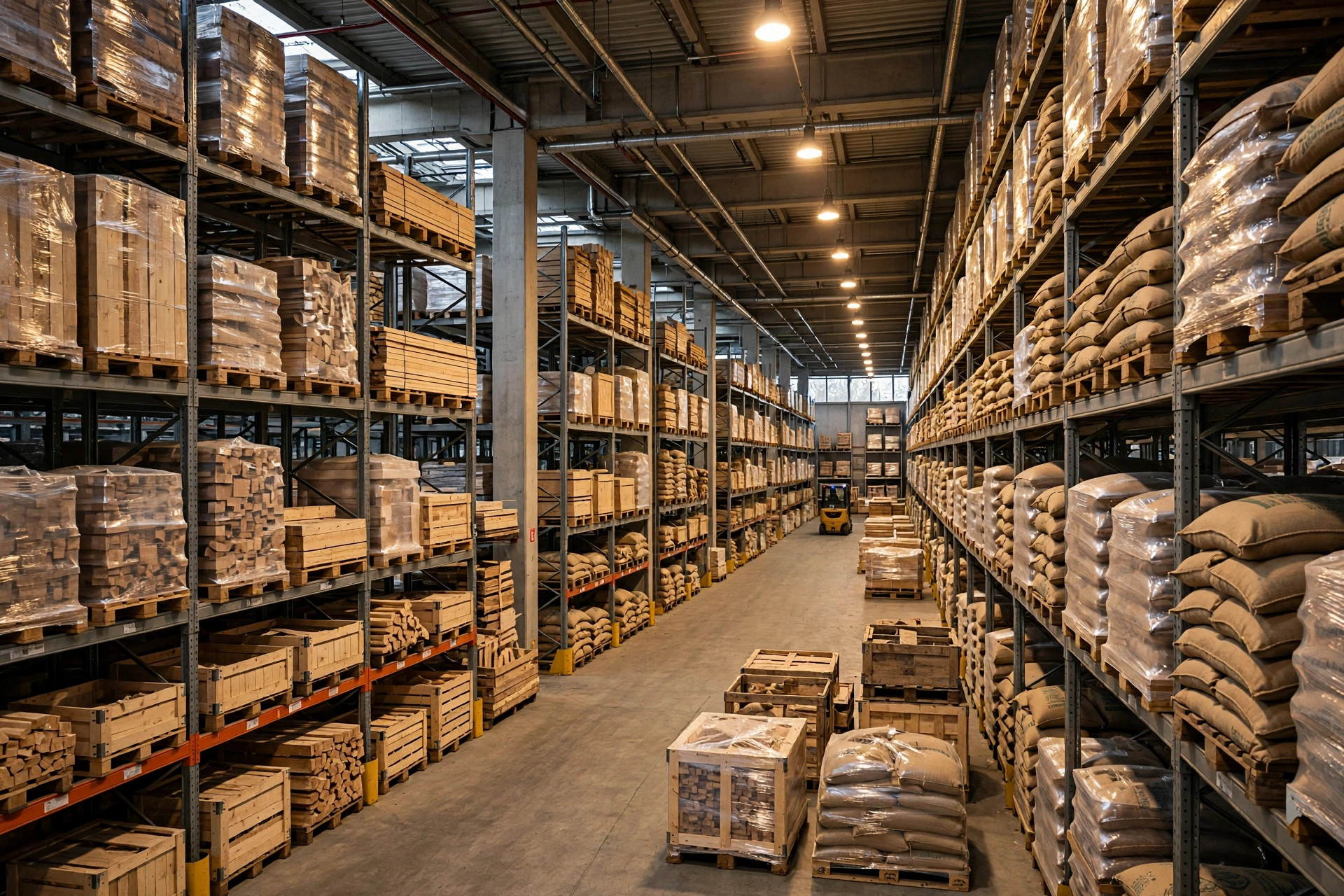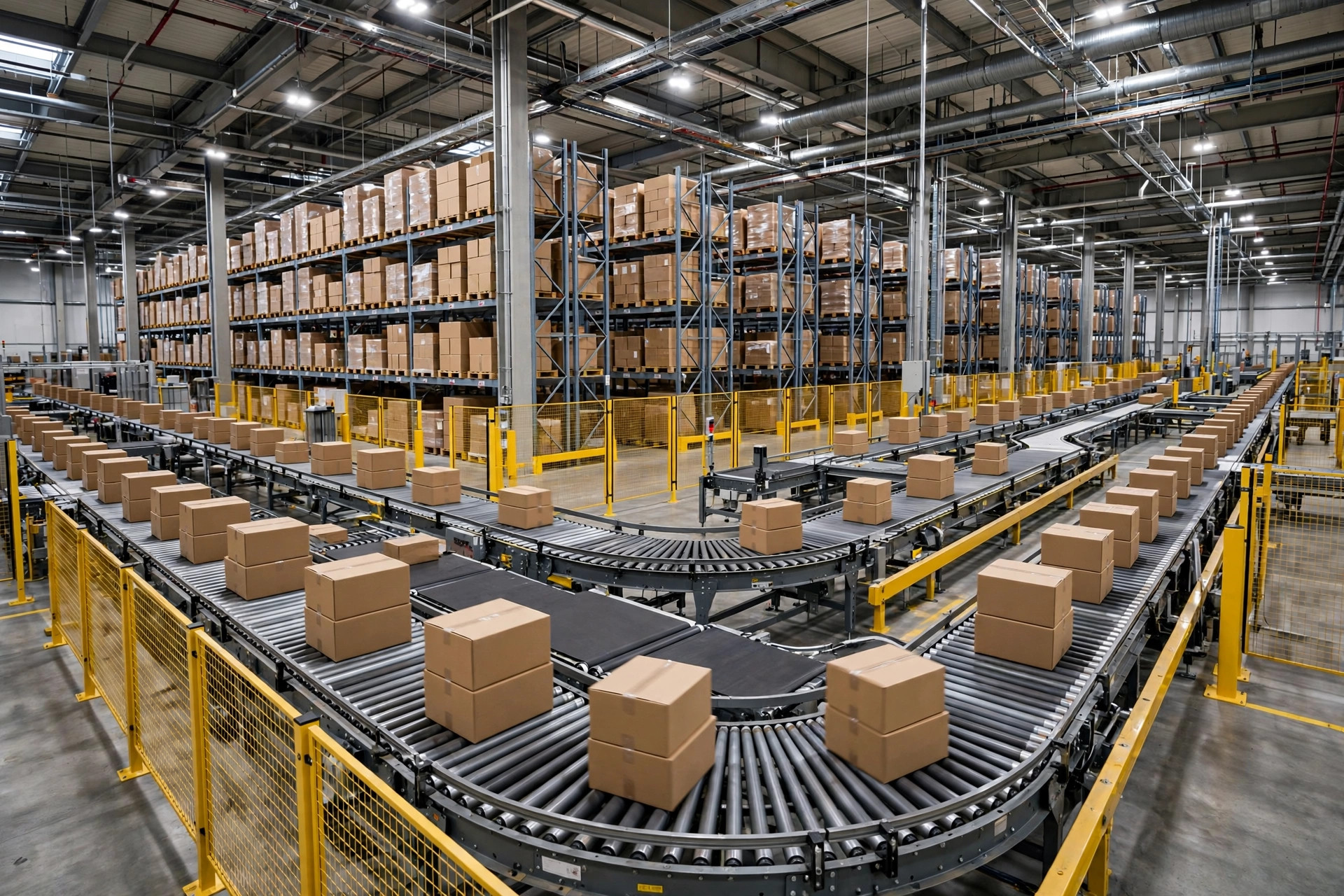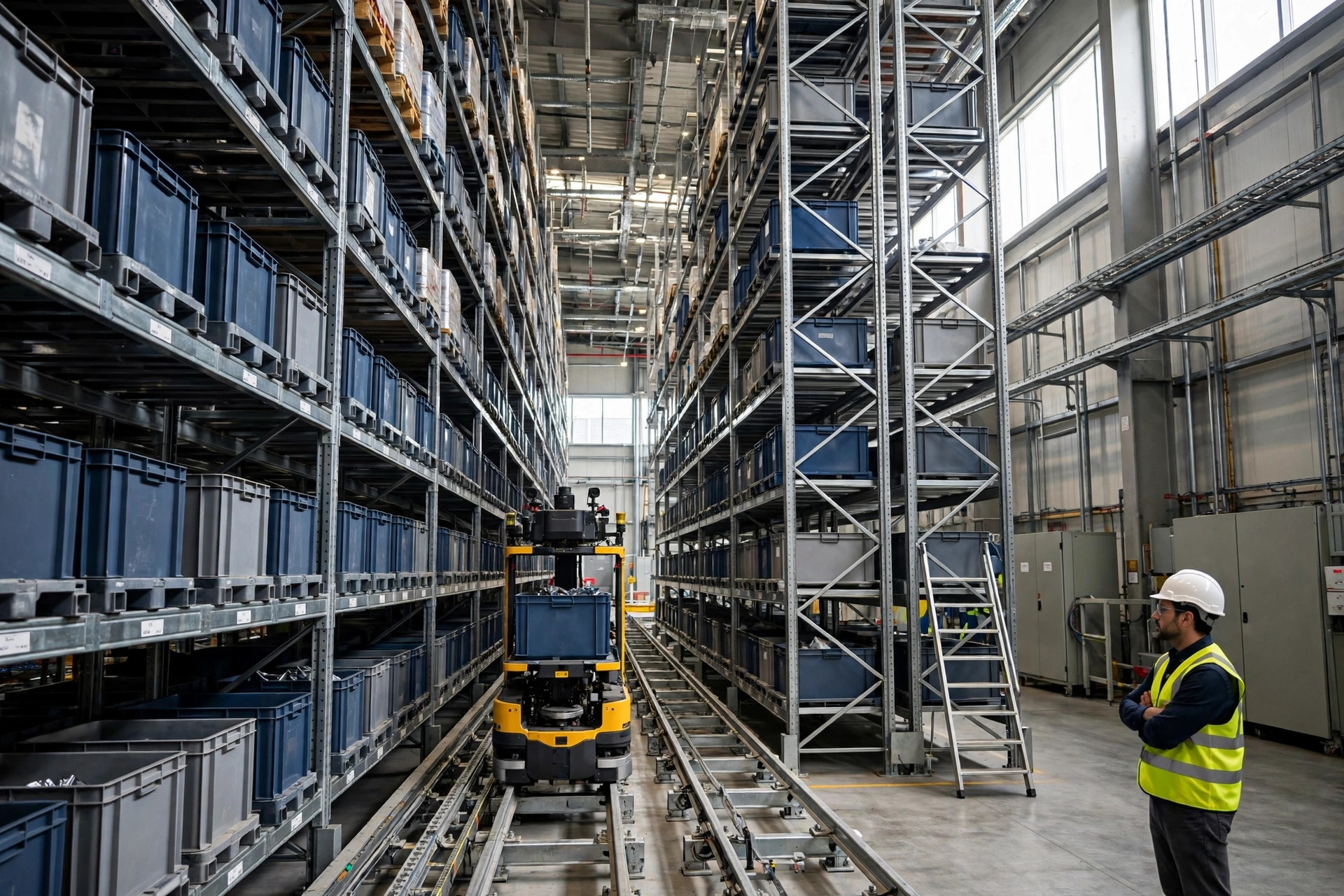
Let me start with the math. A warehouse automation equipment maker gets its UL certificate, the boss buys everyone dinner, and the team assumes the certification story is over. Then I ran the numbers for him: UL's follow-up inspection service sends inspectors to your plant at least four times a year for factory audits — unannounced — and each visit eats one to two days of your people's time. Over four years, before the certificate even expires, the "maintenance money" — inspection fees, auditor travel, production downtime for hosting, corrective actions — will have blown past whatever the original testing cost. He lost his appetite.
This piece is about that second half of the story: once you hold the certificate, how often factory audits come, what they actually check, and how to get through them without burning money.
Factory Audit Frequency, by Certification
I work in costs, so I put things in tables. Here is how the major certifications compare on factory audit frequency, based on the certification bodies' published policies (always confirm against each body's current official policy):
| Certification | Factory audit frequency | Announced? | In one line |
|---|---|---|---|
| UL (US) | At least 4 visits per year | No — unannounced inspections | Follow-up service: are shipped products the same as the certified sample? |
| CCC (China compulsory) | Initial inspection + 1 follow-up per year | Usually scheduled in advance | Checks production consistency and the quality system; certificate valid 5 years |
| ISO 9001 | 1 surveillance audit per year after certification | Scheduled in advance | Certificate valid 3 years, recertification audit in year 3 |
| CE (Machinery Directive, self-declaration) | No mandatory annual factory audit | — | Only Annex IV high-risk machinery under Module H (full quality assurance) gets annual surveillance |
Two rows in that table get misread constantly. UL's four unannounced visits a year are the most expensive maintenance item in the system. And CE under self-declaration carries almost no annual factory-audit burden. Many owners get this backwards: they treat CE as "certify once, done forever" and UL as "the expensive testing fee." The reality is the opposite. CE saves you inspection fees. UL charges you for living in a permanent state of audit-readiness.
What a Factory Audit Actually Checks
An inspector walks into your plant with one job: verify that what you are building today is the same product that earned the certificate. Production consistency. That is the whole game. Break it down, and there are five things they always check:
- Critical component list vs. reality on the floor. Which motor, which controller, which safety light curtain went into the certified sample — those must be the same ones on the line today.
- Production inspection and test records. What tests were run before shipment, who ran them, what the results were, and whether the dates line up. UL's follow-up service requires related records to be kept for at least six months. A missing record is treated as a test never performed.
- Calibration of measuring and test equipment. Calipers, torque wrenches, insulation testers — are the calibration certificates still valid? One expired certificate can become one nonconformity.
- Design change records. Did you change the design after certification? Was the change evaluated, and was the certification body notified? This is where automation equipment makers fail most often — fast product iteration, an engineer swapping a supplier, procurement chasing a cheaper brand. In certification terms both moves are "design changes" and can trigger re-evaluation.
- Use of the certification mark. UL and CCC marks applied correctly, on the right models only.
See the pattern? The inspector does not care how impressive your plant is. He cares about consistency. And the automation industry's Achilles' heel is item 4: engineers iterate, procurement cost-cuts, and nobody files the paperwork.
Two Real Lessons: What Failing an Audit Costs
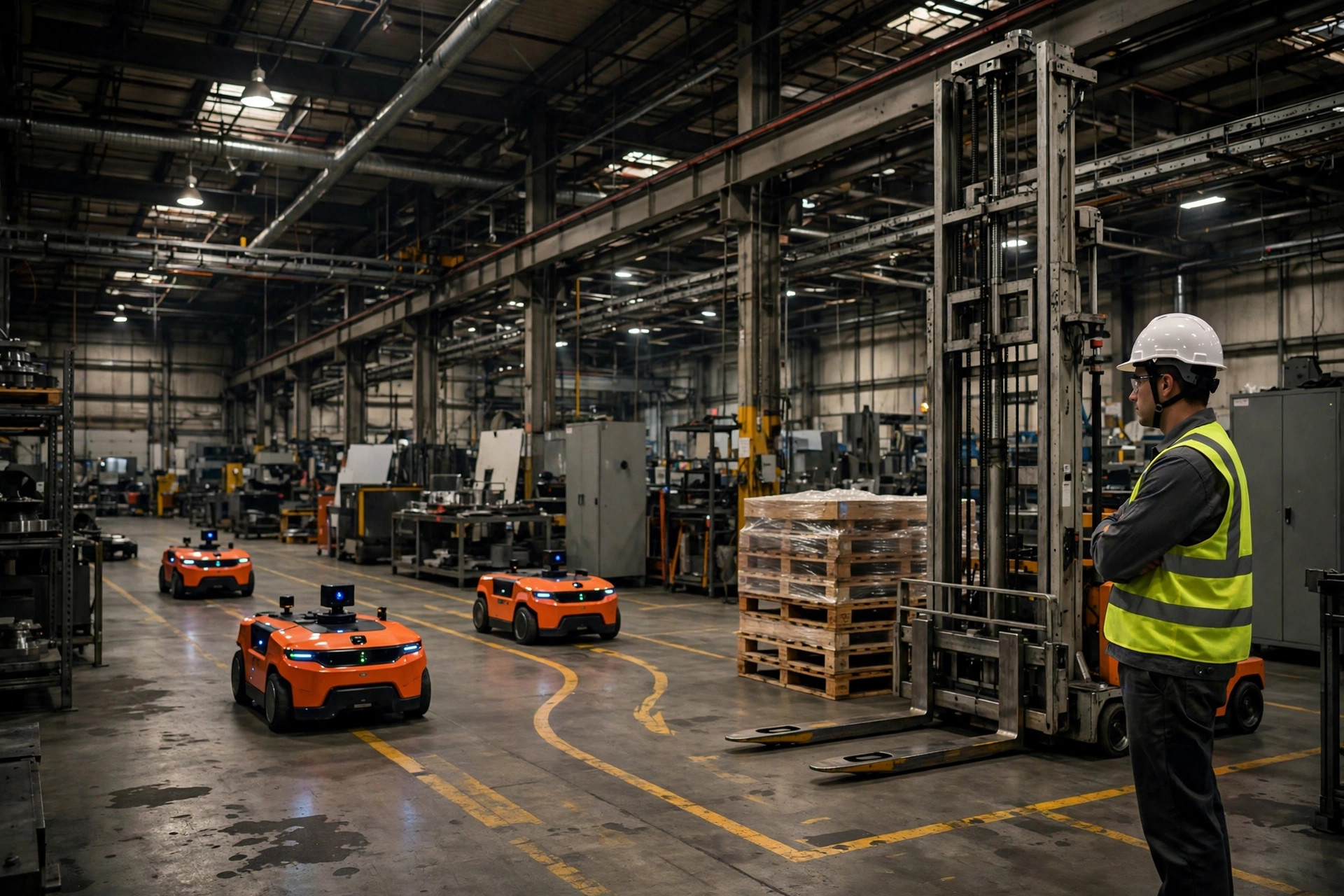
Lesson one: a Shenzhen AGV maker swapped a motor and torched a container's worth of margin. I heard this from a client I visited two years back. In 2023, a UL inspector showed up unannounced and found a different brand of drive motor on the line — the certified motor had a long lead time, so procurement had quietly switched to a cheaper, uncertified one. The result: a major nonconformity, UL mark authorization suspended, and a container already shipped to the US held at the customer's warehouse pending corrective action. Re-evaluation took over two months. Demurrage, storage fees, penalties — the bill came to dozens of times the price difference on the motor. The savings were not even a rounding error.
Lesson two: a Suzhou stacker-crane maker failed a CCC annual audit over three sheets of paper. The factory was actually well run. But before the audit they discovered two internal audit records were missing and one calibration certificate had expired. Three nonconformities, a 30-day window to close them, and the inspector had to come back for an on-site verification. Two people spent two weeks full-time reconstructing records and rushing calibrations. The labor cost was the small part. The real damage: the factory paid the auditor's full re-visit cost, and peak-season shipments slipped by half a month — a key customer nearly walked. Three sheets of paper nearly cost them a major account.
Translate both stories into money: the cost of one major nonconformity is typically far higher than your entire annual certification maintenance budget. Maintenance is predictable and budgetable. Failure is not — and it is always bigger.
The Cost of Each Audit, Itemized
| Cost item | Who pays | Room to save |
|---|---|---|
| Inspection fee (per auditor-day) | The factory, in full | Almost none — go by the body's published rate |
| Auditor travel and lodging | The factory, at cost | Almost none |
| Hosting time (QA lead 1–2 days, departments half a day each) | The factory, internal cost | Real — the better prepared you are, the shorter the visit |
| Corrective actions | The factory, in full | Huge — from reprinting records to reworking a whole batch, the range spans orders of magnitude |
| Certificate suspension / mark withdrawal | The factory, all of it | Enormous, and unbudgetable |
The takeaway is cold: you cannot save a cent on the first two rows. The last three rows are where the money goes. The leverage is not "get audited less" — you cannot dodge UL's four visits. The leverage is "pass clean every single time."
Three Levers: Making Factory Audits Routine
Lever one: turn "change notification" into a finance process. Any swap of a critical component's supplier should start with one question: does this touch the certificate? Set a hard rule — no change outside the approved critical-component list goes to purchase order without a certification impact assessment. Swapping a motor to save a few hundred dollars can torch six figures in corrective costs. Finance needs to run that math, and it needs to run before the PO is signed.
Lever two: keep records as you go; never reconstruct them. Inspectors specialize in spotting reconstructed records — handwriting, dates, ink depth, they read it all. Build a monthly checklist around the five record types every factory audit checks, and have your QA lead spend half a day each month on it: are test records complete, which calibration certificates expire soon, any design changes this month? Half a day of salary versus the cost of a corrective-action closure. You can do this arithmetic.
Lever three: designate one person to own the auditor relationship. When the inspector arrives, this person hosts, finds documents, and arranges sample testing — and knows the plant's entire certification file cold. Never grab someone ad hoc. A person who cannot answer questions makes the inspector dig deeper and write more findings. A consistent face also builds trust over time, and unannounced audits go a little easier when the auditor knows the host is competent.
One counterintuitive point to close on: people treat factory audits as box-ticking exercises, and the real trap is the opposite — the audit itself is cheap; failing one is what costs money. Four unannounced UL visits a year means you live in audit-readiness 365 days a year. Cramming does not work here. On the flip side, CE self-declaration machinery carries almost no annual factory-audit burden — but that does not mean nobody is watching. EU market surveillance spot-checks and customer factory audits still apply. You saved the inspection fee, not the responsibility.
The calculable conclusion: annual certification maintenance cost = inspection fees + travel + hosting time + expected corrective cost. Build that number into every unit's quoted price, and accrue it honestly. Then, for any "swap the supplier to save money" decision, multiply the savings by the probability of triggering a re-evaluation before you sign. If the expected value still looks good, place the order.
By Lao Zhou, Logistics Cost Analyst