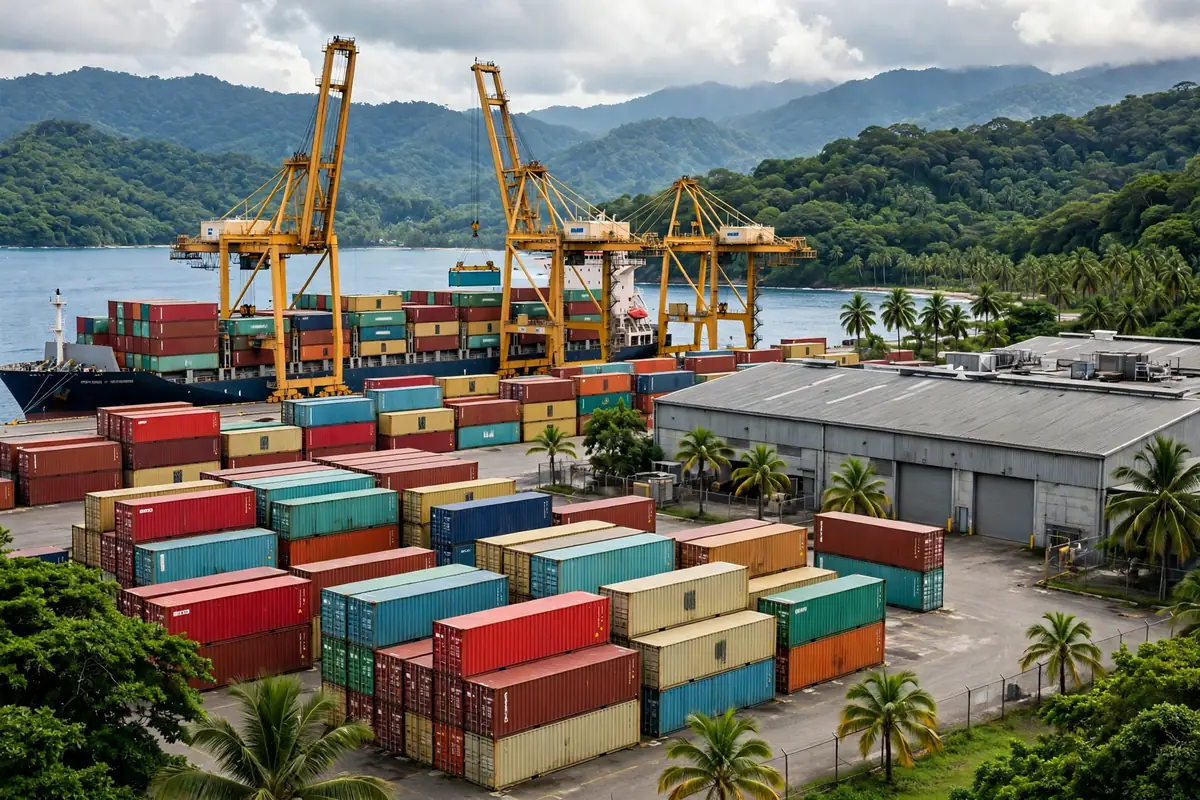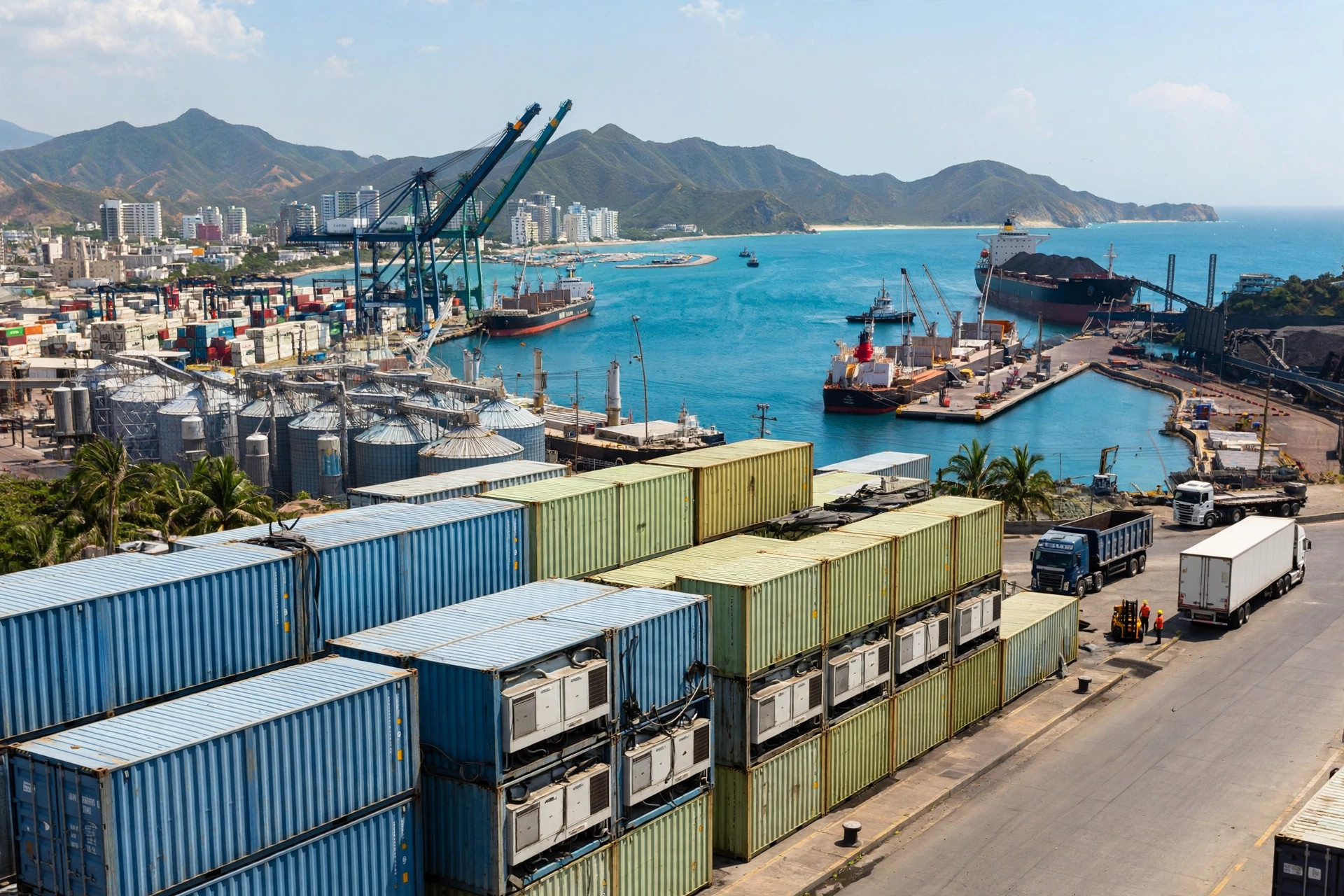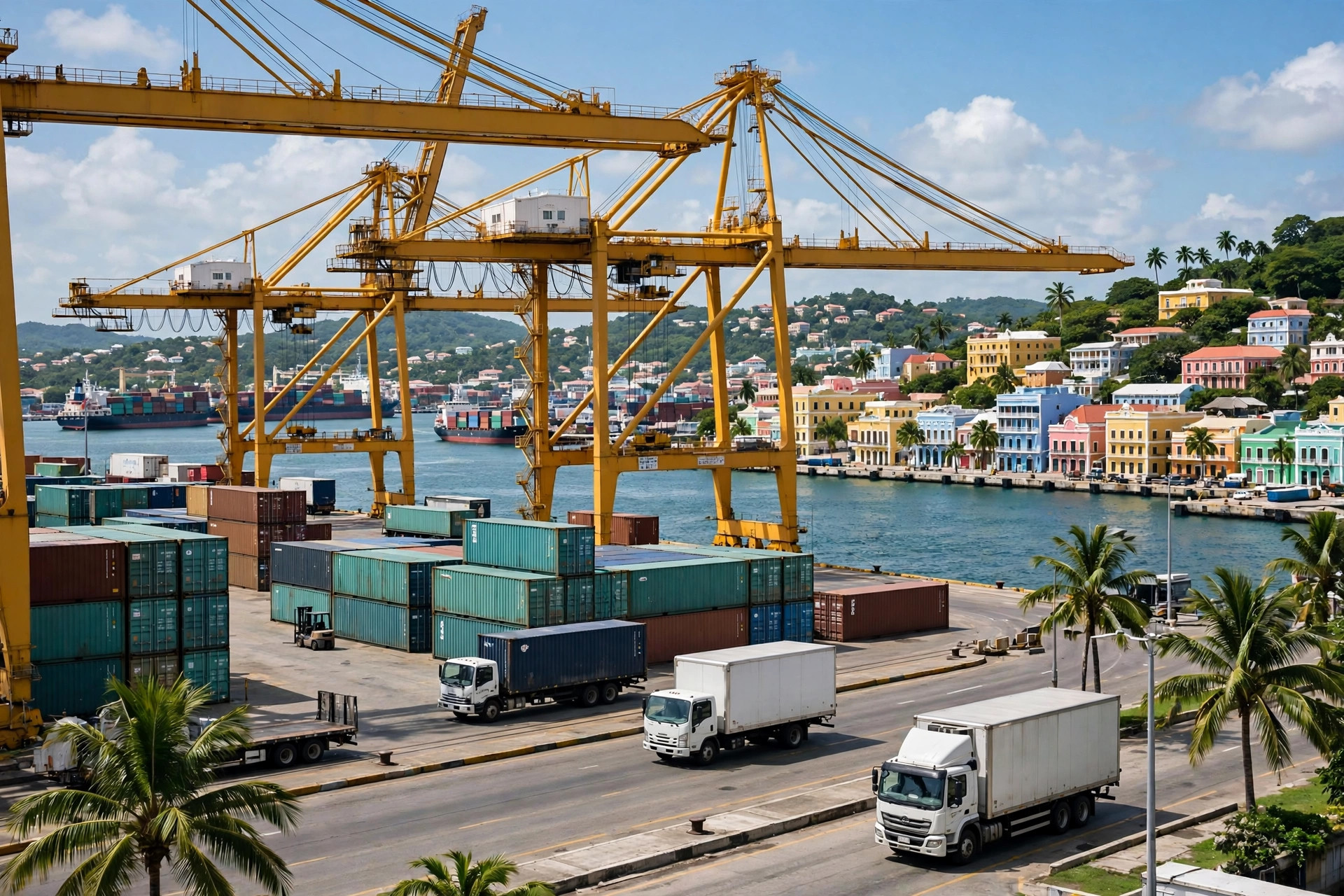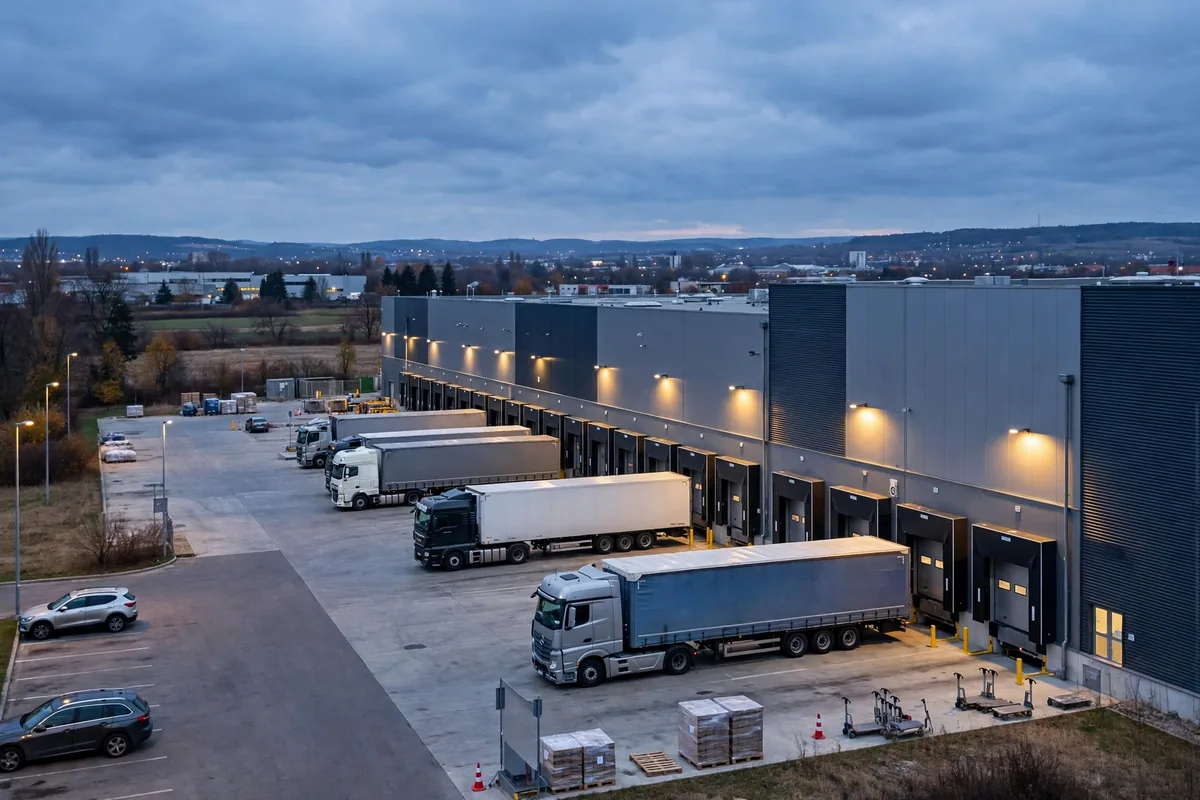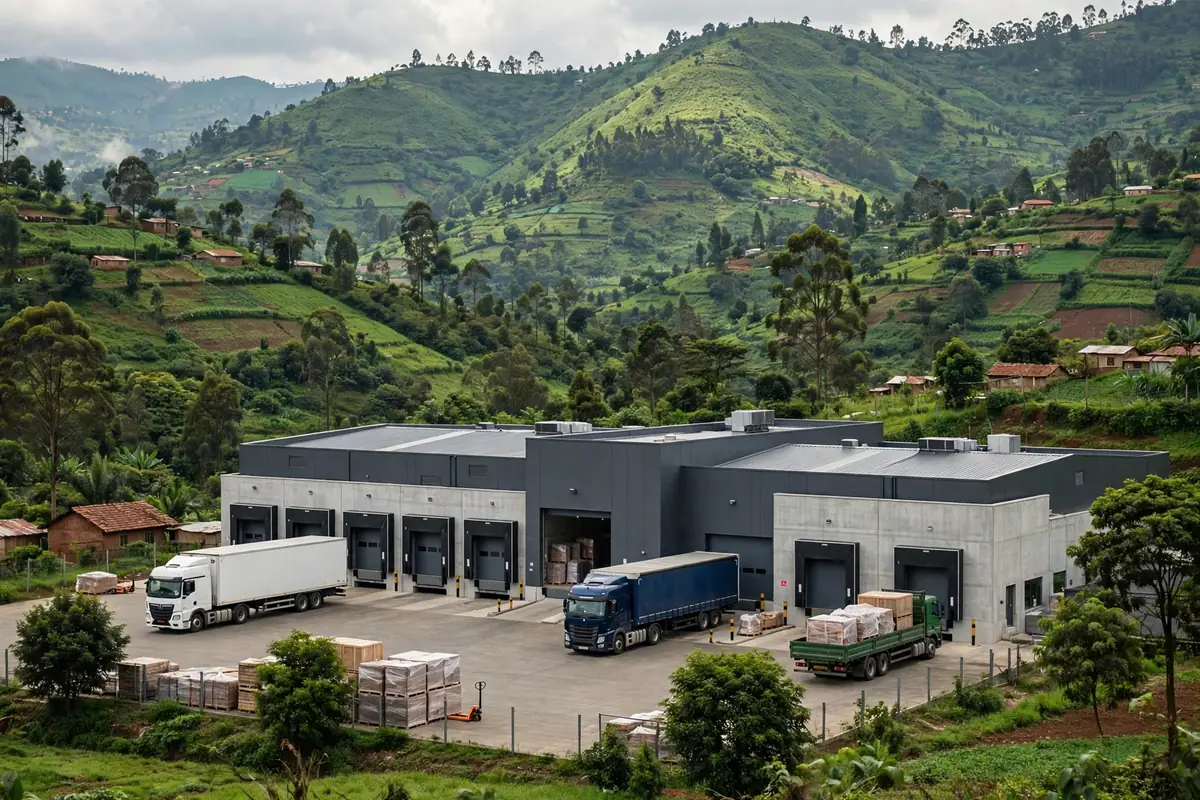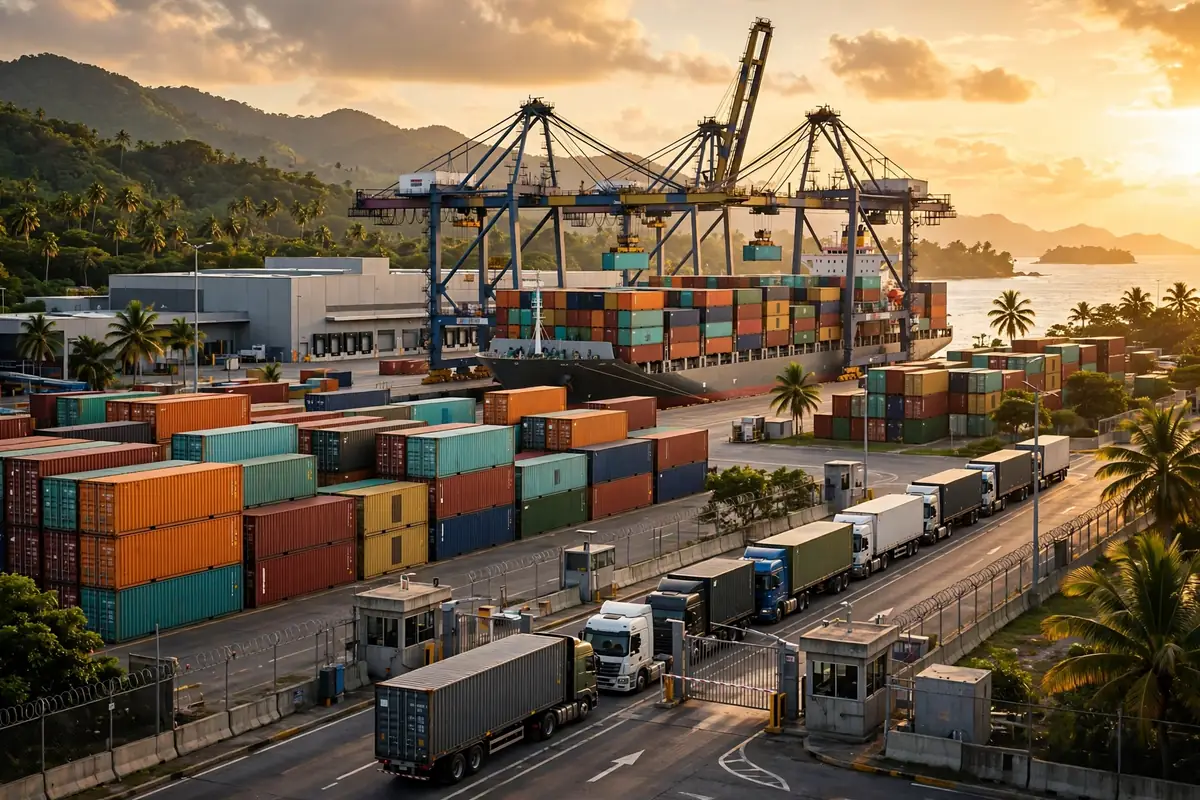
Let me tell you about my first run into Cartagena. The sky was just getting light, the wind off the port carried salt, and container trucks were lined up as far as I could see. On a map, cartagena colombia warehouse logistics looks simple. The port sits on the sea, you unload, you find a warehouse, you ship inland. Anyone who has run this route knows those few centimeters on a map can turn into two days of weather and road.
That load was a container of household goods, split at a port-side warehouse. Part stayed on the coast. Part had to climb to Bogota. The driver, coffee in hand, said getting out of the city cleanly would already count as a good day. I laughed. Halfway in, rain arrived, trucks queued on the mountain road, and we crawled. In Colombia, where you put your warehouse decides which road your freight will suffer on.
In cartagena colombia warehouse logistics, split the freight three ways before you pick a warehouse
Cartagena is Colombia's big Caribbean gateway. Freight coming through here generally heads in three directions.
One share stays on the Caribbean coast. Barranquilla is nearby, and the run is short. Supermarkets, wholesalers, and e-commerce operations along the coast all draw on this freight. It wants speed. A port-side warehouse is enough, as long as goods keep moving, and coastal heat makes ventilation and moisture control real concerns.
A second share goes inland to Bogota, one of the country's largest consumer markets. Volumes are strong, but this is the longest road, climbing to the high plateau, and you cannot estimate it with coastal experience. A third share goes to Medellin, the commercial center for Antioquia, with steady demand in apparel and home goods. Its road differs from Bogota's, so dispatch must plan them separately.
I watched one shipper get this wrong. Every container went into a single port-side warehouse because it felt convenient. Inland orders then went out one truck at a time all the way to Bogota, repeating the same long haul. Cost stacked up and customers chased him daily. Later he changed the setup. Coastal freight stayed coastal, inland freight moved inland early in full loads, and the port warehouse became a sorting point. The numbers changed immediately.
That is why the first step in cartagena colombia warehouse logistics is sorting freight, not renting space.
Port warehouse or inland warehouse: do the road math both ways
Truckers do not do warehouse math by rent per square meter. We count fuel, hours, and empty return miles for a full trip.
A port-side warehouse has obvious strengths. Pickup is short, customs or inspection issues are close at hand, and released freight can be sorted quickly. Its weakness is just as obvious. It suits transit, not long storage for inland freight. Holding Bogota-bound goods at the port may save a little on storage, but the long haul still has to be run in full afterward.
An inland warehouse, near Bogota or Medellin, puts stock close to customers. The final delivery leg is short, and returns are easier to handle. The catch is that freight must finish the long road before it can be shelved, so any delay on the corridor leaves the inland warehouse waiting empty. And once stock sits inland, a sudden coastal order means hauling product backward, which nobody enjoys paying for.
My advice to shippers is always to run both halves of the account together.
| Setup | Best for | Road math | Common trap |
|---|---|---|---|
| Port warehouse only | Mostly coastal sales, fast turnover | Short pickup, every inland order runs the long road | Inland volume grows and cost and timing slip together |
| Port sorting plus inland warehouse | Steady sales on coast and inland | Full truckloads run long distance, inland orders ship locally | Poor replenishment rhythm starves or floods the inland site |
| Inland warehouse only | Sales almost entirely inland | Short final leg, stable customer experience | A coastal rush order has no stock and needs a reverse haul |
The logic in that table is old trucking logic. A consolidated full load on the long leg beats scattered small trips every time. Freight with steady inland volume should move inland early in full loads, while the port keeps coastal stock and freight whose destination is not yet decided. New products with no proven volume should do the opposite. Test them in small quantities at the port first, and only open inland stock once they sell. A warehouse in the wrong place costs more than no warehouse at all.
There is one more line in the account that many people skip. The empty return. A truck that delivers inland and comes back empty loads the whole trip cost onto the outbound leg. When you negotiate with a carrier, ask whether a return load can be matched. Matched or empty can change the real cost of a trip by a noticeable margin. It is rarely in the big print. It lives in the trucker's fine print.
Rainy season and the inland corridor: leave slack in every promise
The road from Cartagena inland crosses lowlands, hills, and then the climb to the plateau. On a good run, a driver knows his timing. In the wet season, mountain stretches can bring slowdowns, slides, and temporary controls. One rainy-season run I rode, bound for Bogota, took well over half a day longer than planned. The shipper was anxious on the phone. I was anxious in the cab. Neither of us could argue with the road.
The lesson is to build inland timing on a normal-to-slow run, not the best run. Quote customers a little conservatively and surprise them by arriving early, instead of promising the moon and apologizing daily. Warehouse planning follows the same rule. Start inland replenishment early. Do not wait until inland shelves are nearly empty before dispatching from the port, because one delay on the corridor turns into empty shelves.
In the wet months, also try to keep long-haul trucks out of the hardest mountain stretches at night. It is not about drivers avoiding hard work. Visibility is poor, problems are slower to handle, and risk climbs. Old drivers say it is better to stop for a few minutes than to fight for a second. A few hours of timing can be negotiated with a shipper. An accident on the road cannot be negotiated with anyone.
On customs and tax specifics, Colombian requirements change, so I will not write down fixed figures here. Check the latest official policy and confirm with a local customs broker before you ship. I have seen too many people lose money trusting an old forum post.
Sharing the work with Buenaventura: do not route Caribbean freight through the Pacific
Colombia's other major port, Buenaventura, sits on the Pacific. Many shippers just take whichever sailing comes first.
The split is not that hard. Look at where the freight will finally be sold. If sales are on the Caribbean coast or in the north, Cartagena is the front door, and coastal sorting plus the inland run follow a natural line. If sales concentrate in western cities closer to the Pacific, Buenaventura may be the shorter entry. The expensive mistake is bringing northern freight in through the Pacific for one sailing date, then hauling it across the country for nothing
Neither port is better in the abstract. Each governs its own territory, the same way trucking lanes work. When you plan imports, spread the sales map out first: which cities hold your main customers, and how much volume sits in each. Work backward from that map to the port and warehouse. Map first, route second, rate last. Reverse the order, and a cheap rate turns expensive.
Port-side warehouses around Cartagena have improved, and more can sort, label, and do light work than before. But no warehouse replaces route planning. A warehouse is a point, a road is a line. Get both right, and cartagena colombia warehouse logistics starts to work as a whole.
I will leave you with an old road saying. Freight does not fear going slow. It fears going without a plan. Work the route out early, leave slack in the timing, let the warehouse follow the freight instead of forcing freight to follow the warehouse, and your cargo will suffer a lot less on this lane.
By Shifu Zhao, Trucking Veteran (15 yrs)