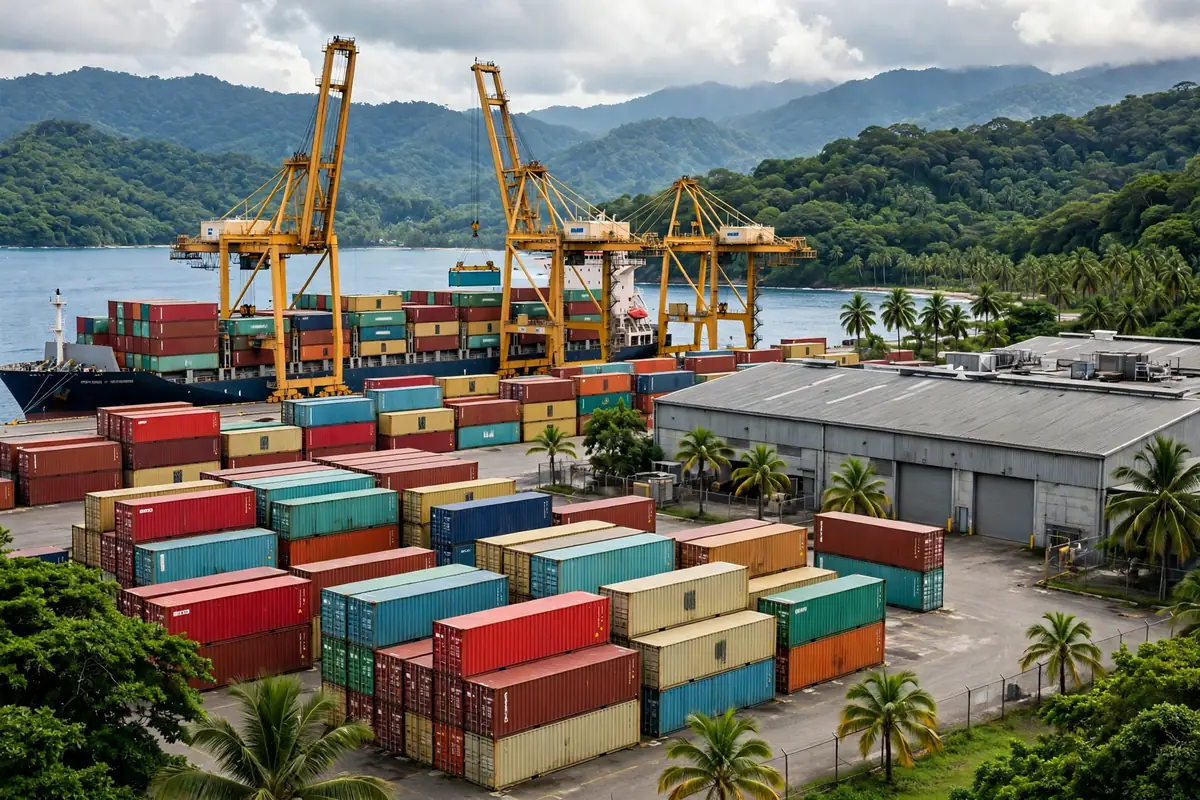
We had a client in small appliances who was selling into Colombia for the first time, and his opening question was simple: isn't a warehouse right next to the port always the cheapest? I told him not to ask about rent yet. Tell me where the goods are finally sold. He paused, then said about seventy percent ends up in Bogota, and the rest around Cali and Medellin. That one answer changes everything about buenaventura colombia port warehouse logistics. Port-side rent can look low, but if your freight climbs inland every day, the rent you saved comes back as road cost and lost time.
This piece is not a market pitch. It is about one practical job: freight enters through Buenaventura on the Pacific side, so where should the warehouse sit, who hands the freight to whom, and which contract lines must be written down before you sign? Rates, taxes, and customs rules change, so treat any specific figure as an example only and check the latest official policy before you commit.
Buenaventura colombia port warehouse logistics versus Cartagena: how the split really works
In the second half of 2023, one of our clients, as an illustrative example, routed his first two containers entirely through Cartagena because the Caribbean port felt bigger and better connected. The freight arrived, but his dealer was in Cali. The cargo then had to cross much of the country toward the southwest, the inland leg dragged, and he spent weeks apologizing to his dealer. His next shipment came through Buenaventura instead, and reaching Cali became far more straightforward. That was when he understood the rule: in Colombia you do not pick the famous port, you pick the side of the country closest to your buyer.
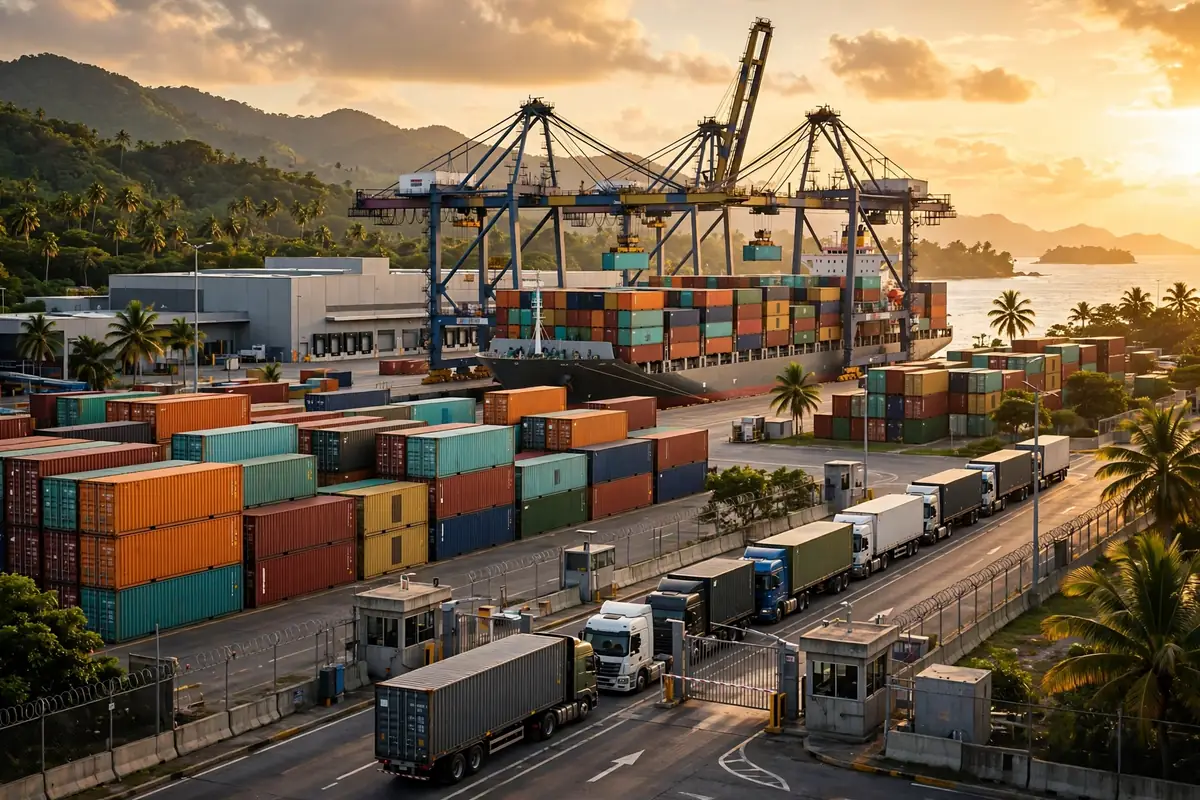
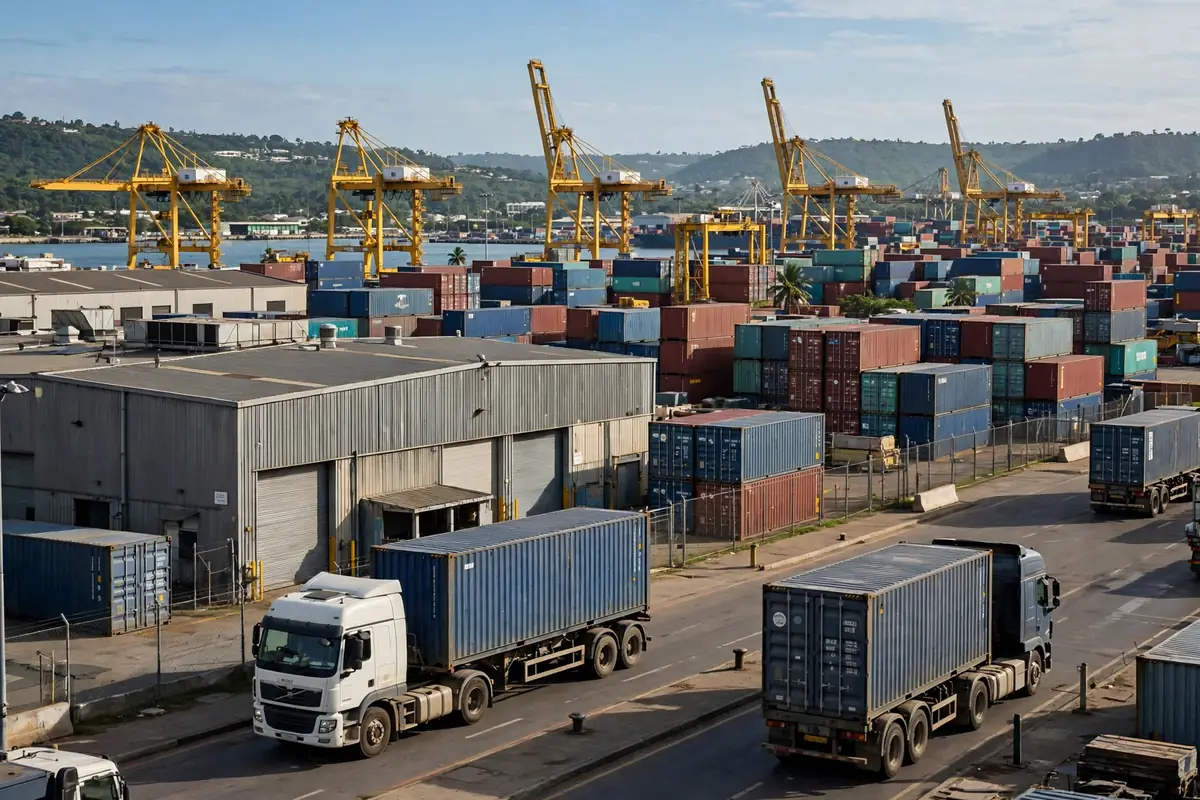
The logic is plain. Buenaventura serves the Pacific side, with Cali as its natural hinterland city and onward corridors toward Bogota and Medellin. Cartagena serves the Caribbean side and fits northern demand and Atlantic-oriented routings better. Both ports work. The difference is what happens after discharge. If your demand clusters in the west and center, a Pacific entry usually gives you a cleaner inland story. If your buyers are in the north, or your ocean routing is built around the Caribbean, forcing freight through Buenaventura makes little sense.
Here is the counterintuitive part. Many sellers choose a port by comparing ocean quotes alone. In Colombia, the expensive part is often not the ocean leg at all. It is the inland corridor after the box lands. Saving a little on ocean freight while adding days inland usually produces a higher total bill and a delivery promise you cannot keep. My standing advice is to draw the customer map first, choose the port second, and compare ocean rates last. Reverse that order and you spend the rest of the year fixing it.
Remember also that half the value of buenaventura colombia port warehouse logistics sits outside the warehouse walls. A warehouse can be ten minutes from the terminal and still fail you if trucks toward Bogota cannot be secured, or if nobody owns the handover into Cali distribution. Judge the port, the warehouse, and the inland carrier as one chain, never as separate purchases.
Moving freight toward Bogota, Cali, and Medellin without chaos
Another client story makes the inland point concrete. In the first half of 2024, an auto parts client of ours, again as an illustrative example, landed freight at Buenaventura with roughly half destined for Bogota and half for sale around Cali. At first everything sat in one port-side warehouse. Bogota freight and Cali freight were mixed on the floor, picks were constantly split and reworked, and two mis-shipments followed. We restructured it into two flows: Cali-bound freight was distributed locally, while Bogota-bound freight was prioritized for full-truck dispatch with minimal dwell in the warehouse. The mis-shipments stopped, and a large share of pointless internal handling disappeared with them.
When I help a client lay out inland flows, I use three tests. First, destination density. Bogota is the largest consumption center, so if your volume there is solid, it deserves its own line and full-truck thinking. If volume is fragmented, consolidate once in the west and move consolidated freight north. Second, the delivery promise. The tighter the promise you made to dealers, the less you can afford to hold freight waiting for a perfect load. A partly full truck that leaves on time is often cheaper than a full truck that leaves late and costs you the account. Third, returns. Auto parts and appliances generate reverse flow, so reserve a returns area from day one. Mix forward and reverse freight on the same floor and your inventory accuracy will quietly rot.
A simple illustrative calculation shows the trade-off. Suppose a port-side warehouse is priced at 100 units and a warehouse nearer Cali at 115 units. The second looks fifteen percent more expensive. But if most deliveries are around Cali, every order from the port-side site adds an extra short haul, an extra handling, and often an extra day of waiting. On an illustrative monthly basis, those extra moves can easily consume the rent gap and more. There is no universal answer. Run your own volume mix through the logic: the closer your endpoints are to Cali, the stronger the case for shifting the warehouse that way; the more demand concentrates in Bogota, the more you should protect departure frequency on the Bogota corridor instead. Always confirm live carrier pricing before negotiating.
Medellin deserves its own warning. It is not a convenient stop on the way to Bogota, so do not plan one truck to serve both as a favor to yourself. If Medellin volume is small, run it as a separate consolidated line or hand it to a local distribution partner. One of our larger clients learned this the expensive way when a truck detoured for a few Medellin pallets and arrived late into Bogota, and the dealer responded by tightening his payment terms. Clients sometimes design their own delays and then pay for them anyway.
Choosing a warehouse: safety, handovers, and three contract questions
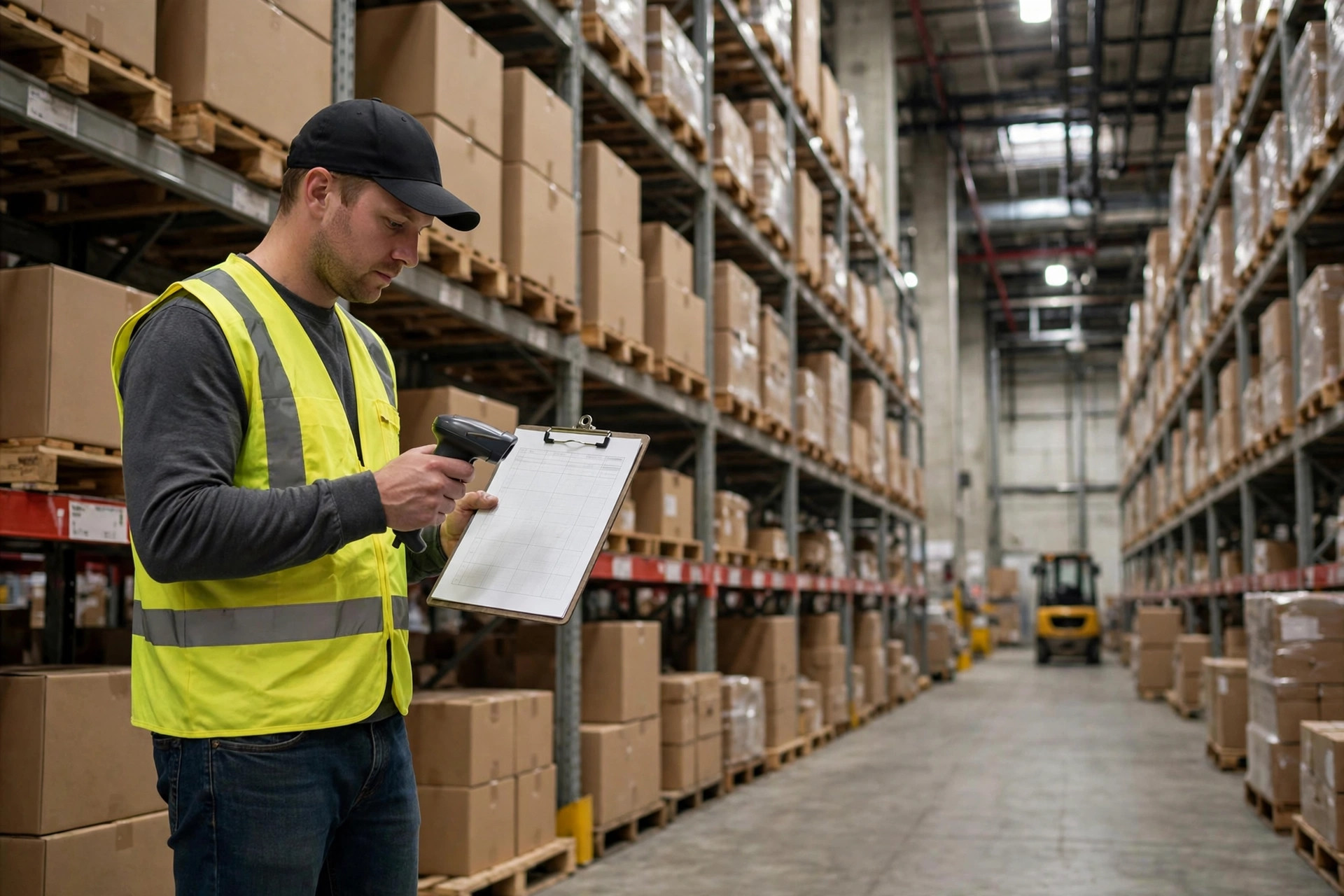
In buenaventura colombia port warehouse logistics, the thing I fear most is a client who sends me nothing but a rent comparison sheet. Rent matters, of course, but on this corridor safety and handover discipline matter more. Safety is not a scare word. It is a short checklist: perimeter and gate control, overnight staffing, camera records for receiving and dispatch, and a named owner for the short leg between the terminal area and the warehouse. Wherever ownership is vague, loss disputes begin.
Handovers are where the detail lives. Ocean arrival, customs clearance, the short haul into the warehouse, in-warehouse distribution, and inland dispatch create at least four handovers. Each one needs a document, a count, a photo record, and ideally a seal number. In the second half of 2024, one client, as an illustrative example, received two cartons short on a short-haul delivery, and both sides told a different story. A full-truck photo taken at receiving settled it. After that, he added a clause to every agreement: where a handover has no image record, shortage is presumed to sit with the handing-over party. That single clause has saved him more money than any rent discount he ever negotiated.
For negotiation, I give every client three questions to ask verbatim. First: from terminal pickup to shelved inventory, whose responsibility and whose clock is it? Second: for Bogota, Cali, and Medellin, can departure frequency and cut-off times be written into an annex rather than left as a verbal promise? Third: for loss, mis-shipment, and delay, is compensation based on cargo value or on a multiple of freight, and what is the cap? Ask those three and you will quickly learn whether the operator can actually run freight or can only quote a low price. An operator who discounts eagerly and goes vague on detail is one I advise clients to walk away from. The most expensive warehouse is usually the cheap one on the day something goes wrong.
Be honest about the final trade-off, too. A site near the port is convenient for container pickup and return and suits fast-turning freight. A site shifted toward Cali suits regional distribution and local stockholding. If you need both, do not expect one warehouse to do both jobs well. A two-node setup, port-side cross-dock plus Cali distribution, costs a little more to manage but often wins on total cost and risk. The client who insists on one warehouse for everything usually ends up dissatisfied in every direction.
If you take one line from this piece, take this one: in a new country, do not ask who is cheapest first. Ask who documents handovers carefully and states responsibility plainly. On the Buenaventura corridor, the winner is not the biggest warehouse. It is the chain that never breaks.
Next time you negotiate a contract, remember to ask those three questions.
By Susan, 3PL Sales Director