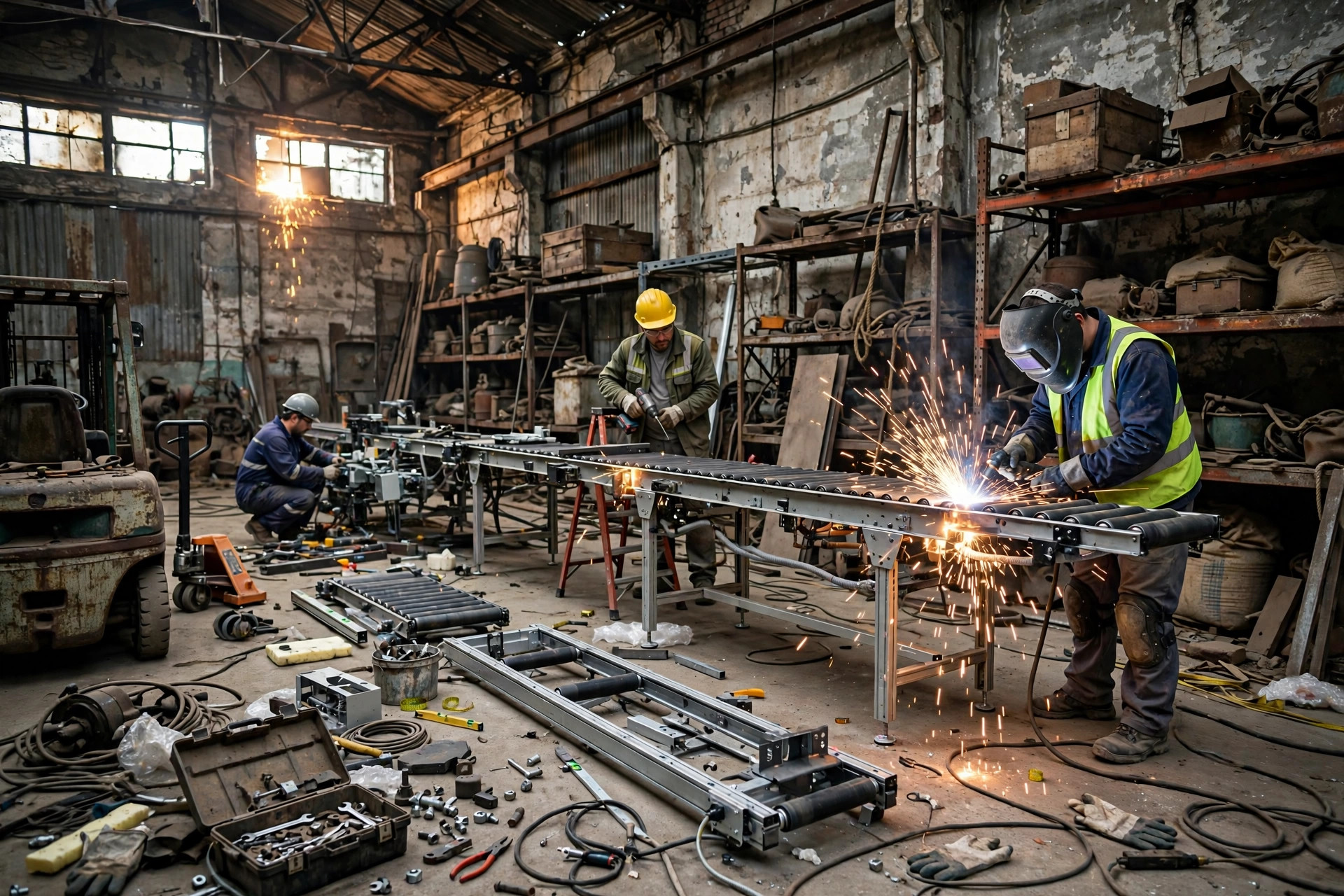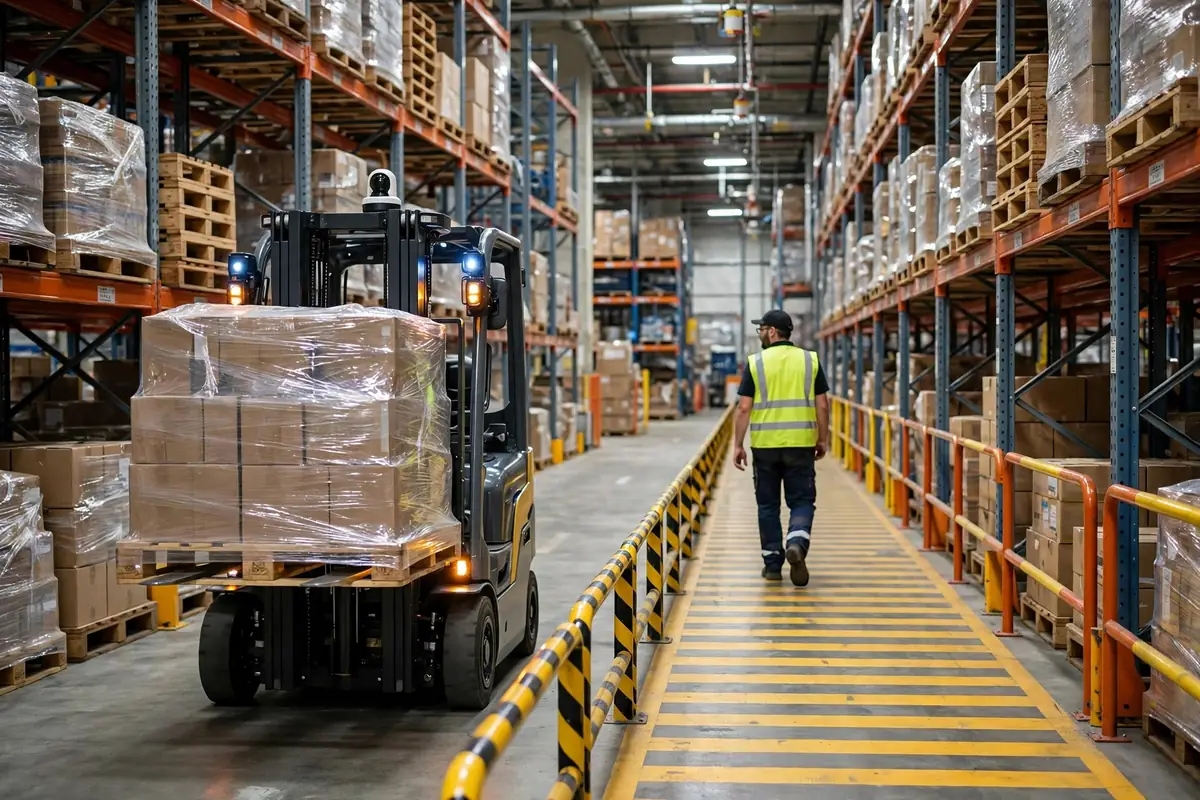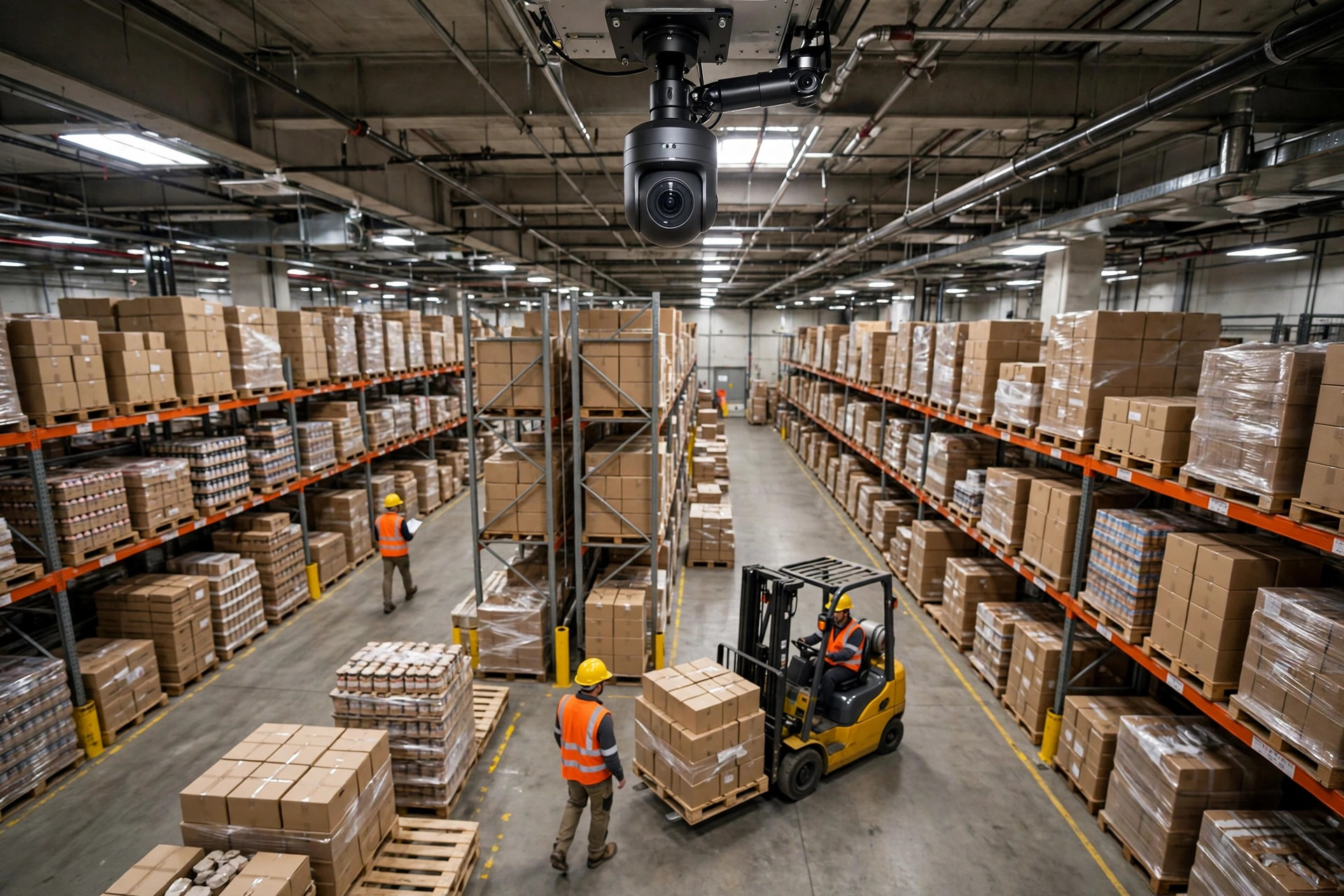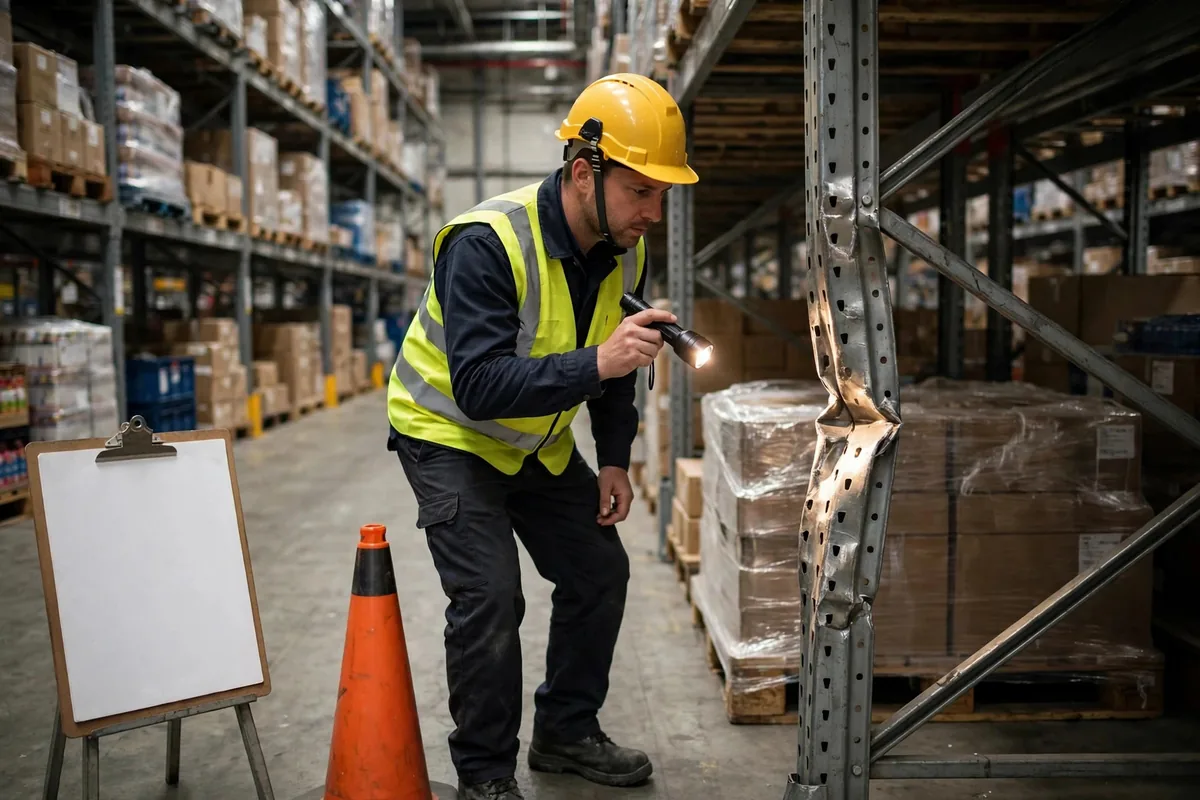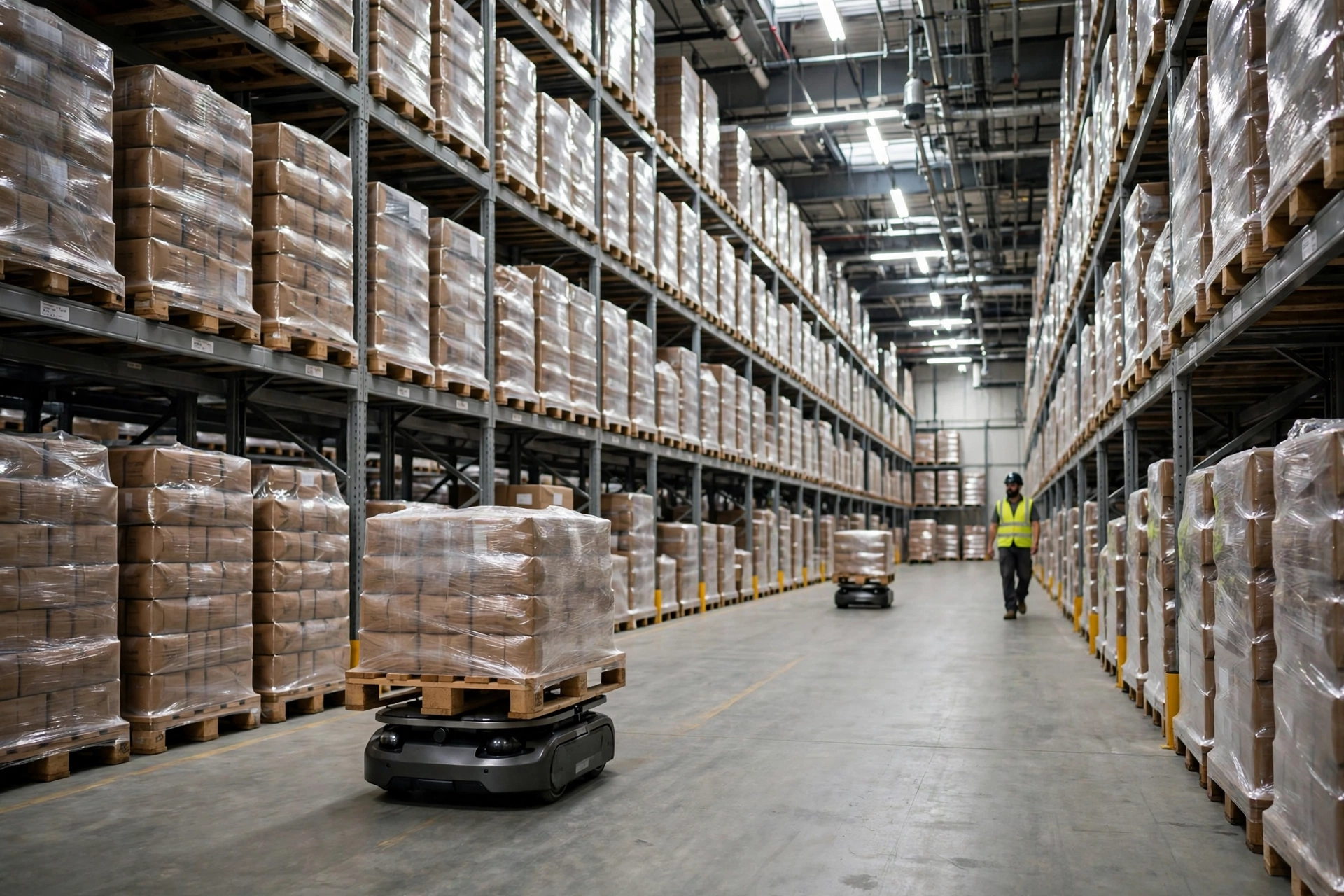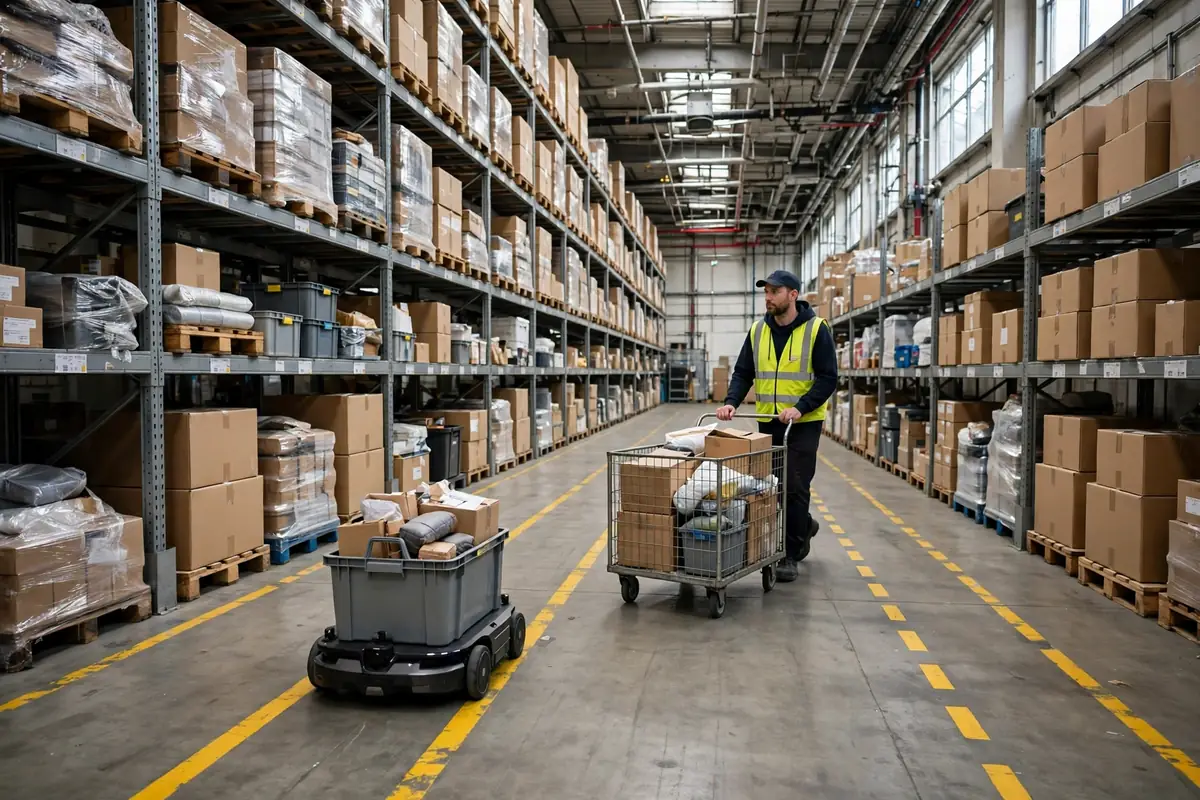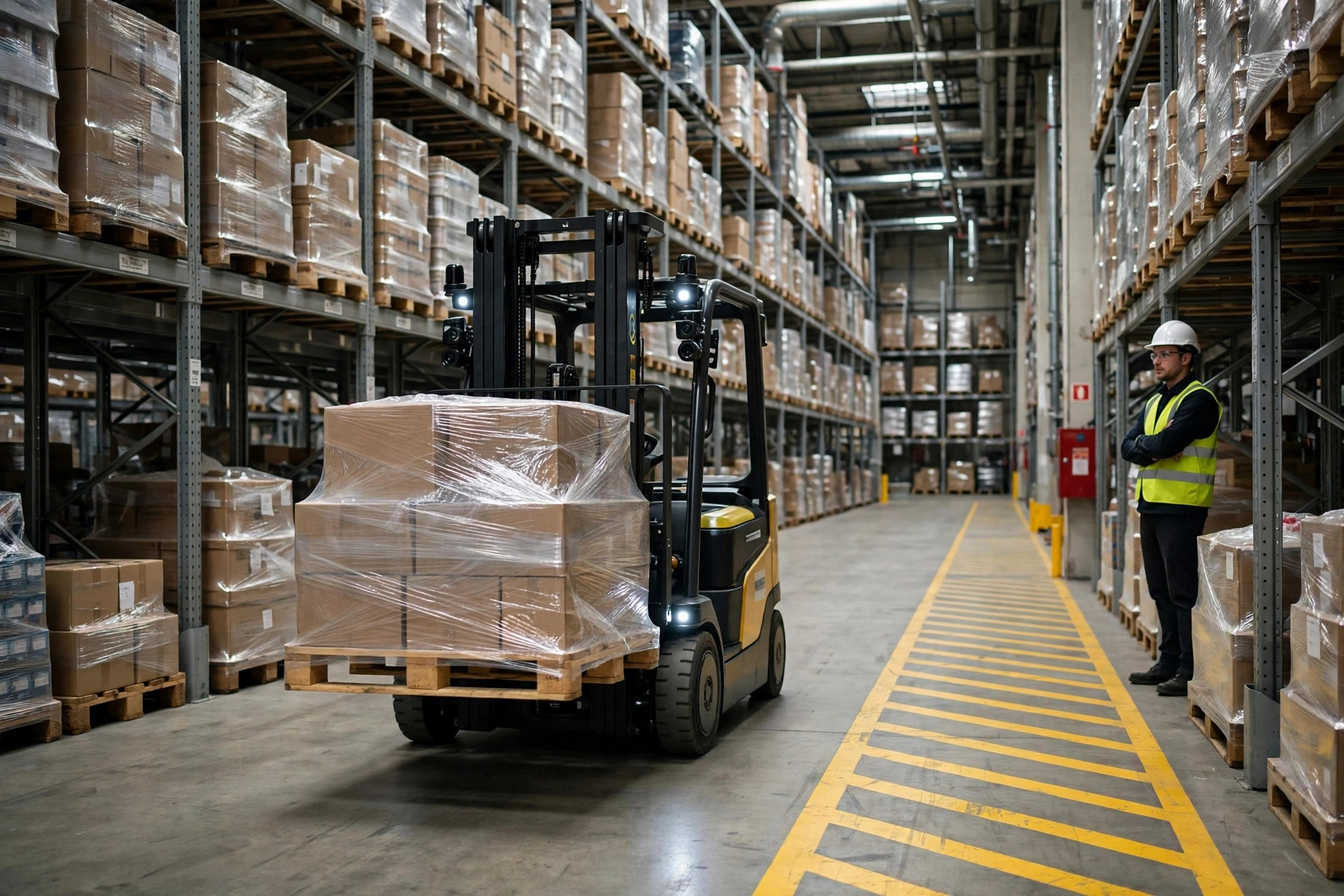
An autonomous forklift warehouse deployment is rarely decided by the truck itself. I have watched good machines look bad in warehouses that were never prepared for them: pallets clipping rack beams, trucks stopping every few minutes in shared aisles, charging bays blocked by temporary pallets, and task orders that meant different things on different shifts. The conclusion people draw is that autonomous forklifts are unreliable. The more honest conclusion is that the warehouse asked a machine built for predictable logic to survive an unpredictable environment.
Think of it this way: you can think of an autonomous forklift as a driver who follows rules perfectly and improvises poorly. A human driver sees a damaged pallet, a leaning load, or a worker stepping out from behind a rack and adjusts without thinking. An autonomous truck sees the same scene and must decide whether it is safe, whether it can proceed, and what to do if it cannot. If you remove the ambiguity before go-live, the machine looks smart. If you leave the ambiguity in place, the machine looks stupid, and no software update will fix that.
Autonomous Forklift Warehouse Floors and Rack Clearance Come First
Start with the floor, not the specification sheet. Autonomous navigation depends on stable perception of a stable environment. Cracks, patched seams that have settled unevenly, and ruts worn into a turning area all create the same result: repeated slowdowns, drifting localisation, and faults at the same corner again and again. In one warehouse I supported, commissioning went smoothly because the test runs were light and careful. Once volume rose, the same bend triggered alarms every day. The cause was a floor joint that human forklifts crossed without noticing, but that the autonomous truck read as an obstacle on almost every pass. Nobody had walked that route looking for it, because nobody had been asked to think like the sensor.
Rack clearance is the second physical test, and it is just as unforgiving. When a truck inserts its forks into a pallet position, it needs clear space above and beside the load, not just enough room for the pallet itself. A load that overhangs, a beam that has been nudged out of alignment, or a neighbouring pallet that intrudes into the slot can turn a routine putaway into a refusal or a scrape. The acceptance method is deliberately low-tech: take the largest pallet you intend to run, physically check every location on the pilot route, and clear the exceptions before the truck arrives.
This is also where I have to be blunt about a pseudo-requirement. Some teams demand that the truck handle every pallet type, every location, and every exception from day one, across the whole warehouse. In practice it means rebuilding the whole warehouse to the highest standard before you have proven anything. Start with one line, one pallet type, and one location type. Prove it, then expand. A narrow success you can repeat is worth more than a broad promise you cannot debug.
Autonomous Forklift Charging and Shared-Traffic Rules Must Be Designed, Not Improvised
A charging area in an autonomous forklift warehouse is not a spare corner with a charger in it. The truck must align itself, enter and leave without manual help, and turn around without hitting a temporary stack that appeared during the shift. If human forklifts treat the front of a charger as overflow parking, the autonomous fleet will queue, miss its charging window, or block an aisle while it waits. Charging rhythm matters just as much as charger location. If every truck returns to charge at the same peak moment, you lose a large share of capacity exactly when you need it most. The practical fix is staggered charging: some trucks top up during quiet periods so the full fleet is available at peak. Work that rhythm out during the pilot, when a mistake costs a delayed task, not a missed dispatch.
Shared traffic with people is the item most often treated as paperwork, and it is the one you cannot afford to get wrong. In a mixed aisle, the rules must be clearer than they were in the manual era, not vaguer. Pedestrian routes and autonomous routes need physical separation where possible, crossings need a defined priority and a defined slowdown point, and manual forklifts need a clear procedure before entering an autonomous zone. I once watched a site where workers cut through an autonomous aisle to save time. The trucks stopped correctly every time, and throughput still collapsed, because every stop broke the rhythm of the line. The trucks were not too sensitive. The rules were not established, and nobody had rehearsed what workers should do when a truck approaches. Put the rules in place, then run a full-team walkthrough so everyone sees how the truck moves, how it stops, and where it will not go.
Autonomous Forklift Task Handoff: If WMS Is Vague, the Truck Will Be Vague
The last item is system readiness, and it is where most rework hides. An autonomous forklift does not find its own work. It receives a task from WMS: pick from this location, deliver to that location, with this priority, and with a defined fallback if something goes wrong. If those rules live only in experienced operators' heads, integration becomes a long list of exceptions. A useful acceptance test is simple: for every task type, there must be one source location, one destination, and one exception path in the system, and the same task issued on different shifts must produce the same result. If it does not, fix the process before you blame the interface.
Choosing a pilot line follows the same discipline. Do not choose the hardest line, and do not choose the quietest line either. A good pilot has stable volume, a narrow range of goods, and exceptions you can control. Once it runs, expand in this order: similar locations, then similar task types, then adjacent areas. Clear the fault list from each stage before moving to the next. Expanding too fast is a mistake I have seen more than once: three lines fail at the same time, nobody can say which preparation step was missed, and the whole project stops for rework that could have been avoided by sequencing. For context on whether your operation is a good fit in the first place, see autonomous forklift use cases and selection guidance before choosing the pilot line.
| Preparation item | Acceptance method | Typical failure if skipped |
|---|---|---|
| Floor and clearance | Largest pallet checked against every pilot location | Repeated slowdowns, scrapes, and faults |
| Charging | Staggered charging proven across a full peak shift | Capacity drops when demand is highest |
| Shared traffic | Crossing rules plus a full-team rehearsal | Constant emergency stops and broken rhythm |
| Task handoff | Same task, different shifts, same result | Exceptions handled by manual workarounds |
Maintenance deserves a final warning, because it is where a good pilot quietly degrades. Sensors get dirty, wheels wear, floor markings fade, and a location that was clear in month one becomes obstructed in month three. Without routine inspection of the pilot route, performance drifts and people wrongly assume the technology has aged badly. Build that inspection into the same routine that already checks racks and floors, and keep the fault log open so small problems are visible before they become a pattern.
Whether this money was well spent in an autonomous forklift warehouse comes down to one number: how often a human has to intervene during stable operation on the pilot line. If interventions are still frequent, preparation is incomplete, and expanding will only multiply the problem. If the pilot line can complete a full shift largely on its own, with intervention limited to occasional obstruction clearing and confirmation, then you have something worth expanding. The truck was never the whole project. Making the warehouse a place where it can work reliably is the project, and that work has to happen before go-live, not after.
By Da Liu, Automation Engineer