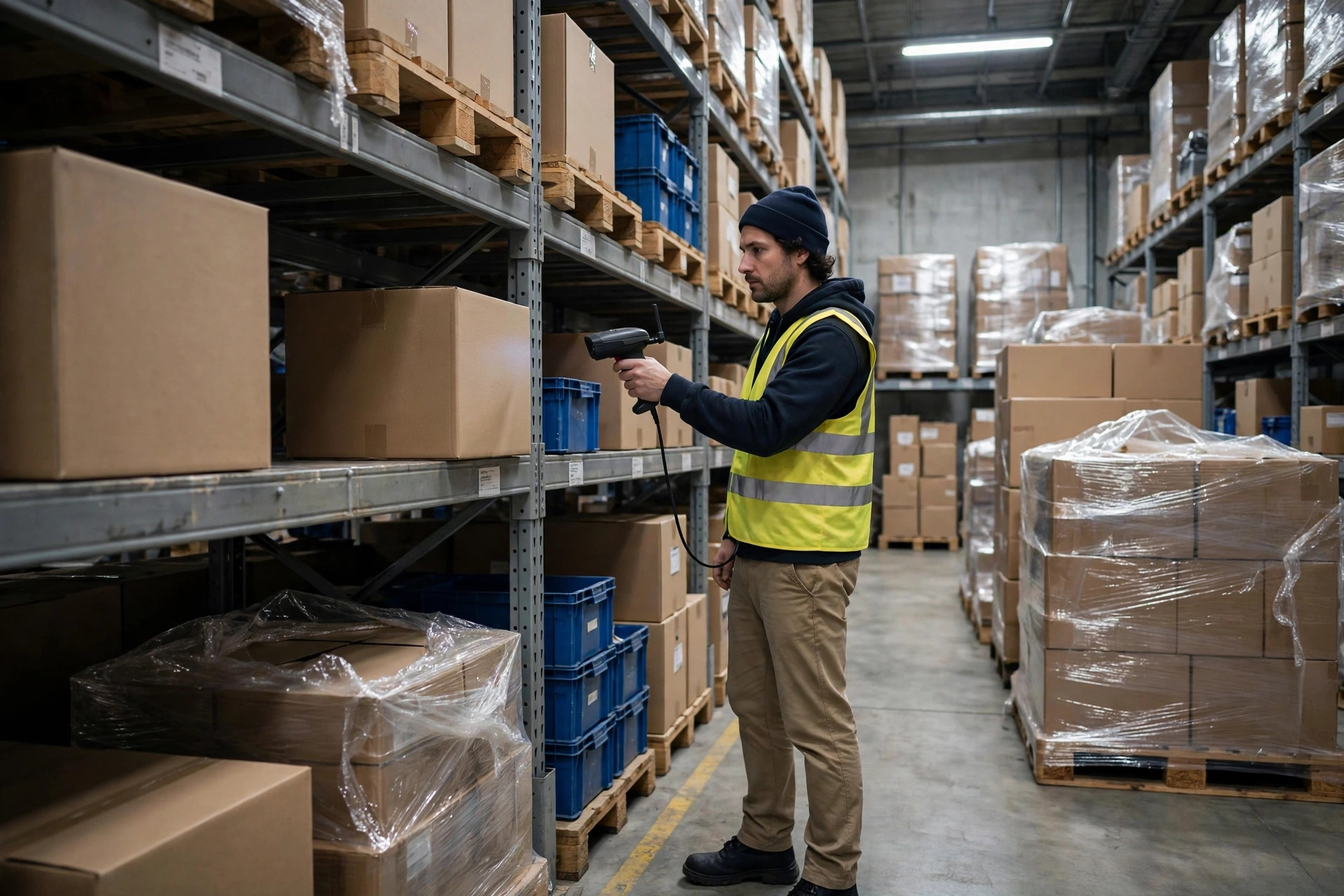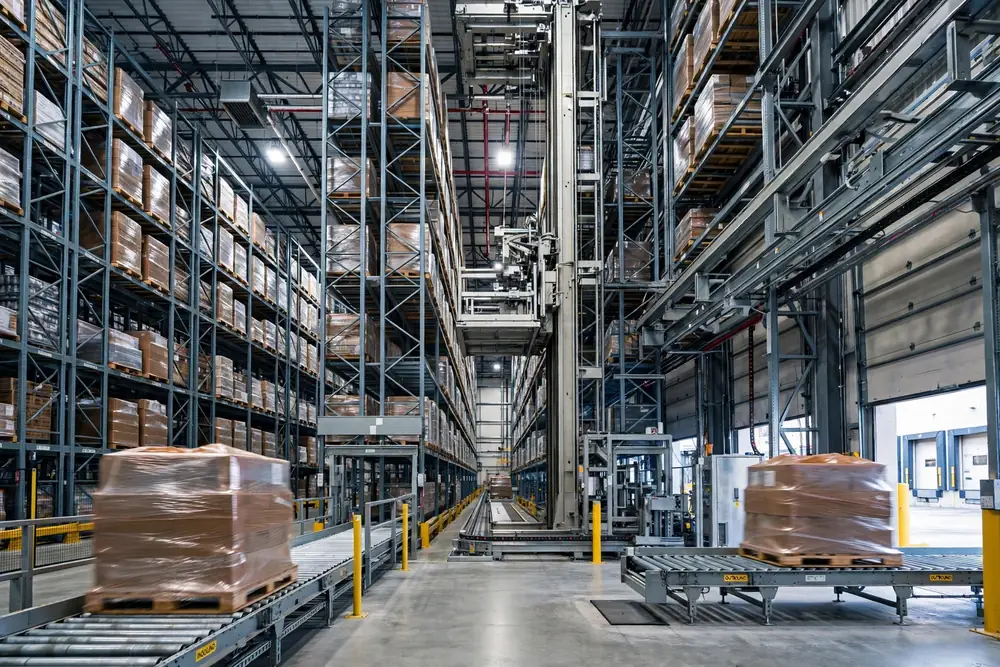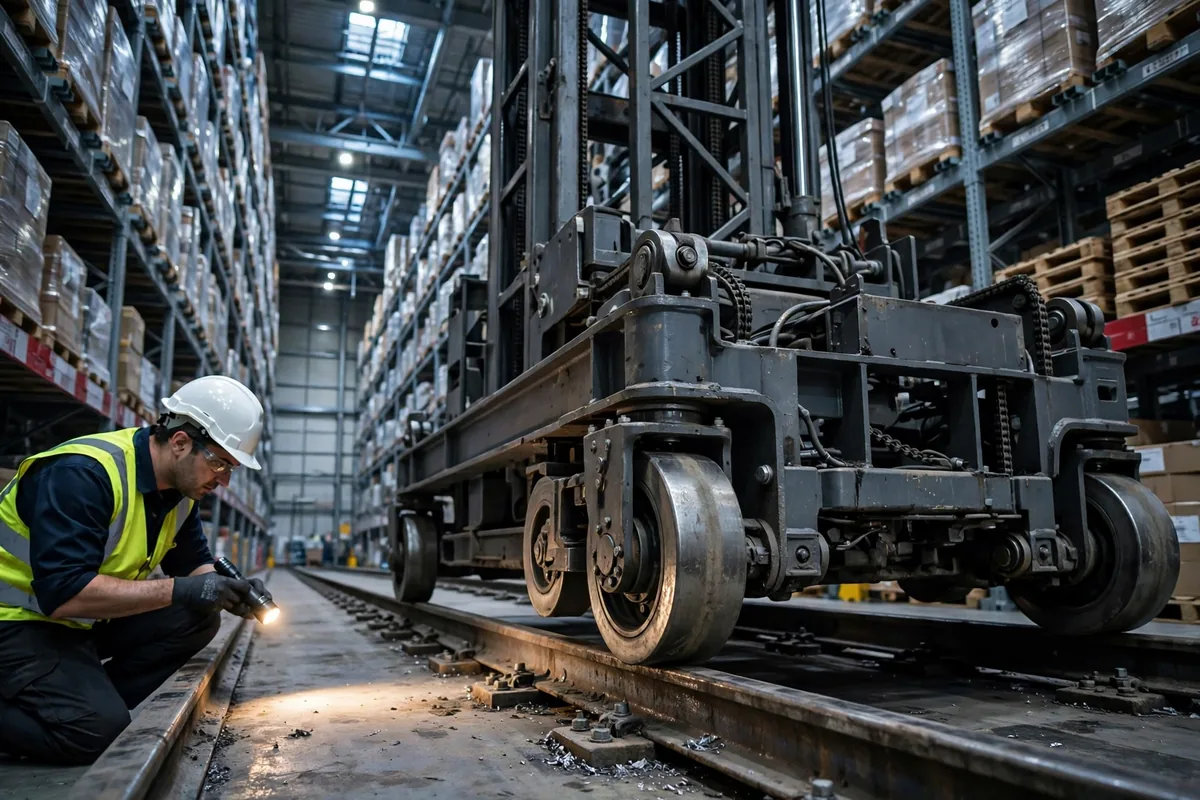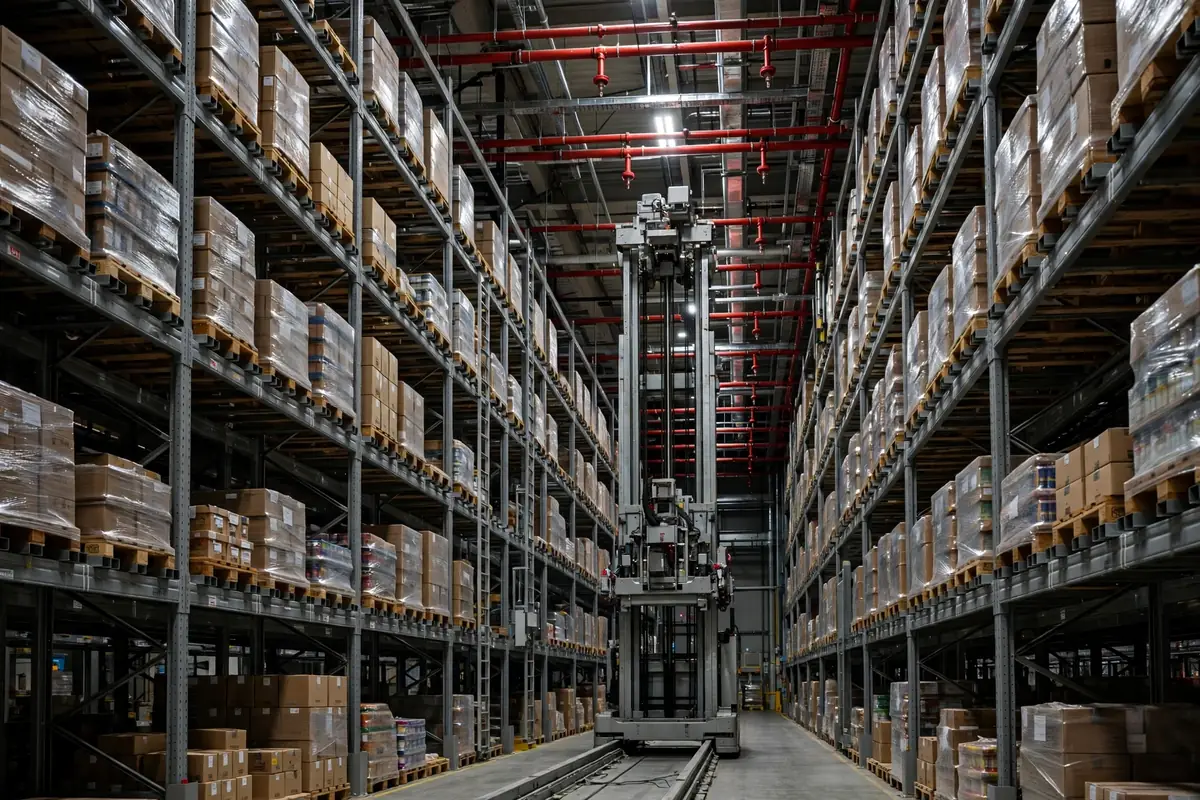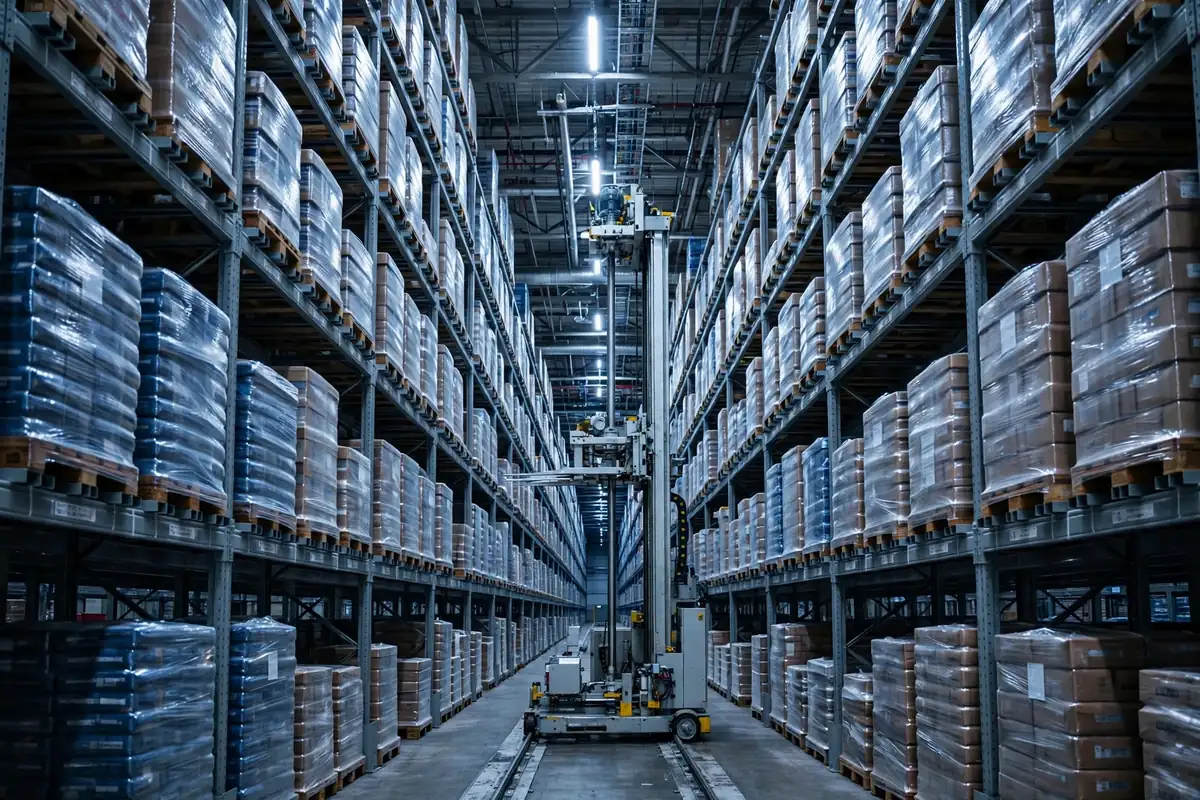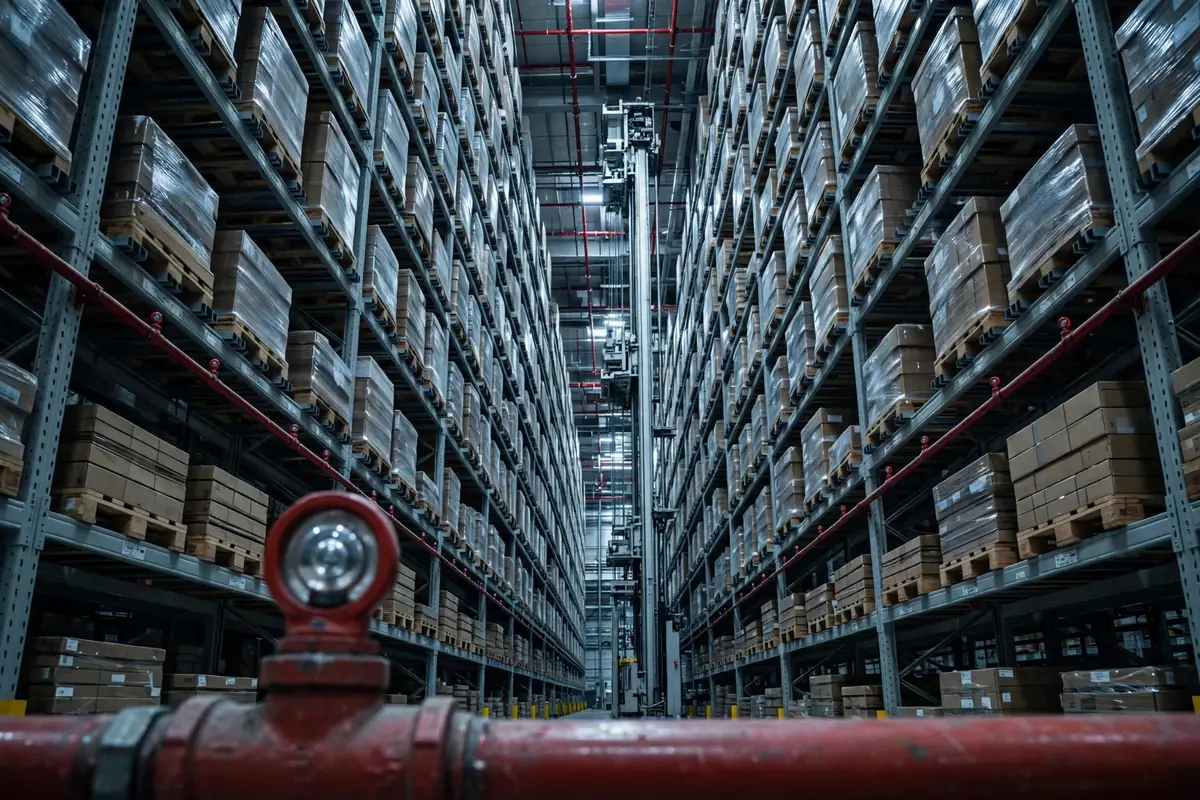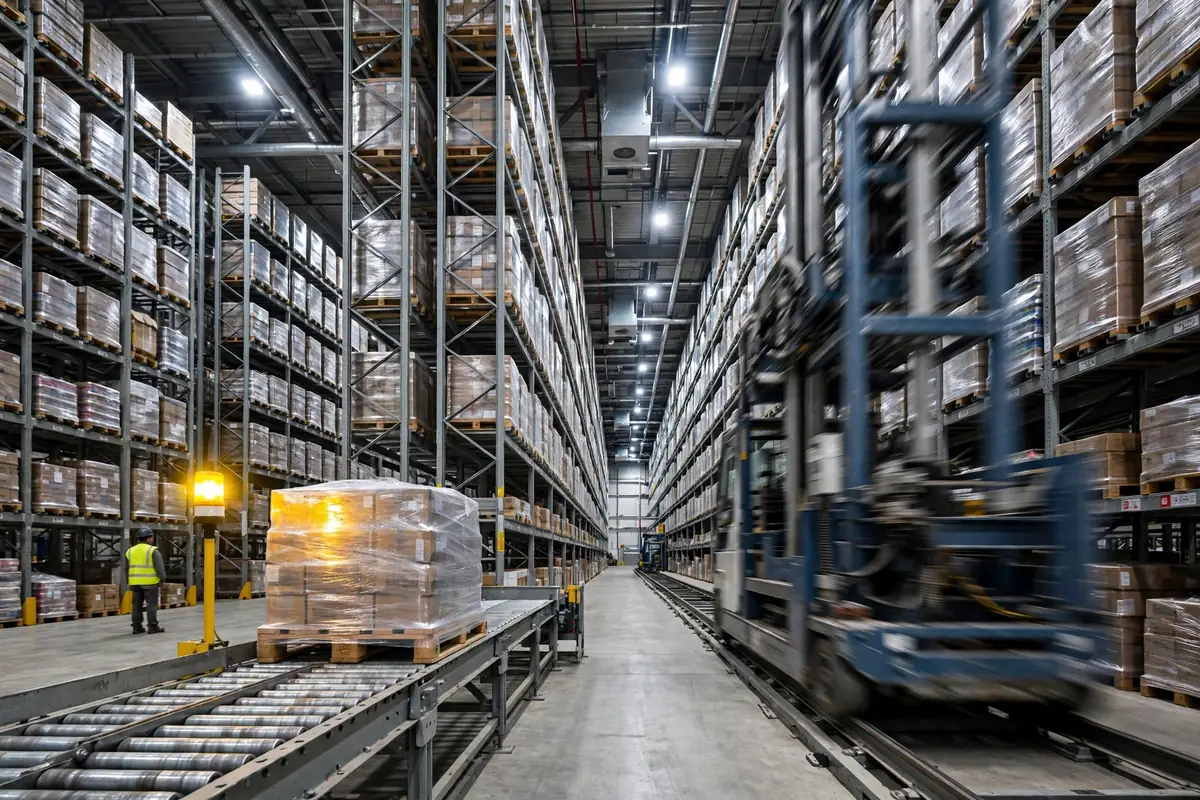
It was 2 a.m. when the amber beacon at the ASRS inbound dock lit up and a pallet stopped dead at the rejection lane — the kind of moment ASRS exception handling is supposed to cover. One corner of the load stuck out three centimetres past the pallet edge, and the dimension gate failed it on the spot. The whole inbound line backed up behind it. That is the most ordinary night-shift story in an automated warehouse — and the real problem is rarely the pallet itself. The real problem is that nobody has written down the rejection playbook: where the pallet goes, who handles it, how fast it must be cleared, and what happens when it is not. Without that playbook, one rejected pallet can drag down a full night of inbound throughput.
Think of it like airport security. You do not tear down the checkpoint because someone shows up with an oversized bag; you build a secondary screening lane so exceptions have somewhere to go without blocking the main queue. An ASRS works the same way. Exception handling is not about how expensive your equipment is. It is about whether the rejection logic is clear.
ASRS Exception Handling: Rejected Pallets Come in Three Kinds
First, split the concept apart. Pallets that get stopped at the inbound dock fall into roughly three groups, and handling them all the same way is asking for trouble.
The first kind is oversized. The pallet is too tall, too wide, too heavy, or the load overhangs the pallet edge. The dimension gate catches it instantly, and this kind should never enter the aisle — inside, it means hitting racking or jamming the stacker crane. The fix is the only one available: pull it off, reshape the load or swap the pallet by hand, and send it through inspection again. Do not wave through a load that is "only a little bit over". The clearance between a crane fork and a rack beam is measured in millimetres. What looks like "a little bit" to your eye is a collision twenty metres up.
The second kind is the unreadable code. The pallet barcode is dirty, torn, stuck on crooked, or half-covered by stretch film. The system cannot tell whose goods these are, so it refuses to store them. This is the most common kind, and also the most unfair — the goods are fine, and a label is what failed them.
The third kind is a bad pallet. A wooden pallet with a broken board, a plastic pallet with a crack, a pallet whose feet are worn down so far that it slips on the conveyor. This one is the easiest to miss, because it looks fine at the inbound dock and only causes trouble once it is inside the aisle. I have seen a warehouse drop one pallet a week for three straight weeks before anyone traced it back to the same batch of old pallets with worn feet — every time the conveyor sped up, the pallet shifted.
The cost of handling the three kinds differs a lot. The figures below are a hypothetical worked example for one pallet, not industry standard values:
| Exception type | Handling action | Time (worked example) | Second inspection needed |
|---|---|---|---|
| Oversized load | Reshape load or swap pallet by hand | 15–25 minutes | Yes |
| Unreadable code | Clean or reprint the label | 3–5 minutes | Yes |
| Defective pallet | Swap pallet, restack goods | 20–30 minutes | Yes |
The lesson is plain: unreadable codes are the cheapest to fix, defective pallets the most expensive. So the first lever in pallet rejection is not a pricier scanner. It is driving the unreadable-code rate down first — how labels are printed, where they are stuck, how the stretch film is wrapped. Writing those three things into the work instruction does more than upgrading a scanner.
Unreadable Codes: Check the Label, Then the Light, Then the Machine
When unreadable codes pile up, most people's first instinct is to replace the scanner. That instinct is half right and half wasted money.
Here is a case I worked on myself. In the autumn of 2024, an e-commerce warehouse in eastern China had been running its ASRS for two months, and the unreadable-code rate would not come down. The floor team blamed the equipment every day. The integrator spent three days on site and finally found the problem in a brand-new LED lamp above the inbound dock — mounted at an angle that threw glare straight across the barcode surface, so the scanner could not read it at certain hours. They moved one lamp, and the failure rate dropped the same day. It is like taking a blurry photo: before you blame the camera, check whether you are shooting into the light.
My troubleshooting order for unreadable codes never changes. Check the label itself first. Is the print sharp? Is the ribbon nearly used up? Is the label stuck in the same place every time? Then check the light and anything blocking the view. Is the stretch film covering the bottom edge of the label? Is dust from passing forklifts coating the lens? Only then check the equipment: scanner angle, focus, trigger mode.
There is another trap: label positions that nobody standardised. Hand labelling without a fixed rule — "short side of the pallet, 30 centimetres off the floor" — means ten people stick labels in ten places, and no scanner, however expensive, can keep up with that kind of randomness. Fixed station, fixed height, fixed orientation. Get those three right and the unreadable-code rate gets cut at least in half. To put a number on it: a warehouse receiving 800 pallets a day that cuts its unreadable-code rate from 3% to 1% clears 16 fewer exception pallets a day, and at five minutes each, that frees up more than an hour of labour daily.
The Real Cost of ASRS Exception Handling: One Number Decides Whether It Is Worth It
Here is the counterintuitive part: handling rejected pallets faster is not always better, and running a stricter gate can actually cost less.
Many people think every pallet the gate stops is extra trouble, and that loosening the rules a little would make life easier. That is not how the maths works. One oversized pallet that gets into the aisle can jam a crane and stop a whole aisle for half an hour — or worse, knock a rack beam and drop goods onto the level below. One repair like that costs more than handling hundreds of rejected pallets. Strictness at the gate buys stability inside the aisle. You have to count the total bill, not just the few minutes at the dock.
So is the money worth it? Watch one number: the closed-loop time from rejection to re-inspection. From the moment a pallet is judged an exception and slides onto the rejection lane, to the moment it is fixed and passes inspection again, the loop should close within 30 minutes. Past 30 minutes, the rejection lane starts to pile up; past three pallets waiting, the inbound line has to slow down. You can think of the rejection lane as the warehouse emergency room — there are only so many beds, and if patients stay too long, new ones cannot get in.
My advice is concrete. First, keep at least two stations at the rejection lane: one for pallets being fixed, one for pallets waiting for re-inspection, so a pallet under repair never blocks a new arrival. Second, set a 30-minute escalation rule: if a pallet is not cleared in time, it goes to the shift lead, who has the authority to stop upstream arrivals and clear the backlog before taking new goods. Third, pull the cause breakdown every week. Too many oversized loads — go and fix the supplier's palletising standard. Too many unreadable codes — go and fix the labels and the lighting. Too many defective pallets — go and fix pallet purchasing. A rejected pallet is a mirror: it shows you what is wrong upstream.
One thing you can do tomorrow morning: stand at the inbound dock for half an hour and count how many pallets get rejected, why each one failed, and how long each took to clear. Write down those three numbers and you will know exactly where your exception handling is losing money.
By Da Liu, Automation Engineer