We run a small warehouse, 3,000 square meters, and I say this all the time: we cannot afford to burn that kind of money. It is not about being cheap. It is about the fact that one fire would end us, which is why I started paying attention to asrs fire sprinkler protection warehouse design.
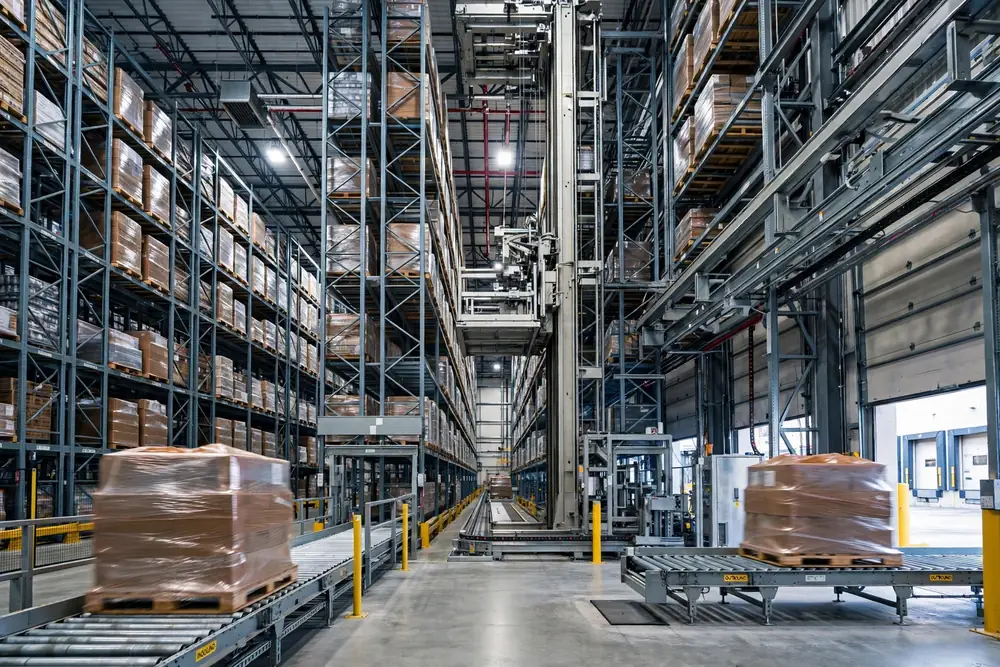
We do not even own an ASRS. But last fall I toured a friend's automated warehouse, 12 meters tall, with stacker cranes gliding down the aisles faster than my scooter. My first thought was not how cool it looked. It was: if this catches fire, how does anyone put it out? My friend just laughed, bitterly. Inspection had been stuck for two months, all over the sprinklers. They had big heads on the ceiling, and the fire inspector took one look and said the water would never reach the middle racks. I have remembered that sentence ever since.
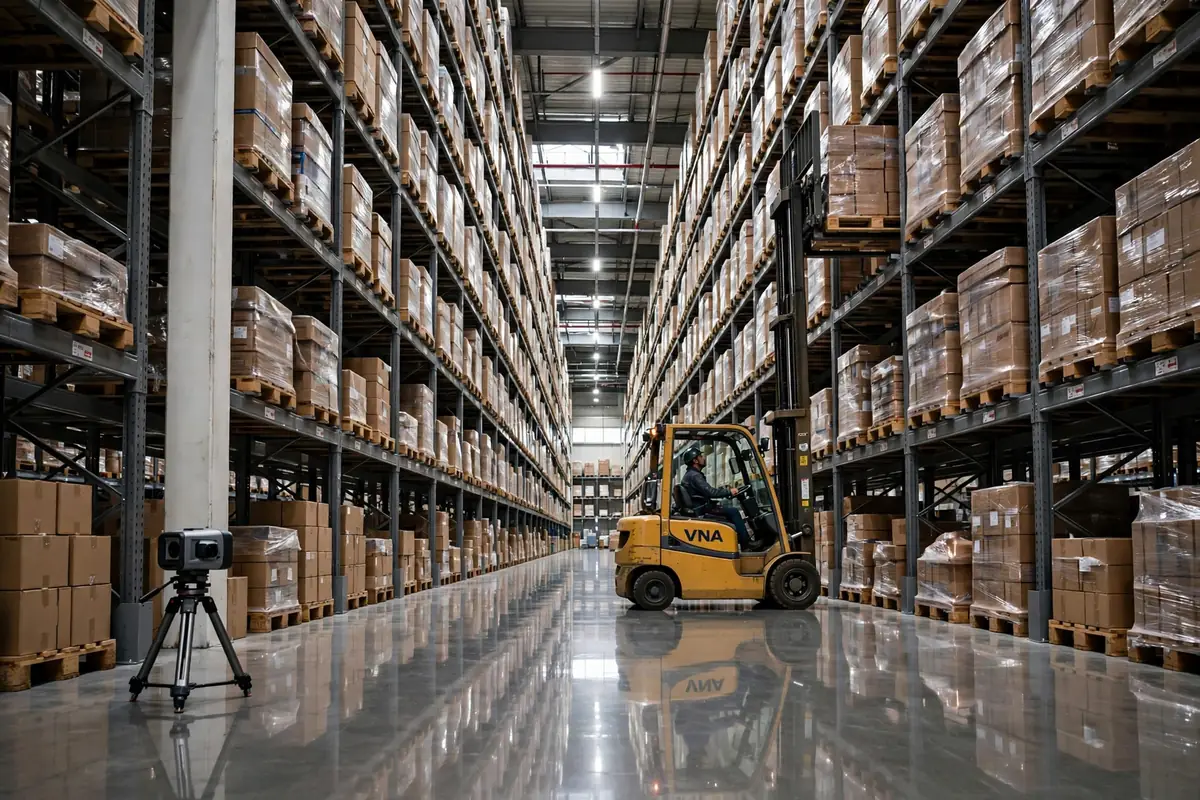
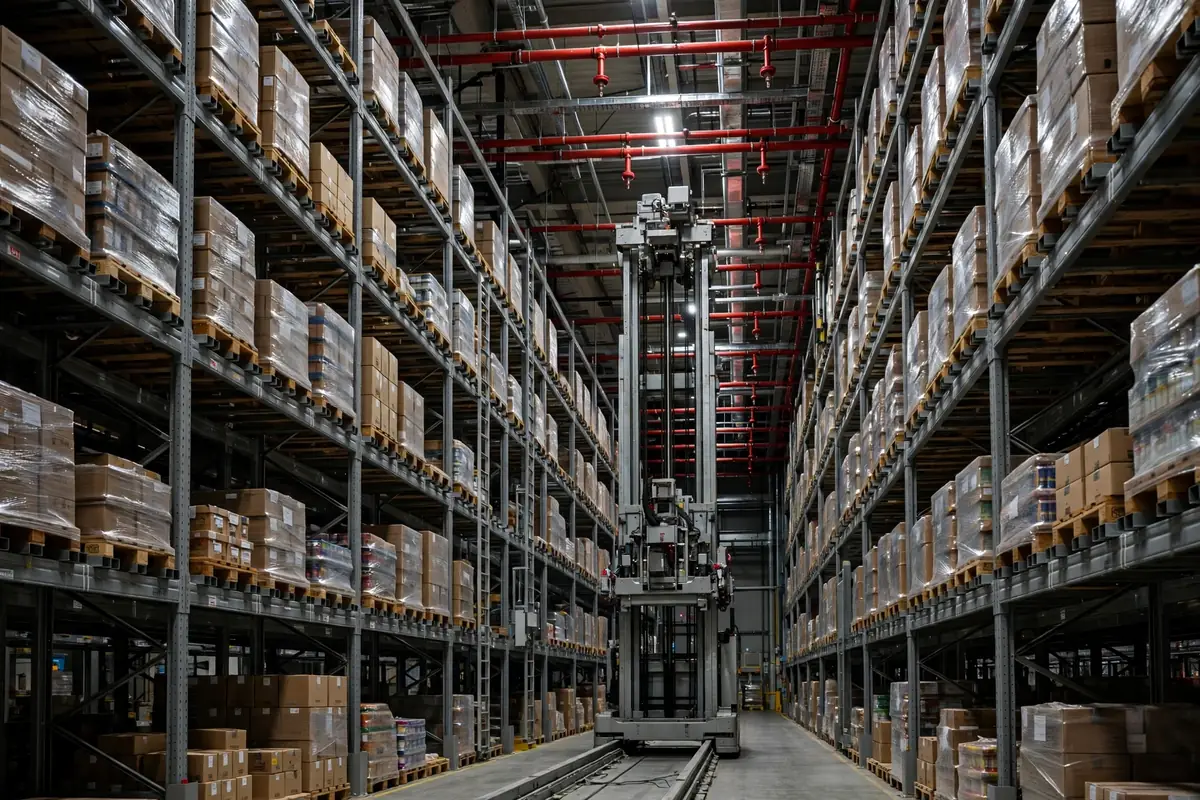
Here is the thing about asrs fire sprinkler protection warehouse design: it is a different game from a normal warehouse. In a normal warehouse the stacks are low, and water from the ceiling mostly gets where it needs to go. In an ASRS, racks are stacked layer on layer, and pallets and cartons block the water like a roof. The ceiling heads can be the best money can buy, and the water still runs out by the third level while the lower levels burn dry. So what is the point of those heads? On inspection day, they earn you a certificate. On fire day, the fire does not care about your certificate.
ASRS Fire Sprinkler Protection Fails When Water Can't Reach the Fire
Let me tell you a real story. In October 2025, a home-goods warehouse east of Los Angeles finished a new ASRS, 12 meters high, eight levels of racking. On inspection day, the fire inspector climbed up and found the flue spaces blocked. Workers had stuffed a few cartons of returns into the vertical gaps between the racks. Those gaps exist so water and smoke can travel down. Stuffed full, the water could not get down and the smoke could not get out. The fix took three weeks: move the returns, clear the flues, add a level of in-rack sprinklers. My friend told me later that for those three weeks the rent kept coming, the payroll kept coming, and the ASRS sat idle earning nothing.
That is the lesson: in an ASRS, the flue space is a lifeline. Racks need clear longitudinal flues between rows and clear transverse gaps between levels. The codes set widths for these gaps, and the exact numbers depend on your local fire design and the latest standard, so check with your designer rather than trusting any article, including this one. The principle is simple, though: a flue is not wasted space. It is the road water travels on. Block it today to squeeze in 20 more pallet positions, and inspection day can force you to clear 200.
There is another easy place to trip up: clearance under the heads. In-rack sprinkler deflectors need at least 6 inches, about 15 centimeters, of clear space above the top of the tier below them. Pile the goods too high and the deflector gets buried. The head opens, the water lands on top of your own cartons, and everything below keeps burning. During peak season, who remembers to measure that? Our cheap trick in my little warehouse is a wooden stick painted red, exactly 15 centimeters long, kept by the racking. The forklift driver holds it up while stacking. If the goods pass the stick, they come back down. It is crude. It works.
ASRS Fire Sprinkler Choices: ESFR or In-Rack? Ask Three Questions First
ESFR sounds impressive, and it is. One head on the ceiling can suppress a fire from above, no pipes inside the racks. Plenty of owners hear that and fall in love, because it sounds simple. But ESFR is picky.
Under NFPA 13, an ESFR deflector needs at least 36 inches, about 0.9 meters, of clearance to the top of storage. Each head covers at most 100 square feet, around 9.3 square meters, and heads sit 8 to 12 feet apart. If your building is tall enough, the goods sit far enough below the ceiling, and the racks are open-frame with no solid decking, ESFR is a beautiful fit. But the moment you add solid shelf decking, or the top of storage creeps too close to the ceiling, ESFR is off the table, and you are back to in-rack sprinklers. A solid shelf blocks water exactly the way a ceiling full of cartons would.
Here is the counterintuitive part: the most expensive head is not the safest choice. A single ESFR head costs much more than a standard head, but it saves the pipes, valves, and labor inside the racks. In-rack heads are cheap one by one, but the piping and installation add up fast. And the real money often is not in the heads at all. It is in the water. ESFR is thirsty. It needs bigger pumps, bigger tanks, bigger pipes. Plenty of warehouses swap in ESFR heads and only then discover the water supply cannot keep up, and the pump and tank upgrade costs more than all the heads combined. My advice is to ask your fire designer to run the water calculations before you pick a scheme. Once the water math is clear, the head math starts to make sense.
The numbers below are a hypothetical worked example. I made the prices up to show the structure, not to quote the market. Assume an ASRS with 8,000 pallet positions, 12 meters high. Option one, ceiling sprinklers plus in-rack: about 600 heads at an assumed 300 per head comes to 180,000; piping and installation at an assumed 450,000; total 630,000. Option two, ESFR from the ceiling: about 150 heads at an assumed 1,200 per head comes to 180,000; pump and tank upgrades at an assumed 500,000; total 680,000. Look at that: the head money is identical on both sides. The difference is water versus piping. Which option is cheaper depends on your building, not on the head price list.
Check It Yourself Before the Inspector Does
My little warehouse has no ASRS, but I still walk the fire checklist every year. The reason is simple: fire protection costs nothing on a normal day and everything on a bad day. From my friend's three-week delay, I picked up a few checks anyone can do before inspection.
First, walk the flues. Take a flashlight, walk from one end of the racking to the other, and look at the vertical gaps and the horizontal clearances. If anything is blocked, photograph it, send it to the group chat, and clear it the same day. Clearing a gap costs an hour of labor. Failing inspection costs weeks of rent.
Second, measure the clearances. Fifteen centimeters under an in-rack deflector, 0.9 meters under an ESFR head. Use a stick. Peak season is no excuse, because fire does not recognize peak season.
Third, ask about the water. Get the hydraulic calculations from your fire designer and ask, in plain words, whether the existing pumps and tanks are enough. Ask before the heads go in, not after.
Fourth, keep records. Photograph every check, note the date, keep a before and after shot for every fix. If something ever goes wrong, those records show you did your part. With luck, you will never need them.
One more thing people forget: the stacker cranes and conveyors run on electricity, and cables and motors are ignition sources themselves. Fire design covers water, but you still have to mind the power. Keep cable runs off the racking, clean dust off the motors on a schedule. It costs nothing except someone remembering to do it. The advantage of a small warehouse is that everyone knows whose job that is. In a big warehouse, the more people there are, the thinner the responsibility gets spread.
In the end, asrs fire sprinkler protection warehouse work is not a contest over who buys the priciest heads. It is about who does the boring work properly: the water supply, the flue spaces, the clearances. The big-company playbook runs into the millions, and my little warehouse cannot copy it and does not need to. Keep the flues open, measure the clearances, get the water math straight, and inspection gets two months shorter and sleep gets a lot easier.
Small warehouses have their own way of surviving. On fire protection, that way has exactly one rule: do not gamble.
By Xiao Ma, Small Warehouse Owner