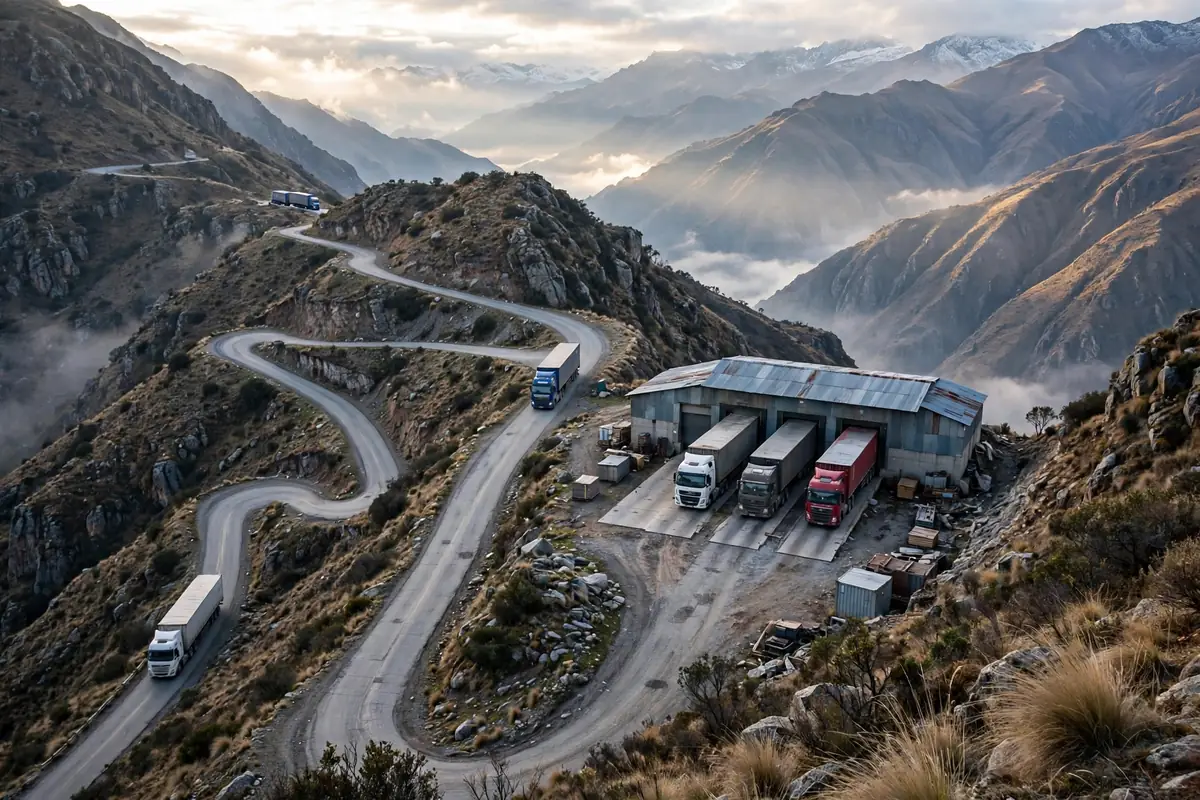
Let me tell you straight: andes cross border trucking warehouse handoff looks like one line on a map, but on the ground it is all switchbacks. Chile to Argentina, Peru to Chile — the truck is not cruising flat highway, it is climbing mountain passes several thousand metres up. On the plains, two hours late is a delay. In the mountains, two hours late can mean a night at a border warehouse and a whole day of dock appointments reshuffled.
After fifteen years out there, what scares me is not distance. It is a load that arrives and a warehouse that cannot receive it: no appointment, paperwork that does not match, a seal number copied wrong. Nine times out of ten, the truck did nothing wrong. The handoff was never agreed in advance.
Andes cross border trucking warehouse handoff starts with season and altitude, not kilometres
Picture a load leaving a warehouse near Santiago, Chile, bound for a receiver near Mendoza, Argentina. In summer, a driver can plan to cross in a day and unload the next. In winter, a pass can close for weather with little warning — always check the latest local rules and real-time pass notices — and the truck waits at a staging point below the pass. Quote a summer transit time in winter and you will miss, guaranteed.
Altitude works on trucks the way it works on people. Engines lose punch, older trucks run hot on the climb, and brakes need respect on the long descent. Before the climb you check coolant; before the descent you check brakes. I once watched a young driver push hard to make up time, cook his brakes on the way down, and sit half a day in a runaway ramp area. The freight survived. The schedule did not.
So build the transit time in segments: origin warehouse to the border, border waiting and inspection, then border to the receiving warehouse. Here is a purely illustrative calculation — every number is an assumption, only the method matters: say 10 hours for the lowland leg, 8 hours for the mountain leg, half a day to a full day reserved for border handoff, plus one extra buffer day in winter. Add the pieces and negotiate from that table. A customer who sees the segments stops arguing about the total, because they can see exactly where the time goes.
Border warehouses, reloading, and staging: the middle of the andes cross border trucking warehouse handoff
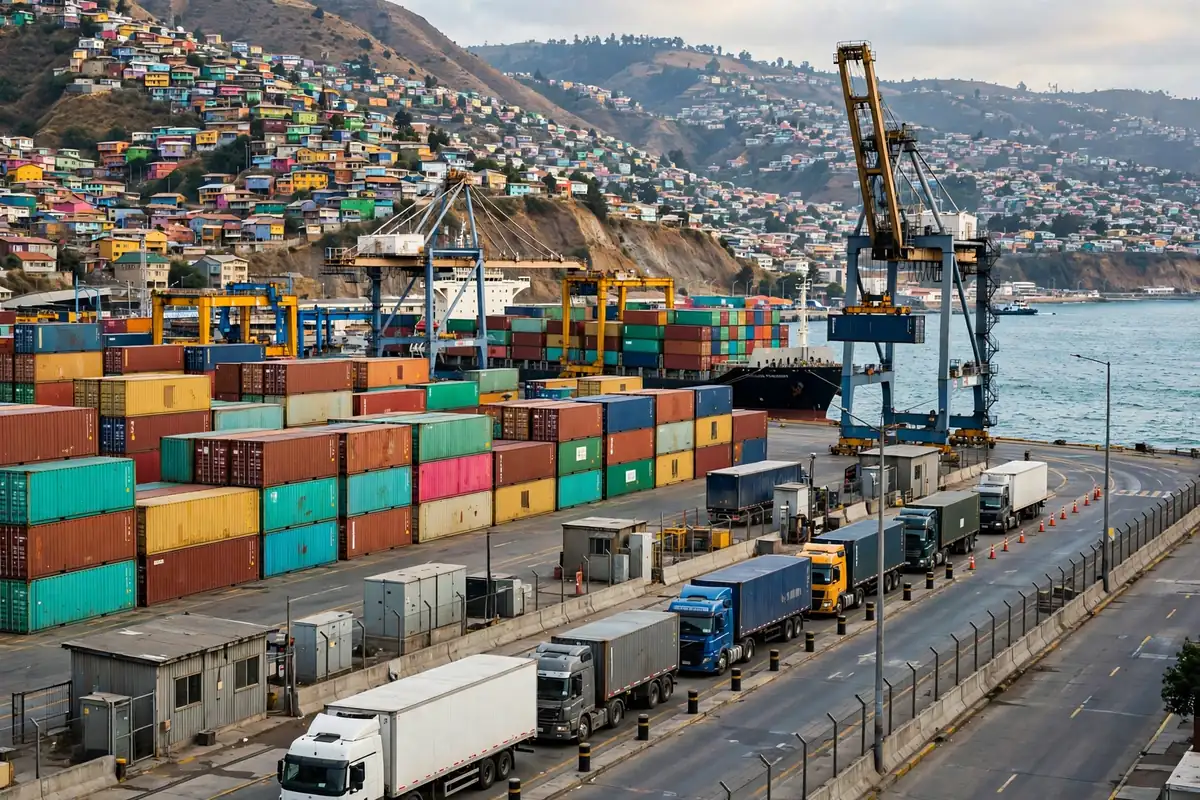
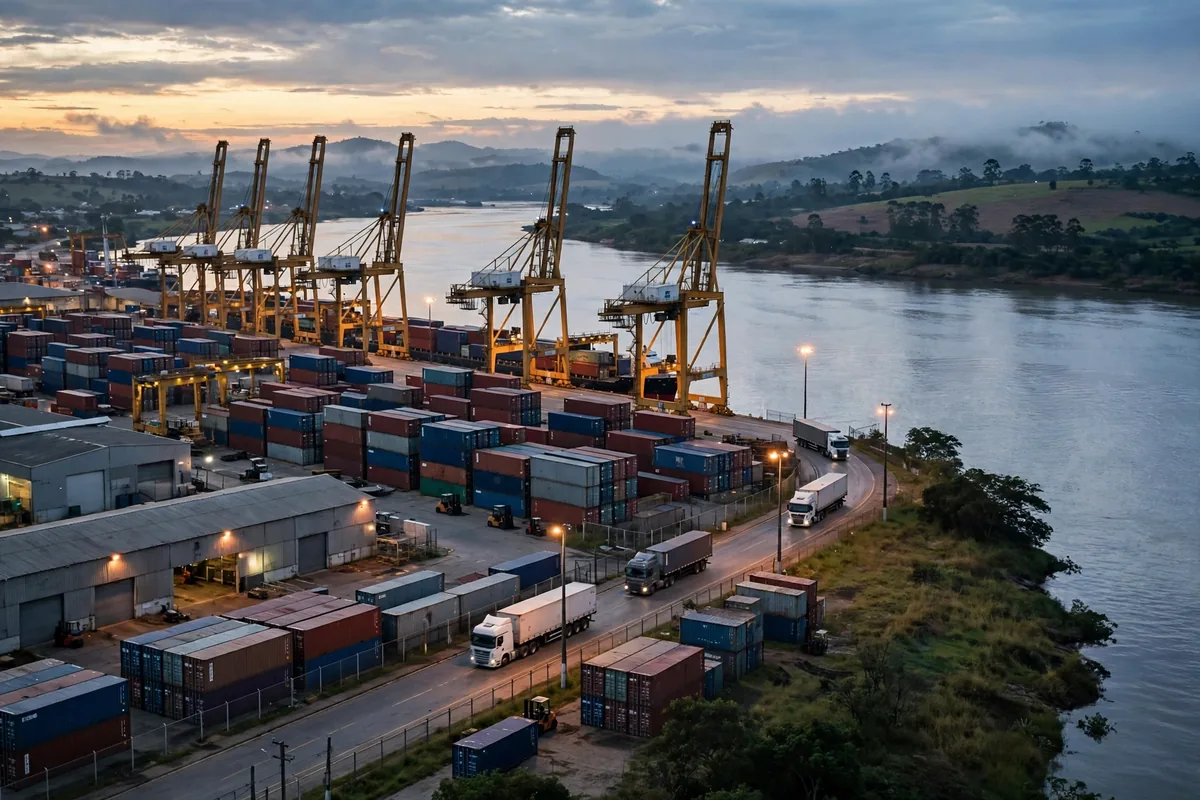
Mountain cross-border work often runs through a border warehouse. The first truck drops the load, it is staged, and a second truck — with a driver who knows the far side best — takes it onward. Why the extra handling? Three reasons. Pass windows are unstable, so freight needs a roof while trucks wait. Drivers and equipment are usually organised by country and segment, so each leg gets the crew that knows it. And document checks take time; freight waiting inside a warehouse is cheaper than a truck and driver waiting at a checkpoint.
I remember one evening arrival at a border warehouse with the pass closed until morning. The warehouse lead did not rush. He matched plates and seal numbers, moved pallets into marked staging lanes, photographed everything, and signed the receiving time on the paperwork. Next morning the onward truck verified the seal and the count before loading a single pallet. No drama, but every step had a name and a time on it. That is the whole secret: reloading is safe, untracked reloading is not.
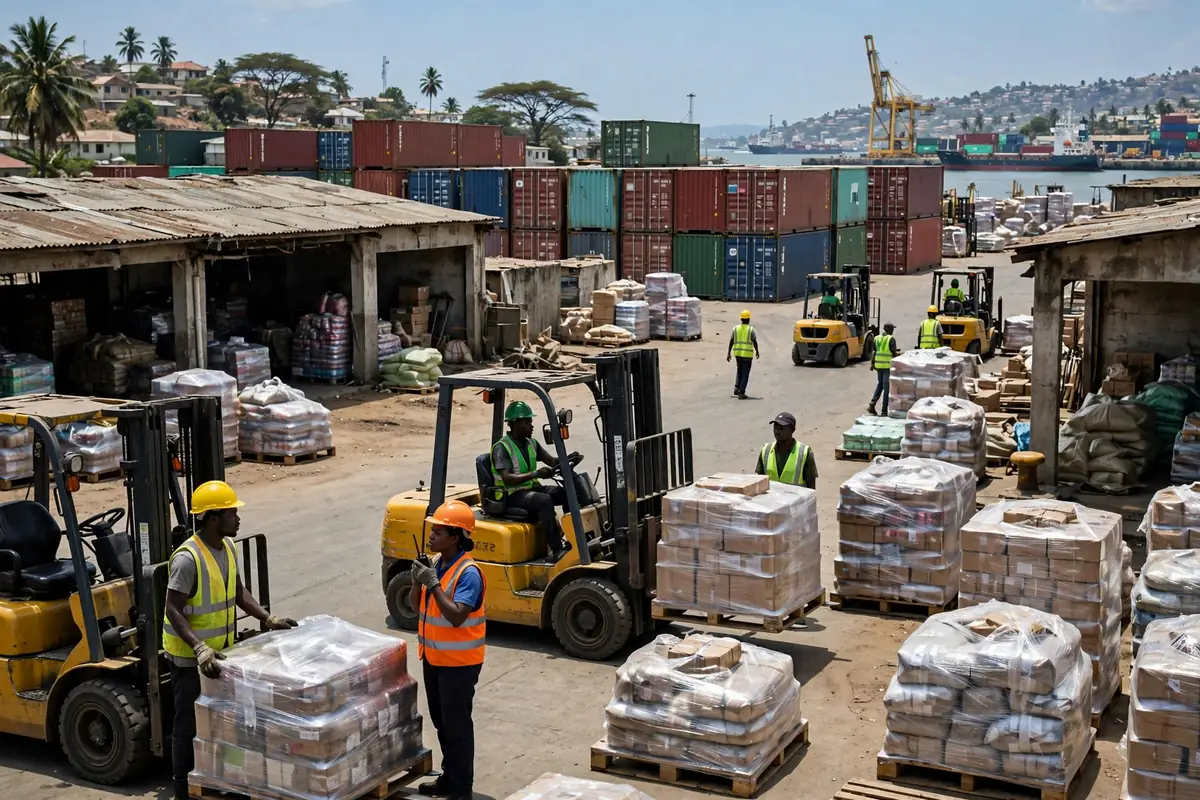
Three staging rules I push on every warehouse: stage by destination so loading crews never dig; hang a big tag on every pallet with the original truck number, destination, piece count, and seal number, readable by flashlight; and count overnight freight morning and evening, reporting the count to everyone in one message thread. Simple, but mountain mobile signal comes and goes, and simple survives.
Here is the counterintuitive part: a night in the border warehouse can make the total trip faster. Owners panic when freight sleeps in a warehouse, yet a truck waiting at a closed pass burns fuel, tires the driver, and leaves freight sitting in an uncontrolled trailer. Staged freight is watched, documented, and ready to roll the moment the window opens.
Paperwork and appointments: fix it while the truck is still rolling
I will not quote specific duties or border fees — they vary by crossing and change over time, so treat the latest local rules as the only source. What I can teach is the checking routine. The classic failures are small: counts written in pallets but received in cartons, one digit wrong in a seal number, an old delivery address on the paperwork. Discovered at the dock door, they turn unloading into a three-way phone argument.
The routine that fixed it for us is three checkpoints. At departure, the origin warehouse sends document photos and seal numbers ahead, and the receiving warehouse pre-checks them while the truck is still rolling. At the border warehouse, count and seal are verified again during reloading. Two hours before arrival, the driver calls in position and the warehouse sets the dock and forklift. Pass all three and unloading takes half an hour. Skip one and it can take half a day.
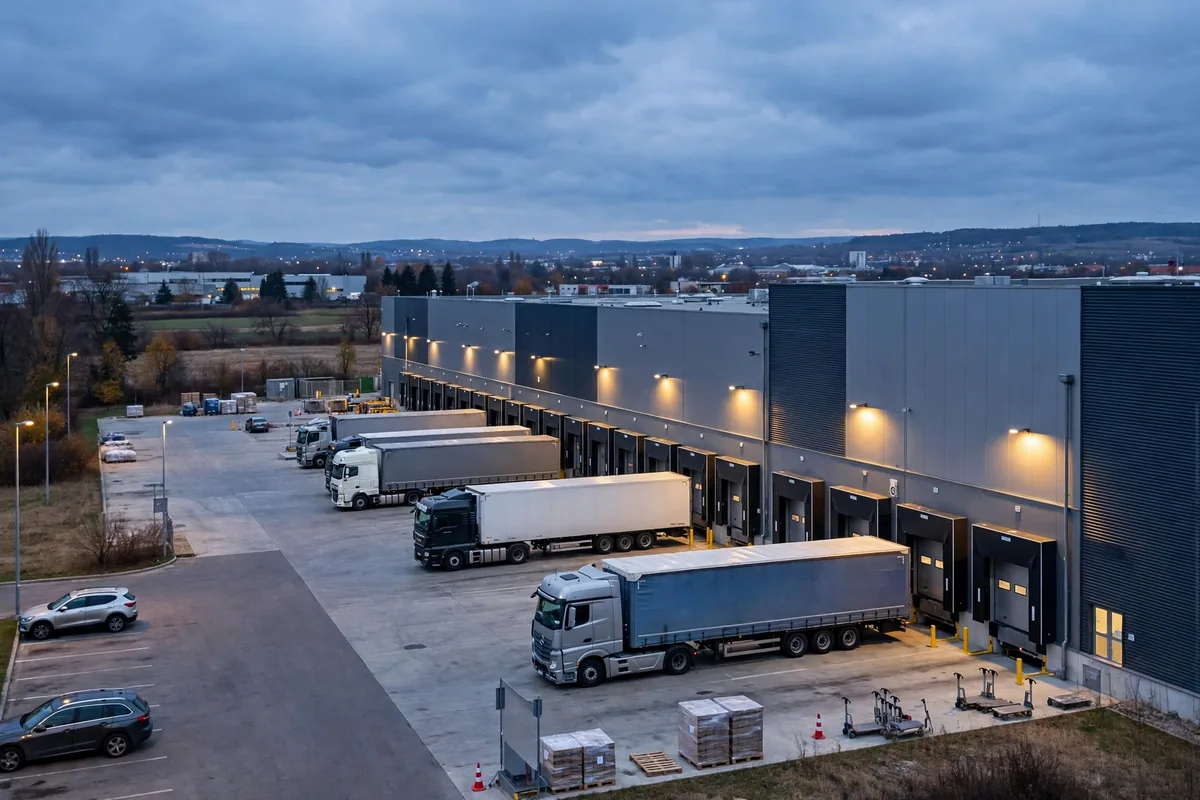
Appointments need the same realism. A mountain arrival is a window, not a minute. Book the window, and have the driver report at fixed points — departure, border in, border out, final leg. The warehouse sees movement and holds the dock; the driver knows the dock is held and stops fighting for position.
| Handoff step | Flatland habit | Mountain cross-border habit |
|---|---|---|
| Transit promise | One arrival time | Segmented times, arrival window |
| Document check | At the dock | Departure, reload, pre-arrival |
| Staging | Any empty corner | Lanes by destination, tagged pallets |
| Exceptions | Phone tag | Fixed-point reports in one thread |
Plain advice for shippers and warehouses
Three closing points. Judge a carrier by whether they have actually run the pass, what their winter plan is, and which border warehouse they use — not by the cheapest quote. Warehouses: write your receiving rules on one page — mountain freight hours, seal checks, count by pallet or carton — and post it where drivers walk in. Shippers: never pressure a driver to run mountain roads at night to win back half a day. It is never worth it.
Mountains do not move for freight. Build the season into the plan, use the border warehouse properly, check the papers early, and book windows instead of minutes, and andes cross border trucking warehouse handoff becomes routine work. One leg at a time, one signature at a time.
By Shifu Zhao, Trucking Veteran (15 yrs)