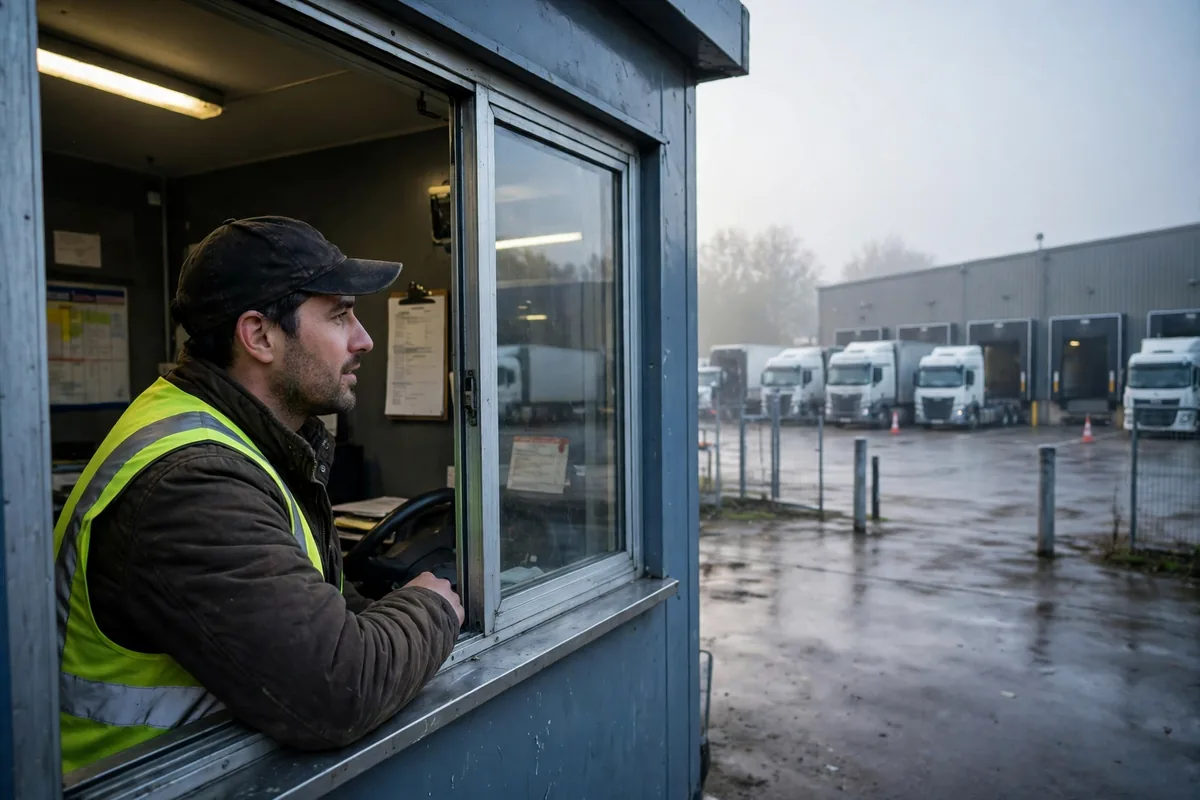
At 6:40 a.m. our Shenzhen warehouse is still half dark. Three cross-border trucks are already lined up outside the shutter door, and Driver Chen squats by the dock with a cup of cold tea, asking me to sign faster. In hong kong cross border warehouse trucking, he is right to hurry: miss the morning crossing window and the goods reach Hong Kong at noon, which means the afternoon container misses its connection. Honestly, he is in a hurry and so am I. After enough years on this job you learn this lane is not a race. It is a timing exercise. Half an hour of slippage in the morning unravels the whole day. Our warehouse runs it like this: stock is prepared in Shenzhen, trucks leave in fixed waves, and Hong Kong only holds what moves fast. Everything below was worked out shift by shift. Just what survived.
Hong Kong Warehouse Costs Versus a Shenzhen Base
Take one of our electronics customers. When we took over, all of his stock sat in a Hong Kong warehouse. The logic was simple: close to his buyers, fast to ship. But Hong Kong rent and labour are what they are, and stock that sits still burns money every day. So we changed the play. The bulk of his inventory moved back to Shenzhen. Hong Kong kept a small site as a pass-through point, and the night before each shipping day we trucked over what the next day needed. Shenzhen holds, Hong Kong hands over. The first month was rough. Paperwork lagged behind the trucks. One night at eleven I was in the warehouse with two of my crew, relabelling cartons while Chen waited downstairs in the cab, and nobody dared hurry anybody else. By the second month it settled. Looking back, that hong kong cross border warehouse trucking model worked not because it was cheaper on paper, but because it was steady. Which days run the big truck and which days run the small one is fixed in advance. Nobody improvises. One improvisation costs you three days of catching up.
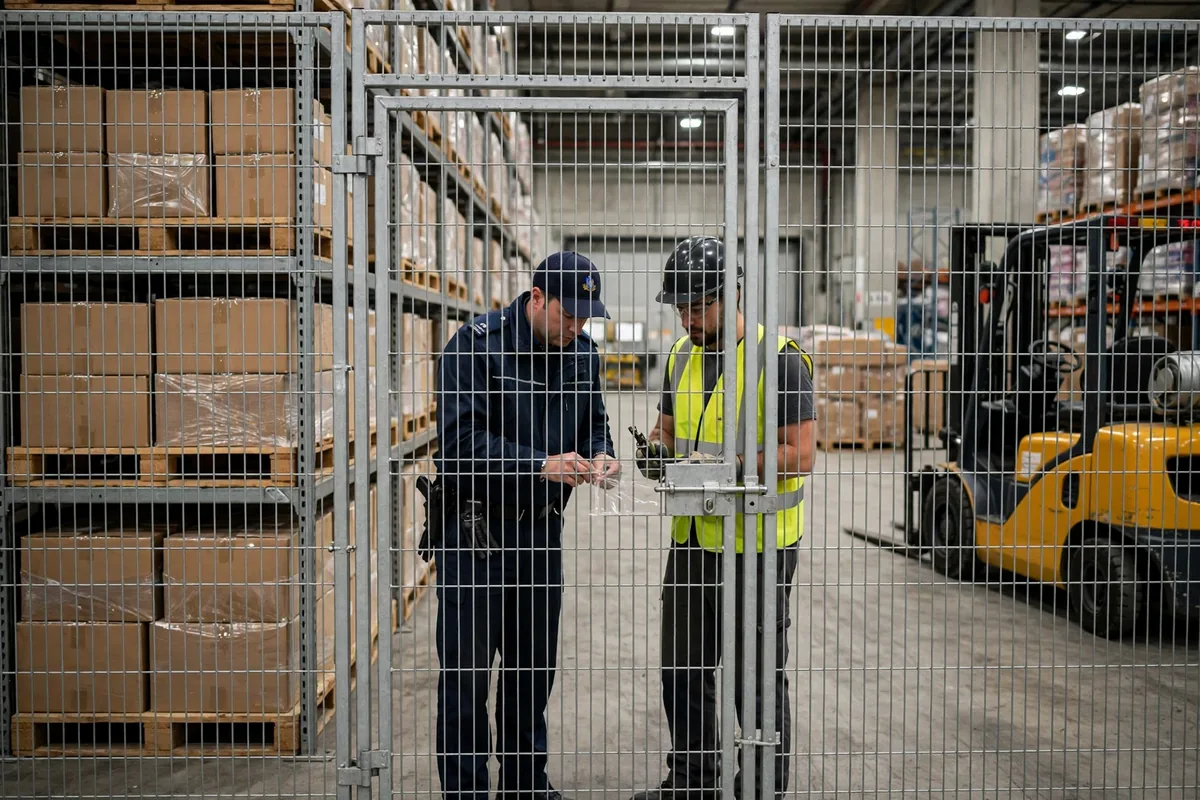
There is a bonded wrinkle worth knowing. Some goods move through bonded arrangements, in and out against documents, and one wrong document holds one whole load. Our rule: bonded stock gets its own zone and its own ledger, the documentation clerk reconciles everything the day before, and on shipping day the crew only loads. Nobody checks paperwork at the dock with a truck waiting. Day-return trucks need the same discipline on the way back. A truck that returns empty has charged its whole cost to the outbound load, so we plan the return leg too: signed receipts, returns, packaging materials. It sounds like small change. Cross-border money is made and lost in exactly this small change.
People ask me whether the Shenzhen-plus-shuttle model saves money, and I never give them a hard number, because volumes, product types and customer locations differ. I give them a hypothetical method instead: put the Hong Kong rent and labour you save on one side, and the extra trucking, documentation hands and night-shift cost on the other, then run it for a normal month and again for a peak month. Steadier, more plannable freight favours the shuttle. Fragmented freight with daily emergency orders does not, and for that freight an honest Hong Kong warehouse is the calmer choice. Neither answer is wrong. The freight decides.
| Comparison point | All stock in Hong Kong | Shenzhen base plus shuttle |
|---|---|---|
| Rent pressure | High, space is precious | Lower, bulk sits in Shenzhen |
| Labour | Expensive and hard to hire | Easier to roster |
| Shipping speed | Fast for local orders | Needs a day of preparation |
| Main risk | Idle stock burning rent | Border delays and paperwork |
| Best fit | Fast-moving, steady orders | Bulky, plannable inventory |
Cross Border Trucking Schedules Around the Crossing Peaks
Now the roster. Cross-border trucks fail in bunches. Every operator wants the early crossing, so everybody queues at the checkpoint and nobody moves. We run three fixed waves. The clock times differ by checkpoint, so I will give you the principle, not our hours. Wave one leaves before dawn, ahead of the commuter traffic. Wave two deliberately misses the morning peak, even if it means finishing loading a little later. Wave three is for the day's top-ups and urgent orders, and it leaves before dark, no exceptions. That wave chart hangs on the dispatch office wall. Drivers, warehouse crew and documentation clerks all read the same chart. Anyone adding an order answers one question first: which wave does it fit? If it fits none, it waits for the next one. Before that rule, the dock hosted a shouting match every day. Drivers blamed slow loading, the crew blamed late trucks, and the clerks caught it from both sides. The waves ended most of that. Honestly, a cross border trucking roster is not really about trucks. It is about people's tempers. Settle the tempers and the trucks settle themselves.
Disruptions get agreed in advance. An inspection hold that costs a truck a few hours at the border is normal life on this lane. Our rule: the driver reports his position the moment he reaches the checkpoint, the clerk warns the Hong Kong side early, and the receiving sequence gets reshuffled so other trucks unload first. Hong Kong receiving bays are few, and if every truck arrives in the same hour, the biggest dock in the world still jams. The two warehouses' rosters have to be read as one document. I have said that a hundred times. We learned it the hard way: Shenzhen dispatched to its own rhythm, Hong Kong received to its own rhythm, both sides were sure they were right, and the freight sat stranded in between. Now the two dispatchers reconcile the plan together every week.
Staffing the Line: Drivers, Clerks and the Night Shift
Peak season is a different animal. Last year we locked vehicle capacity with our carrier a full month before the peak. How much to lock? Here is a hypothetical method, labelled as such: take your average daily volume as the base and hold a margin above it, because spare capacity you do not use is cheaper than freight you cannot move. Every operation's margin differs. Do not copy another warehouse's number; copying gets people hurt. On staffing, this lane lives or dies on documentation clerks. One wrong character in the paperwork can cost a truck an extra round of waiting at the border. Our clerks work old-hand-plus-newcomer: the veterans own the customs documents and every exception, newcomers run only the fixed handovers and receipt chasing, and in peak season newcomers never touch an urgent order. The night shift matters just as much. Cross-border trucks come back late, and freight that nobody receives sits on the dock and poisons the next morning. We keep a fixed night crew for returning trucks and next-day preparation. Its lead hand is one of the brothers who relabelled cartons with me that first month. He runs a tighter crew than I do.
Drivers deserve a word of their own. A cross-border driver's day is measured in crossing windows, not in your loading speed. We keep a rest corner for them: hot water, chairs you can actually lie back in. Do not underestimate that. A driver who rests well at your dock answers your call first when an urgent load comes up. Every wave also carries a spare vehicle and a spare driver. Most days they look idle. The day an inspection, a breakdown or a document error lands, that spare rig is the thing that saves the schedule, and a crew that knows there is a backstop works calmly.
One last word to fellow operators. With hong kong cross border warehouse trucking, do not start by comparing who quotes the cheapest truck rate. The cheapest carrier is very often the first to drop your freight in peak season. Look at three things: a fixed fleet of dual-plate vehicles with experienced drivers, a named person who gives you a straight answer by a stated time when something breaks, and a documentation team that takes orders from the same dispatch as the trucks. In our years on this lane we have kept one rule above the rest: stability costs more than cheap, and it is worth more than cheap. Do the planning early, say the hard things early, and when the truck reaches the border, nobody panics.
By Chen Feng, Warehouse Operations Manager