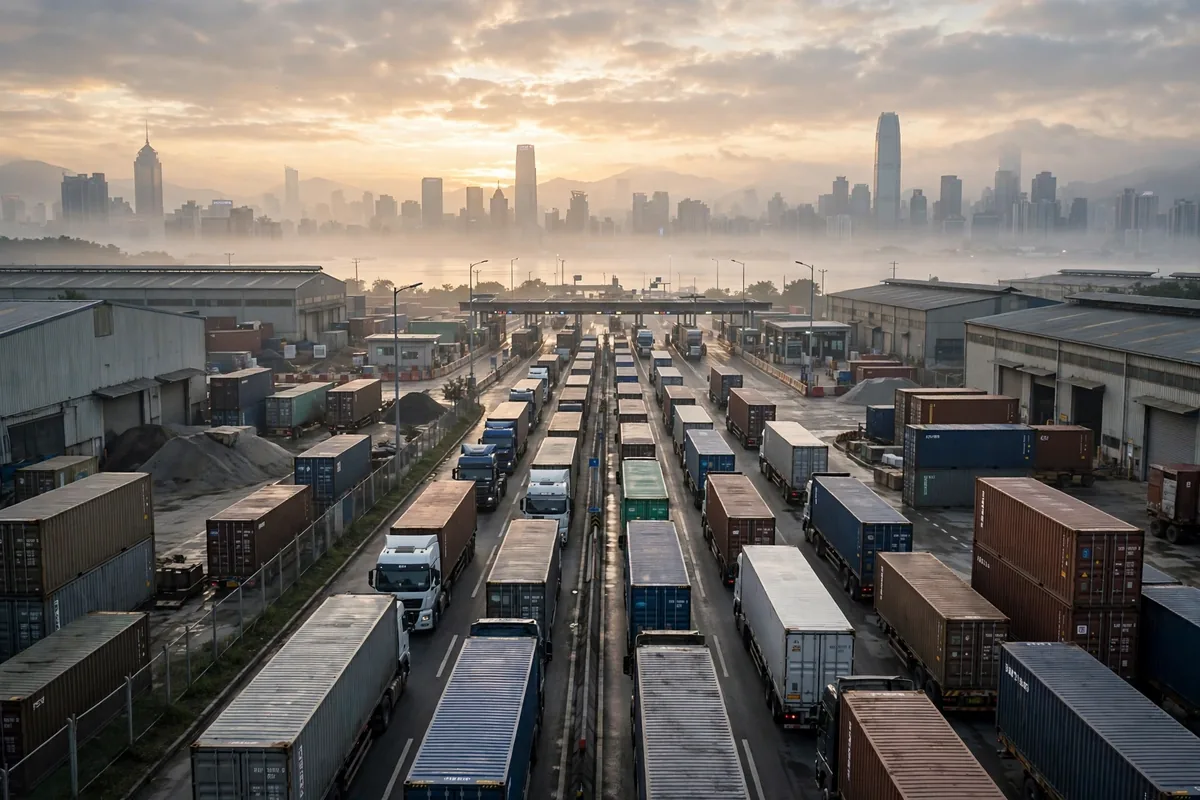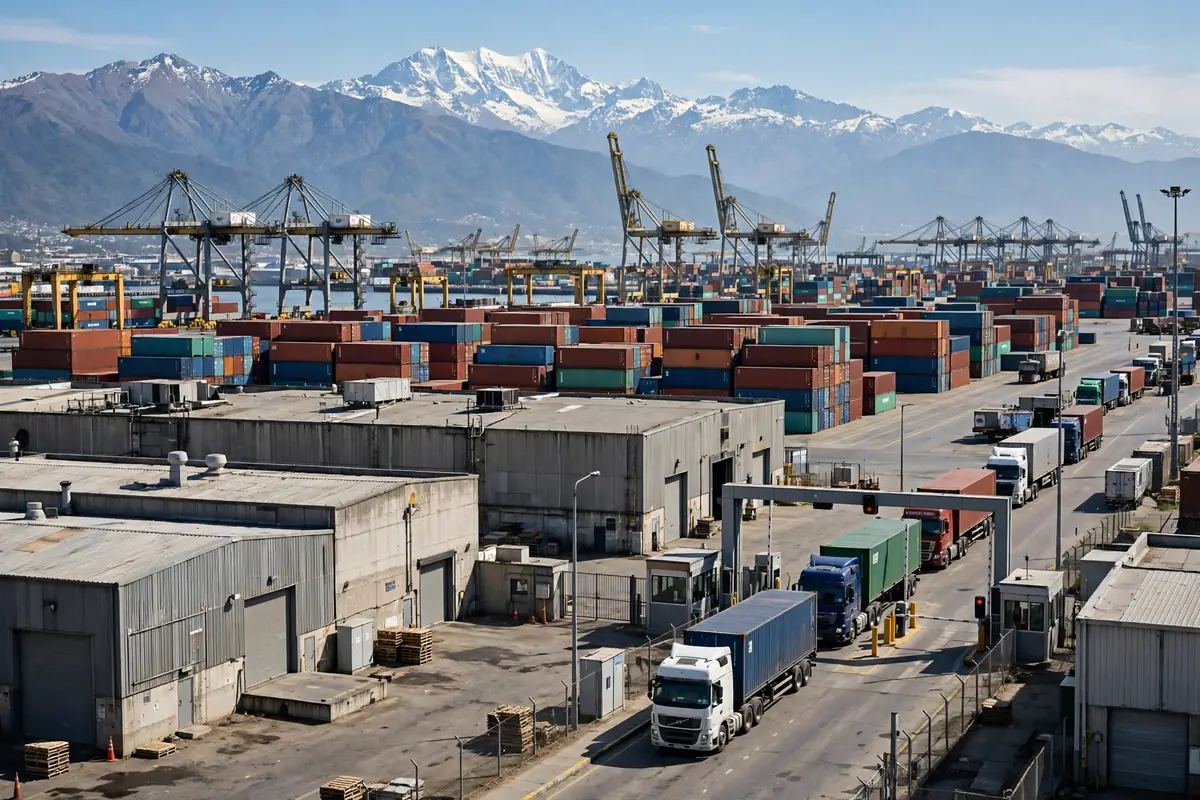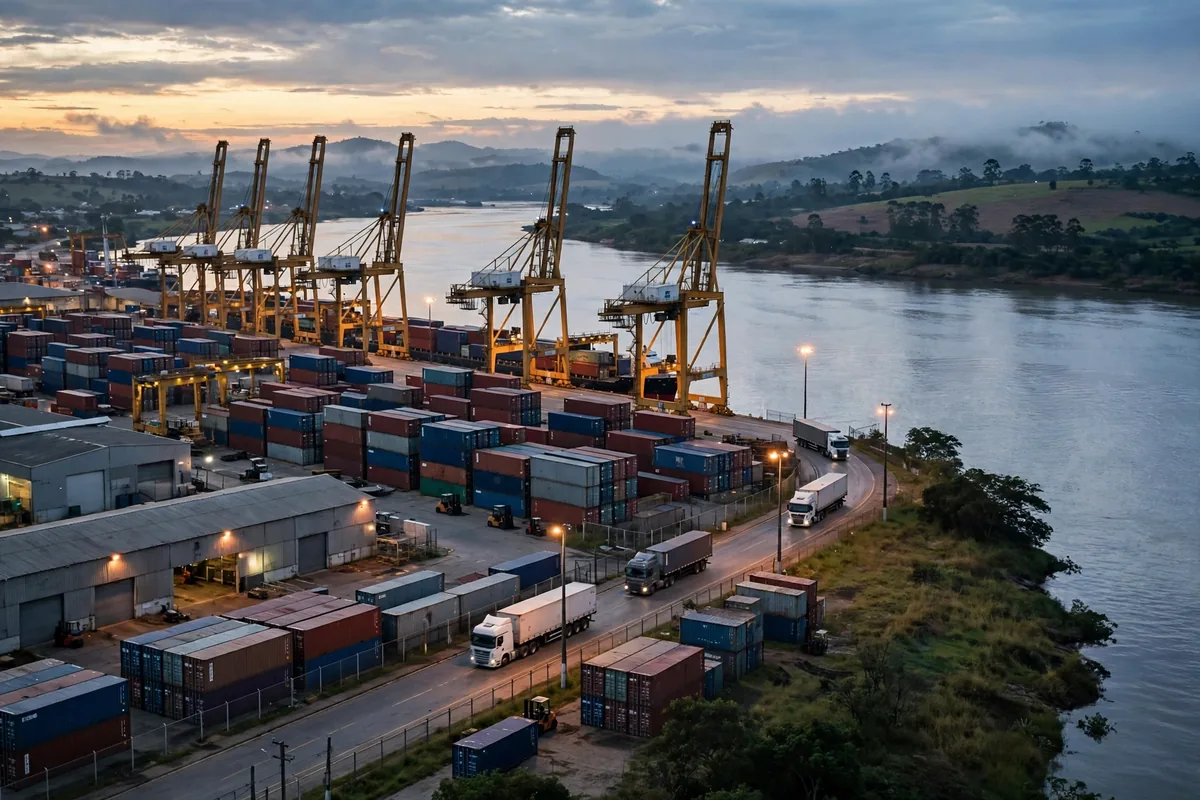
Let me tell you how porto alegre brazil warehouse logistics looks from behind a steering wheel. Nine out of ten shippers ask me about rent per square meter first. After fifteen years on the road, I ask the opposite question first: where does your freight enter, where does it need to go, and can a truck actually reach that dock without losing half a day? A warehouse that saves you a little rent but costs every truck three extra hours in traffic is not cheap. It is a slow leak, and you pay it every single day.
Porto Alegre is the gateway of southern Brazil, serving the consumer market of Rio Grande do Sul and connecting port traffic with highway freight. The location is genuinely good. But a good city does not make every warehouse in it a good warehouse. Here is a scenario I have watched play out in different forms more than once. All cost and time figures below are a hypothetical worked example, not live local quotes; check current rates with carriers and warehouses directly. A small-appliance importer picked a low-rent warehouse on the north side of the city without anyone driving the inbound route first. The first container arrived in morning peak traffic, the truck crawled through the urban approach, missed its receiving appointment, and waited outside while the evening linehaul departure left without the freight. The rent saved on paper was eaten by waiting charges and rebooking within the first month. Nobody was unlucky. Nobody had priced the road.
Porto Alegre Brazil Warehouse Logistics Starts With the Road Bill
Office math and driver math are different disciplines. The office counts rent per square meter. The driver counts hours per trip. Run a hypothetical worked example with me, using round illustrative numbers only: suppose Warehouse A rents for ten percent less per square meter than Warehouse B, but A sits far from the highway interchange, so each round trip takes an extra hour and a half. At sixty truck movements a month, that is ninety lost vehicle hours, before appointment rebooking fees and night-shift overtime. Multiply those ninety hours by your local cost per vehicle hour, spread it over the floor area, and the cheap warehouse is often the expensive one. That missing line is the heart of porto alegre brazil warehouse logistics: the road is a recurring cost, not a one-time inconvenience.
Here is the counterintuitive part. The warehouse closest to the port is not automatically the lowest-cost warehouse. Near-port sites win on drayage distance, but they carry higher rents and their access roads suffer most when port traffic peaks. Step back toward the highway corridor and rent falls, truck access improves, and inland distribution gets easier. How far back you should step depends on your freight profile. Import deconsolidation wants port proximity and smooth customs handover. Urban distribution wants to sit near the highway exit closest to your customers. Those are two different warehouses, and pretending one site does both jobs equally well is how shippers end up paying twice.
A second scenario makes the point. A hypothetical auto-parts distributor served both Porto Alegre repair shops and surrounding satellite cities from a near-port warehouse. Customs release was fast, but delivery trucks crossed the city every day, burning fuel and hours. The company moved its distribution point to a logistics park by the highway, ran full truckloads on a fixed port-to-warehouse shuttle, and used smaller vehicles for zoned local drops. Same carriers, same fleet size, steadier delivery times. The warehouse address was the transport plan. It always is.
City Access, Port Rhythm, and the Rainy Season in Brazil Warehouse Logistics
Before signing anything, drive the route. My rule is simple: run an empty truck over the real delivery route at the real delivery times, once in the morning and once in the late afternoon. Check height limits, truck restrictions, turning radius, and whether there is actually room to swing into the dock. A navigation app will happily quote you forty minutes for a trip that takes a loaded truck twice that. Docks deserve the same skepticism. A canopy post that looks harmless in a photo can block a tail lift in real life. I have backed into that exact surprise more than once.
Port rhythm is the second trap. Between vessel discharge, possible inspection, container pickup appointments and the warehouse receiving window, there are four clocks running at once, and they rarely agree. Sane operations leave slack on purpose: receiving windows are not booked to one hundred percent, and the day before a big arrival, the warehouse and the carrier align documents, container numbers and estimated arrival in one shared message thread. It sounds embarrassingly basic. It also prevents most dock-door arguments I have ever seen, because nine of those arguments are information failures, not bad intentions.
The third trap is water. The severe flooding that hit the Porto Alegre region in 2024 disrupted transport and logistics across the area, and anyone running southern Brazil lanes remembers it. So I ask three questions at every site visit: has this building ever taken water, how does the park drain, and is there an alternate access route when the main road floods? A low-lying old warehouse is cheap for a reason. One flooded inventory event costs more than years of rent difference, and no discount clause will make your customers whole. For tax and customs specifics, rules change and local licensed brokers are the authority; treat anything in an article, including this one, as orientation only and confirm against official Brazilian sources before you sign.
A Driver's Scoring Table for Warehouse Selection
This is the checklist I use when a shipper asks me to look at a site, tuned for porto alegre brazil warehouse logistics decisions. Score each row from one to five, then weight the rows by your freight profile: import-heavy operations raise the port row, city-distribution operations raise the coverage row.
| Factor | What to verify | Weight |
|---|---|---|
| Highway access | Distance to interchange, timed with a real truck run | High |
| Port connection | Pickup appointments and inspection-delay handling | High |
| City restrictions | Time windows, height limits, dock turning space | Medium |
| Flood risk | Water history, drainage, alternate access route | High |
| Delivery coverage | Timed runs to main customers and satellite cities | Medium |
| Peak flexibility | Extra space and labor availability in peak season | Medium |
Notice rent is not in the table. Rent is the one number every landlord quotes precisely, so it needs no checklist. The six rows above are the hidden ledger, and nobody volunteers them. Score them first, then add rent and compare totals; the cheap site regularly wins the brochure and loses the total. Finally, put appointment windows, waiting-time rules and peak-season expansion rights in writing. Verbal promises evaporate in peak season. Paper is not distrust; paper is how both sides avoid an argument at my truck door.
Fifteen years of hauling taught me one sentence I will leave you with: the warehouse is fixed, but the road is alive. Spend half a day driving your routes before you sign, and you will save yourself a season of cursing at a dock door. In Porto Alegre the freight is there, the market is there, and the roads are there. The only question is whether you counted them.
By Shifu Zhao, Trucking Veteran (15 yrs)