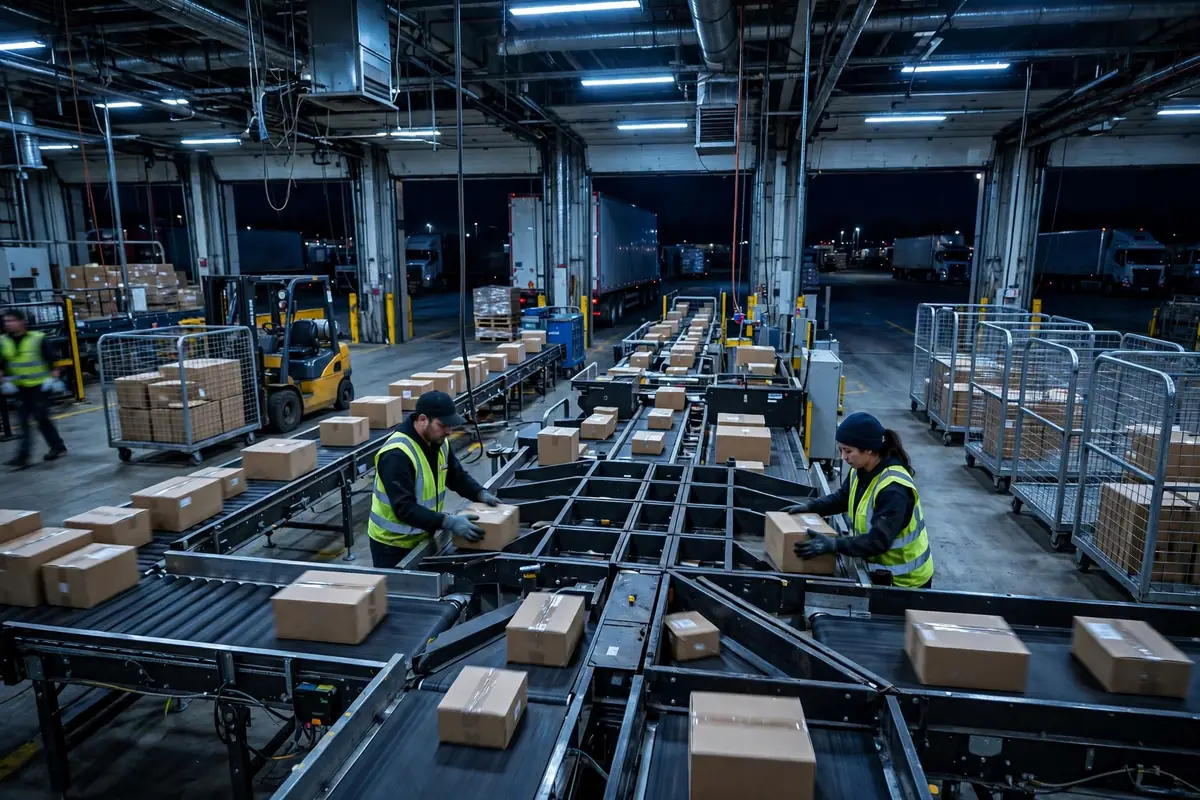
Let me tell you something. After years on the road, the thing I fear most is not traffic, but arriving at the air freight terminal and finding the gate closed to me, trucks queuing outside and the plane inside waiting to leave. At an air cargo terminal, cargo warehouse slot booking is the first gate, and if you miss it, book it late, or book the wrong one, everything after it falls apart.
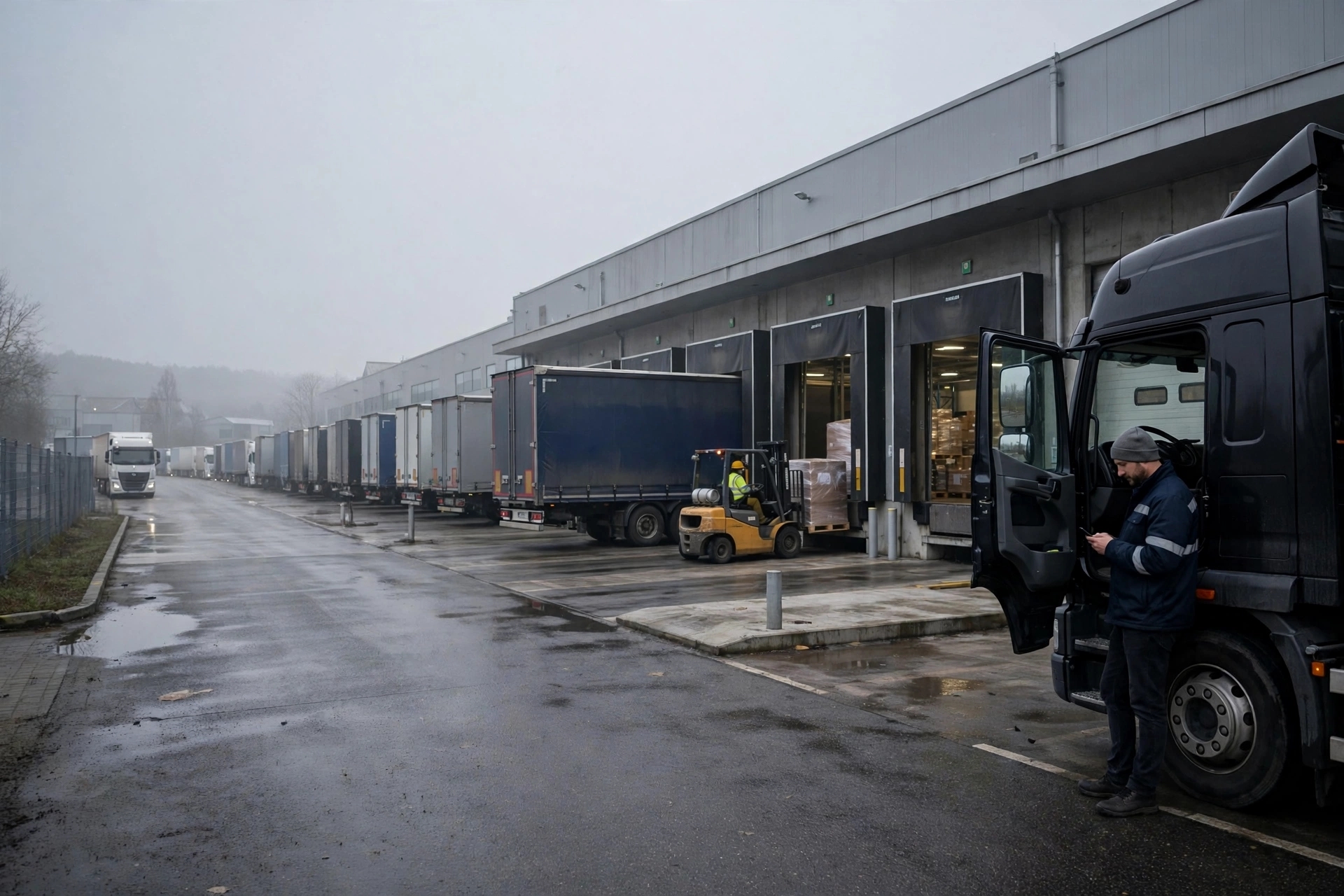
In September 2024, outside a cargo terminal near Shanghai Pudong Airport, I watched trucks queue from 2 a.m. to 7 a.m. It was a cross-border e-commerce shipment, booked for a midday flight, with a slot reserved a day ahead. The terminal was jammed: one truck ahead had a problem during build-up, two more got stuck at re-weighing, and the line crept forward inch by inch. In the end the cargo missed its flight. The seller missed the platform shipping deadline, paid fines and refunds, and lost tens of thousands of yuan on one shipment. A driver smoking by the roadside said to me, "Shifu Zhao, this is not driving. This is queuing for your fate." Rough words, but true.
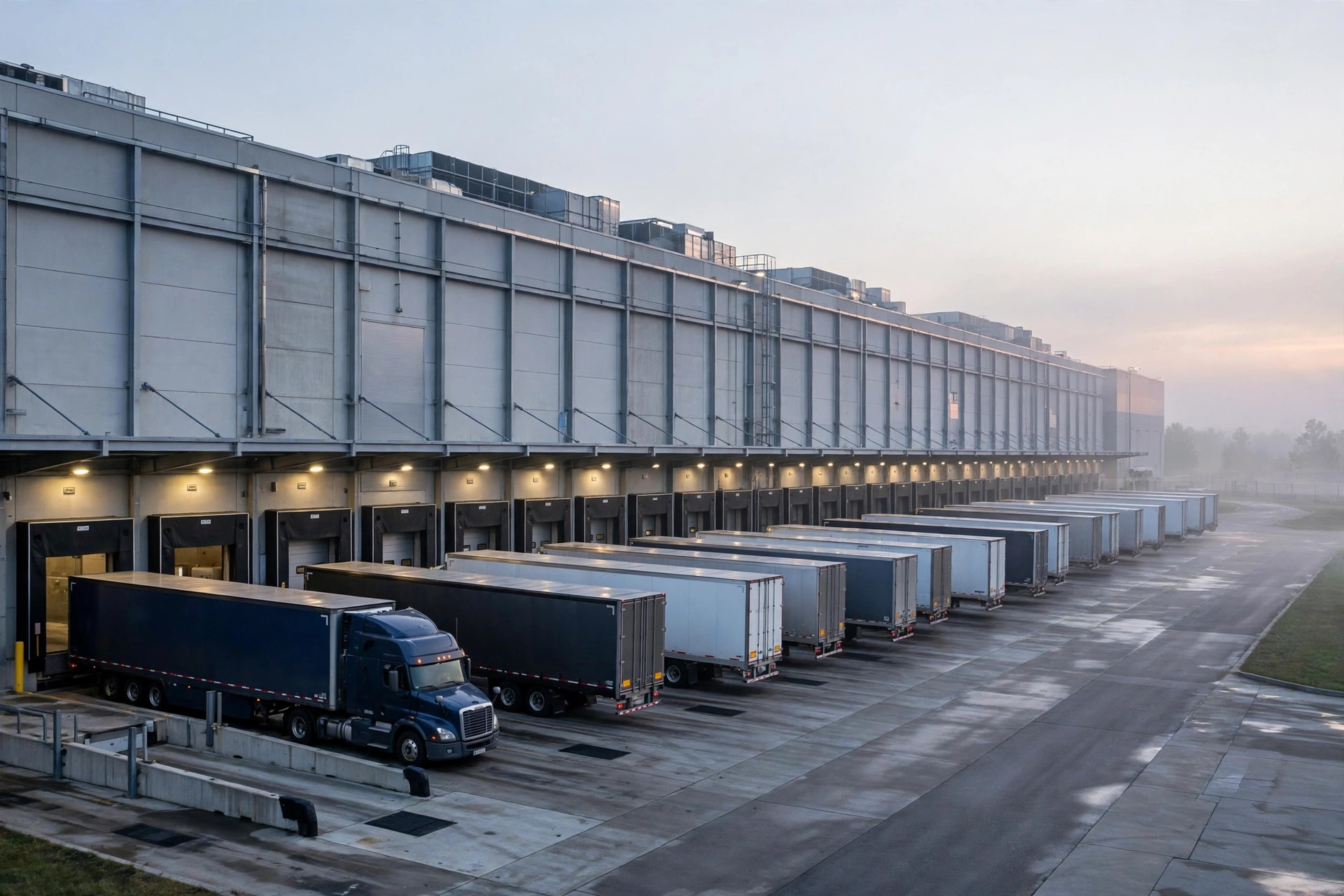
Cargo warehouse slot booking at an air freight terminal is, put simply, a numbered appointment for your truck and cargo: an arrival time, agreed in advance. It works on the same idea as drayage terminal appointment booking for road haulage: book first, arrive on your number, and take your turn — except air freight runs on a much harder clock, and when the cutoff passes, the door closes.
Cargo Warehouse Slot Booking Starts with Four Times, Not One
For air freight, the first thing to check is not the rate. It is the clock. Four times matter, and none of them can slip.
First is the slot arrival time, the hour your truck is booked to reach the terminal gate. Booked for 3 a.m., arriving at 2:50 a.m. is just right; arriving at 4 a.m. can mean the slot is void. Slots are cut by the hour, with only a few truck bays per window, and nobody holds your place if you are late.
Second is the cargo cutoff, the moment the terminal stops accepting freight for that flight. Before cutoff, the cargo must finish handover, security screening, weighing, and build-up; after cutoff, even cargo already in the terminal yard cannot board.
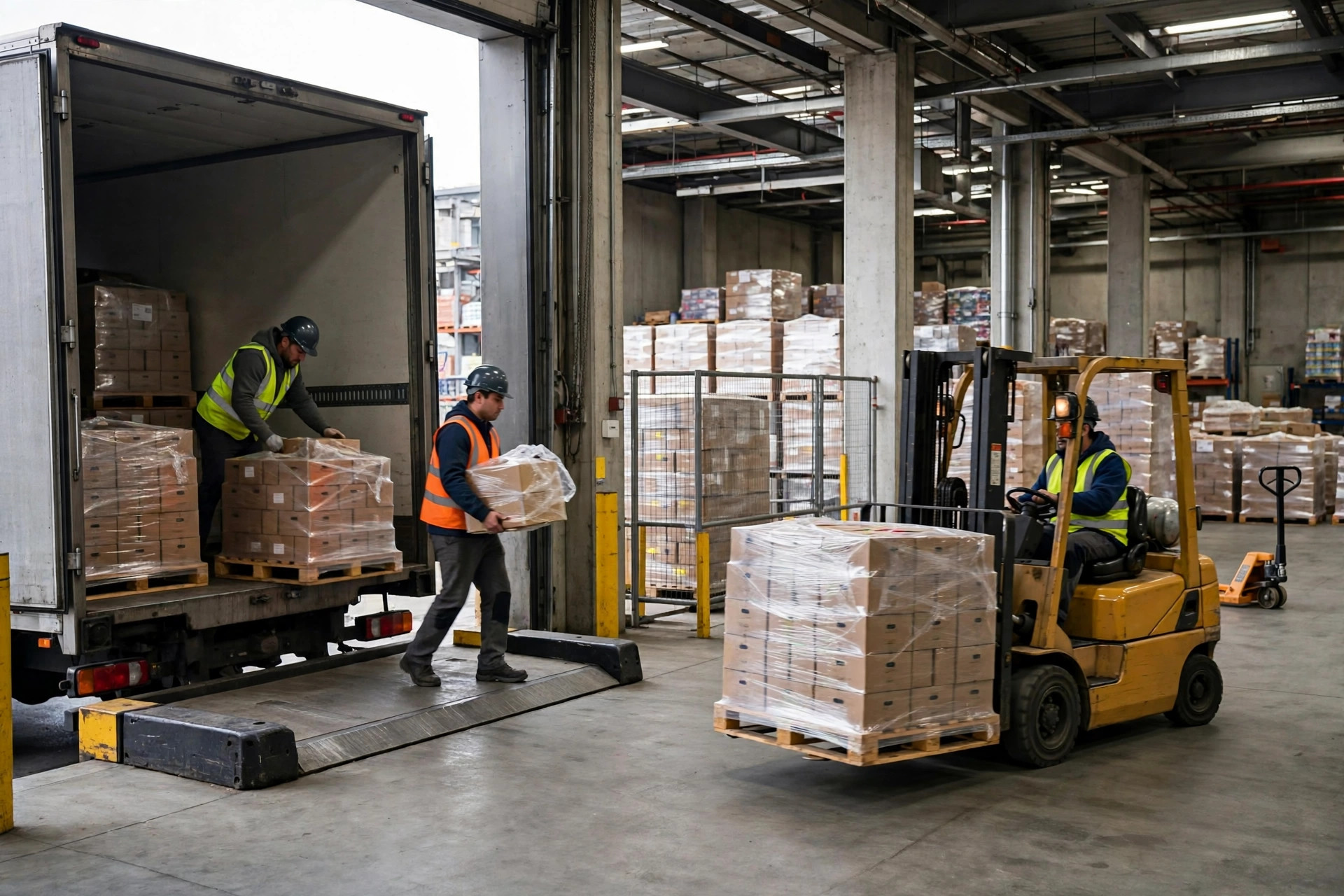
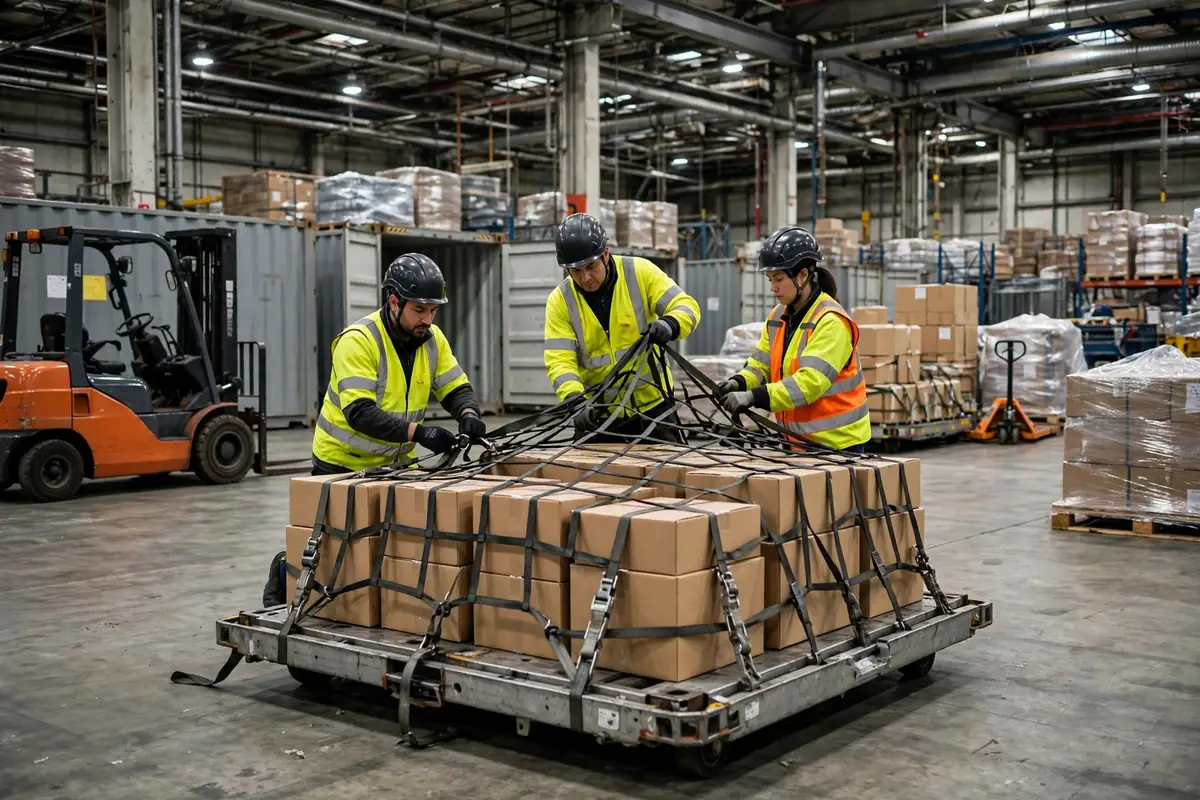
Third is the build-up time. Build-up means loading loose freight onto a ULD unit load device to the flight's plan: laying the base, stacking, netting, and weighing. A straightforward pallet can take 40 minutes, an awkward one an hour and a half, and odd-shaped freight needs measuring and a plan before build-up starts.
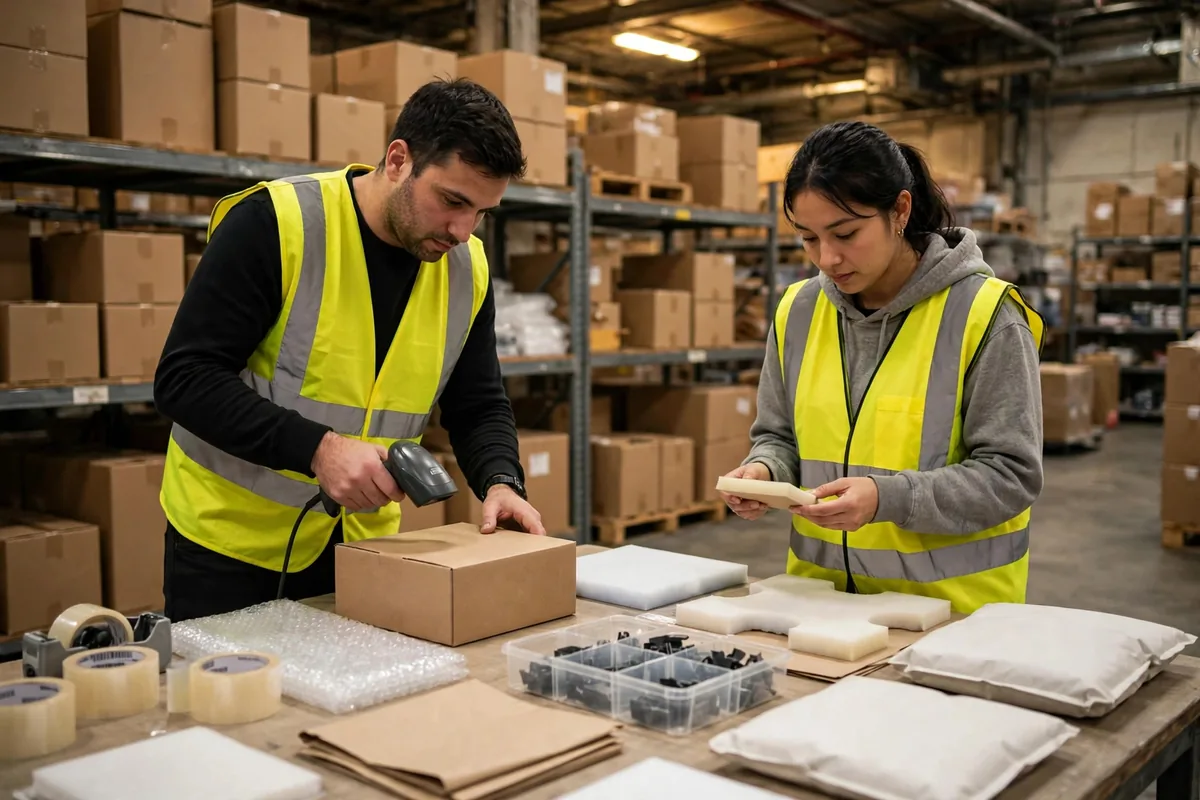
Fourth is security screening and weighing. Air cargo screening is mandatory — X-ray, with spot checks that open boxes — and a problem found here means rework. Weighing matters just as much: freight is charged on the higher of actual weight and volumetric weight, and the terminal's figure must match the air waybill.
These four times run backwards from the cutoff, which is fixed: build-up, screening, and weighing must all finish before it, and the slot arrival must leave room for all of them. So the real question is not "what time do I reach the terminal?" It is "what time must my cargo enter the terminal to make this flight?" The forwarder and the warehouse have to work that out together; a driver pressing the accelerator cannot fix it on the road.
Build-Up Is Won on Preparation, Not Muscle
Many people think build-up is just loading, a job for strong arms. Let me tell you, build-up is won on preparation: before the cargo reaches the terminal, the plan should already be set — what goes at the bottom and on top, how the centre of gravity sits, how the net is pulled, which side the labels face. Start thinking only when the freight arrives, and the clock burns away on site.
In November 2023, I hauled electronics from Shenzhen to Frankfurt: 32 cartons, 18 kilograms each, regular sizes. The warehouse sent the packing list a day ahead, the build-up team had the pallet positions planned, and the cargo was built up in 40 minutes, passing weighing and screening on the first try and making the evening flight. The same day, another shipment was added at the last minute: six odd-shaped pieces, never measured in advance, which stuck out 5 centimetres past the pallet edge. New plan, new pallet, restacking: more than two hours lost, and the cargo was bumped to the next day's flight. The difference was not the size of the load, but whether anyone had prepared.
How should the warehouse help? Three things. First, send the forwarder the measured size and weight of every shipment before it leaves, not the theoretical figures in the system — a 2-centimetre gap can force a rebuild. Second, flag odd-shaped freight, overweight pieces, and battery cargo a day ahead, separately. Third, run production backwards: cutoff minus build-up, minus road time, minus loading time. Whatever is left is the real production window; if it is not enough, produce a day earlier.
Here is a worked example, with assumed figures. Suppose the cutoff is 9 p.m., build-up plus screening plus weighing takes 2 hours, the road 1.5 hours, and loading half an hour. Then the freight must leave the warehouse by 5 p.m., and production must finish by noon. Making a cutoff is not about the driver going faster; it is about the warehouse starting half a day earlier.
Cargo Warehouse Slot Booking in Peak Season: Before You Bump Freight, Do the Maths
From September to December, air freight hits peak season: e-commerce promotions and Christmas stocking pile up, slots become harder to get than train tickets at Spring Festival, and bumped freight is normal. The question is what to bump, and what to protect.
My rule is blunt: contract first, delivery promise second, cargo value last. Protect freight whose contract carries penalties or a promised delivery time; freight that can switch to road or sea or take the next flight can wait; high-value, time-sensitive freight with no alternative is worth paying extra to move another way.
In October 2025, a forwarder I know got this wrong. He had three shipments chasing one flight and the terminal could only take two, so he protected the highest-value load on instinct. That customer was in no hurry and the contract had no late-delivery penalty, while the bumped shipment was promotion stock: one day late meant a fine larger than the freight cost of the load he had protected. One question — "how urgent is this?" — would have saved him the loss. That is the price of deciding by feeling instead of by numbers.
Here is the counterintuitive part: in peak season, the most expensive thing is not the freight rate, but changing the booking. A bumped shipment means a new flight, a new waybill, fresh build-up, and fresh screening, each at rush prices. Many shippers watch the rate rise by a few hundred yuan and miss the rebooking bill of a few thousand. So in peak season, send the freight three days early and pay one extra day of storage rather than arriving on the cutoff. Storage has a published price; rebooking does not.
Warehouses have one more move in peak season: split the shipment. Do not pile one big load into a single day; send it in two or three batches. Splitting costs a little more freight, but it breaks the risk of losing everything at once. In business, the fear is not spending a little extra, but losing a lot in one go.
A Few Straight Words for Shippers and Warehouses
The whole game at an air cargo terminal comes down to one sentence: the clock is fixed, people are flexible, and advance preparation is the only flexibility you have. A booked slot does not mean the freight will fly, and freight inside the terminal does not mean it will make the cutoff. Only a finished build-up before cutoff counts.
Shippers, get three things right before dispatch: give measured sizes and weights, not theoretical ones; flag odd-shaped and battery cargo in advance; and in peak season, ship three days early. Warehouses, run production backwards from the cutoff and treat what remains as the production window, split big shipments, and check slot status with the forwarder every day. Do not discover a void slot when the driver is already at the gate.
After all these years on the road, I have learned that air freight is not a race between fast trucks, but between people who do the maths early. Do the maths early, and you will not be the one standing in the queue at the terminal gate. There is an old saying: do not fear being slow, fear standing still. One wait at the terminal gate can cost a whole shipment's profit.
By Shifu Zhao, Trucking Veteran (15 yrs)