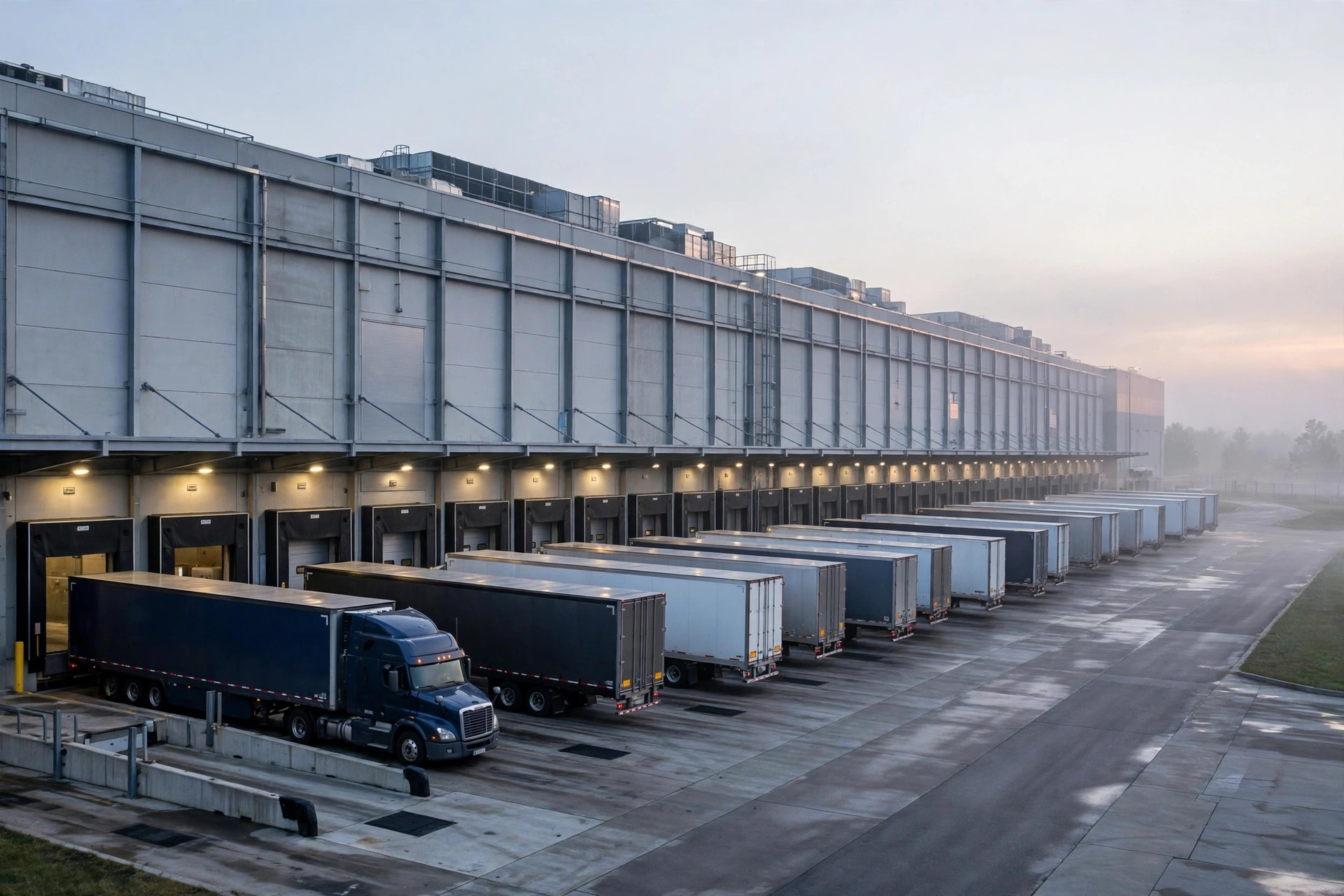
Last peak season, a home-goods client of mine nearly lost his mind over a single 40-foot container.
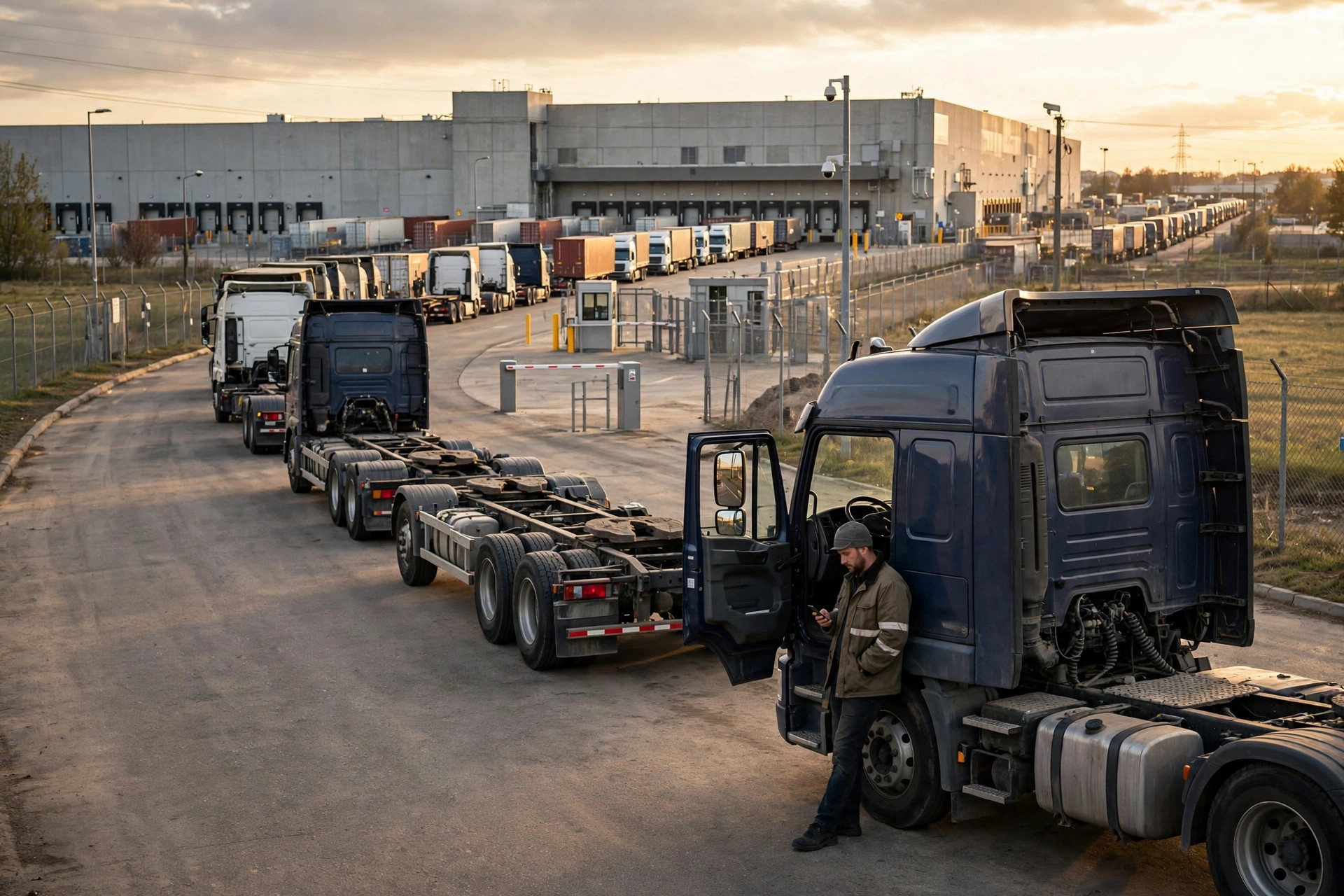
Everything looked fine before pickup at the Port of Long Beach: the forwarder had booked a Tuesday morning appointment at the Amazon fulfillment center in San Bernardino, driver and chassis all lined up. Then Monday night the call came. Sorry, the box never got pulled. The truck line at the terminal gate stretched for hours, the driver burned six hours waiting outside, and by nightfall the terminal had stopped releasing containers for the day. Tuesday's appointment was dead. Rebooked — five days out.
That one container sat at the port for five extra days. Demurrage, chassis fees, plus the re-dispatch trucking costs after the rebook — the better part of ten grand gone, and that doesn't count the stockout days. The client wanted to fire his forwarder. I told him switching wouldn't change a thing. In peak season this is normal. The only thing that separates the survivors is whether they have a plan B.
Before the No-Show: Four Real Causes
On the surface a no-show looks like "my forwarder is unreliable." In reality, any one of four links can break, and the appointment dies with it.
First, peak-season port congestion. At Long Beach and Los Angeles, pulling a box during peak season means queuing at the terminal. A driver shows up at 5 a.m. and might not reach the gate until afternoon. Miss the terminal's cutoff and the box stays another day. Your FBA appointment doesn't care — Tuesday means Tuesday.
Second, driver hours. Hours-of-service rules are hard limits; a driver can only run so many hours a day. Drivers are already scarce in peak season, and your forwarder's go-to drayage carriers are booked solid. What you think of as "a Tuesday delivery" might be something the forwarder only realizes Monday night it can't cover.
Third, pickup-to-appointment misalignment. This is the most common killer: the forwarder books you a Tuesday morning FBA slot, but the box only becomes available Monday night. Almost no buffer in between. One hiccup — a late vessel, a customs exam, a terminal system outage — and the appointment is gone.
Fourth, layers of subcontracting. Your forwarder probably doesn't own a single truck. They hand the dray to carrier A, who hands it to carrier B. By the time the message reaches the driver it's third-hand. When something breaks, you can't even get a straight answer on whose fault it was — the forwarder blames the carrier, the carrier blames the port.
In my experience the fourth one is the deadliest. The first three are bad luck. The fourth is structural: when things go wrong, nobody is truly accountable to you.
Before the No-Show: Three Moves That Lock Down the Risk
Once you see the causes, prevention is just three moves, all doable before the vessel arrives.
One, keep at least 24 hours between pickup and the appointment. Box available Monday, appointment Wednesday. Don't listen when the forwarder says "we do this all the time" — he says that because the cost of failure doesn't land on him.
Two, keep a backup drayage carrier on speed dial. Not a backup forwarder — a carrier that can actually roll a truck. When your main forwarder drops the ball in peak season, you call your own truck, pull the box, and park it at your 3PL. That phone number lives in your phone, not just in the forwarder's.
Three, put delay penalties in writing. Not a verbal promise — a line in the rate sheet: if a missed appointment caused by the carrier side generates demurrage, the forwarder eats it, or a defined delay compensation kicks in. A forwarder who won't sign that is not someone to trust with your peak season.
The Day It Happens: Four Recoveries, in Order
When it actually happens, don't panic and don't just sit there. Work this list in order.
- Rebook immediately. Get back into the appointment system the moment the slot dies. In peak season the next slot might be days out — which is why the next steps matter.
- Divert to a nearby fulfillment center. There are Amazon buildings all over San Bernardino, Ontario, and Fontana. Check for an earlier window somewhere else. Caveat: changing the destination means changing the shipment plan and possibly re-labeling. Do that math first.
- Split and transload. If the freight is headed to more than one FC, or the volume allows it, pull the box to your 3PL, break it down, and ship to the new appointments in waves. Expensive, but the shelves stay stocked.
- Stage at the 3PL and wait for the next slot. The most common play — and the one that demands a real cost comparison.
The math: 3PL staging versus sitting at the port. A box sitting at the port runs demurrage plus chassis, a couple hundred dollars a day at minimum, more in peak season. Pulling it out means one drayage move (port to 3PL, distance-dependent), one unloading fee, then storage by the pallet per day. Waiting on the rebook means five days of port charges if the new slot is five days out, plus the stockout.
My rule of thumb: if the rebook is more than three days out, pulling the box to your 3PL almost always wins. And freight in your hands — or your warehouse partner's — lets you sleep at night. During those days of waiting on a rebook, the only source telling you whether the box even got pulled is the forwarder's mouth.
After the Dust Settles: Don't Just Yell and Move On
Once you've vented, settle the bill. Otherwise next peak season is the same movie again.
Gather evidence first. The chat logs and emails where the forwarder committed to a pickup time, the terminal pickup record, screenshots of the dead appointment — save all of it. Without evidence you can't even win the argument.
Then enforce the penalty clause in the rate sheet: deduct, claim, whatever it says. The first time you can negotiate; the second time, execute. Forwarders read the room — if you're easy, they'll do it again.
Finally, do the season math. Two no-shows in one peak season: change forwarders, no sentimentality. A good forwarder costs more, but one container's demurrage bill covers years of that premium. The forwarder can do this math better than you. You need to be able to do it too.
Pre-Departure Checklist: Tick These Off Before the Vessel Arrives
Before the box hits the port, run through these:
- At least 24 hours of buffer between pickup and the FBA appointment
- Backup drayage carrier's number in your own phone
- Delay penalty clause in the rate sheet, in writing
- Two or three alternate FCs identified, and you know how to change the shipment plan
- 3PL staging quote secured in advance (unloading fee plus daily pallet storage)
- Every forwarder promise in writing; verbal doesn't count
In peak-season inbound, a seller without a plan B isn't planning — they're gambling. On the port, on the drivers, on the forwarder. Twenty years in this business, and I can count the winners on one hand.