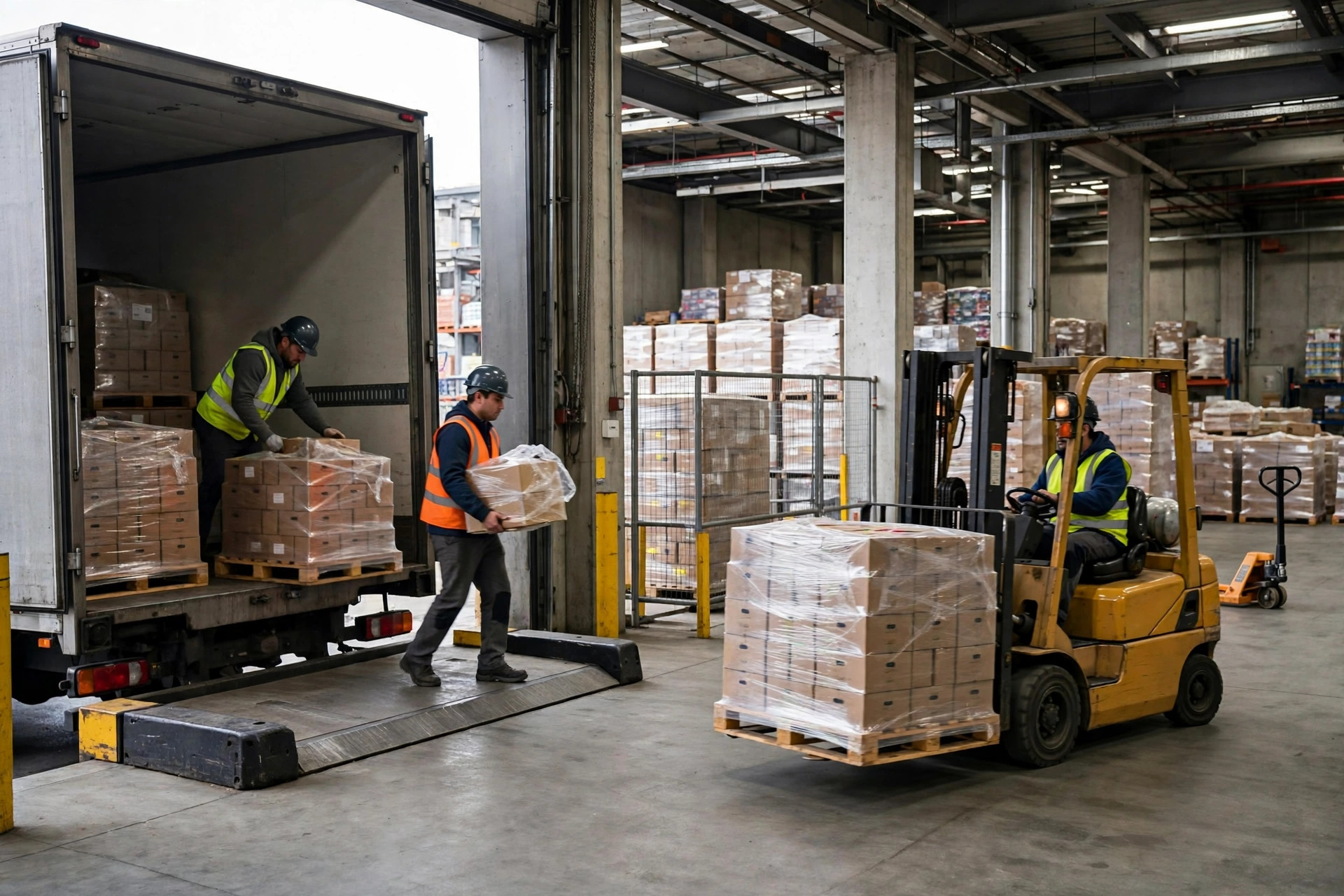
Amazon changed the rules again. In the January 2026 fee update, the FBA inbound placement fee got the sharpest teeth yet: minimal splits are now priced by weight band, and a heavy standard-size unit can cost you close to $2 a piece. On a $15 product, Amazon takes its cut before your inventory even leaves the dock. Here's the thing though — this fee is calculable. Pay it or split the shipment yourself. The right answer depends on your volume and your timeline, and it changes SKU by SKU.
What the FBA inbound placement fee actually is
Quick timeline. Before March 1, 2024, Amazon split your inbound inventory across its network for free — you just paid freight. Since March 1, 2024, Amazon charges a per-unit inbound placement fee when you don't split enough: want to dump everything at one or two warehouses to save on freight? Fine, but every unit gets taxed.
As of the January 15, 2026 restructuring, there are exactly two choices:
1. Amazon-optimized splits: free. Follow Amazon's shipment plan and send to 5 or more locations, and the placement fee is zero. The catch: you need at least 5 identical cartons per SKU (same unit count, same SKU mix in each carton). Mess up the carton configuration and the free ride is gone.
2. Minimal splits: pay per unit. Ship the bulk to 1–2 warehouses and pay by size-plus-weight band. The 2026 rate card runs roughly $0.14–$0.32 per unit for small standard items and $0.20–$1.90 for large standard items, with bulky goods priced higher by weight — several dollars a unit at the heavy end. Two caveats: the exact fee floats by destination zone (West, Central, East), so confirm it in Seller Central's fee preview; and Amazon killed the middle "partial splits" option for standard-size products on February 20, 2025. It's now all-or-nothing: split fully for free, or pay per unit.
One more thing worth checking: Amazon has run placement-fee waivers for new selection (from December 2024 through March 2025, up to 100 units per new parent ASIN got the fee waived). If you're launching a new SKU in 2026, check Seller Central for current incentives before paying full price like a chump.
Read Amazon's intent and the decision gets simple: light, small items are meant to be split by you; heavy goods are meant to pay. Don't fight the rate card — ride it.
The math: split it yourself or pay Amazon to split it
My five-minute routine before creating every shipment plan:
Step 1: count your cartons. Can you build 5 identical cartons for a single SKU? If yes, take the optimized split, pay nothing, stop reading.
Step 2: run both numbers. Number A (pay the fee): units × the minimal-split rate for your size tier. Don't guess from memory — pull the exact figure from the Revenue Calculator in Seller Central for that SKU and that shipment plan. The January 2026 restructure reshuffled every band; old instincts will burn you. Number B (split yourself): the extra freight to ship to more destinations. Price it with Amazon's partnered carrier discount, not market rates — the difference is huge.
Step 3: compare, and factor in speed. Pick the cheaper one. If you're racing a seasonal launch window, paying for speed counts as cheaper.
Two SKUs from my own catalog, with the math I actually ran:
Case 1: small standard item — splitting wins. A small accessory SKU, about 6 oz, 3,000 units per batch. Minimal-split rate for that band: roughly $0.16–$0.32 per unit; I estimated conservatively at $0.25. Number A = $750. Number B: with the partnered UPS discount, the extra freight to four additional destinations added a little over $300. Splitting saved me $400+. This is the usual verdict for light items: a per-unit fee gets brutal fast when your unit count is high.
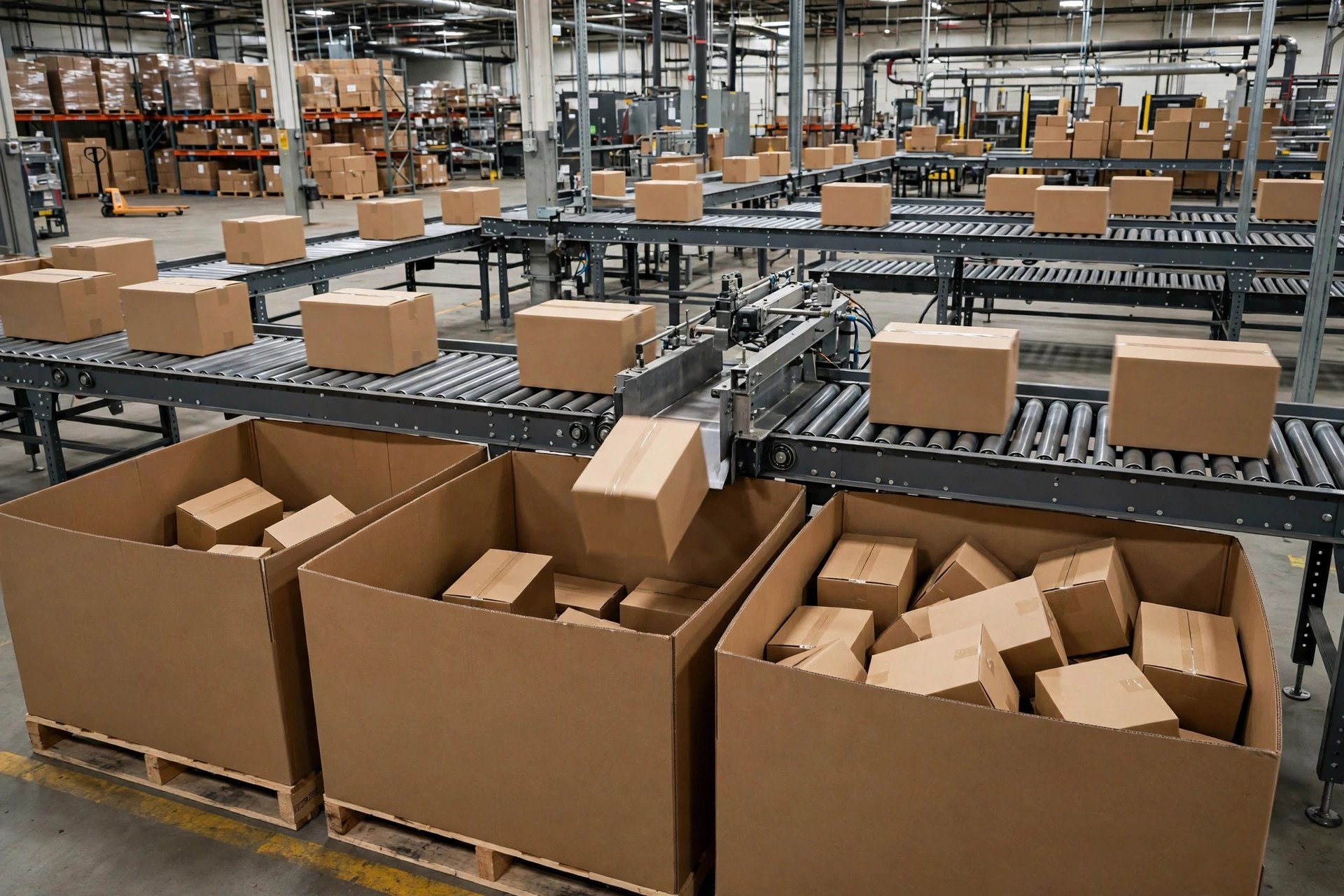
Case 2: heavy item, small batch — paying wins. A 4 lb home-goods SKU, 800 units per batch. Minimal split in the 5–10 lb band: roughly $0.40–$0.98 per unit; I estimated $0.70. Number A = $560. Number B: splitting a heavy product across 4 extra warehouses would have added $500+ in freight plus two or three days of prep — and it was late September, with the holiday season breathing down my neck. I paid the fee and shipped to one warehouse. Counterintuitive? Sure. But that money bought listing speed, and launching a week late would have cost me far more than $560.
The counterintuitive take: seller forums treat the placement fee as a tax to dodge at all costs. For heavy products, small batches, and time-sensitive launches, paying is the cheaper move. Amazon's rate design is telling you exactly this — "you split the light stuff, you pay for the heavy stuff." Follow the design instead of fighting it.
Three traps that will eat your margin
Trap 1: ship to the wrong warehouse and the penalty beats the fee. Miss your assigned destination, arrive late, or abandon the shipment and you'll trigger the inbound defect fee — averaging about $0.60 per unit in 2026, and it went up this year. Don't get cute with addresses to save on placement fees; one penalty wipes out the savings.
Trap 2: inconsistent carton configuration voids the free option. Optimized splits require every destination to receive truly identical cartons — same SKU, same units per carton, same mix. Plenty of sellers pack the first few cartons to spec and then wing the rest. Amazon shows no mercy: you get billed the minimal-split fee. Lock your 5-carton configuration before you start packing.
Trap 3: the partnered carrier discount cuts freight, not the placement fee. The placement fee doesn't budge a cent. But routing your inbound through Amazon's partnered carrier discount crushes the freight side of the "split it yourself" equation — that's its real job. When you run Number B, use the discounted rate, not the forwarder's market quote, or you'll scare yourself into overpaying the fee.
Final reminder: rates get revised every January, and the January 15, 2026 change re-sliced every size tier by weight. Before creating a shipment plan, spend one minute confirming the exact placement fee for your SKU in the Revenue Calculator. That beats reading a hundred guides — including this one.
This playbook works — I use it on every batch. First check: can I build 5 identical cartons? If yes, split for free. If not, run both numbers like an adult. The placement fee isn't scary because it's expensive. It's scary when you pay it without knowing why.
By Ah K, E-commerce Seller (5 yrs)