Everyone told me Zhengzhou airport was the fast option. Airport, cargo planes, bonded warehouse right there — what could go wrong? Plenty, as it turns out. My first batch near the airport taught me that speed at the airport means nothing if your stock plan, your trunk line, and your last-mile carrier are all pulling in different directions.
I am not writing this as some industry report. I am a seller. This is my ledger, my mistakes, and the setup I actually use now.
Bonded stock sounded smart. Then I overstocked
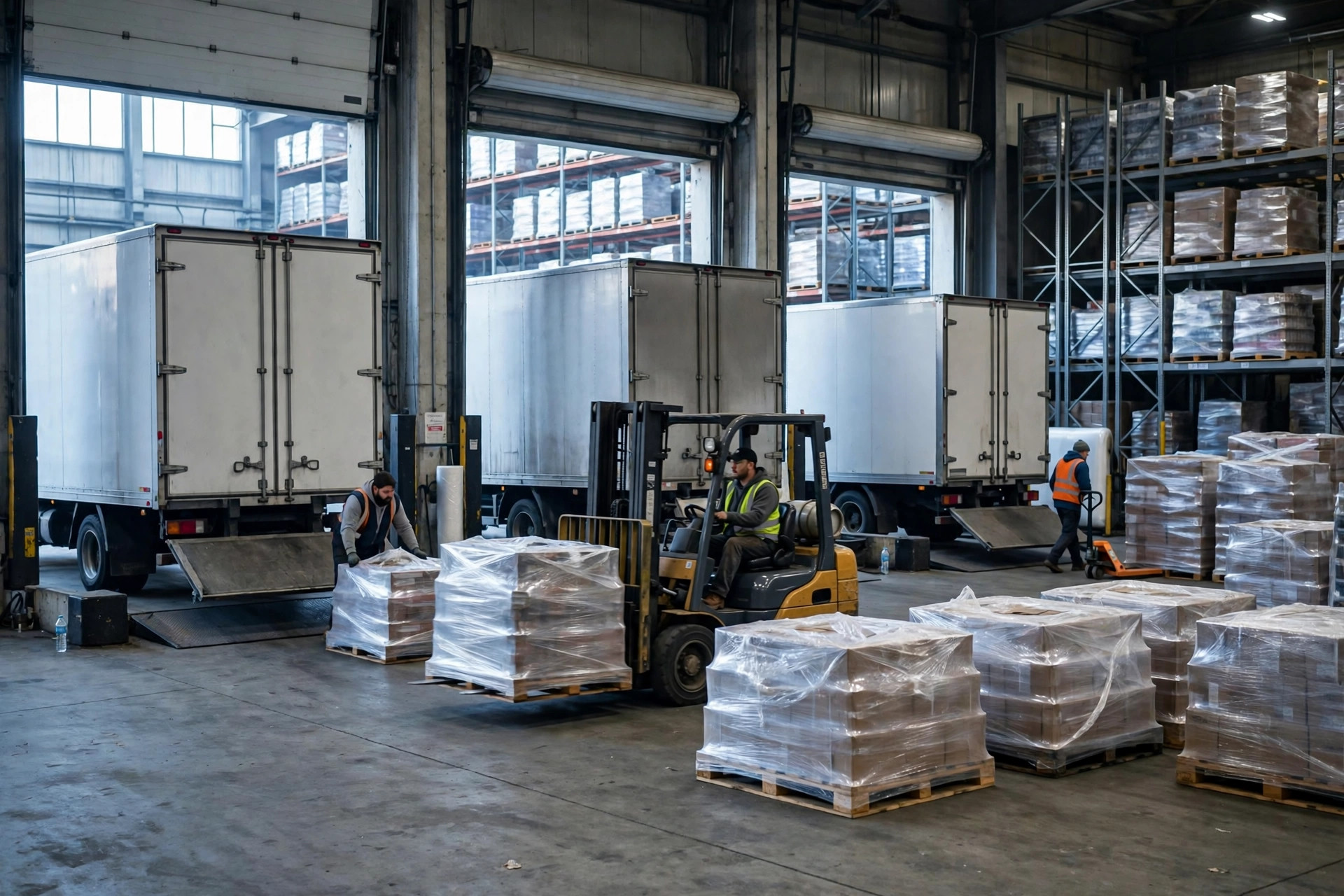
In spring 2025 I moved 2,400 magnetic phone holders into a partner warehouse near Zhengzhou airport. Small, light, cheap to ship, decent repeat purchase rate — on paper, the perfect bonded-stock product. An order comes in, the warehouse picks and packs it, and the domestic leg starts moving the same day instead of waiting for a fresh outbound shipment every single time. Returns are simpler too, because the goods are not bouncing back across a border for every return.
That part worked. What did not work was my quantity. I stocked for the month I hoped to have, not the month I actually had. In the first month I sold roughly 700 units. The other 1,700 sat on a shelf, racking up storage fees day after day. A daily storage fee looks tiny on its own. Add it up over two months and it eats your margin quietly, which is worse than a big obvious loss because you do not notice it until the monthly statement arrives.
I changed the rule after that. New products get a small test batch first. Only when I have real daily sales — not a forecast from a spreadsheet, real orders — do I replenish, and I replenish for about 30 days of sales plus a small buffer, nothing more. Every week I check the sales sheet: if daily sales slip, the next replenishment gets cut immediately. If sales climb for two straight weeks, only then do I raise the quantity a little.
Here is the cash part sellers forget to calculate. Those 2,400 units tied up several thousand dollars of my own money at my purchase cost at the time. For two slow months that cash could not do anything else. It could not test a new product, it could not fund ads, it could not cover an emergency restock of something that was actually selling. Stock sitting still is not an asset. It is cash in a coma.
One more thing, and I will not dress it up: I am not going to quote you duty rates, declaration rules, or clearance procedures for bonded warehouses here. Those details change, and anyone who promises you a fixed rate or a guaranteed clearance outcome is selling you something. Check the latest policy and confirm the specifics with your customs broker before you ship. My numbers in this article are my own orders, not published statistics.
Don't pick a trunk line on price alone
In February 2026 I had a batch of desk lamps heading to Europe for a promotion window. Two trunk options were on the table. One was nearly 20 percent cheaper. The other cost more but ran on a fixed schedule with tracking that actually updated. I took the cheap one, because of course I did. We have all done it.
The shipment sat an extra three days at a transit hub. The promotion opened, my ads were running, and the stock had not reached the overseas warehouse yet. By the time it arrived, the best days of the promotion were gone. I saved money on freight and lost far more in missed sales. That is the most expensive kind of saving there is.
Now I judge a trunk line on three things, in this order: does it run on a stable schedule, does the tracking keep updating without going dark, and when something goes wrong, is there a human who gives me a straight answer within a working day? Price comes fourth. A cheap quote with vague transit times is not a bargain. It is a lottery ticket.
Here is how I compare the three setups I actually use:
| Setup | Best for | Where the money goes | Biggest risk |
|---|---|---|---|
| Bonded stock + local dispatch | Steady sellers with repeat orders | Storage fees and cash tied up in stock | Overstocking, and storage fees eating your profit |
| Direct ship per order | Testing new products, low volume | Per-order trunk and handling fees | Queues during peak season, delivery times you cannot control |
| Forward stock overseas | Peak-season winners, time-sensitive goods | Bulk trunk freight plus overseas storage | A wrong forecast leaves unsold stock far from home |
There is no setup that wins everywhere. My order of operations now is: direct ship to test, bonded stock once a product proves itself, overseas forward stock only for proven peak-season winners. That sequence has worked for me in practice, and I am sticking with it.
The last mile is where reviews go to die
Sellers obsess over the first leg and then hand the last mile to whoever quotes lowest. I did that in November 2025, and I paid for it in reviews. Tracking went dark for two days on a batch of orders. Customers wrote in asking where their parcels were. I refunded several orders, and two of those customers left negative reviews that had nothing to do with my product and everything to do with delivery.
Do the math on that trade. Saving a dollar or two per parcel on last-mile fees looks clever until one refund wipes out the product cost, the ad spend, and the account standing on that order. Saving pennies and losing pounds is not a strategy. It is a hobby for people who enjoy apologizing to customers.
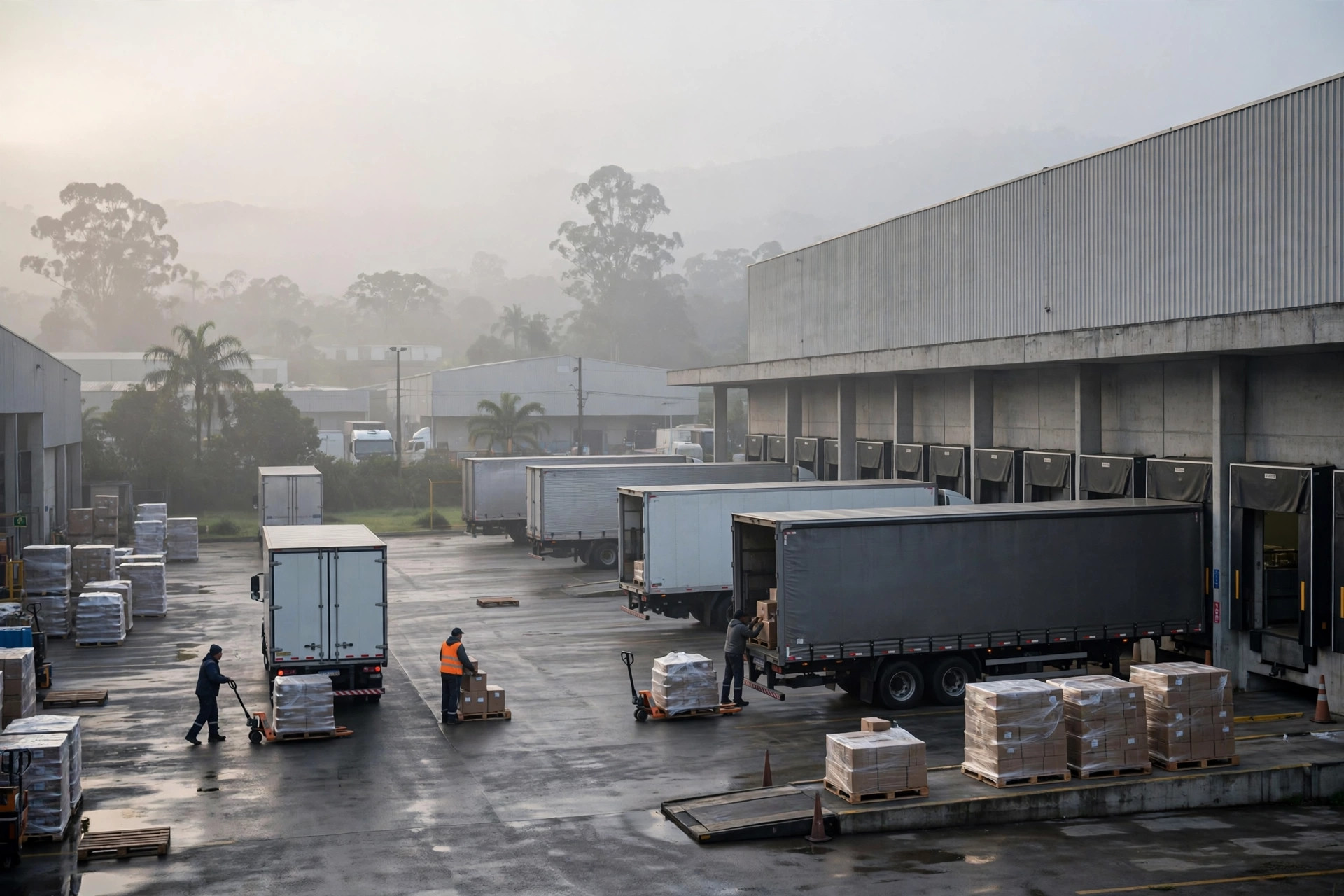
My rule now is boring and it works: any new last-mile carrier gets a trial of one or two hundred orders first. I watch the real delivery rate, how fast tracking updates, and how quickly their support answers. Only if those numbers hold do they get volume. I also deliberately test awkward addresses during the trial — a remote suburb, an apartment block with tricky access — because easy addresses make every carrier look good, and hard ones show you the truth.
I also stopped trusting a carrier's own delivery report alone. I compare it against my own store data every month: refund rate, negative reviews, and how many customers contact support about delivery. A carrier report can be calculated over a flattering time window. Your refund rate cannot lie to you. If the two do not match, the carrier owes me an explanation.
And here is the counterintuitive part most new sellers get wrong: putting stock closer to the customer does not automatically make you more money. Overseas forward stock looks great on delivery speed, but it moves all your risk forward too — your cash, your storage bill, your unsold inventory risk. Plenty of small sellers do not die from lack of orders. They die because stocking up drained their cash flow dry. Bonded stock near Zhengzhou has one real advantage people underrate: it keeps part of that risk at home, where a mistake costs less to fix.
My checklist before I move another batch
First, calculate turnover before you stock. Daily sales, replenishment lead time, safety stock — write all three down before you place the order. Guessing is not a plan.
Second, get trunk-line promises in writing: schedule, tracking, and what happens when things go wrong. A verbal promise is worth nothing when your shipment is stuck.
Third, trial every new last-mile carrier on a small batch, and never switch carriers right before peak season. That rule is non-negotiable for me now.
Fourth, walk through the returns process before you need it. Return address, return flow, return cost — if you cannot answer all three today, you will be figuring them out while an angry customer waits.
Fifth, recheck policy and declaration details against the latest rules for every batch. Last year's experience does not automatically apply this year, and forwarded messages in seller groups are not a reliable source.
Zhengzhou airport's warehouse and distribution setup is a good option for a small or mid-sized seller, but only if you do the arithmetic first: stock for turnover, trunk lines for reliability, last mile for actual delivery performance. Get those three calculations right and the airport's speed actually becomes your speed. This one I tested myself, and it works.
By Ah K, E-commerce Seller (5 yrs)