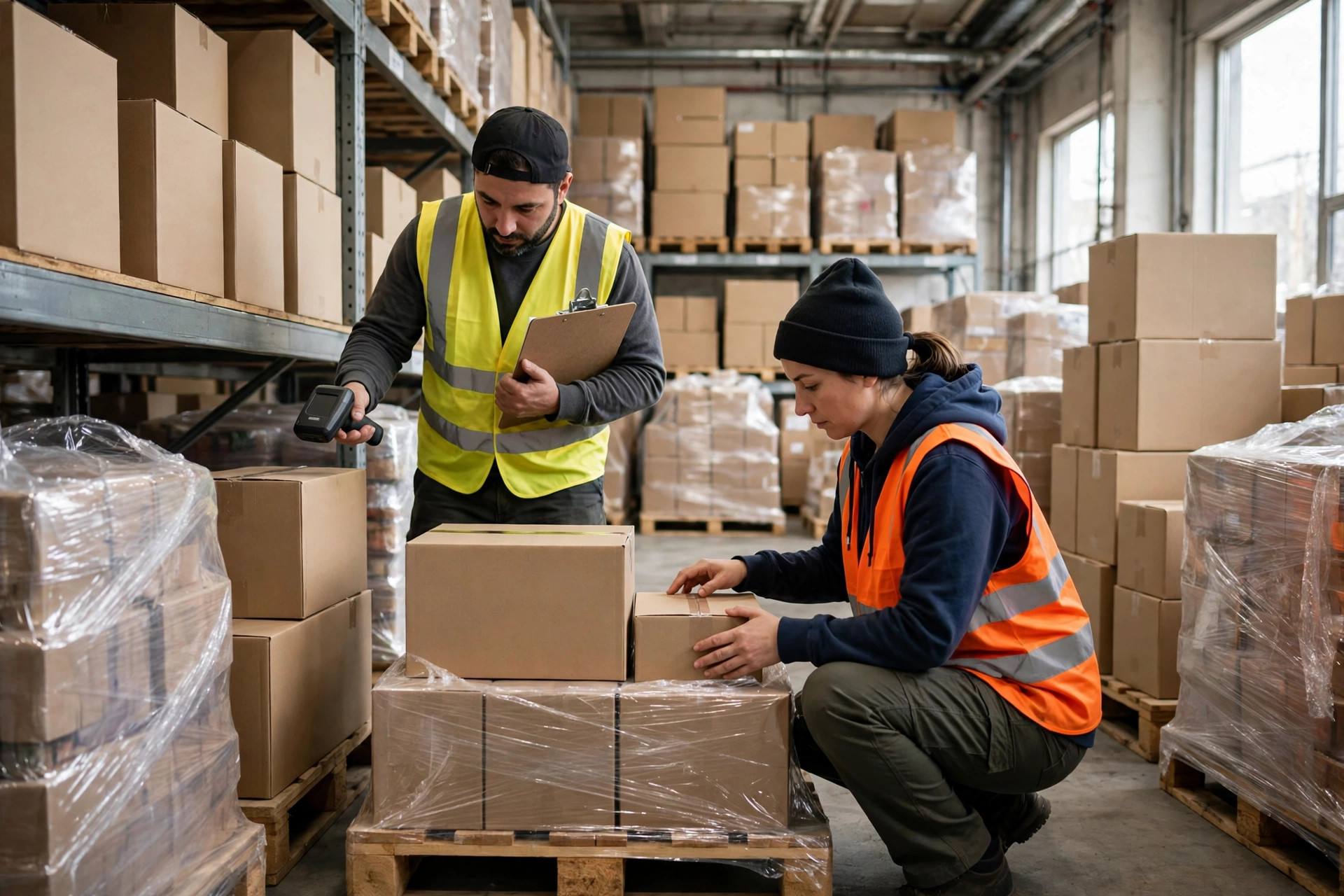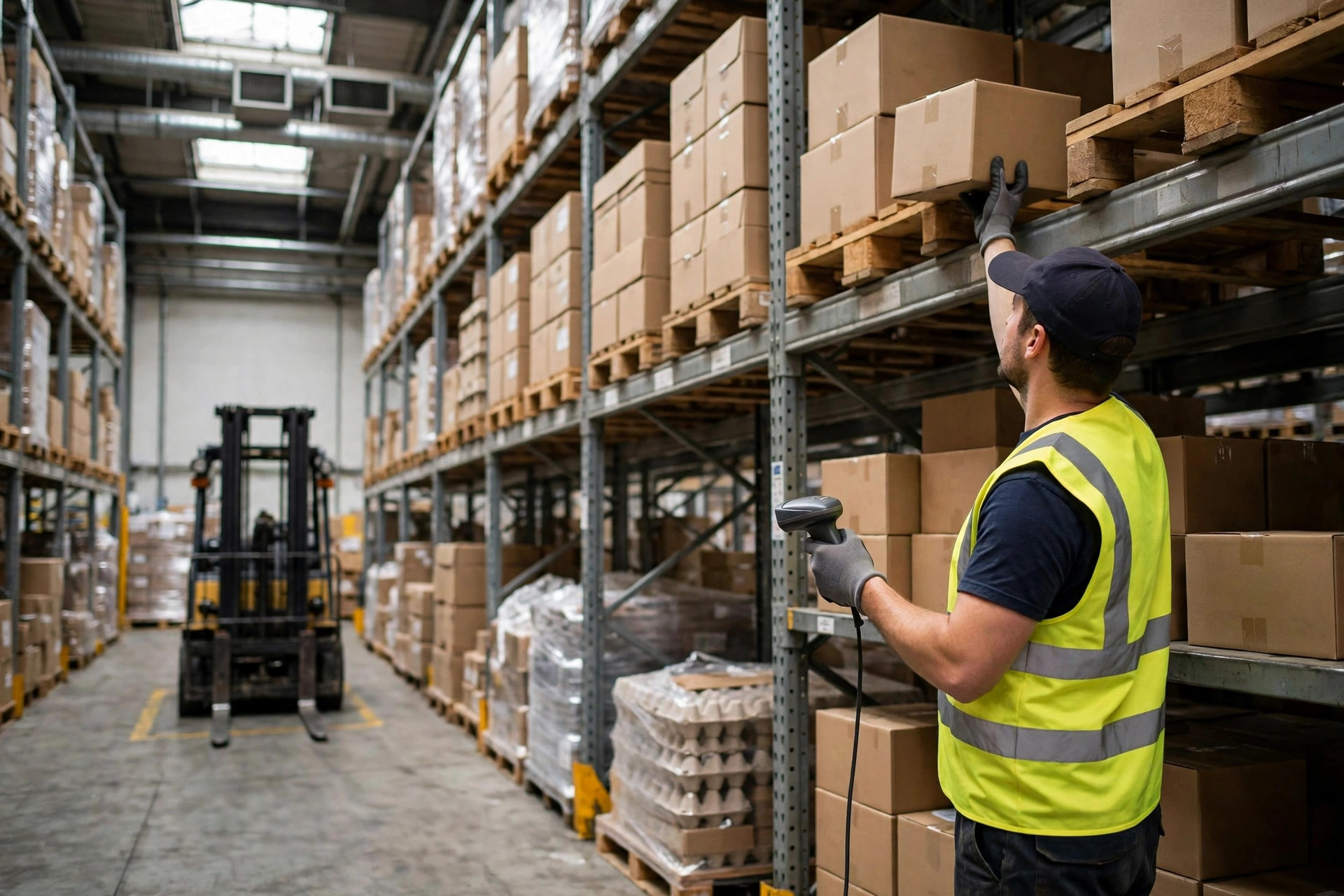
It was 6:40 in the morning when I walked into the warehouse and found Lao Liu, our picking lead, already waiting by the aisle with a shortage slip in his hand. Peak season was a week out, orders were just starting to climb, and one of our pickers, Xiao Chen, had walked to the same rack three times before coming back to report that the location the system swore had stock was empty. Not short by one or two units. A whole pallet, gone. Let me be straight with you: that is the most infuriating kind of putaway errors, the kind where the system says the goods are there, the floor says they are not, and the order just sits there while everyone argues about where the freight went.
The Pick Shortage That Exposed Our Putaway Errors
We did not rush to replenish that day. We held the order and sent two people to trace the putaway record backwards. The record said the night-shift worker, Xiao Li, had put the pallet into Zone B, level three, the evening before. When we got there, the pallet on Zone B level three held a different product altogether. Two locations over, in Zone C level two, we found our goods, labels and quantities all correct, just sitting in the wrong home. Night shift had been short-handed, Xiao Li was covering two people's work, and he scanned the pallet code and moved on before the system confirmation came back. Nobody caught the mistake.
The part worth thinking about is not that Xiao Li moved fast. It is that our process looked fine on paper. The scan happened, the system recorded it, every box appeared to be ticked, and the wrong-location pallet still sailed straight into the books. When we pulled the month's shortage slips, we found four more just like it, all discovered only at picking time. In other words, the bad putaway had not happened that morning. It had been sitting there for days, waiting for a picker to trip over it. The later you find it, the more people get dragged into the search and the longer the order waits.
Why Putaway Errors Cost More Than a Rescan
A lot of people think a misplaced pallet just means moving it once more, no big deal. That is not how the bill adds up. The picker walks over for nothing, reports a shortage, customer service has to explain the delay, someone else goes hunting for the goods, and the stock counters have to reconcile the books afterwards. One bad putaway pulls in four or five people and eats half a day. Worse, it chains: the location that was wrongly occupied reads as empty in the system, so the next putaway can stack another product on top of it, and one mistake breeds the next.
There is a sneakier kind too: same product family, different variant. The packaging looks almost identical, the model code differs by a single digit, and a tired eye or a scanner angled slightly off picks the wrong one. That kind of misplacement does not even show up when you walk the aisle, because the rack looks full and the system quantities reconcile. It only surfaces when someone picks that exact variant. During peak weeks, those are the ones that pile up.
Let me be straight with you: you cannot run a warehouse on pickers bumping into mistakes by luck. Finding it at picking time means the error has already lived in your system for days and the customer order has already suffered. The useful move is to catch it before picking ever gets there.
The Detection Routine We Run Now
The first fixed habit is tracing every pick shortage backwards, fast. When a shortage appears, the order is held, and within half an hour someone traces it to the putaway step: who put it away, when, whether the system confirmation came back, and whether the neighboring locations were checked. The result goes on an exception slip, and we review the whole pile at the weekly meeting. If the same team or the same zone keeps showing up two weeks running, we pull that one apart on its own, not to punish anyone, but to see whether the roster or the process is buckling.
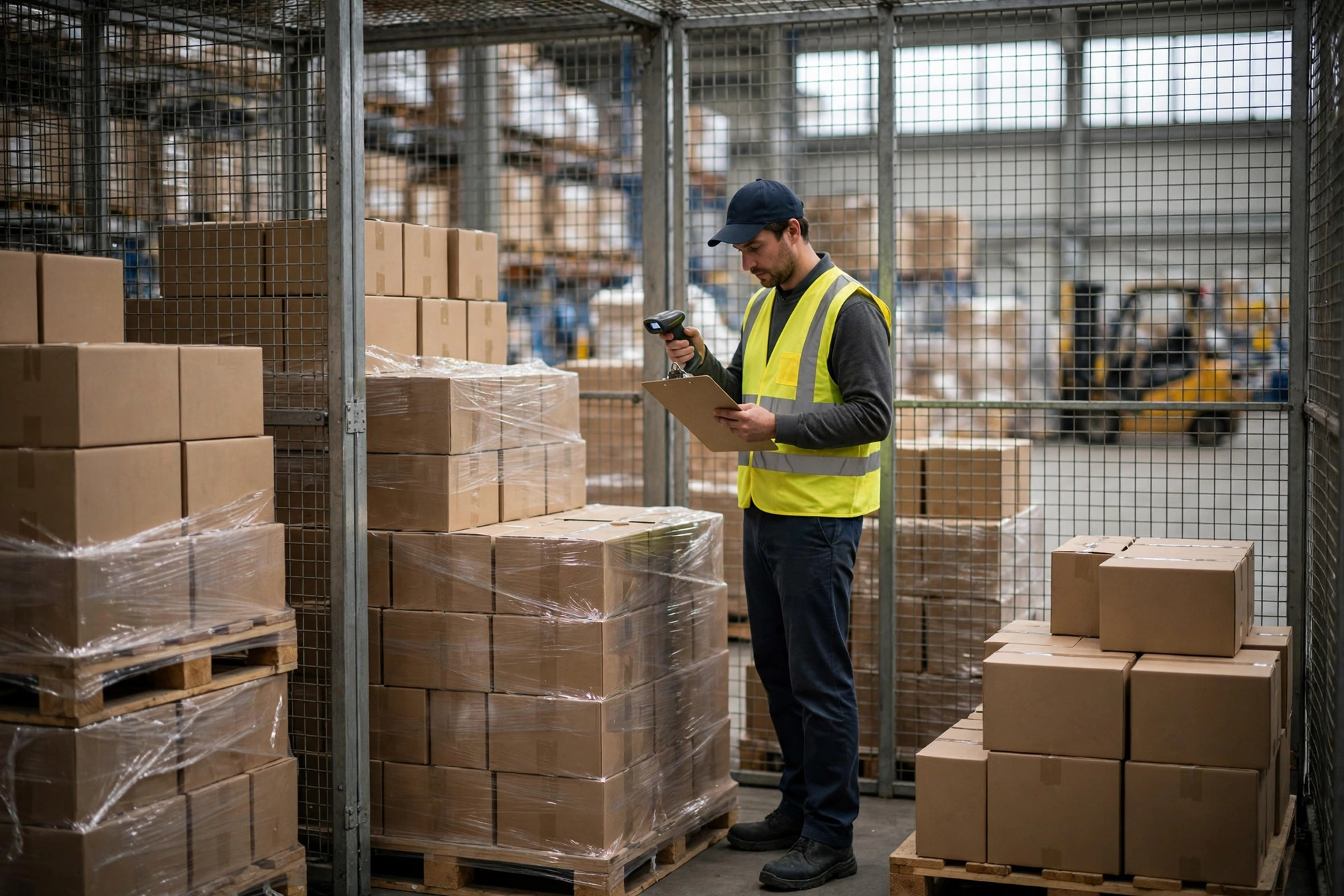
The second habit is location sampling. Every morning before work starts, the shift lead pulls forty locations at random and checks the physical goods against the system. Ten minutes, done. Sampling is not a full stocktake, and we only do a full count about once a month, because counting everything every day would cost a fortune and wreck normal work. Sampling is cheap and quick, and misplaced stock cannot hide from it for long: after three months of sampling, the worst zone in our warehouse shifted from Zone B to Zone C, where the newest hires were concentrated, and suddenly the problem had an address. It was a staffing and training problem, not a vague complaint that people were careless.
| Method | When it finds the problem | Labor it takes | What it is best for |
|---|---|---|---|
| Shortage trace-back | At picking, after the order is already hurt | About half an hour per case | Chasing a single blown order to its root |
| Daily location sampling | Before picking, ahead of the damage | About ten minutes a day | Zone-wide or batch misplacement |
| Weekly exception review | At the weekly meeting, spotting patterns | About an hour a week | Repeat problems rooted in process |
| Second check after putaway | Right at putaway, stopping it on the spot | A little extra time per pallet | Single high-value pallets |
One more case is worth telling on its own. Around the middle of last month, the same product kept appearing on the exception slips three weeks running, always in the wrong place. The trace-back showed it was not one person: three different workers on different shifts had all put it in the wrong spot. The product had switched to new packaging that looked nearly identical to the neighboring product, veterans placed it by feel, newcomers copied the veterans, and they all made the same mistake. The lesson was simple: when mistakes cluster, look at the product and the location first, not the person. We moved those two products to different zones, two rows apart, and the item never appeared on the exception slips again the following month.
Another gap people overlook is the system's forced confirmation. Sometimes a location will not scan, or a pallet code is worn, the system throws a warning, and a worker in a hurry taps "force confirm" to get past it, leaving the system with no idea where the goods actually went. Our rule now is that every forced confirmation lands in the exception queue automatically, and the shift lead must verify it on the floor the next day. Anyone forcing more than three in a row gets a same-day chat about roster and training, not a scolding, just a question about what is making that zone hard. Forced confirmations fell from a dozen or so a day to two or three, and both the books and the floor got cleaner.
The third habit is pairing newcomers with a veteran and keeping look-alike products apart. New hires spend their first two weeks in one fixed zone, no zone-hopping, no night shifts alone. Products whose packaging looks alike, or whose codes differ by one digit, never sit in adjacent locations; there is at least an aisle or a full row between them. It sounds clumsy, and it works better than anything fancy we tried, because most misplacement is not an attitude problem. It is a tired person facing two products that look the same, in an environment that does nothing to help them tell the difference.
Here is the counterintuitive part, and I mean this for any manager reading: when you hunt for misplaced stock, do not start with blame. We used to do that. Every shortage triggered a search for who put it wrong, and the result was that people started covering for each other. Reported mistakes dropped, the books looked prettier, and the goods got harder to find. We changed the rule: reporting your own mistake costs you nothing, and only problems found by trace-back lead to a process conversation. Mistakes that get reported can be fixed. Mistakes that get hidden are the real trouble. Ten minutes of sampling a day, one exception slip a week, that is the whole routine, and if you stick to it, the shortage slips get fewer on their own. Keep an eye on your forced confirmations this week. That number will tell you more about your warehouse than any monthly report.
By Chen Feng, Warehouse Operations Manager