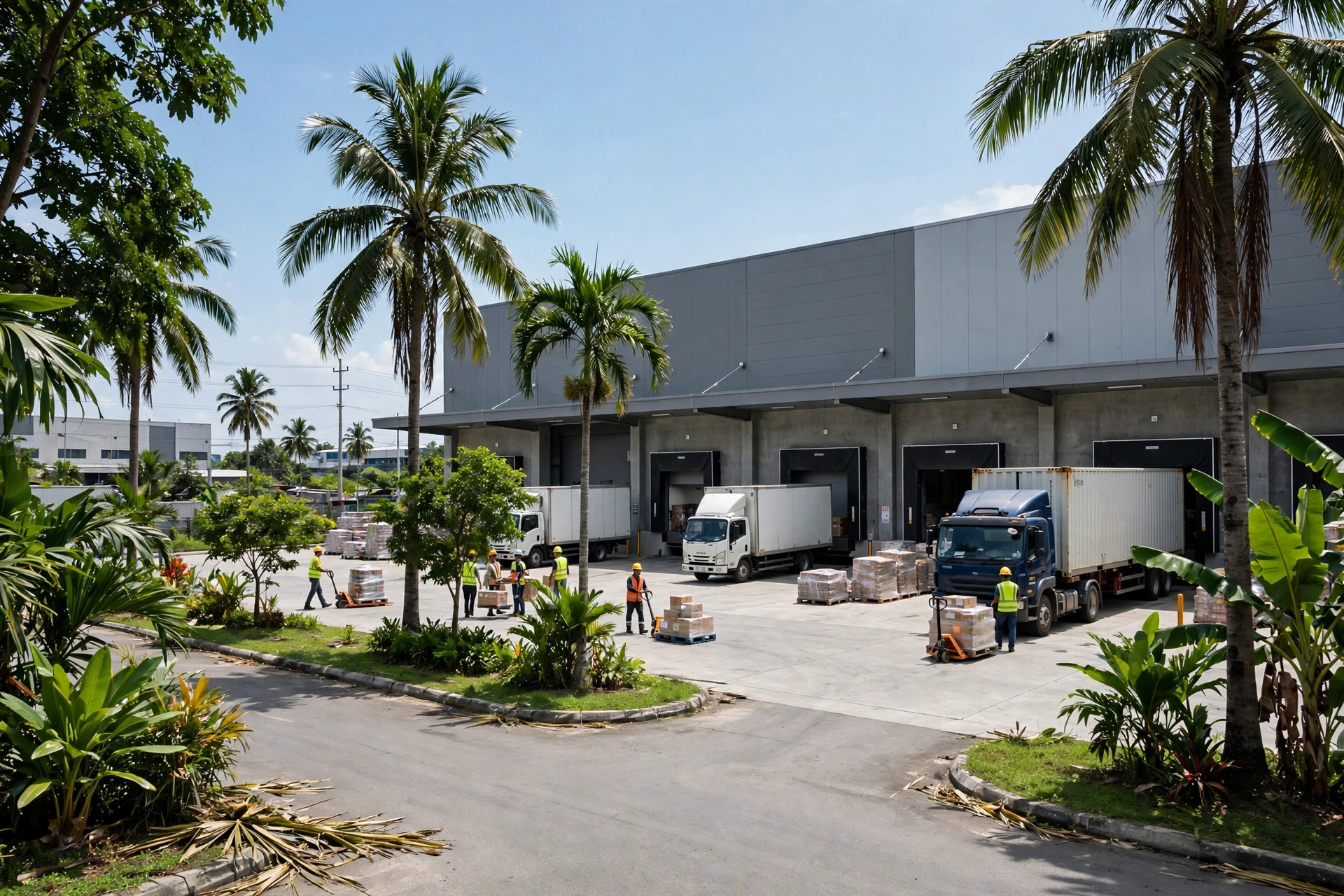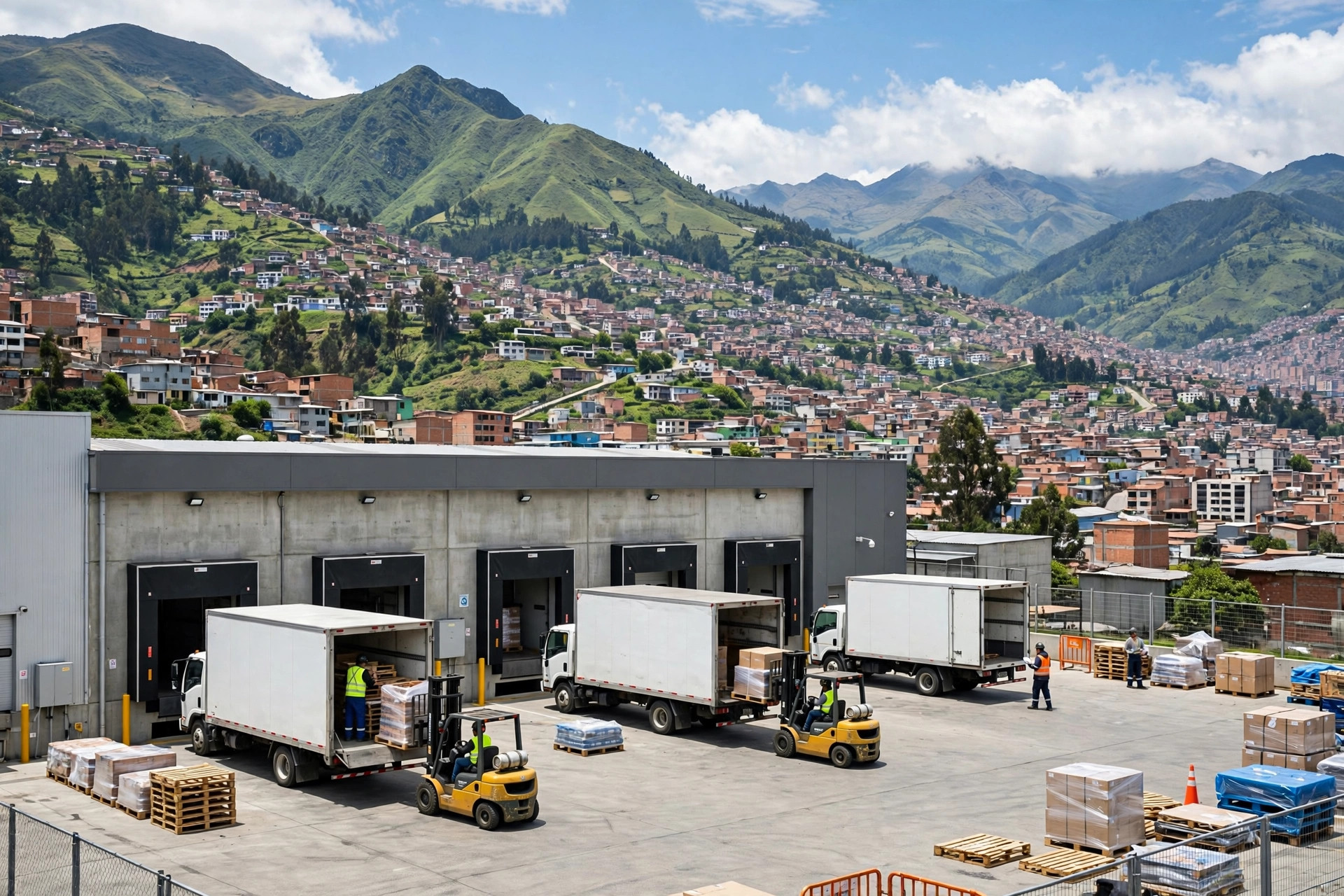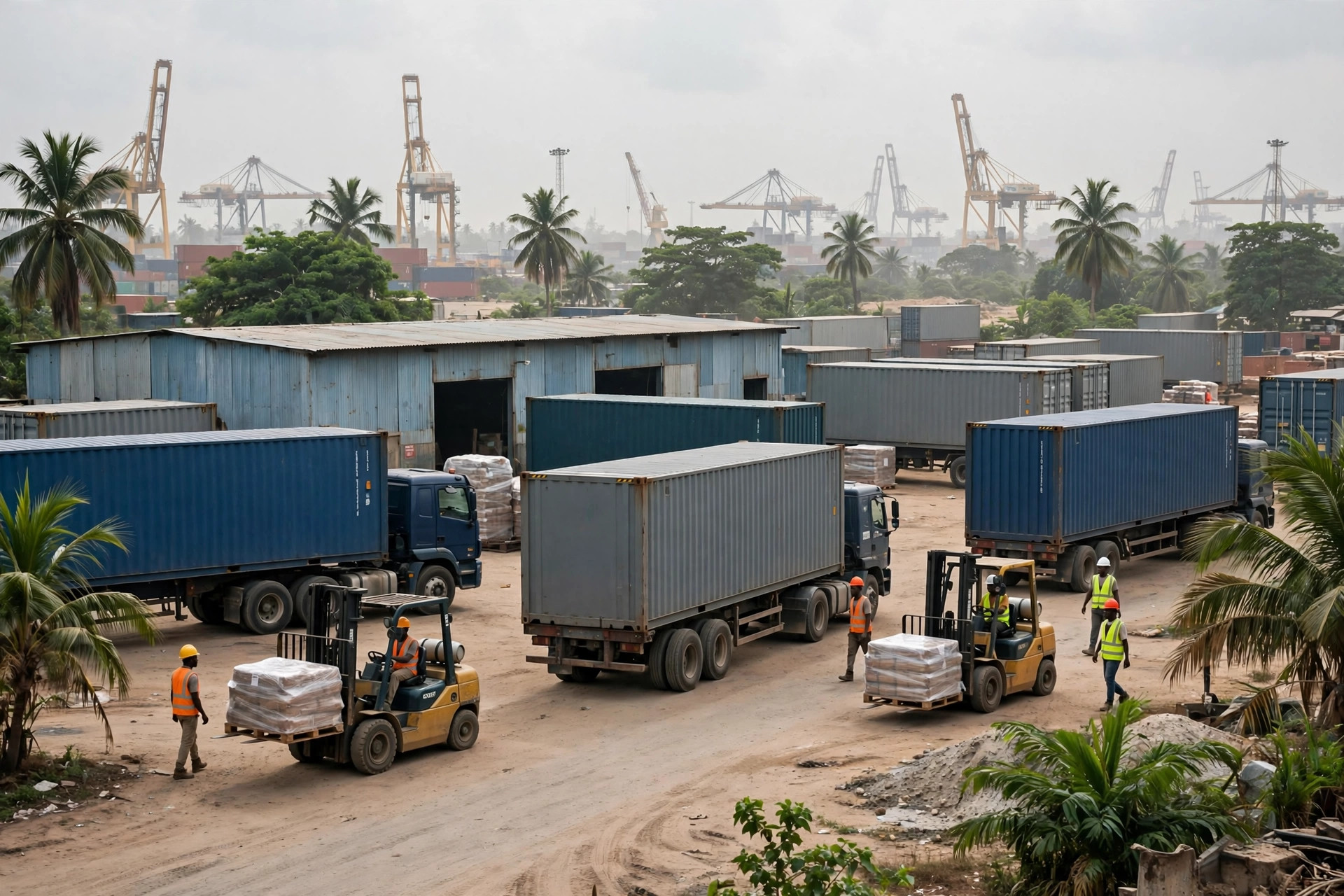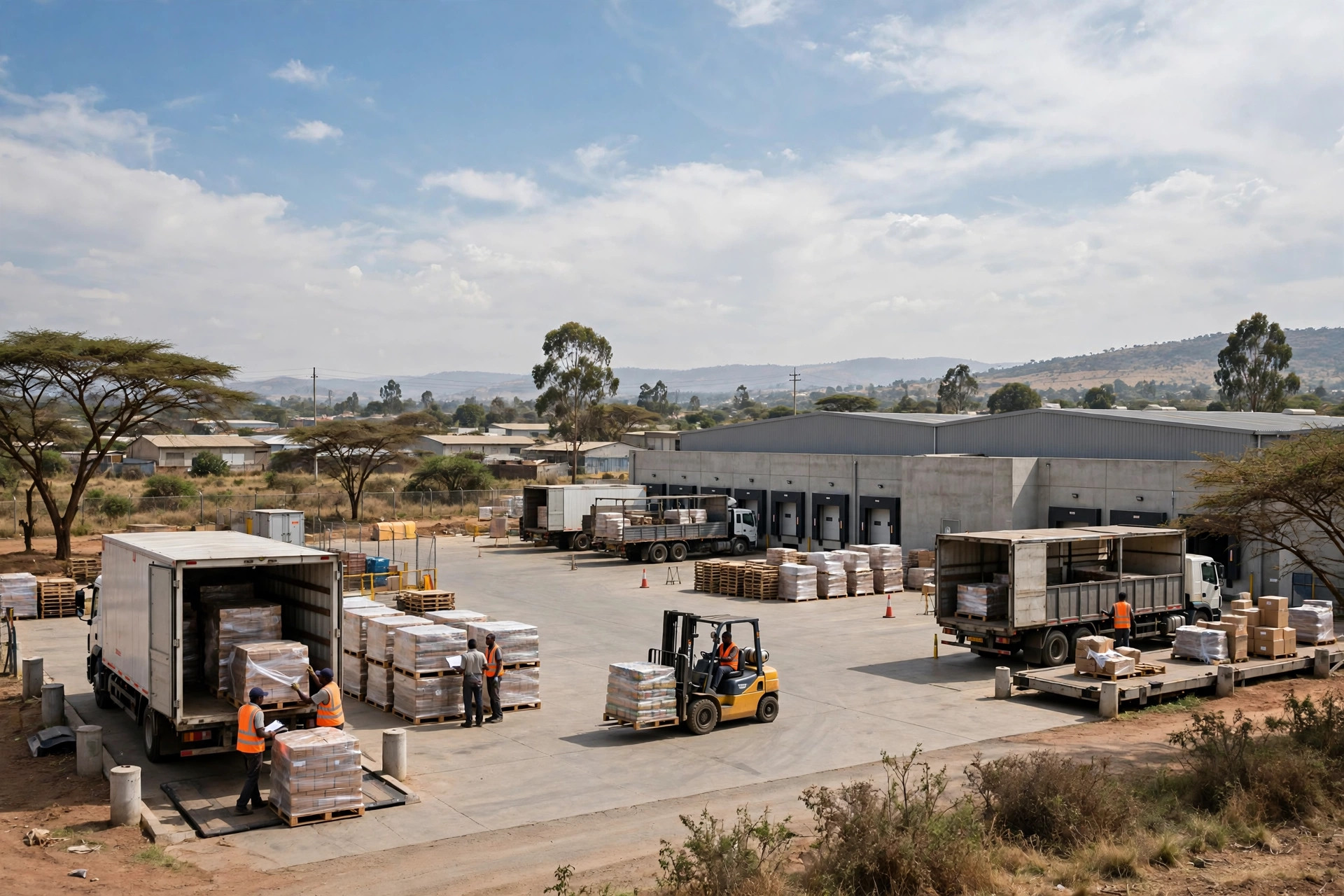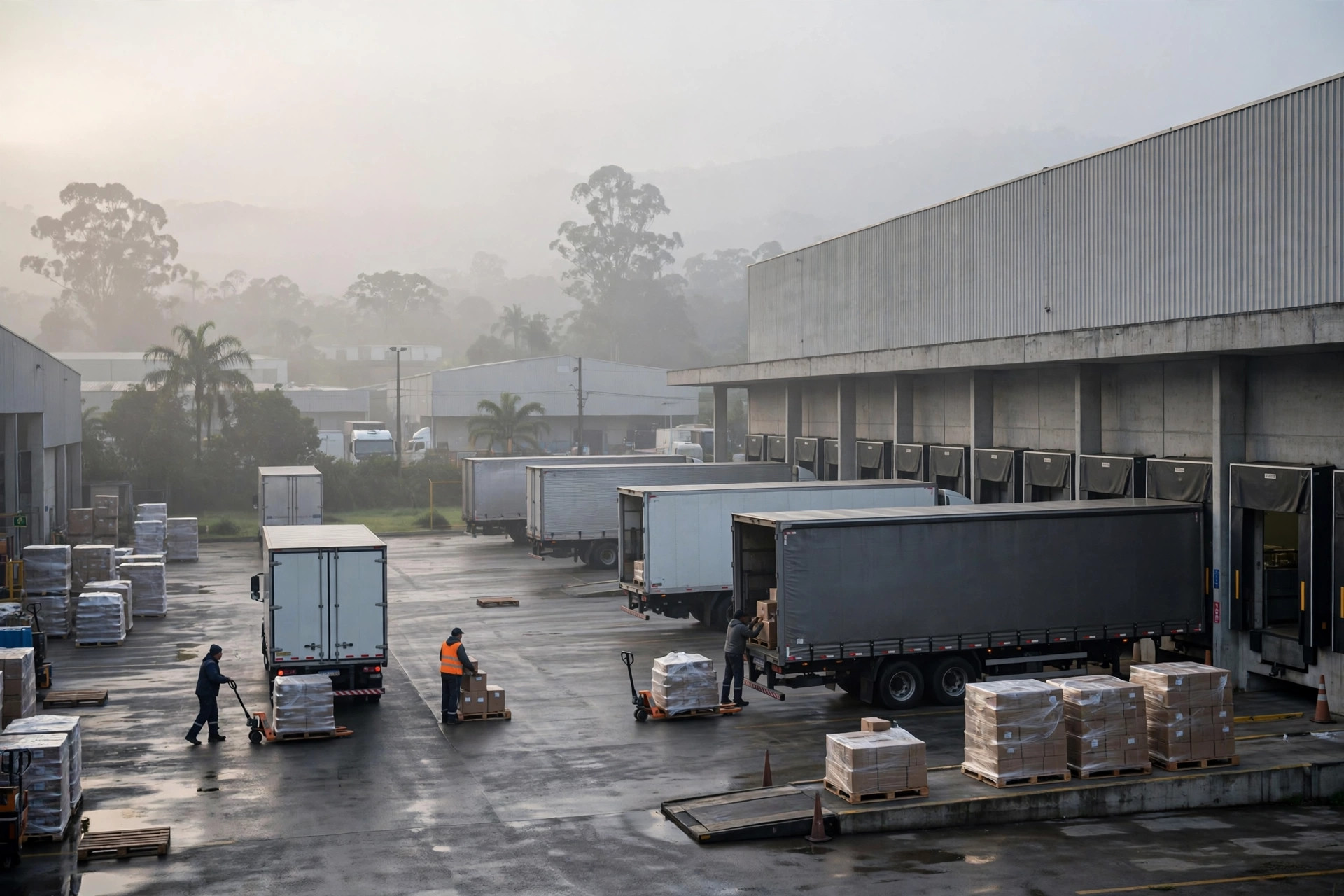
Let me tell you something about the São Paulo warehouse market: do not start with the rent sheet. Ride along on a truck instead. Before dawn I was rolling out near Guarulhos airport, trucks queued up at the docks, dock lights on, forklifts running back and forth, and a shipper on the phone chasing city deliveries. That one run taught me the real lesson. Where you put a warehouse is not about distance on a map. It is about time on the road, how smoothly you can get into the city, whether you can find workers, and whether your freight is safe at night.
After all these years on the road, I have watched too many shippers pick a site on one number and then give every cent they saved right back on the highway. São Paulo is huge, traffic is a daily fact of life, and one wrong site choice can cost a driver a whole run in a day. Drivers who have run these routes carry a different kind of map in their heads, and it does not match the brochure.
The São Paulo warehouse market along the Guarulhos corridor
The appeal of the Guarulhos area is something every driver understands. You are close to the airport, so imported freight can come off a plane and into a warehouse without crossing half the city. Shippers handling imports and urgent orders like to sit in this corridor, because freight can be broken down, sorted, and sent on its way fast.
There is a harder side to it as well. Rent here runs higher than inland, and that is the bill everyone sees. The bill nobody prints is the traffic. In the morning peak, a few dozen kilometres into the city can eat up half a day. One winter morning I arrived at a warehouse near Guarulhos at three in the morning to pick up a load. Seven trucks were already queued at the docks. Mine waited more than two hours to load, and by the time I reached the city customer it was nearly noon. The shipper was anxious on the phone, I was anxious on the road, and the warehouse crew was anxious too.
Guarulhos suits freight that is high value, time sensitive, and heavy on imports. When freight has to move the day it lands, a day late is a real loss, and the higher rent and the traffic headaches are worth swallowing. When your freight is in no hurry and you only picked the corridor because it is near the airport, run those numbers again.
One more thing you only learn by running the route: in the Guarulhos area, the dock operation matters more than a few extra kilometres closer to the airport. Can a driver load right away, is the paperwork ready, are there enough forklift hands? I have seen two warehouses side by side, one with sharp dock scheduling where a truck could leave in half an hour, and another where paperwork sat in an office and trucks waited all morning. Stand at the dock for half an hour when you tour a site; that tells you more than any brochure.
The São Paulo warehouse market inland: cheaper rent, a longer road
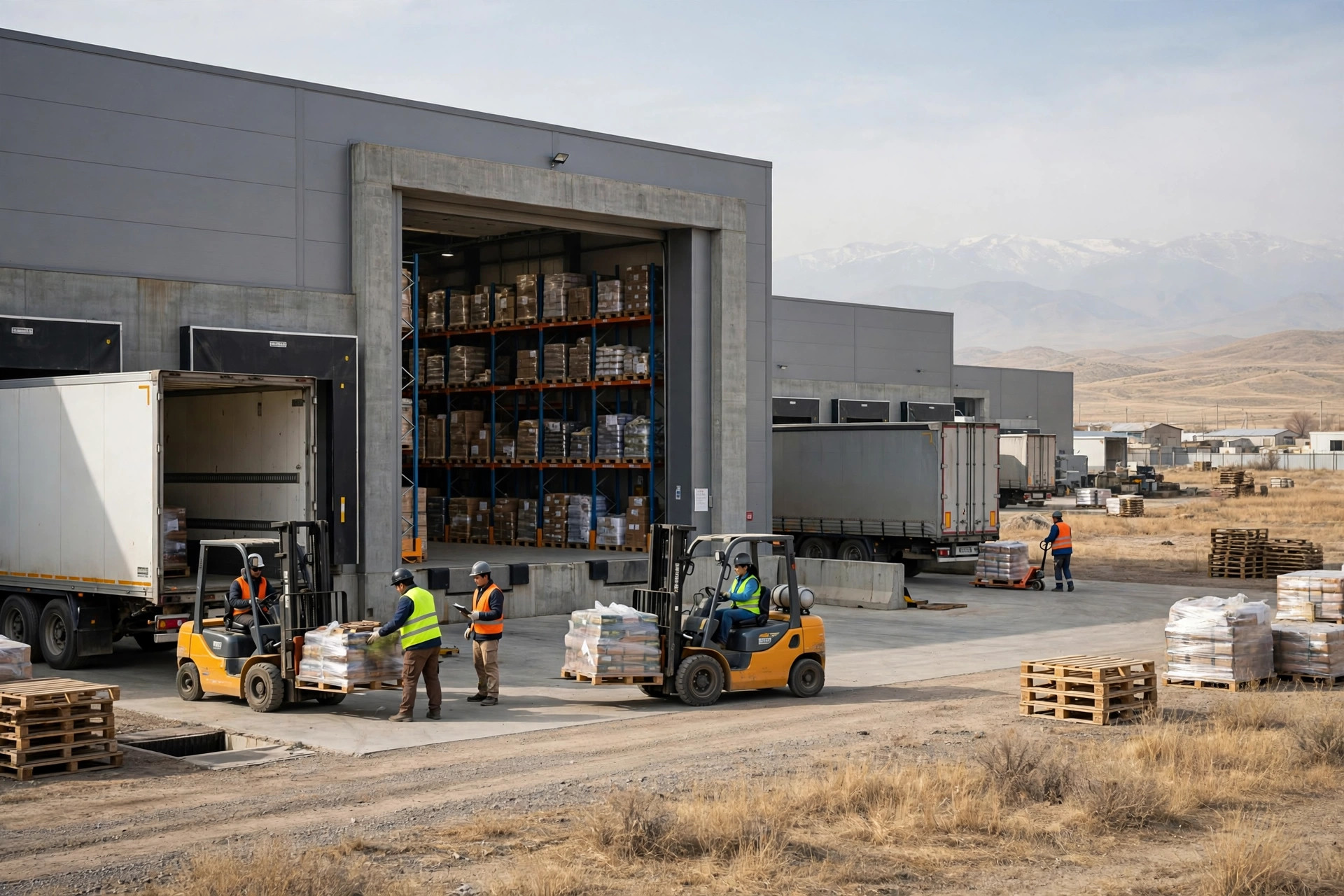
Head toward Campinas and Sorocaba and the picture changes. Rent is lower, plots are bigger, trucks move in and out easily, and workers often live nearby, which makes hiring simpler. Shippers holding large volumes or serving a whole region often keep their main warehouse inland and a small cross-dock point in the city. I have seen that pattern work well: the inland warehouse picks and packs through the day, trucks leave at night, freight reaches the city point before dawn, and smaller vehicles fan out to customers.
The trap for newcomers is trusting the map. A place that looks close to São Paulo can drive very differently, especially in the rainy season or when an accident closes a lane on the highway. A run can stretch by two or three hours. A friend moving home appliances shifted his warehouse from Guarulhos to an inland site a couple of years ago to save on rent. His morning city orders kept arriving in the afternoon, and he lost two long-standing customers before he set up a city cross-dock point again. The rent he saved did not cover the customers he lost.
An inland warehouse truly pays when your volume is big enough to fill whole trucks and you control your own departure times. If your orders are small, scattered, and customers keep asking for morning delivery, an inland site will wear you out. Inland parks can be quiet at night, so higher-value freight needs proper fencing, lighting, and guards on duty. Do not sign just because the rent looks cheap.
Close-in sites for last-mile work
A warehouse close to city customers plays a different game altogether. The space is small, the rent is steep, and trucks have to work around restricted hours. The city has truck restriction schemes at certain times, so check the official source for the latest policy rather than trusting old habit. What a close-in site buys you is proximity. A small van can serve several customers on one run, returns are easy to handle, and an urgent order can be answered the same day.
I ran freight for a small city warehouse with only two dock doors, and it did fine. Its orders were all small, frequent city drops, seven or eight runs a day, drivers who knew every street by heart. A customer could add an order before noon and have it the same afternoon. That business won on turnover speed and response speed. A small warehouse is fine, but freight sitting still costs money.
Returns are where a city site really earns its keep. A small-appliance customer I worked with last year had heavy city returns. Freight sent back needed inspection, repacking, and restocking, and a round trip to an inland warehouse took two days, which frustrated customers. Once he kept a small city point, returns could be processed the same day and back on sale the next day. In last-mile work, how fast you handle a return often keeps a customer longer than how fast you deliver.
Here is the counterintuitive part, and I will put it plainly: the warehouse closest to the customer is not always the fastest warehouse. A city site looks close, but dock space is tight, loading is slow, and restricted hours bite, so the number of runs in a day may be no better than an inland warehouse sending a full truck overnight. Turn it around and the inland site looks far, yet a full truck running at night and arriving at a city point on time can give customers a steadier experience. Speed is about the rhythm of the whole trip, not the straight line on the map.
| Site choice | Suits whom | What the road feels like | Watch out for |
|---|---|---|---|
| Guarulhos corridor | Imports, urgent orders, high-value freight | Near the airport, city peak traffic jams hard | Higher rent, dock queues eat time |
| Inland direction | Big volumes, full trucks, planned departures | Roomy roads, rain and accidents add hours | Morning city orders can slip, security must be covered |
| Close-in city site | Small orders, frequent drops, urgent orders | Near customers, vans make many runs a day | Small space, restricted hours, turnover must stay fast |
My advice to shippers and warehouses comes down to honest questions. Shippers, ask yourselves: are most of my orders urgent or stock orders, full truckloads or scattered small drops? Those two answers settle most of the site decision. Warehouses, do not sell only on cheap rent. Lay out departure times, city entry rhythm, and cross-dock plans in the open, because a lost customer costs far more than a rent saving. Before signing, both sides should ride one real trip together, warehouse door to customer door. One run tells the whole story.
After all these years, I trust an old saying from the road: there is no best warehouse location, only the location that fits your business. Go inland to save money, squeeze into the city for convenience, or hold near Guarulhos for the airport, and every road has drivers who made it work and drivers who got burned. Get your volumes, your delivery promises, and your freight value straight in your own mind, then pick the warehouse. The road will punish fewer mistakes that way.
By Shifu Zhao, Trucking Veteran (15 yrs)