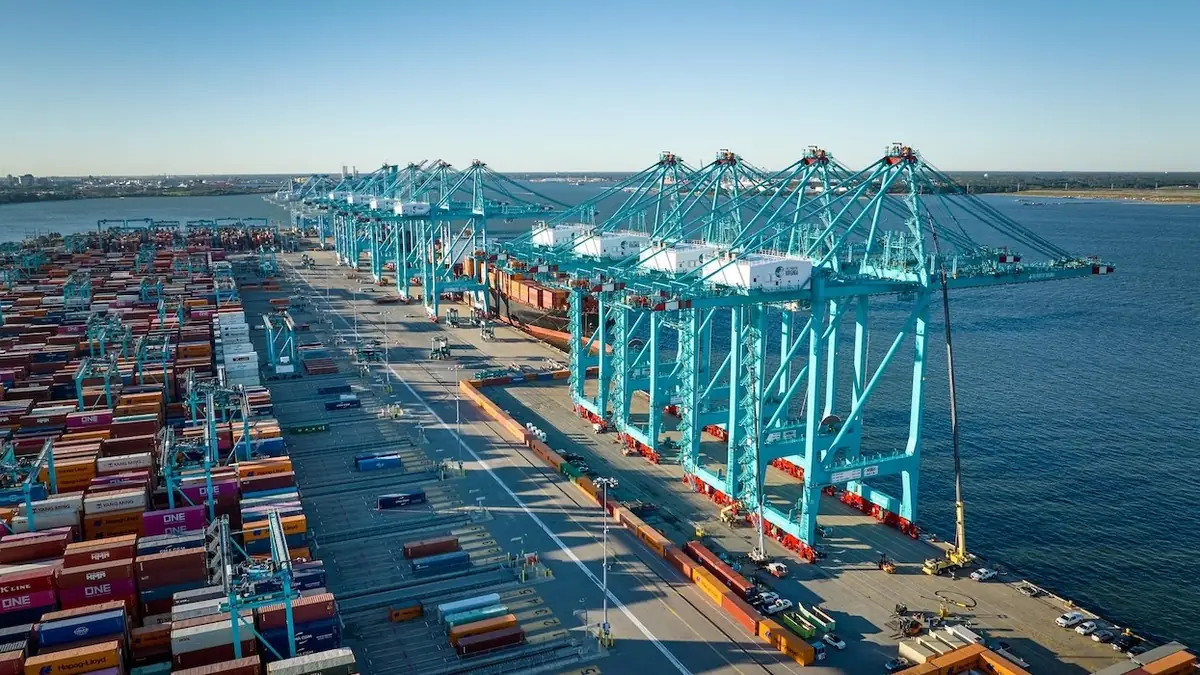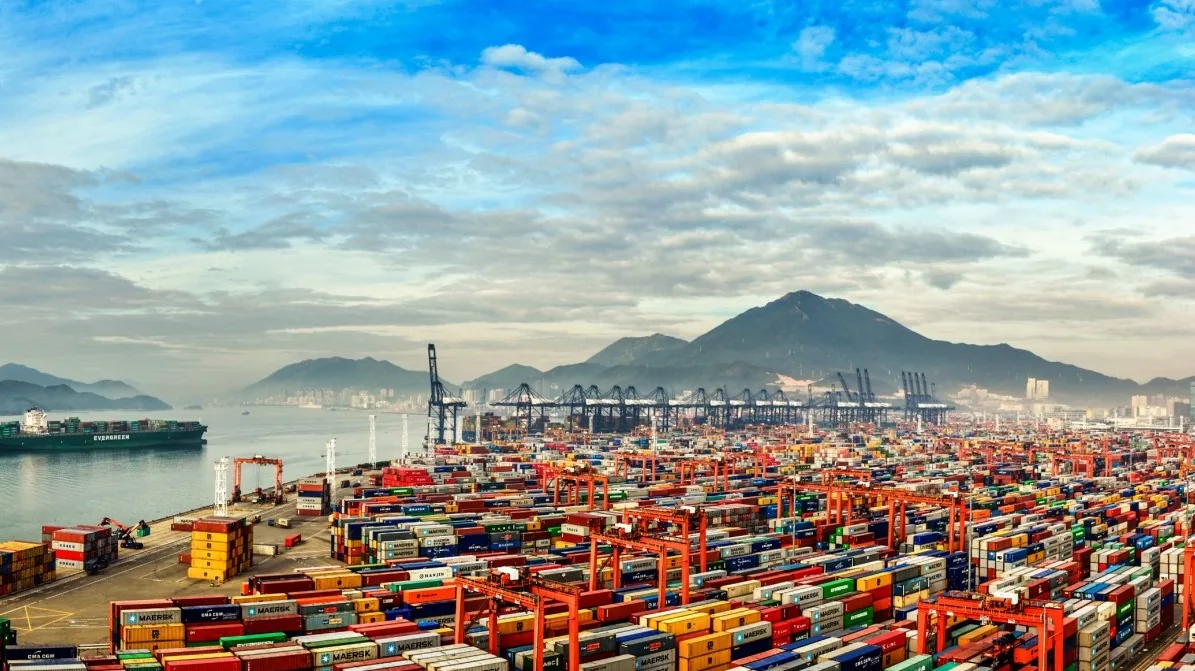
Let me tell you something. When people ask me about Yantian port warehouse logistics, I tell them to forget the map and watch the clock. I have been driving trucks for fifteen years, and Yantian is the port I know best and the one I respect most. In 2024 Yantian handled 12.49 million TEU, out of Shenzhen's total of 30.04 million boxes. That is more than forty percent from one terminal. Big ships, heavy volume, strict rules. If this is your first delivery here, do not relax when the navigation says you have arrived at the port area. The real work is only just starting.
Last autumn, right in the middle of peak season, I hauled a load out of a factory in Dongguan to Yantian. I reached the gate queue at three in the morning, and the line of trucks stretched as far as I could see. Four hours later I finally got through the gate, and by the time the box was off the truck, the sun was up. That same week, a buddy of mine hauled a similar load to the west side of Shenzhen. He drove a few dozen extra kilometers and still got home before me. That is when it really sank in: Yantian port warehouse logistics is not about the straight line on the map. It is about what time you arrive, which road you take, and which wave of ships you are chasing.
Yantian port warehouse logistics: whose cargo fills the 12.49 million boxes
Yantian's cargo is, plainly put, the cargo of the factories east of the Pearl River Delta. Electronics, toys, and furniture out of Dongguan, Huizhou, and eastern Shenzhen roll east, and Yantian is the nearest deep-water terminal. Shenzhen handled 30.04 million TEU in 2024, up 2.8% year on year, and Yantian is the biggest piece of it. In the first eight months of 2025, Yantian moved another 10.59 million TEU, up 9.6% and a record. Heavy volume means dense sailings: Yantian runs about 100 weekly liner services, with plenty of direct sailings to the US and Europe.
Big ships bring their own headaches. On October 2, 2025, a single vessel at Yantian worked 28,684 TEU, a record for any Chinese port. That number sounds impressive, but think it through: nearly thirty thousand boxes on and off one ship means the berth, the yard, and the gate all have to move with that one vessel. Shippers like big ships because they load more. Drivers know big ships mean longer queues. There is no right or wrong here, only which wave you happen to catch.
I once hauled for a cross-border e-commerce client whose goods came out of a Huizhou warehouse to catch a sailing to the US West Coast. His warehouse sat close to Yantian, and he picked it for the dense schedule. Then a typhoon pushed the sailing back two days, and his cargo sat two extra days in a warehouse outside the port. The rent was not the problem. The problem was the listing dates he had promised his customers, all thrown off. After that, he always built in an extra day of buffer. His words stuck with me: the time on the sailing schedule belongs to the ship, not to you.
Yantian port warehouse logistics: where to put your warehouse
Warehouse space around Yantian comes in three rough tiers: inside the port area, around Yantian itself, and further out toward the edges of the bay. Inside the port, you are closest to the ship, which suits cargo racing a sailing cutoff and afraid of being rolled. Around Yantian, rent drops a notch, and the space suits deconsolidation, consolidation, and sorting. Further out, rent is lower still, but every trip adds a mountain road, which suits buffer stock that is in no hurry.
After all these years on the road, the one thing I keep telling shippers is this: cheap rent does not mean cheap total cost. Take a shipment that clears a port-area warehouse in 5 days against the same cargo sitting 25 days in a cheap warehouse further out. The rent per square meter looks very different, but add the extra fuel, the tolls, the driver's waiting time, and the capital tied up in the goods, and the port-area warehouse often comes out cheaper.
Here is the costing framework I use with shippers. The figures are an illustrative example to show the method, not quoted rates; actual rates are subject to the latest official policies:
| Option | Rent | Overland leg | Dwell time | Best for | | Port-area warehouse | High | Short | Under 5 days | Racing a sailing, rollover risk | | Near-Yantian warehouse | Medium | Medium | 5–15 days | Deconsolidation and sorting | | Outer warehouse | Low | Long | Over 15 days | Slow buffer stock |
All figures above are illustrative examples to demonstrate the costing method; actual rates are subject to the latest official policies. Before signing anything, get three charges in writing: rent, handling, and storage beyond the free period. Storage charges are invisible on a quiet week and double when sailings go sideways. That is the line item that catches people out.
Here is something most people do not expect: Yantian's automation helps the ships, not your truck. The more automated the terminal, the faster the big vessels turn around. But the gate is the gate, and the queue is the queue. Automation cuts the time ships wait. It does not cut the time trucks wait. So do not hear "automated" and think everything is taken care of. The booking, the paperwork, and the pickup sequence still have to be right.
One more thing people who deal with warehouses understand well: the pickup sequence at Yantian does not follow the order trucks arrive. Berthing, discharge, and yard moves each run on their own rhythm. You can be at the gate on time and still find the box is not ready to lift; the box can be ready and the paperwork still not be. Old hands know to check three things before entering the port: the pickup order, the booking number, and the plate number. One smooth trip through the gate beats arriving an hour early.
Yantian port warehouse logistics: what the automation business really helps
This port keeps growing. The eastern operating area is adding three large container berths with a designed annual capacity of 3 million TEU. More capacity means more ships and more cargo. But for those of us behind the wheel, bigger capacity does not mean an easier road. More berths and a bigger yard mean more trucks at the gate too. When peak season comes, the roads outside the port still jam.
I have seen too many shippers stare only at the sailing schedule. The schedule is not wrong, but it does not tell you what time you can get through the gate. The way Yantian works comes down to three things. First, make the booking early, not when you are already at the gate. Second, get the paperwork right the first time; one correction costs you half a day. Third, leave buffer: at least half a day extra in peak season, a full day when typhoons are around. They sound like simple rules, and that is exactly why they work.
Here is a counterintuitive call: the bigger Yantian gets, the less you should put all your cargo through this one port. Yantian alone carries more than forty percent of Shenzhen's volume. Dense schedules are dense, but when a typhoon hits, inspection peaks, or sailings get shuffled across the board, your cargo is stuck on a single road. A shipper with a backup port can switch routes when schedules fall apart. A shipper with every egg in one basket can only wait. Yantian is a fine port, but even a fine port needs a backup.
My take on this business is simple: Yantian is the smoothest way out for factories in eastern Shenzhen, with the most ships, the densest routes, and capacity still growing. But smooth does not mean carefree. Get the rent, the storage charges, and the gate rhythm straight, and Yantian port warehouse logistics will actually make you money.
There is an old saying among drivers: there is always a road ahead once you reach the mountain, but you had better know where the mountain is first.
By Shifu Zhao, Trucking Veteran (15 yrs)