So when does a warehouse need a YMS instead of spreadsheets? After running a 3,000-square-meter 3PL yard with nothing but a paper logbook and a walkie-talkie, here is my answer: the day you cross 20 trucks.
Full disclosure up front: I am not here to sell you software. The big-vendor pitch — six-figure implementation, RFID on every trailer, consultants living in your office — is not built for shops like mine. We cannot burn that kind of money. This is the story of how truck volume cornered us, and how we solved it on a small-warehouse budget.
Our Redneck System: Whiteboard, Spreadsheet, Walkie-Talkie
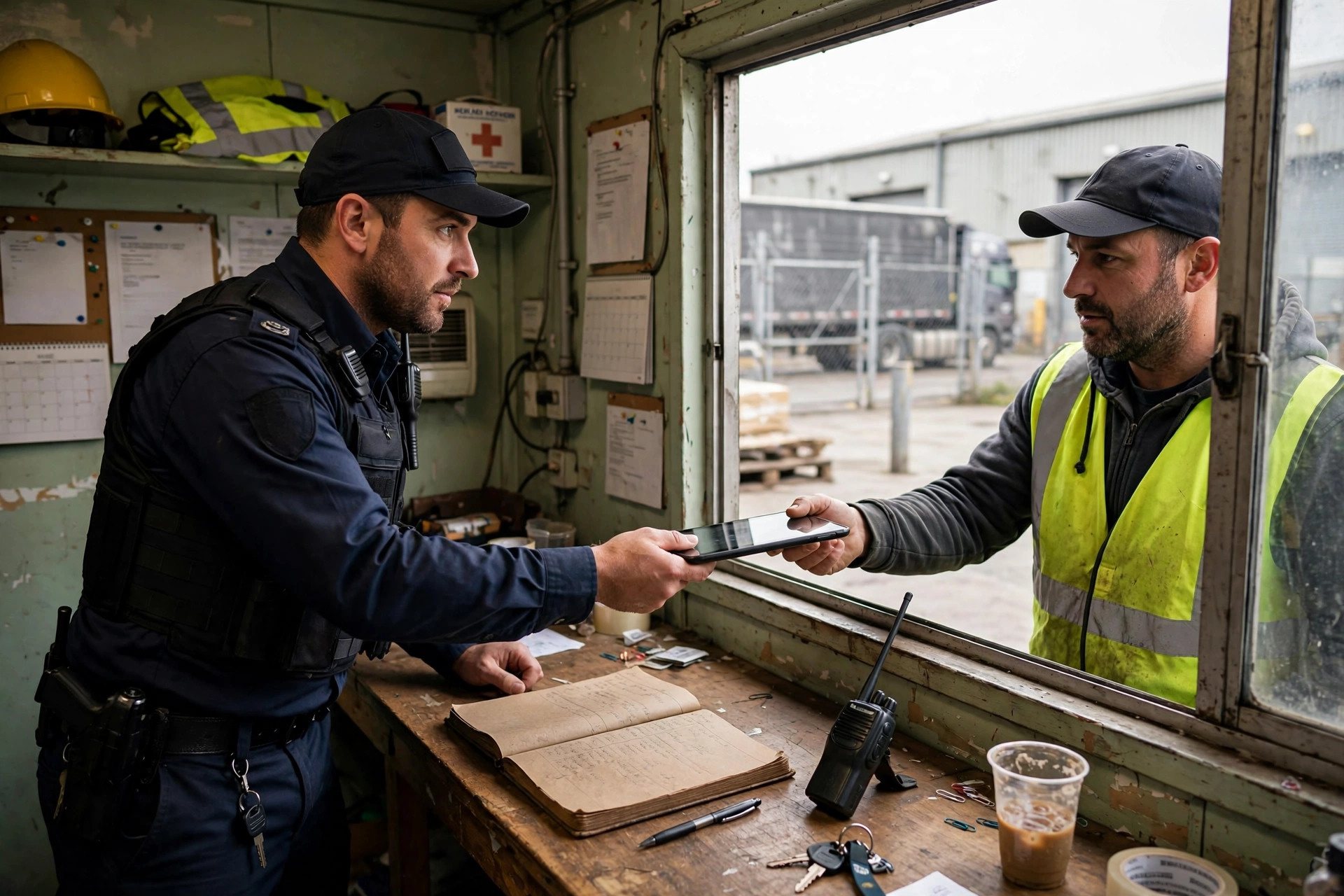
The first two years, we ran 8 to 12 trucks a day, and honestly? The redneck system was great. Big whiteboard on the guard shack wall, grid drawn with a marker, one square per door, trailer numbers on magnetic tiles — truck leaves, tile comes off. A spreadsheet logged gate times for month-end billing. One shout on the walkie-talkie — "door 3 is open" — and the forklift rolled.
Total cost: a 40-dollar whiteboard and a bag of magnets. The spreadsheet was free. With that volume, our guard handled everything solo and barely made a mistake. Back then, if anyone pitched me a YMS, I assumed they were trying to fleece the little guy.
The beauty of the manual system was flexibility. A trailer shows up early, a door assignment changes — you just move a magnet. No fighting with software. Small teams survive on that kind of improvisation.
The 20-Truck Ceiling: Where Spreadsheets Stop Working in the Yard
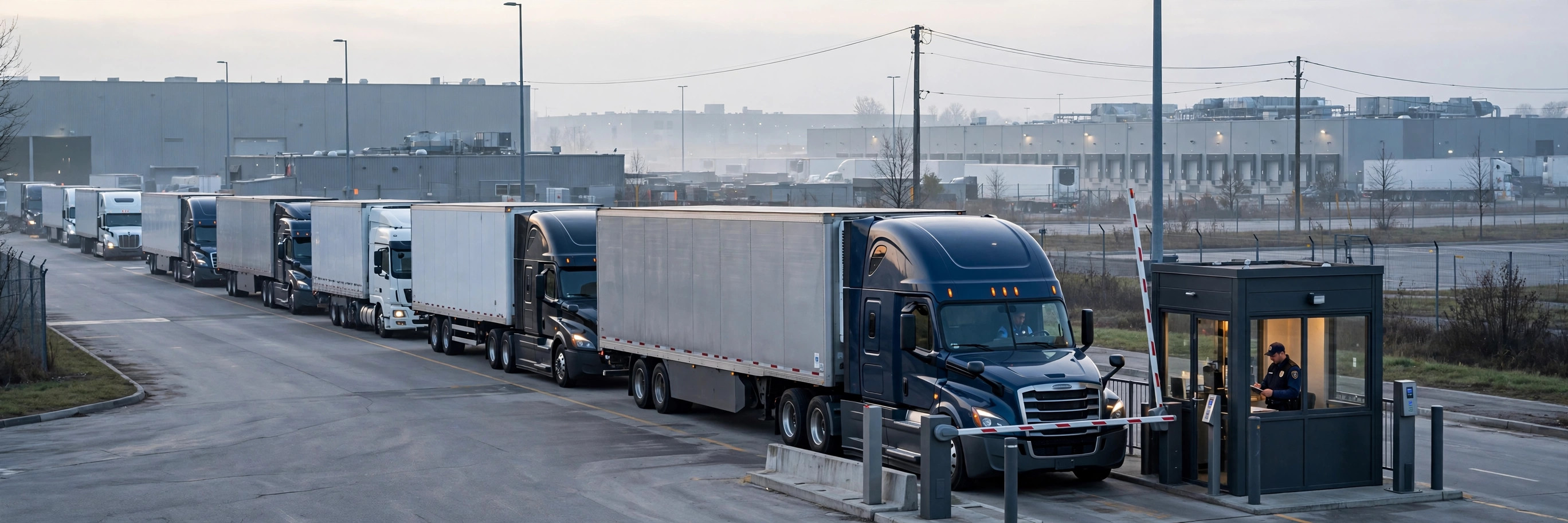
Then came the last week of November 2025, right before Black Friday. Our little Eastvale yard processed 27 trucks in a single day. By mid-afternoon the whiteboard had been erased and rewritten so many times it was a gray smear. The guard logged a trailer of Amazon-bound freight at the wrong door. The forklift loaded it anyway. The driver only caught the mismatch at the gate.
Three hours to unload and reload. Two more drivers sat at the gate for nearly two hours waiting their turn. That week we did rework three times. I sat in my office and did the math: the wasted labor and driver waiting time that one month alone would have covered half a year of a cloud YMS subscription.
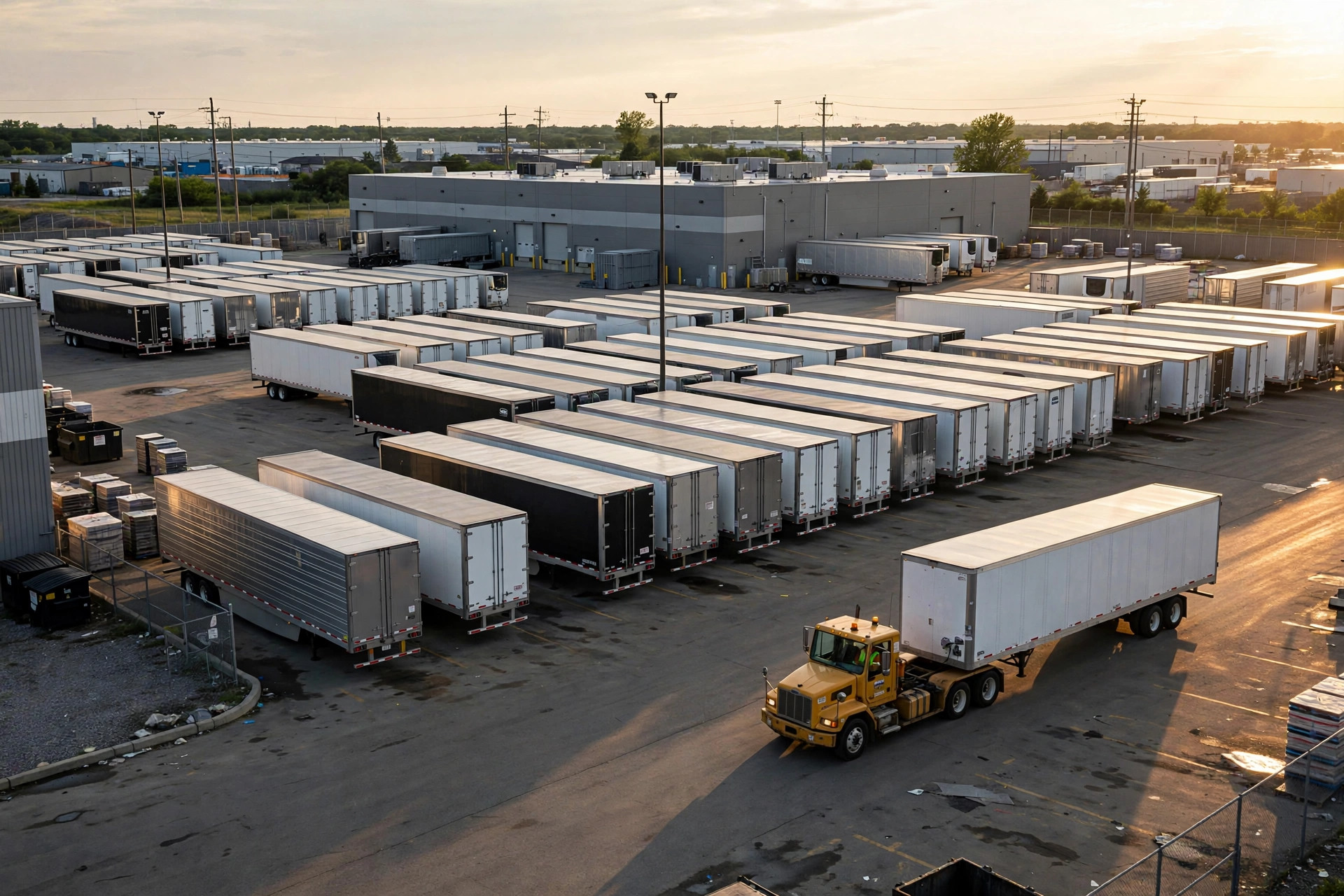
Here is what I finally understood. At low volume, yard coordination runs on human memory — the guard carries a mental map of every trailer. But human memory has a cache limit, and it sits right around 20 truck moves a day. Below that, a spreadsheet and a whiteboard are fine. Above it, coordination complexity goes nonlinear. It is not that the guard is lazy. It is that the information load exceeds what a brain can hold.
That is the ceiling of the manual system. It does not fail on features. It fails on scale.
What a YMS Actually Costs a Small 3PL: My Math
After that beating, I went and got quotes from a few cloud YMS vendors. The headline: it is genuinely not that expensive.
An entry-level cloud YMS starts at a few hundred dollars a month (always confirm current pricing on the vendor's official site). No servers to buy, month-to-month billing, cancel anytime. And the part that surprised me: you do not need RFID. You do not need GPS on every trailer. A barcode scan of the trailer number, manual entry by the guard, and the driver's phone location — that scrappy trio is enough to run the system.
Here is the comparison table I wish someone had handed me:
| Manual (spreadsheet + whiteboard) | Entry cloud YMS | |
|---|---|---|
| Monthly direct cost | Near zero | A few hundred dollars and up (check official pricing) |
| Volume it can handle | Under ~20 trucks/day | Dozens of trucks a day, no sweat |
| Finding a trailer | Shouting, remembering, luck | Look it up — location and status on screen |
| Cost of one mistake | One wrong load = hours of rework | Appointments + dock scheduling cut errors hard |
Now the real math. For a shop our size, avoiding just one or two misloads a month — the rework labor, the driver waiting — basically pays for the subscription. That is before counting the hour or two a day the guard gets back from not hunting trailers and answering "where is my trailer" calls. The spreadsheet is free, but "free" gets expensive the first time you load the wrong trailer.
The Counterintuitive Part: Skip the RFID, Buy the Appointments
Now a cold shower, aimed at YMS salespeople: the feature you brag about most — real-time tracking, full-yard RFID coverage — is the least valuable thing for a small yard.
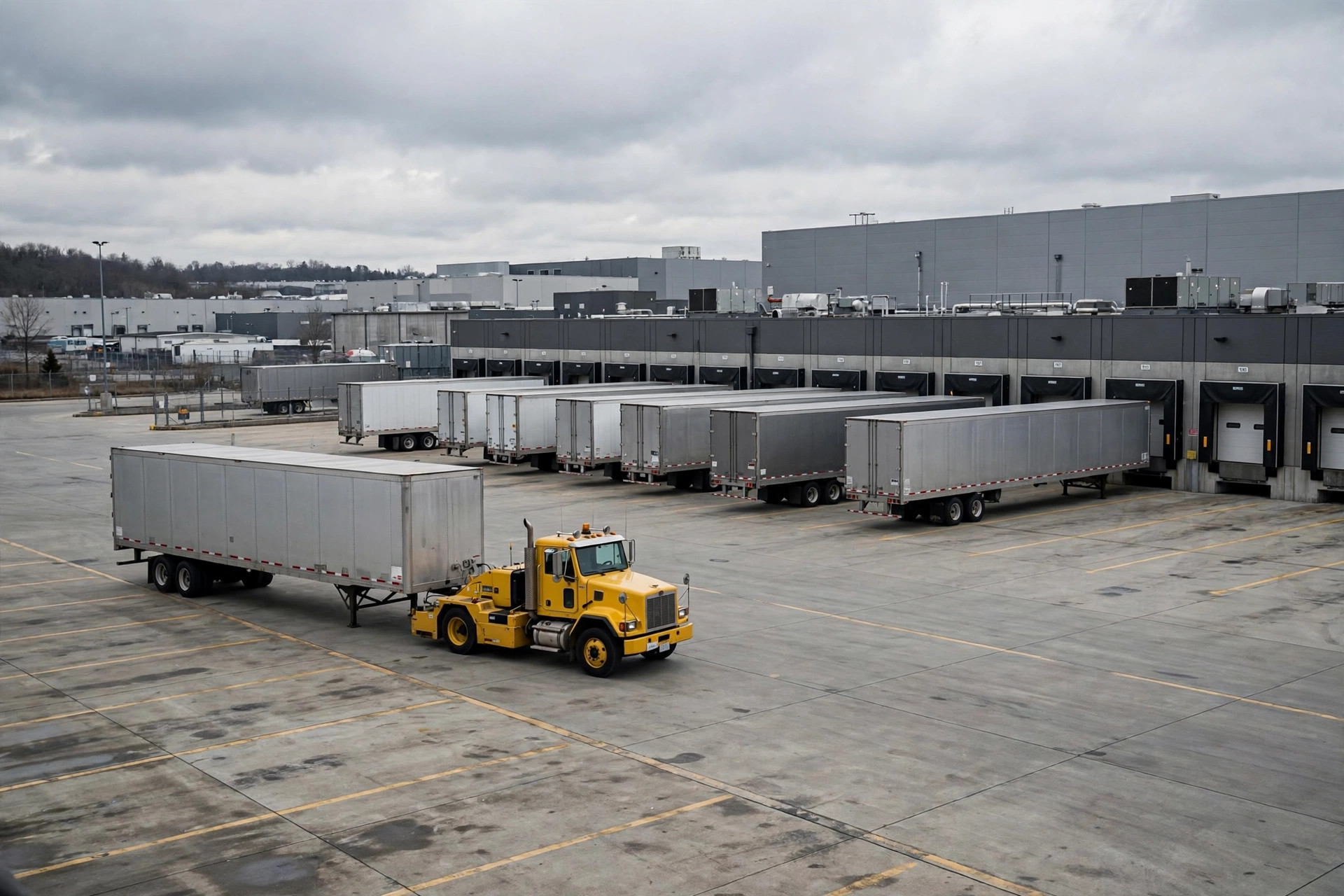
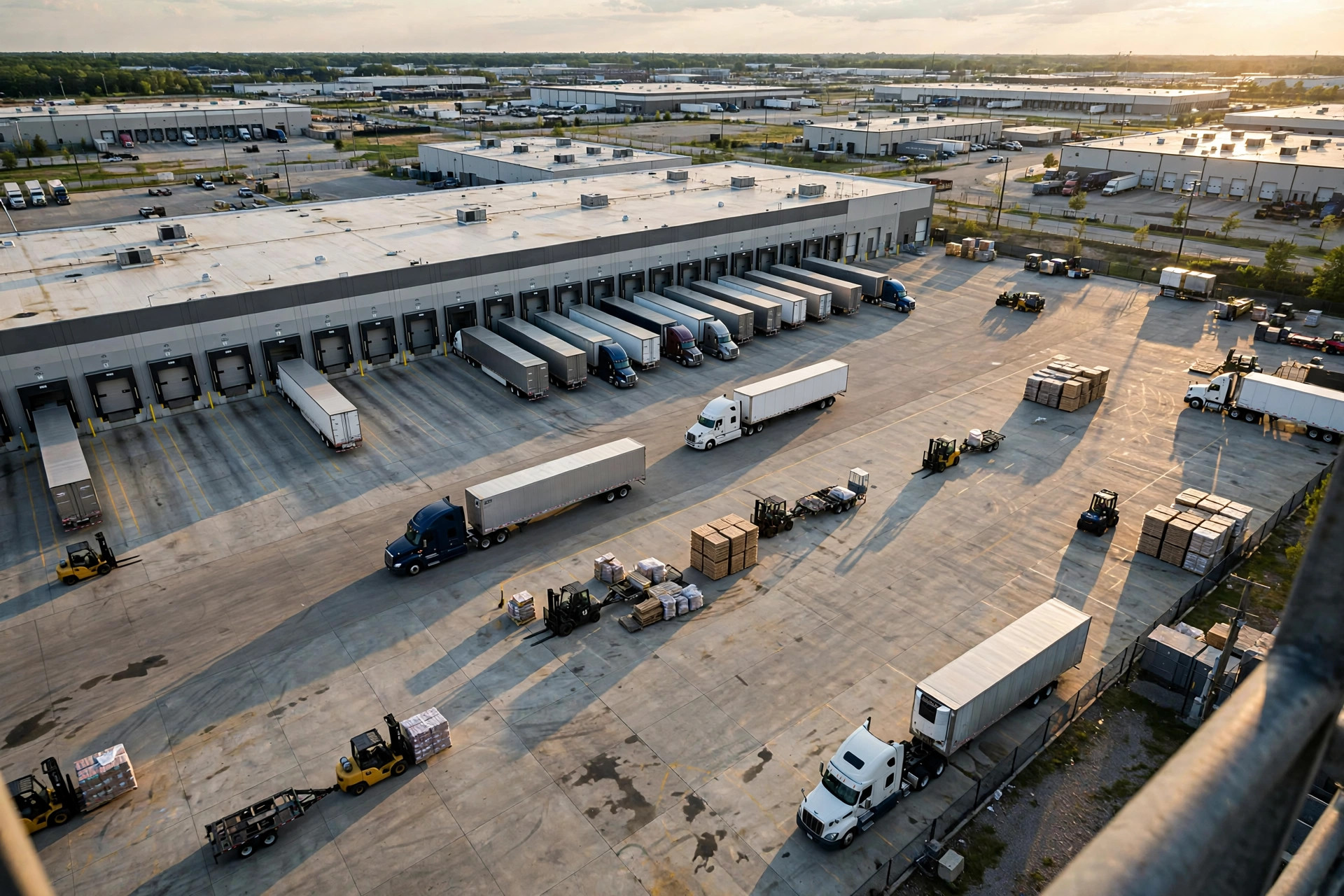
Our yard is small enough to see end to end from the gate. I can spot every trailer with my own eyes. Why would I pay to tag each trailer and blanket the place with readers? That is big-company disease, and it is contagious.
The two features that actually earn their keep for a small 3PL are the most boring ones: appointment scheduling and dock scheduling. Appointments stop drivers from bunching up at 8 a.m. Dock scheduling lets the system decide which trailer goes to which door, instead of the guard's memory and a walkie-talkie. Those two alone fixed about 80 percent of our yard chaos.
Real example: a friend runs a 3PL in Ontario, about 80,000 square feet, and adopted a cloud YMS in early 2026. His words: "First month I only turned on appointments and dock scheduling. The 'when can I get in' calls went from 40-plus a day to single digits." Hardware investment? Zero. Just a tablet in the guard shack, running alongside the paper logbook for the first month.
So the real trade-off is not "system or no system." It is "rules first or tools first." For a small warehouse, the right order is: lock down the appointment and door rules, then let the software enforce them. Reverse that order and no system on earth will save you.
Three Questions for Fellow Small Warehouses
I will leave you with a self-test. If you hit two out of three, stop hesitating:
- Are you moving more than 20 trucks a day?
- Does your guard spend over an hour a day hunting trailers and returning driver calls?
- Have you done rework from a wrong door or wrong trailer more than twice this month?
And if you do adopt a YMS, do not try to boil the ocean. My advice: turn on appointments and dock scheduling only, run it for a month, then decide. RFID, automated gates, all the shiny stuff — wait until your volume doubles. By then you might be in a bigger building anyway.
The big-company playbook was never built for us, and I have stopped being jealous of it. Small warehouses have their own way of surviving: run lean and manual while the volume is small, spend a little on sanity when the trucks outgrow the whiteboard. A YMS is not a luxury. It is medicine for a yard that has crossed its limit — take it when you need it.
By Xiao Ma, Small Warehouse Owner