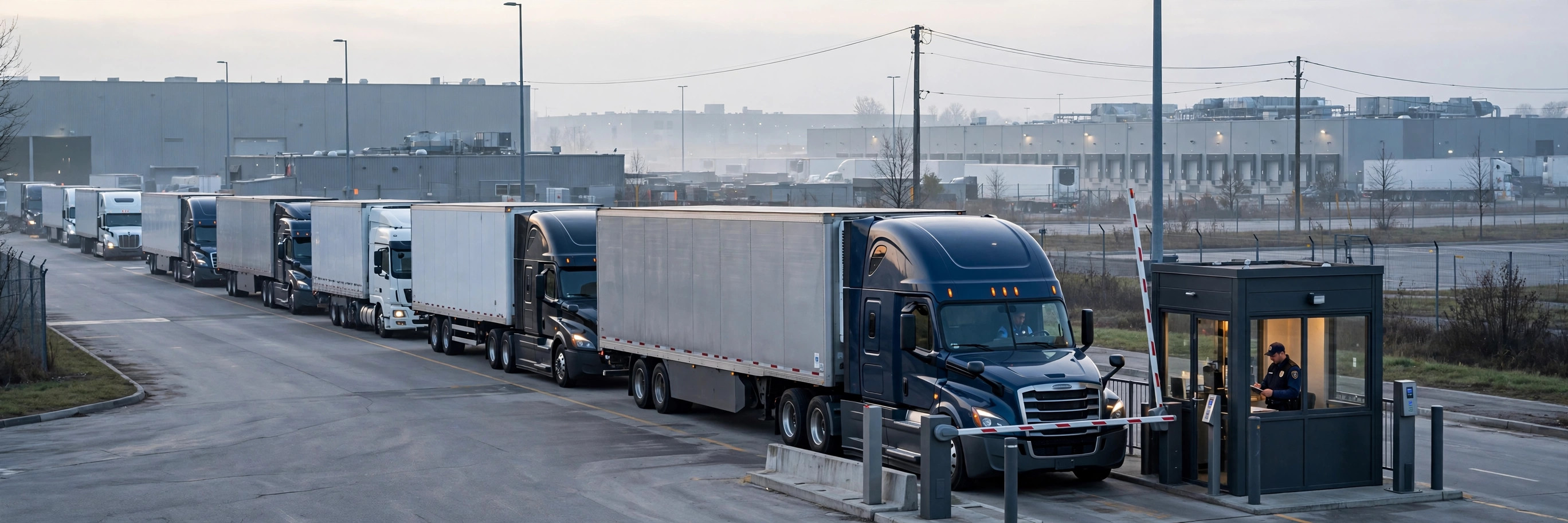
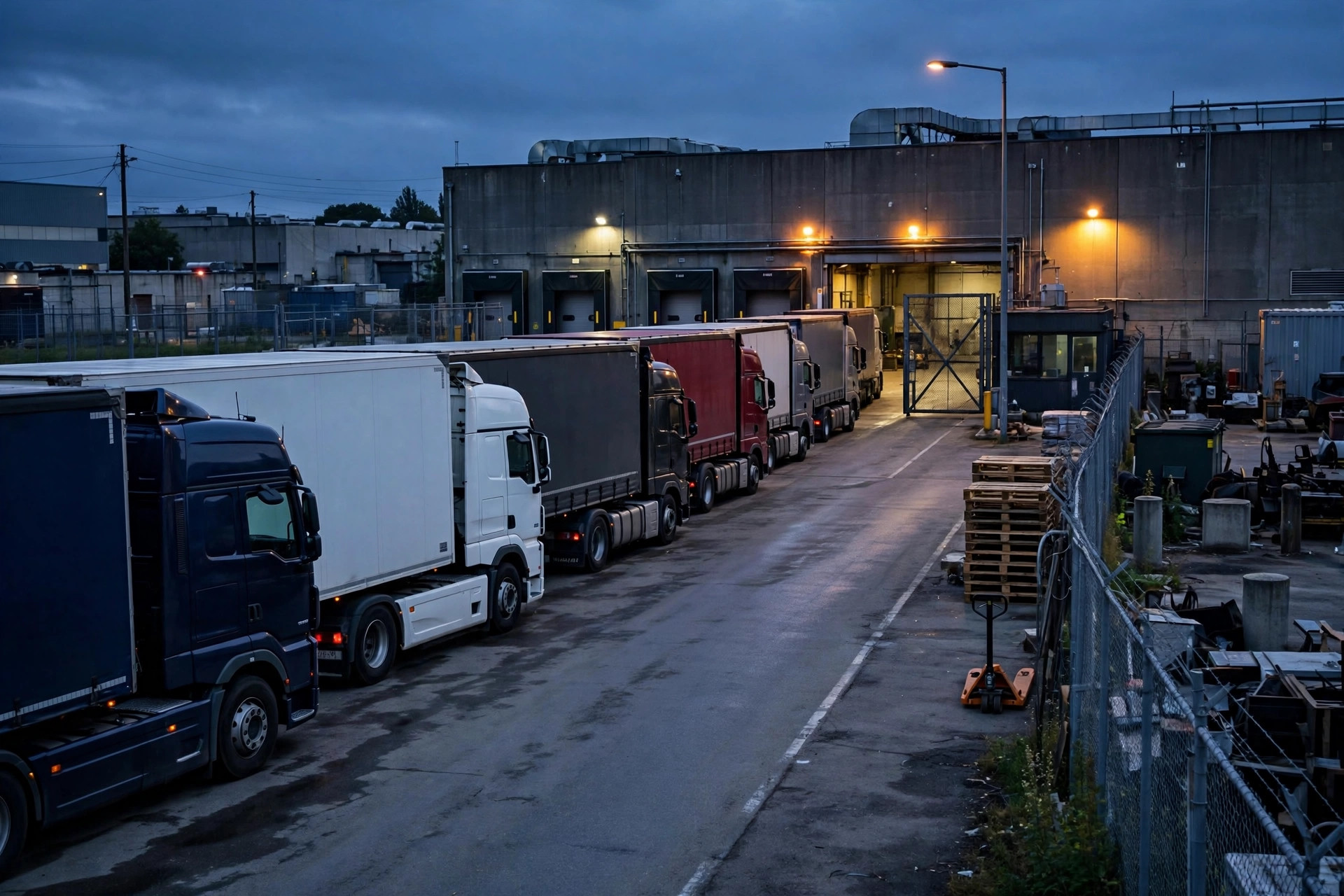
Let me tell you something. Fifteen years behind the wheel, and the thing I dread most isn't traffic. It's that line of trucks outside a warehouse gate that doesn't move. Traffic, at least you can listen to the radio. Sitting in a gate line, you're burning diesel and burning daylight, and not a dime is coming in. Any driver will tell you: detention is about money on paper, but it's really about time.
Last November, peak season, I got a proper lesson outside a big e-commerce warehouse near Fontana. My appointment was 10 a.m. I got there at 9:40 and there were already twenty-some trucks in line. We didn't move. I finally got through the gate at 3 p.m., then waited another hour to get a dock door. Six hours, sitting in that cab. At noon I got out to ask the guard. He just shrugged: "A dozen more ahead of you, they're slow inside, nothing I can do." Called dispatch — rang, nobody picked up. The worst part? An old-timer in the line told me he'd waited eight hours at that same warehouse the week before and never saw a cent of wait pay. The broker said it wasn't in the contract; the warehouse said talk to the broker. Everybody pointed at everybody else.
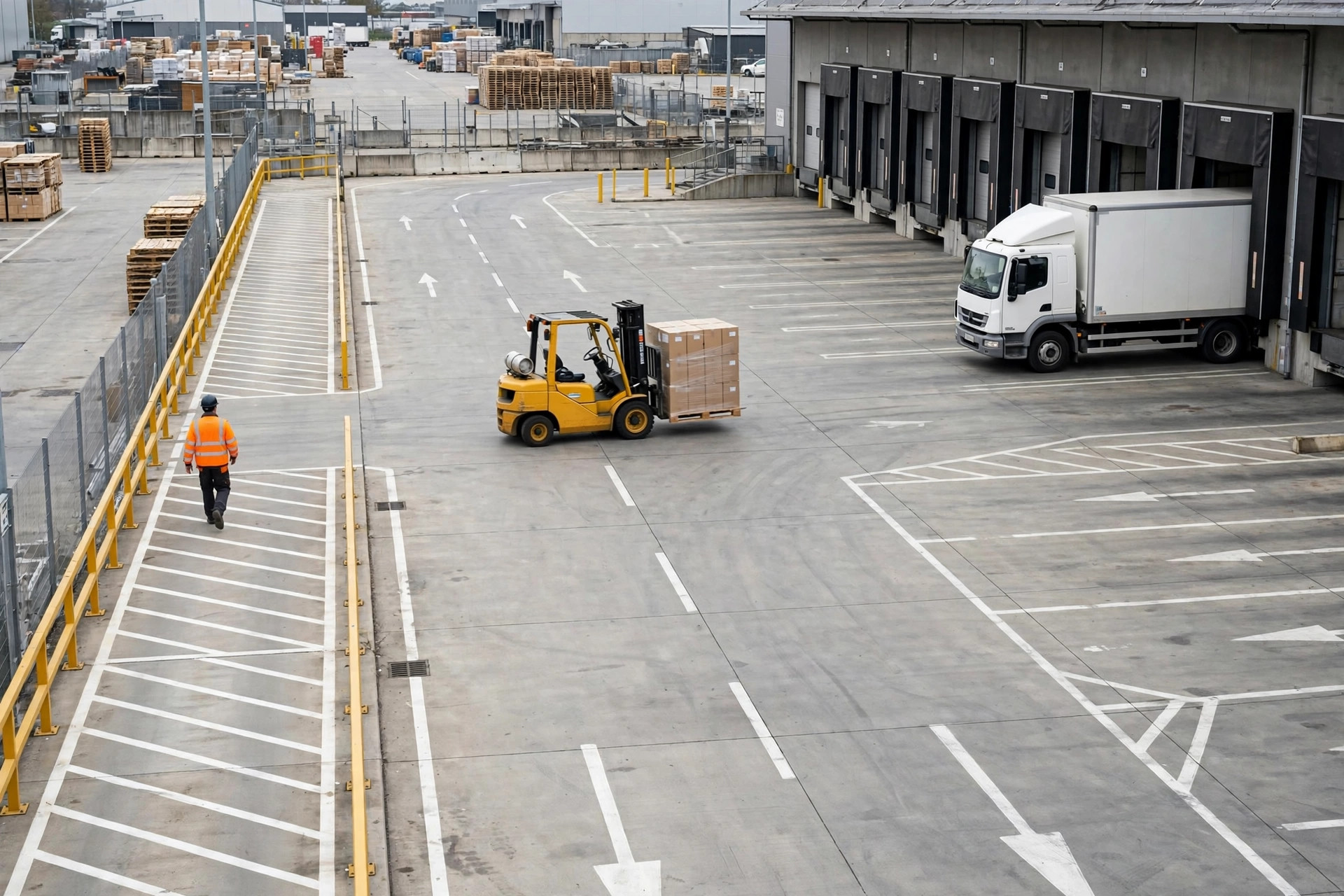
That same week I dropped at a small warehouse in Rancho Cucamonga — a whole different world. Appointment board by the gate, guard with a radio. Pull up and he tells you: "Three ahead of you, about forty minutes, go park over there." Fifteen minutes to get in, forty-five to unload, gone. I ran two loads that day and made it home for dinner with the kids. Same job, same region. So why can the little guy get it right?
How Detention Pay Actually Works
Let me explain the rules of the game, so nobody can play you. The industry standard is two hours free — and note, that clock starts at your appointment time, not when you arrive at the gate. Show up early, you wait for free. Show up late, you might get fined. After those two hours, typical wait pay runs $30 to $75 an hour (whatever your contract says — some drivers negotiate better). Sounds like small money? Let's do the real math:
| Amount | |
|---|---|
| 6 hours at the gate, wait pay (4 hrs × $60) | $240 (if you can even collect it) |
| The next load you missed | $800 |
| Miles you didn't run that day | ~300 miles |
See it now? The wait-pay check is the small part. The real loss is the day. A 2018 study by the U.S. Department of Transportation found drivers lose $1.1 to $1.3 billion a year in earnings to unpaid waiting. Here's the scarier number: every extra 15 minutes of waiting raises the expected crash rate by 6.2%. A man sits at a gate all day, climbs back in the cab boiling mad — what do you think happens on the highway? Industry data says drivers wait nearly two hours on average per pickup or drop-off. Those two "free" hours are baked into the custom, but nobody reimburses the diesel, the food, or the time.
Word of advice for my fellow drivers: before you accept a load, read the detention clause on the rate confirmation — is it there, what's the hourly rate, when does the clock start? No clause, think twice about taking it. If you must take it, document everything the second you arrive: gate-in time with a photo, dock time, empty time. Half the drivers I know who got burned had zero proof. And that two-hour freebie? It's custom, not law. If you can negotiate it down to one hour, do it. At minimum, get the dollar figure in writing. An awkward conversation upfront beats a fight later.
Why Trucks Line Up at Your Gate
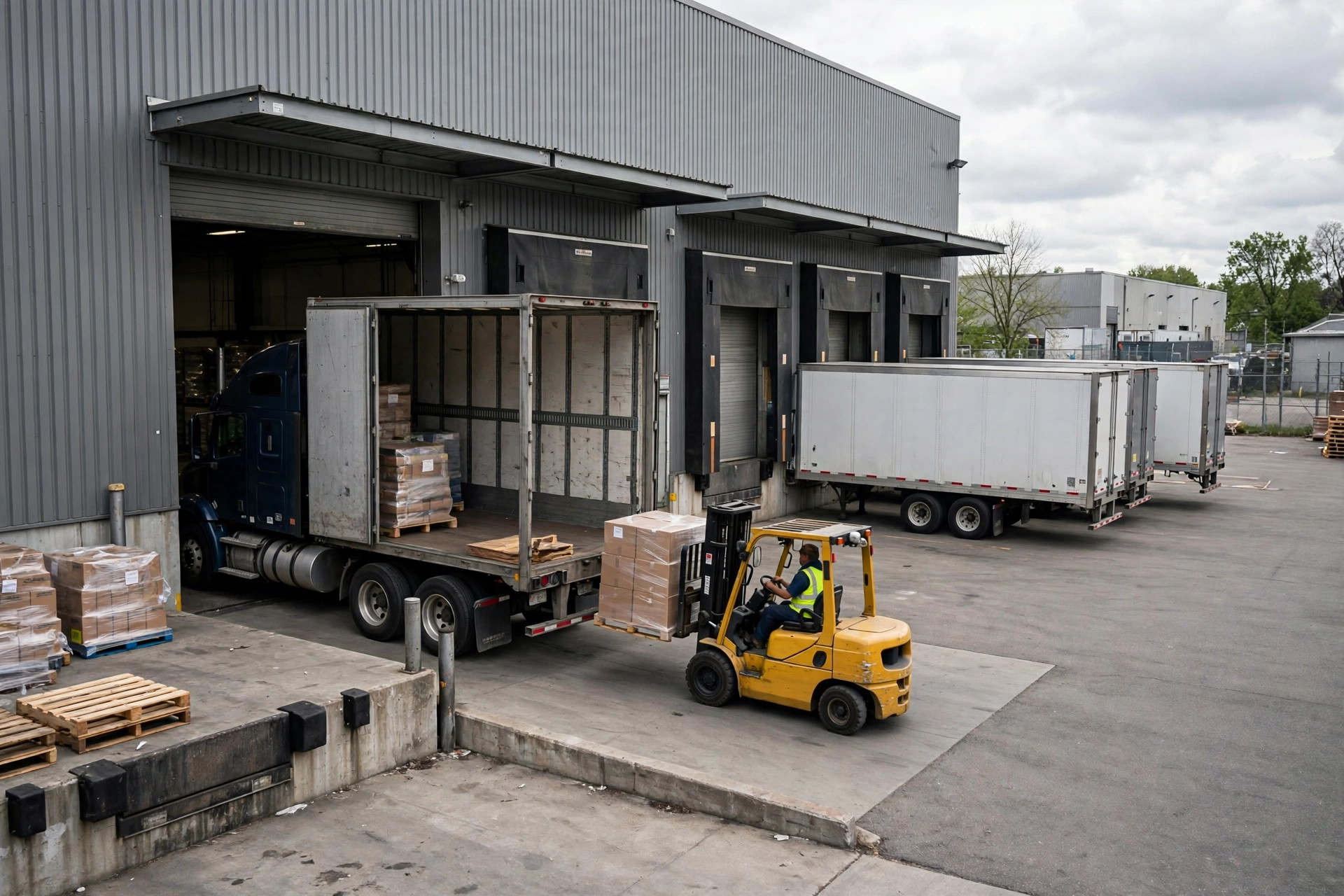
Fifteen years of this, and I've got it figured out. When trucks stack up at a gate, nine times out of ten it's not the drivers — it's the warehouse's own scheduling falling apart. The usual suspects: every appointment crammed into the same window, twenty trucks booked for 10 a.m. with six dock doors — nobody's unloading that. Freight not staged in advance — the truck's on the dock and they're still hunting for the pallets inside, an hour gone. Nobody at the gate — drivers have no idea how many are ahead or how long the wait is. And the classic: never enough hands, peak season comes and they don't add a soul, so drivers just queue up "for free."
Here's the counterintuitive part, and shippers need to hear it: a lot of folks think detention is drivers shaking down warehouses, something to dodge. That money ends up in the freight rate anyway. Carriers keep a mental blacklist — slow warehouses get quoted a tier higher, and good drivers won't touch them. The warehouse saves two dockhands; the shipper pays tens of thousands more in freight over the year, plus missed sailings. That's what I call lose-lose. A sharp shipper asks about gate lines before asking about storage rates.
And there's an unfairness every driver knows: some warehouses fine you $250 for being fifteen minutes late to your appointment — but try collecting wait pay after sitting six hours and it's like pulling teeth. One side times you with a stopwatch; nobody times their own operation. Where's the justice in that? A gate line isn't just "drivers waiting a while." It's a mirror. It shows whether the warehouse is run properly and whether the shipper knows the business.
What Warehouses Can Do to Cut Detention
First, spread out the appointments. Don't book twenty trucks for 10 a.m. Stagger them, a few per hour, so the docks can breathe and drivers don't stack up. Simplest fix there is — and the one the most warehouses are too lazy to do.
Second, stage the freight before the truck arrives. Pallets sitting by the dock, ready to load the moment the trailer backs in. If you're still finding the freight after the truck's on the door, no one can save you.
Third, keep the gate informed. Tell drivers how many are ahead and roughly how long the wait is. Give a man something to expect and he stays calm instead of climbing out of the cab every ten minutes to ask. I saw one place doing it with a whiteboard by the gate — which door, what's unloading. Low-tech, but it works.
Fourth, drop trailers whenever you can. Driver drops the loaded box, grabs an empty, and rolls. Nobody waits on freight. If the yard has the space, this is the biggest time-saver there is.
Fifth, make the dock visible. Which door is unloading, how far along, who's next — somebody in charge should see the whole picture. You don't need fancy software to start; a whiteboard and a radio will do. When the volume grows, then you graduate to a real yard management system. Crawl first.
Fifteen years on the road taught me one thing: treat drivers like people, and drivers will treat your freight like it matters. Keep the wheels turning and everybody eats. That line at your gate? It's the driver's time in the queue — but it's the shipper's money going up in smoke.
By Shifu Zhao, Trucking Veteran (15 yrs)