Here's my verdict up front: 99% of ordinary goods shipping out of a US warehouse need no export license at all — load the container and go. But if you land in the other 1%, it can take down half your company. I've seen it happen the same way every time: the forwarder asks "does this shipment need a license," the shipper says "no," the container gets held at the port, and a letter from BIS — the Bureau of Industry and Security — lands on someone's desk. Knowing when an export license is required comes down to three things: what the goods are, where they're going, and who will use them.
The pit I watched someone fall into: wrong ECCN, seized container
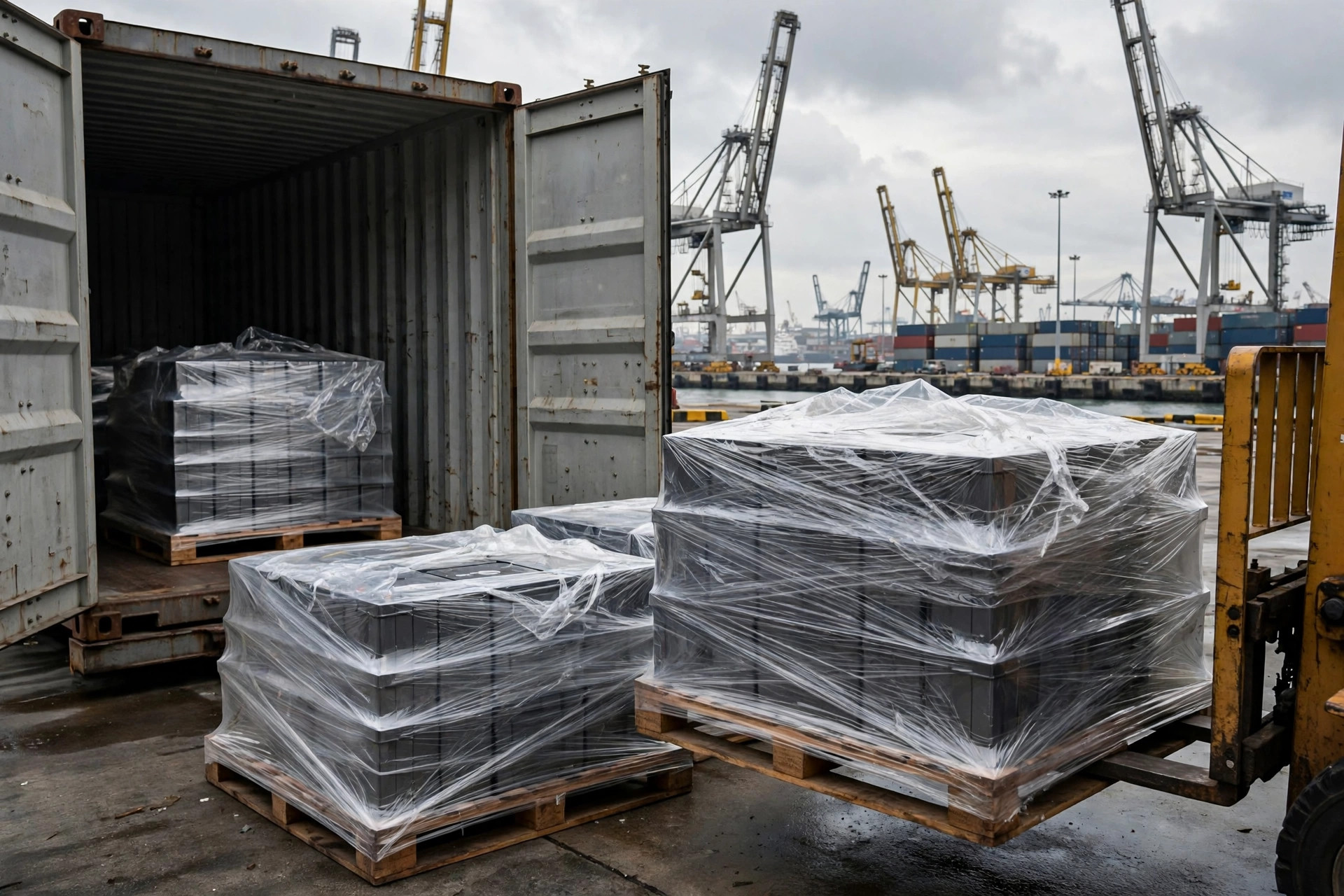
About two years ago, the owner of a 3PL warehouse in the City of Industry called me for coffee, looking miserable. They had loaded "industrial sensors" for a client — twenty-some pallets, maybe $80,000 in value, bound for Southeast Asia. The client listed them as "ordinary electronic accessories," so the 3PL stuffed the container as ordinary cargo.
At the port of discharge, the container got pulled for inspection. Turns out the sensors had encrypted communications modules — ECCN 5A002 territory on the control list, not the EAR99 the client had scribbled on the paperwork. BIS sent an inquiry letter demanding an explanation.
The 3PL figured they were just "loading per the client's instructions." But US export control has this concept called the USPPI — the US Principal Party in Interest — and once you're in that chain, "I didn't know" isn't worth much. They spent close to $100,000 on lawyers, a voluntary disclosure, and a compliance overhaul. They lost the client too.
My biggest takeaway: "the client said it wasn't needed" is not a get-out-of-jail card. Warehouses and forwarders are the last people who physically see the goods. If you don't ask for the ECCN, "I had no idea" carries zero weight with BIS.
So what are ECCN and EAR99 — and when is an export license required?
Two terms, and once you get them, you understand most of the game.
An ECCN — Export Control Classification Number — is the Commerce Department's ID number for items that might be controlled, in formats like 5A992 or 3A001. Commerce maintains a Commerce Control List (CCL) of "dual-use" items — civilian goods with military potential: high-performance chips, encryption gear, lasers, certain sensors, drone components. Match an entry on that list and you have an ECCN; exporting to certain countries or end users then requires a license first.
EAR99 is the opposite. It means "this item is subject to the Export Administration Regulations (EAR), but it isn't on the control list." In plain English: ordinary consumer goods, ordinary apparel, ordinary furniture, ordinary machine parts — the vast majority of it is EAR99. EAR99 goods shipped to most countries for ordinary commercial use need no license.
Here's the counterintuitive part most people miss: whether a license is required has nothing to do with value. A $500 chip might need one; a container of $50,000 worth of furniture doesn't. Control is about technology content, never about money.

My four-step self-check: does this shipment need an export license?
Every export order gets these four steps from my team. Ten minutes, costs nothing, blocks about 90% of the risk:
Step 1: Check the goods — do they have an ECCN? Ask the supplier or manufacturer for the ECCN classification. Can't get one? Treat it as "possibly controlled" and get a proper classification done by a professional. Never, ever guess EAR99 on your own — that's exactly how the sensor disaster above happened.
Step 2: Check the destination — where is it going? Some countries are under comprehensive embargoes or heavy restrictions (Iran, North Korea, Syria, Cuba, and the lists change year to year — always check the latest policy on the BIS website). Even plain EAR99 goods may need a license headed to those places.
Step 3: Check the end user and end use — who gets it, and what for? This is the step everyone skips. I watched another shipment go sideways: ordinary machine parts, EAR99, headed to the Middle East — looked clean. But the end user was on Commerce's Entity List, and the whole container got held at the destination port. Money and goods, both gone. Three red lines: listed entities, military end uses, anything nuclear/biological/chemical weapons-related. Touch one, and you stop.
Step 4: Check for exceptions — is there a License Exception available? Even if the goods have an ECCN and the destination is sensitive, don't panic. The EAR has a whole set of License Exceptions (for certain low-risk encryption products, temporary exports for repair, and so on) that let you ship without a formal license when the conditions are met. But an exception isn't "I think we qualify" — every one has strict written conditions. If you can't match them line by line, don't use it.
Run the four steps and you'll know exactly when an export license is required: all green, EAR99 ordinary goods — ship it. Any red flag — stop, and apply for the license through BIS's SNAP-R online system if that's what's needed. Applying for a license is nothing to be embarrassed about. Getting caught exporting without one is.
Two details most people don't know. First, "deemed exports": showing controlled technical data, drawings, or source code to an engineer in your warehouse who holds certain foreign passports counts, under the EAR, as exporting that technology to the country of their citizenship. I know an automation integrator that kept drawings on a shared drive every foreign-national engineer could see; a compliance consultant flagged it and they locked down access overnight. Costs nothing to fix, but people violate it daily without knowing. Second, recordkeeping: the EAR requires you to keep export-related records — classification basis, screening logs, license documents — for five years (confirm the current requirement on the BIS website). In that sensor case, the 3PL got lighter treatment through voluntary disclosure precisely because their loading and communications records were complete. Complete records don't guarantee you're fine, but incomplete records guarantee you're not.
Do the math: compliance costs little, violations cost everything
Let's put real numbers on both sides of this trade-off.
On the compliance side: getting a new SKU professionally classified runs a few hundred to a couple thousand dollars; a checklist and operator training cost next to nothing. For a company moving a few hundred export shipments a year, that's maybe under ten bucks a shipment.
On the violation side: BIS civil penalties stack per violation, and the per-violation amounts have been climbing for years (check the current figures on the BIS website — but as a rule of thumb, a single case can wipe out several years of profit on the shipment). Serious cases carry criminal liability, including prison time for the people responsible. And the harshest penalty is the denial order — land on BIS's blacklist and you're barred from any transaction subject to the EAR for years. That's a death sentence for an export business.
The trade-off couldn't be clearer: compliance buys certainty for small money; skipping it gambles the company to save small money. It's true that 99% of goods need no license — but make sure your 99% really is 99%, and not a 1% landmine you're mistaking for luck.
One piece of advice for warehouse and 3PL operators
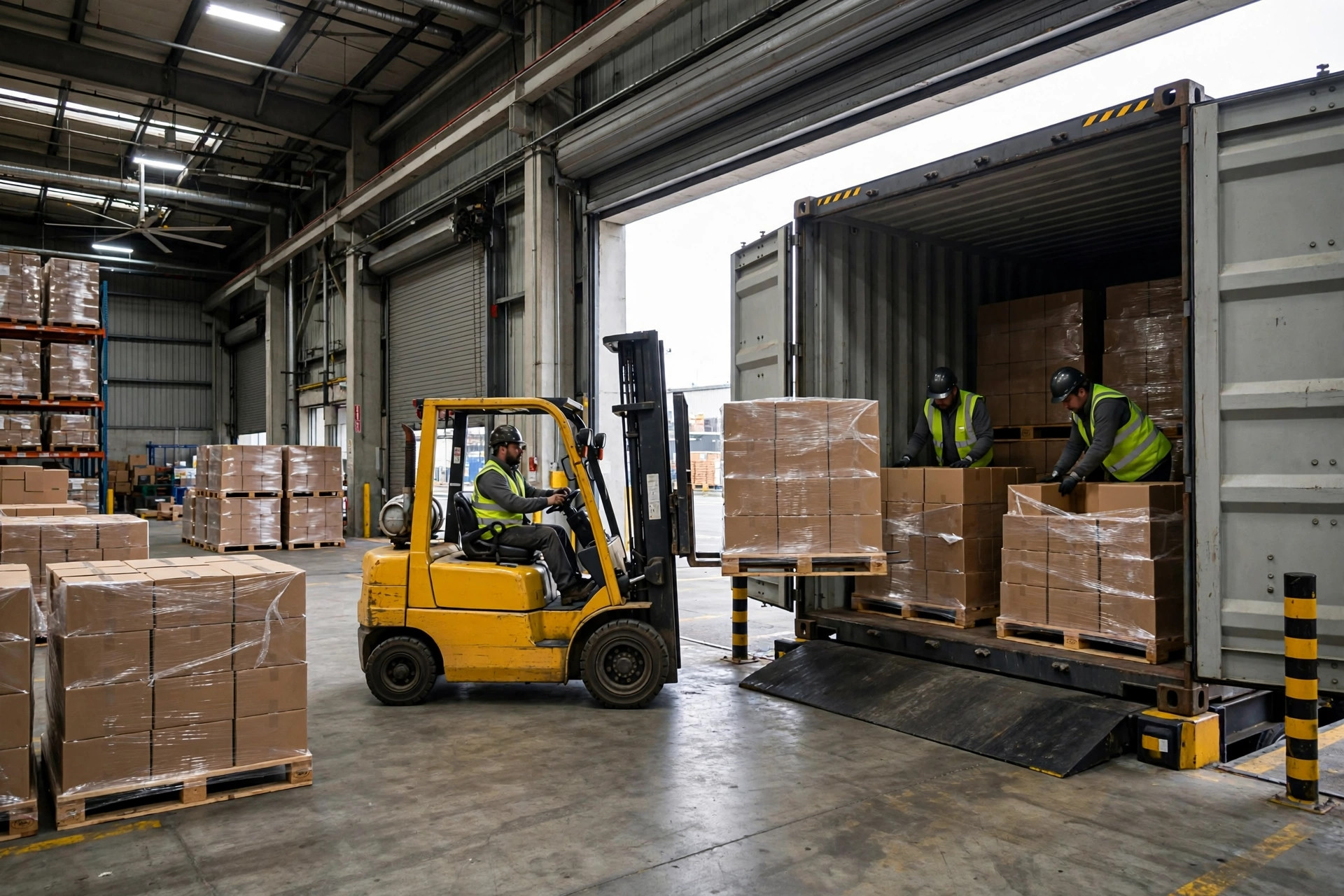
A lot of warehouse folks figure "export compliance is the shipper's problem, not mine." Here's the blunt truth: the container got stuffed in your warehouse, and when BIS investigates, your loading records and operating logs are all in the evidence chain. You don't need to become an export control lawyer, but put three things in your SOP: ask for the ECCN when you take the order, flag suspicious goods separately (anything with chips, encryption, or lasers in the description), and keep the classification basis for every shipment on file. Three things, zero cost — and they can save you when it counts.
One more honest word: don't treat "we've always shipped it this way" as armor. BIS enforcement runs on audits and tips — never getting caught before means you were lucky, not compliant. Enforcement only gets tougher. Running exports on luck is a debt that always comes due.
So, back to the original question: when is an export license required? Whenever one of the four steps turns up a red flag — a listed ECCN, a restricted destination, a risky end user or end use. Don't guess. Run the four steps. Ten minutes, for peace of mind.
By Lao Mi, Supply Chain Veteran (20 yrs)