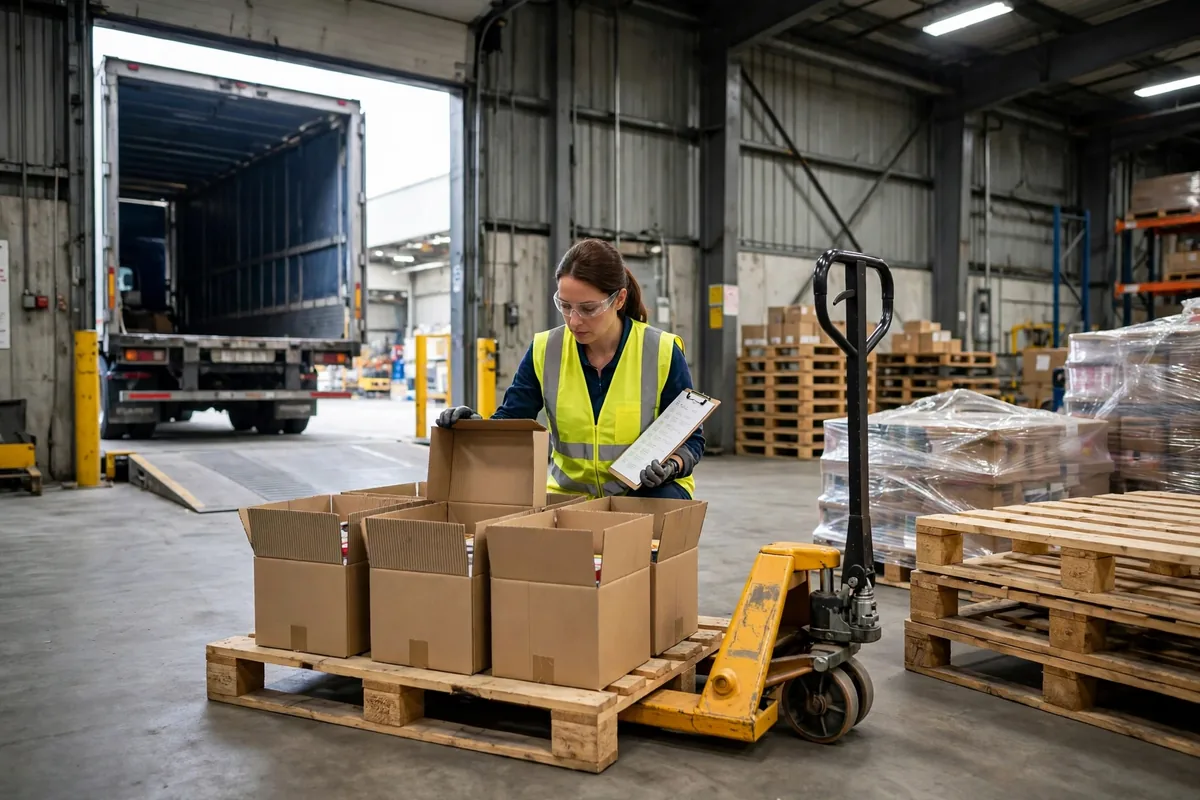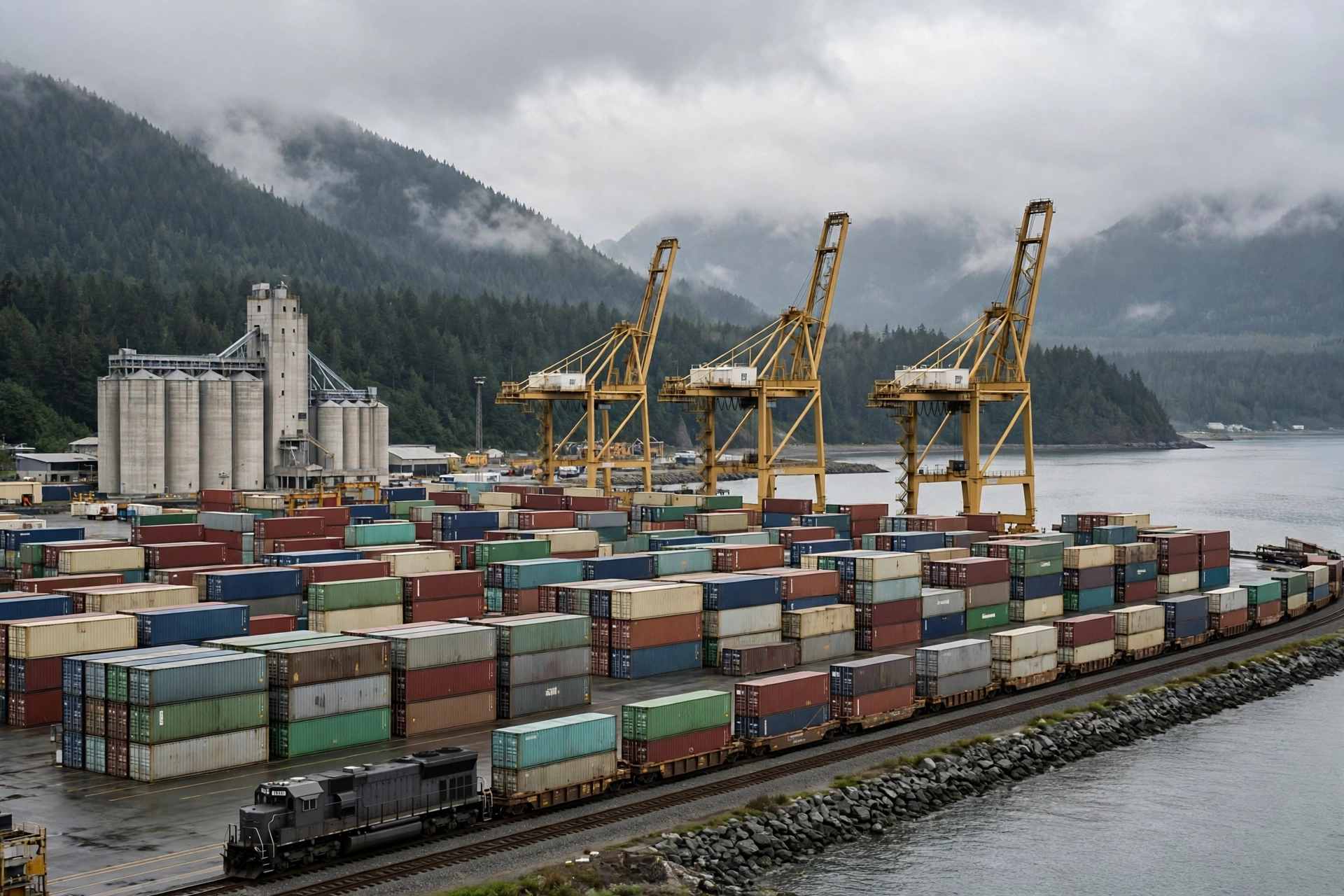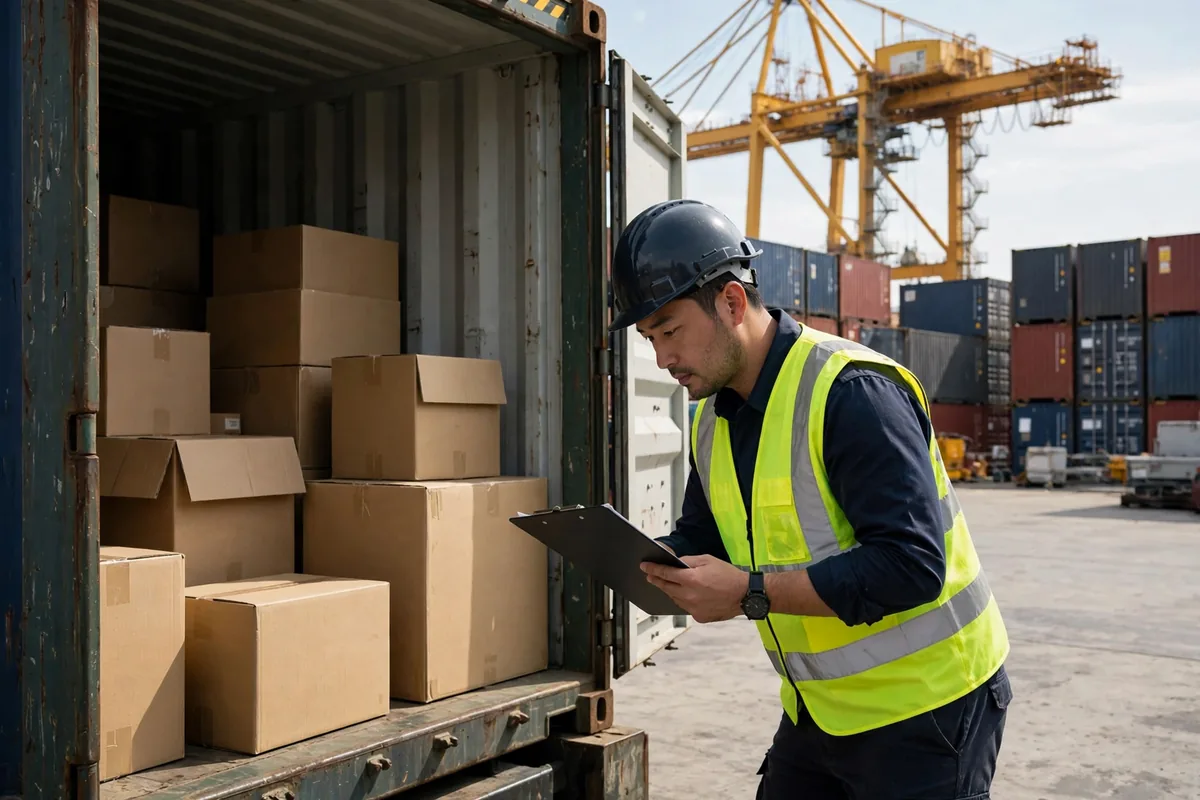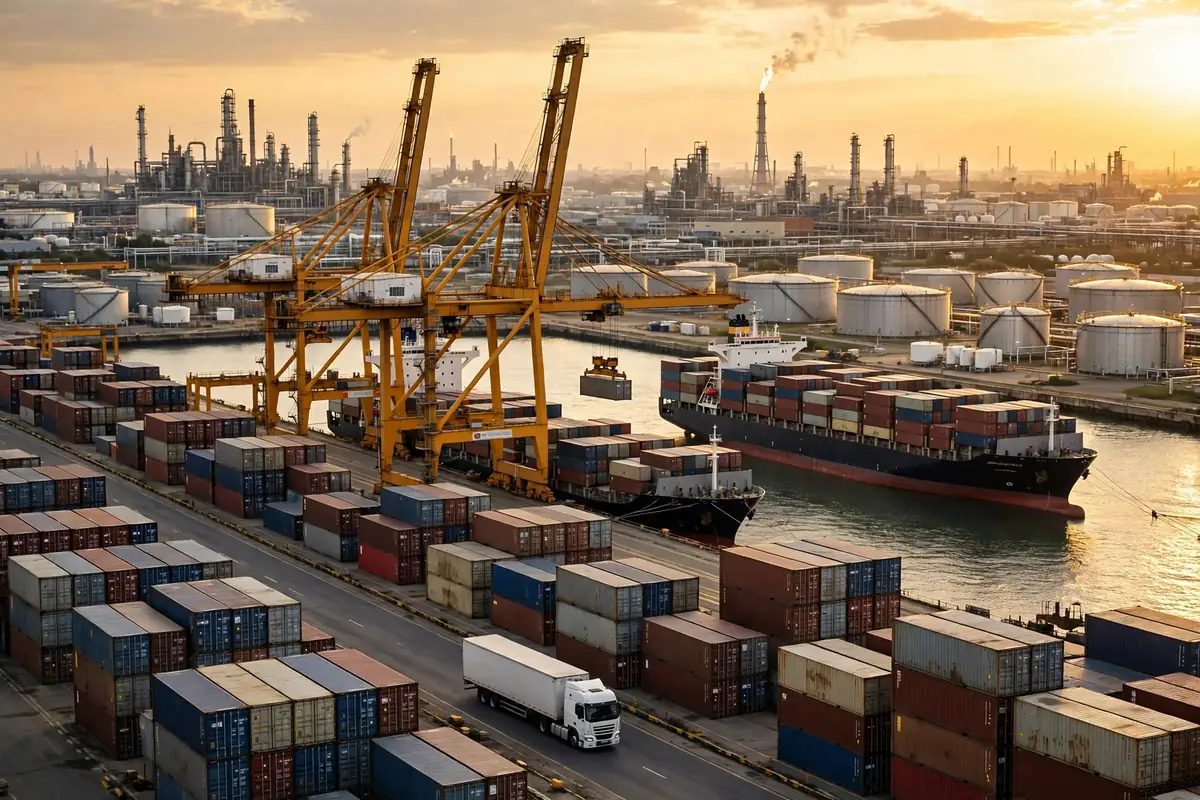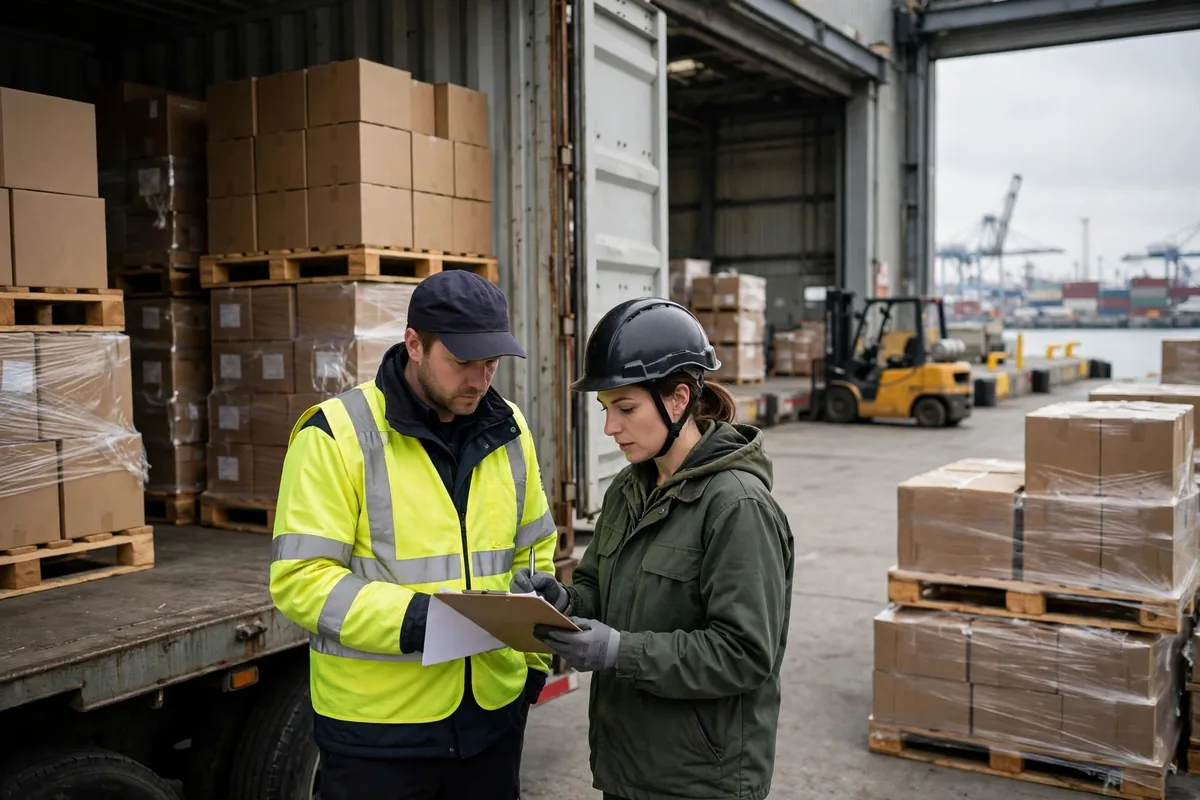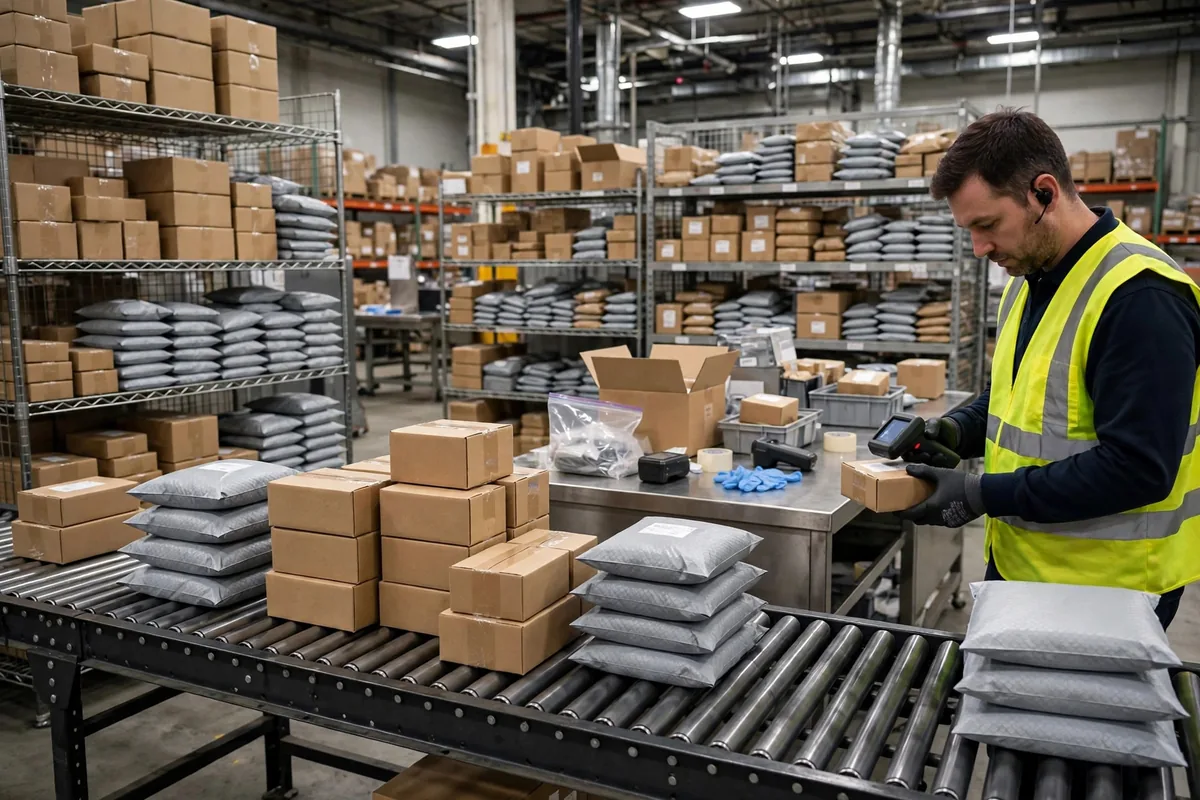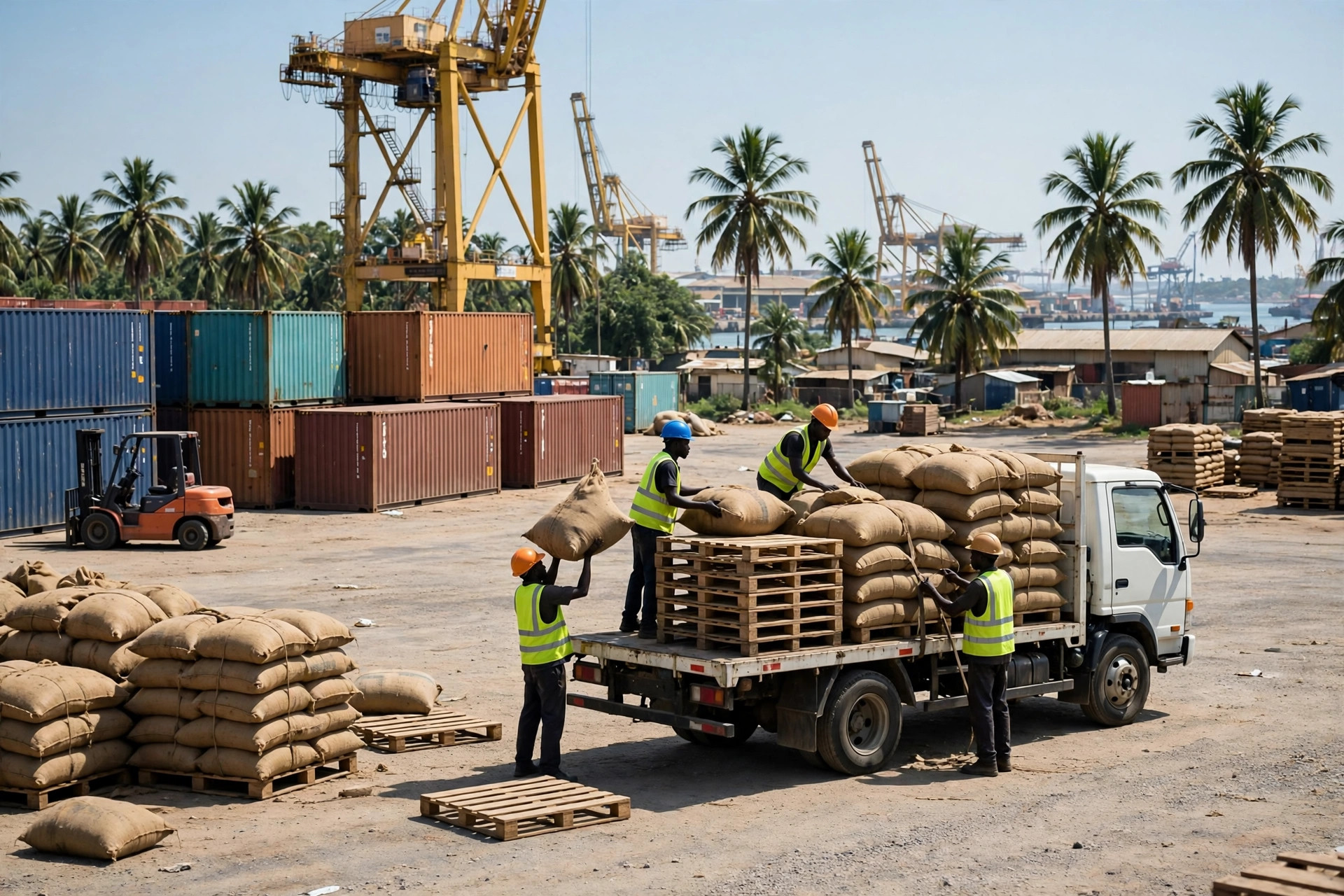
Three in the morning. Folks, this is West Africa import customs warehousing at its most typical: the night shift has not handed over yet, four trucks are already lined up outside the port warehouse, the freight is here, the people are here, and the paperwork is not. Drivers doze in their cabs, our crew flips through files in the office, and the customer is on the phone asking when the goods will leave the warehouse. To be honest, I have seen this scene so many times that I stopped blaming the port first. Nine times out of ten, it is not customs holding you up. It is your own steps failing to connect.
Here is how the problem showed up for us. A shipment came in through the port of Lagos, and one letter was off in the consignee name on the documents. The freight arrived, inspection opened a box, and the papers did not match. The box sat while everyone waited for a correction. The driver waited in the port area for two days. Back in our warehouse, the roster fell apart: the twelve people scheduled to unload that shipment waited one day, got pulled onto other work the next, and then had to be rescheduled all over again when the freight was finally released. The shipment did leave in the end, but the delivery date was already missed, and the driver left angry. One letter on one document, and the whole warehouse spent days cleaning up after it.
We tried the other way first, and it did not work. For a while our routine was to fix problems after arrival: spot the issue, make calls, chase a corrected document, find someone to help. The office phones rang nonstop, the floor crew did not know what they were waiting for, and the drivers did not know how long they would wait. Correcting a document from inside the port area is a different job from checking it in advance at a desk. One version waits on people, windows, and callbacks. The other takes a few minutes of checking. We learned that the hard way, shipment after shipment.
Compare that with a shipment through Tema in Ghana. The documents team checked the papers three days before arrival: consignee name, piece count, product description, one item at a time. They sent a copy to the port warehouse in advance. The port warehouse held two bays, and the distribution sheet was drafted before the vessel berthed. Trucks were lined up by six that morning. When inspection opened a box on arrival day, the space and the crew were already there. The freight was inspected and loaded out the same day. Same trade lane, two different outcomes. The difference was whether the papers were checked before arrival or patched after it.
What we do now is fixed, and it fits in one sentence: check the documents before arrival. While the freight is still at sea, the documents team works through the bill of lading, the packing list, and the origin certificate, item by item. Anything that does not match gets questioned early, not at the port. Duties, document requirements, and procedures change, so we follow the current local customs position rather than guessing or relying on last month's experience. Once the papers check out, a copy goes to the port warehouse, bays are held, and the distribution sheet is drafted. When the freight arrives, inspection, handoff, and distribution each have a named person on them. Nobody has to go looking for someone.
To be honest, the hardest part of this routine is not the paperwork. It is the people. Night crews who have pulled two long nights get short tempers, argue with a driver, and then the next day's roster is even harder to fill. My fix is simple: document checks are done in pairs, an experienced hand with a newer hire. The experienced hand knows where documents usually go wrong, the newer hire learns fast, and two pairs of eyes catch mistakes on the spot. Drivers get the same treatment. Before the freight lands, we tell them plainly what is being checked and when we will have a firm answer. A driver who knows the plan will wait without a fight. The roster goes on the wall with names: who owns documents, who owns inspection, who owns distribution. When something stalls, we look for the name, not shout across the warehouse.
West Africa Import Customs Warehousing Gets Stuck Somewhere Other Than Customs
Most people blame customs first when freight stalls. In my experience, the inspection itself has a process, and processes finish. What does not finish is our own preparation. Inspection needs people, space, and time to open boxes. If the port warehouse does not know which shipment will be inspected, space and crew are never ready, and the inspection team arrives to a mess. Here is the counter-intuitive part: the harder you chase after arrival, the slower things go. Daily calls after the freight lands do less than one careful document check before it lands. When we stage what the inspector is likely to ask for in advance, inspection goes faster, not slower.
The port warehouse handoff works the same way. A bigger port warehouse is not automatically a better one. What matters is whether distribution is clear. Freight can sit perfectly stacked in the port warehouse, but if the distribution sheet does not say where it goes, inland trucks cannot be dispatched. Our rule now is that the port warehouse holds freight briefly and distributes it. It does not become long-term storage. Once freight is released, it loads out the same day against the distribution sheet, and the inland warehouse receives by order, not by whole container. The port warehouse stays clear, the inland warehouse stays organized, and drivers stop running empty between two warehouses.
West Africa Import Customs Warehousing: The Fixed Routine We Run Now
This is the table on our warehouse wall. A new hire can follow it without asking anyone:
| Step | Check before arrival | If it stalls, talk to | | Document check | Consignee, piece count, product description, item by item | Documents team, check first, then correct | | Inspection prep | Which shipment may be inspected, space and crew held ready | Shift lead, stage the freight before the team arrives | | Port warehouse handoff | Bays held, distribution sheet drafted and sent early | Port warehouse contact, hand over against the sheet | | Inland distribution | Destination written to the customer warehouse, not just the city | Distribution team, load by order |
Do not count the cost as one warehouse bill. When freight sits at the port, the cost shows up everywhere: drivers waiting, rosters breaking, delivery dates slipping, port bays blocked. Added together, that costs far more than the half day the documents team spends checking papers in advance. This is how our warehouse runs it now: documents before arrival, floor crew on inspection and handoff, distribution crew on outbound direction. Three teams, three jobs, and when something stalls we check the table first, then find the person. No shouting.
One more detail that is easy to miss: the distribution sheet must name the customer warehouse, not just the city. We once had a load addressed only to an inland city, and the trucks spent half a day driving around asking which warehouse took it. Now the sheet carries the warehouse name, a contact, and a receiving window, so trucks know where they are going before they leave. In peak season, that one detail saves a whole wasted truck run.
Folks, one reminder before your next West Africa import load: do not wait until the freight lands to read the documents. While it is still at sea, check the papers once, warn the port warehouse, and draft the distribution sheet. On arrival day, you will know whether that half day was worth it.
By Chen Feng, Warehouse Operations Manager