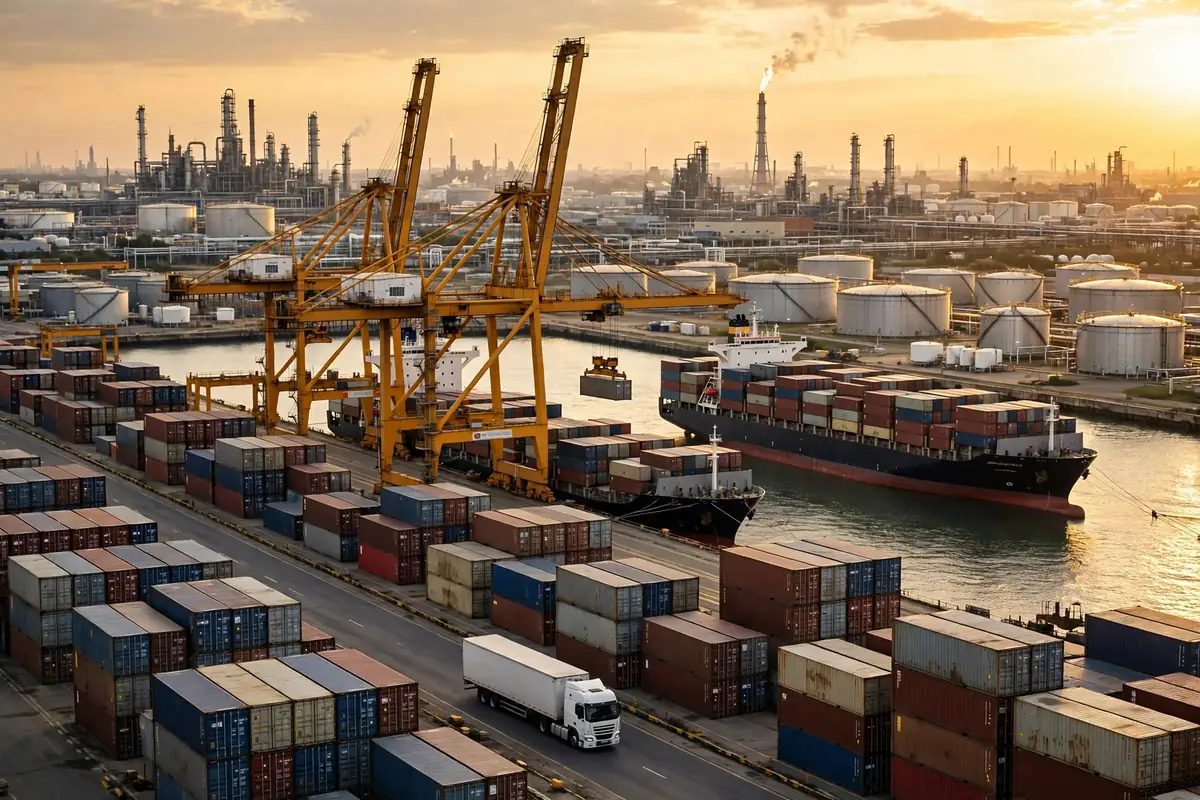
Let me tell you something about the Houston port. Fifteen years behind the wheel, and I can find the Bayport gate blindfolded. One summer evening in 2024 I was hauling a container of resin out of Bayport, and the line of trucks outside the gate stretched as far as I could see. Dispatch was on the phone saying, "Don't rush, take your time, the ship doesn't berth until eleven tonight." That's when it hit me: at the Houston port, cargo volume is never the problem. The problem is whether your trucks, your warehouse, and your chassis can keep up with its pace.
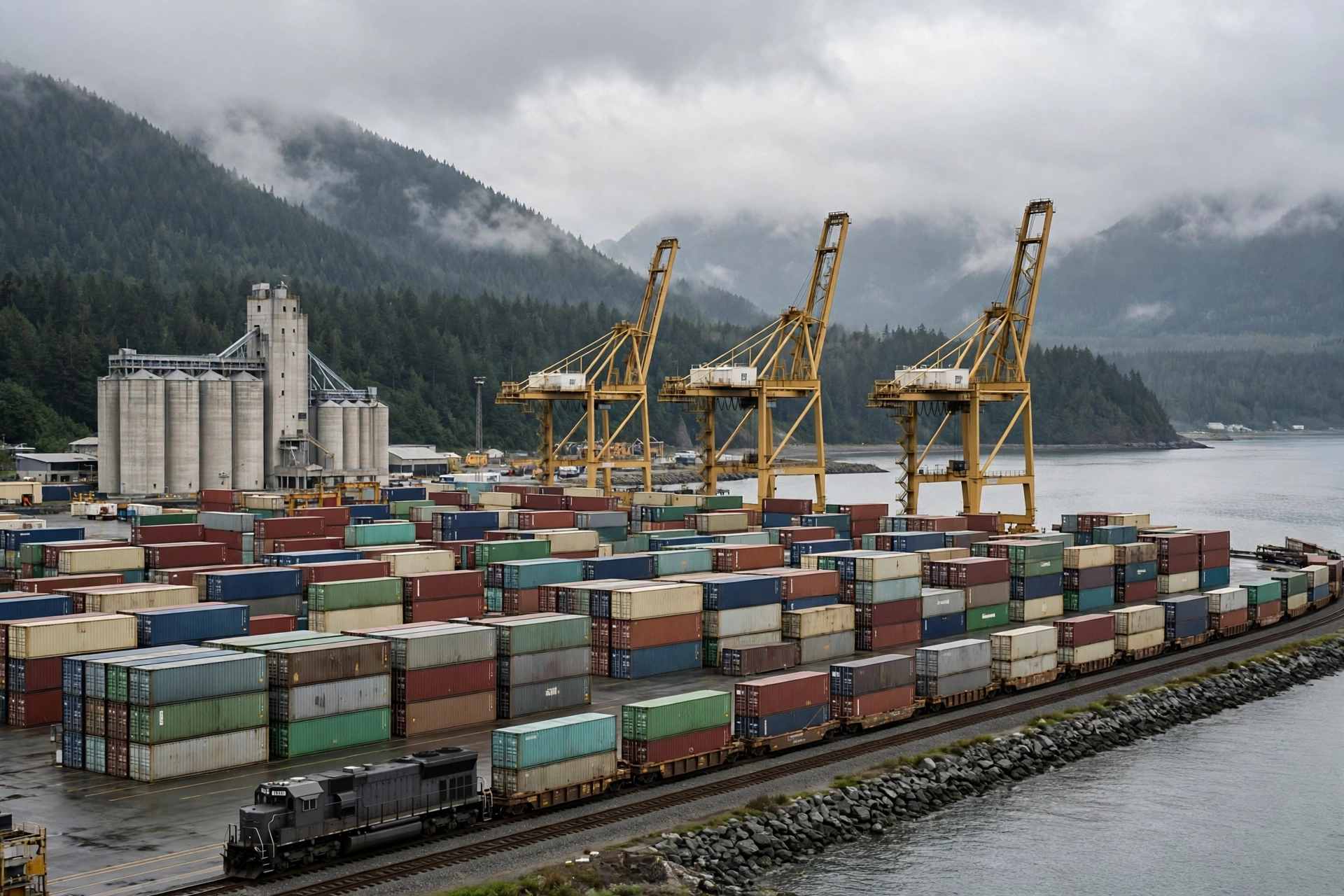
The Houston port doesn't run on reputation. It is the largest US port by tonnage, and in 2024 its public terminals handled 53.07 million tons of cargo, up 6% year over year. Containers tell an even bigger story: a record 4,139,991 TEU in 2024, up 8%. Bayport alone handled 2.59 million TEU. Barbours Cut plus Bayport move roughly two-thirds of all containerized cargo in the entire US Gulf. And that counts only the public side — the port complex has 200 private terminals on top of 8 public ones, strung along the Houston Ship Channel with refineries, steel yards, and resin warehouses side by side.
Whose cargo is it at the Houston port, anyway
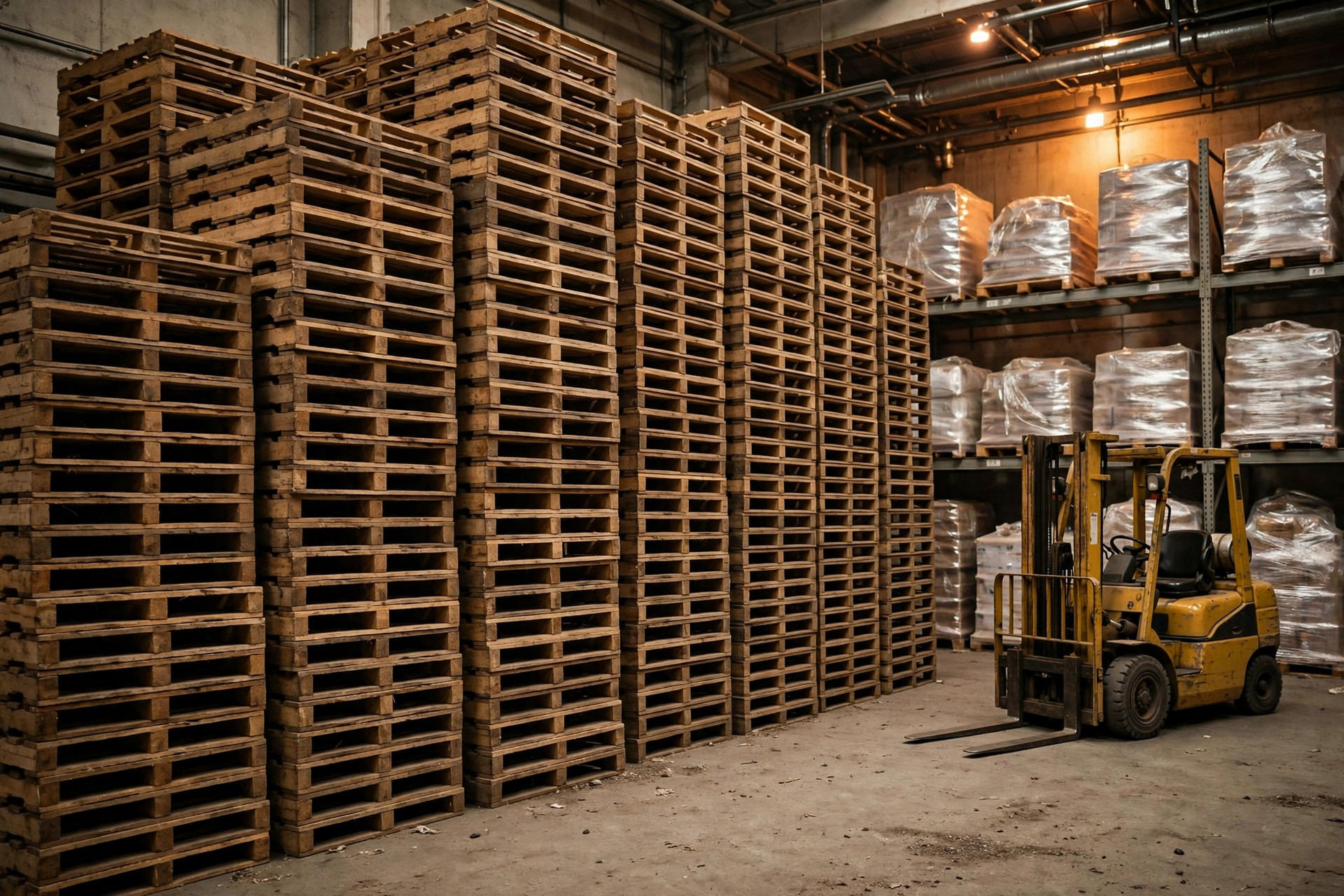
Start with resin. Resin accounts for about 45% of the Houston port's export volume, nearly half of everything going out. The Gulf Coast is the biggest petrochemical base in the country, and the whole chain happens right around the port: resin comes out of the plant, gets bagged, palletized, warehoused, and stuffed into containers, all within a short drive. The containers I haul most are exactly this kind: 25 tons of resin pellets, seal on, paperwork signed, destination somewhere in Southeast Asia, India, or South America. In 2024 resin exports surged so hard that some resin warehouses needed bookings three days ahead just to get a receiving slot.
Then steel. The Houston port handled 4.53 million short tons of steel in 2024. Steel is the toughest cargo for a warehouse: heavy, space-hungry, and it hates water and rust. A single plate weighs several tons, so you need the right forklifts, overhead cranes, and a floor that can take the load. I know a warehouse that only does steel. They reinforced the floor and run the cranes around the clock. The owner told me: "Steel doesn't mind being slow. What kills you is a dent or a rust spot. One claim wipes out three months of profit."
And then there is the energy corridor. The banks of the Houston Ship Channel are the largest energy corridor in the US — refineries, chemical plants, LNG equipment, project cargo, oversized loads, all year round. That cargo doesn't go in containers. It moves on breakbulk vessels, with heavy lifts, lashing, and over-dimensional transport that needs its own plan for every single shipment. The margins are good, but so is the bar to entry: without heavy equipment and an experienced crew, you can't even take the job.
The Houston port channel got wider, the big ships came, and drayage felt it first
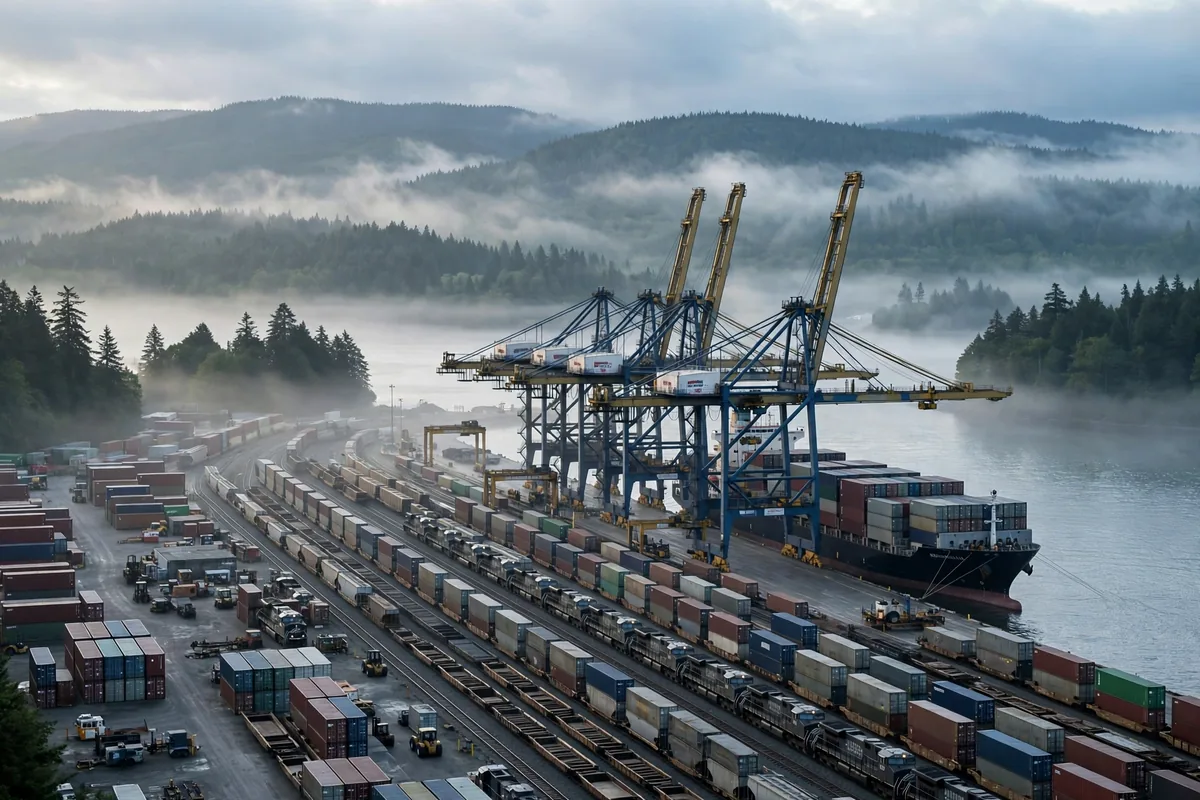
The Houston Ship Channel is being widened, and once the work is done, neo-Panamax vessels of 15,000 to 17,000 TEU can call at Bayport directly. That's good news for the port. For those of us running drayage, the pressure arrived first. A big ship unloads thousands of boxes in one call, and the gate traffic comes in waves. In October 2024 I waited four hours at the Bayport gate to pick up a container, because the chassis pool was empty. Dispatch hunted all over and finally pulled two chassis from a private yard, at an extra 80 dollars.
Nobody talks about chassis on a normal day, but the moment they run short, they become the bottleneck for the whole port. The Houston port chassis pool has been growing, but not as fast as box volumes. My rule: when you book the ocean freight, book the chassis at the same time. Don't wait until pickup day. And get to the gate before six in the morning — you will always save an hour compared with arriving at nine.
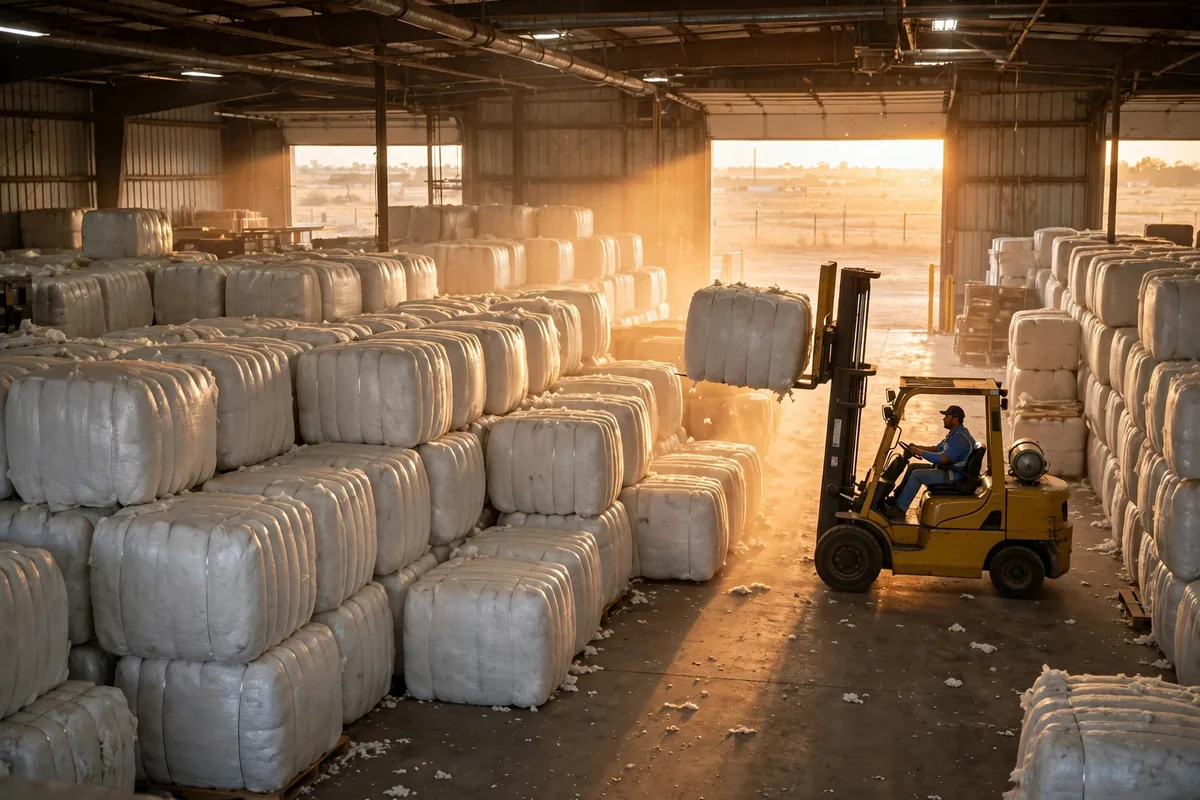
Warehouses feel the same squeeze. Big ships mean steeper inbound peaks. Through the second half of 2024, warehouses around the port kept telling me the same thing: slammed Monday through Wednesday, quiet Thursday and Friday. The smart operators started scheduling labor against the vessel schedule — extra hands the day before a ship berths, fewer the day after it sails. One resin warehouse I visit often has the labor roster pinned right next to the vessel schedule. The owner said: "The vessel schedule is my roster. If you can't read it, don't open a warehouse at the Houston port."
Where port warehouses actually make money
A lot of people think port warehouses make money on rent arbitrage. Let me tell you, rent is only the base. The real money is in services. A resin warehouse earns on bagging, palletizing, fumigation, and consolidation. A steel warehouse earns on lifting, cutting, and distribution. A cross-border e-commerce warehouse earns on labeling, repacking, and returns handling. If all you do is lease an empty shell and collect rent, you will lose to the warehouse next door that actually does the work.
Let me walk through a hypothetical example. Take a 5,000-square-meter warehouse near the port. On rent alone the margin is thin. But if it can bag and palletize 40 resin containers a day at 120 dollars of service fees per container, that's roughly 140,000 dollars a month at full capacity — a scenario illustration, not a promise; actual figures depend on the contract. Labor, equipment, and insurance all come off that number, so don't just look at the revenue side. My point is simple: a port warehouse competes on "the cargo arrives and we can work on it right away," not on location alone.
| Warehouse type | Main cargo | Money-making services | Biggest trap |
|---|---|---|---|
| Resin export warehouse | Resin pellets, plastic raw material | Bagging, palletizing, consolidation, fumigation | Labor can't keep up with vessel peaks |
| Steel warehouse | Plates, pipes, sections | Lifting, cutting, distribution, storage | Rust and damage claims |
| Project cargo warehouse | Energy equipment, machinery | Heavy lift, lashing, oversized transport | High equipment cost, lumpy orders |
| E-commerce warehouse | Consumer goods, small parcels | Labeling, repacking, returns handling | High return rates, labor cost |
Three honest words for shippers and warehouse operators
First, for shippers: moving through the Houston port, don't just look at the ocean freight. Saving two hundred dollars on freight means nothing if chassis fees, demurrage, and storage add five hundred at the port. Before you book, ask one question: who covers pickup, return, and chassis at destination?
Second, for warehouses: don't fight the vessel schedule. The schedule is public, and the peaks and valleys are all written on it. Staff, equipment, and chassis should follow the vessel schedule, not your gut feeling. That alone saves half the money.
Third, for newcomers: cargo at the Houston port can't be rushed, and it can't be left waiting either. Rush and you make mistakes; dawdle and the ship won't wait for you. After all these years on the road, my biggest lesson is this: in the port business, the winner isn't the strongest — it's the one whose plan is the most careful.
There's an old saying among drivers: sailing and hauling both carry their risks, and in the port trade you survive on three parts nerve and seven parts calculation. Do the math first, then do the work. The Houston port has enough cargo to feed you for many years.
By Shifu Zhao, Trucking Veteran (15 yrs)