We have a client who sells small home appliances. Five years in the US market, Amazon and his own store both running fine, and last fall he took on his first Canada Import Customs Clearance Warehouse job, shipping to Toronto for the first time. The day the vessel arrived he called me, genuinely confused: "Susan, I've cleared US customs for five years and it was never this slow. The cargo has been at the port for two days — why can't the warehouse pick it up?"
I told him to slow down and asked one question: had his broker filed a PARS pre-arrival review? Three seconds of silence. He had no idea what that was. His US playbook — cargo arrives, broker files, warehouse waits for the call — failed on step one of this canada import customs clearance warehouse job. The shipment sat another two days before release, the scheduled receiving crew stood idle, and the client never again said "Canada is basically the same as the US."
Canadian clearance looks like the US version from a distance. Up close, the bones are different. The US system is built around fast release on arrival and audits after the fact. Canada's CBSA, the Canada Border Services Agency, does a lot of its work before the cargo ever lands. Whoever does the homework early moves fast; whoever still plays the "we'll sort it out when it gets here" game waits at the port. This piece is not theory. It is what actually hits the warehouse floor.
Canada Import Customs Clearance Warehouse Basics: Get the Paperwork Right First
The first hurdle in a canada import customs clearance warehouse move is not at the port. It is in the documents. CBSA's PARS, the Pre-arrival Review System, lets a broker submit the declaration before the cargo arrives, so a qualifying shipment can be released on minimum documentation the moment it lands. It works beautifully — provided the paperwork lines up. The commercial invoice, packing list, bill of lading, and certificate of origin have to agree on description, quantity, value, and shipper and consignee. One mismatch and the pre-arrival filing stalls.
The most wronged shipment I ever saw was a lighting client. The invoice said "LED desk lamp," the packing list said "table lamp" — one word different, two days of back-and-forth while the container sat at the port and the warehouse receiving plan fell apart. I told the client there is no "close enough" in customs filing: description, quantity, and value get checked against the broker before the exporter issues the documents, not after the cargo is on the water.
Here is something many US veterans do not expect: in Canada, the importer of record carries the final responsibility. In the US, plenty of shippers hand everything to the broker and stop thinking about it. In Canada, if the B3 customs coding form is wrong, the penalty lands on the importer, not the broker. The broker can file for you and calculate for you, but you own the result. So my advice is simple: on your first Canadian shipment, check the commercial invoice and packing list line by line yourself before filing. Half an hour of your time can save days of delay. For the exact forms, rates, and fees, go by the latest policy on the CBSA website — don't apply last year's experience to this year's cargo.
Canada Customs Exams: The Three Scenarios the Warehouse Dreads Most
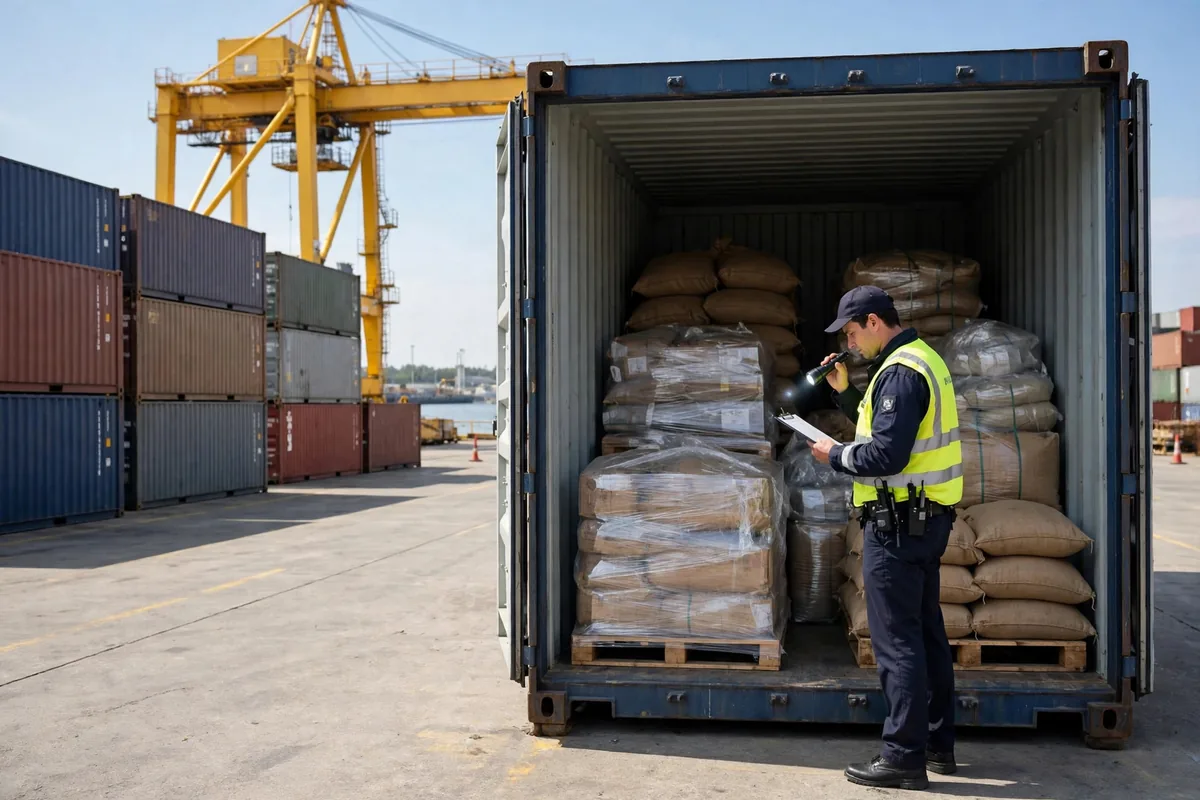
Once the cargo lands, CBSA may order an exam. There are broadly three kinds: a tailgate exam, a quick look at the container door; a full strip exam, where the goods come out and get checked item by item; and an X-ray scan. Nobody can promise you which one you will get. New importers, sensitive product descriptions, and a history of document mismatches all raise the odds. And here is the counterintuitive part: an exam is not a sign you were targeted. Most first-timers treat it like an accusation. It is usually just the system doing its job.
The exam itself is not what hurts. The schedule it wrecks is what hurts. Another client of mine, an e-commerce seller of outdoor gear, shipped two containers to Vancouver ahead of peak season, expecting them on the shelf the week they landed. One container drew a strip exam, the goods went to a sufferance warehouse for temporary storage, and the whole cycle — waiting for a slot, stripping, re-checking — ate several extra days. His warehouse had already staffed receiving and putaway, the crew stood idle, and the peak-season sales window kept sliding. After that, he learned the lesson: peak-season cargo always ships one sailing earlier than the plan needs. The days an exam consumes are an insurance premium you pay in advance.
On the warehouse side, three practical things matter when an exam hits. First, confirm release status with the broker before sending a driver to the port — a wasted trip costs fuel and a driver's day, and nobody reimburses that. Second, decide in the contract, in advance, who pays for storage and demurrage during an exam, not when the invoice shows up. Third, after an exam, re-sealing, re-labeling, and recounting take hands and time, so staff it separately from normal receiving. Exam timelines and charges change — check the latest policy on the CBSA website rather than trusting any number I could print here.
After Release: The Canada Import Clearance Math on Picking Up the Container
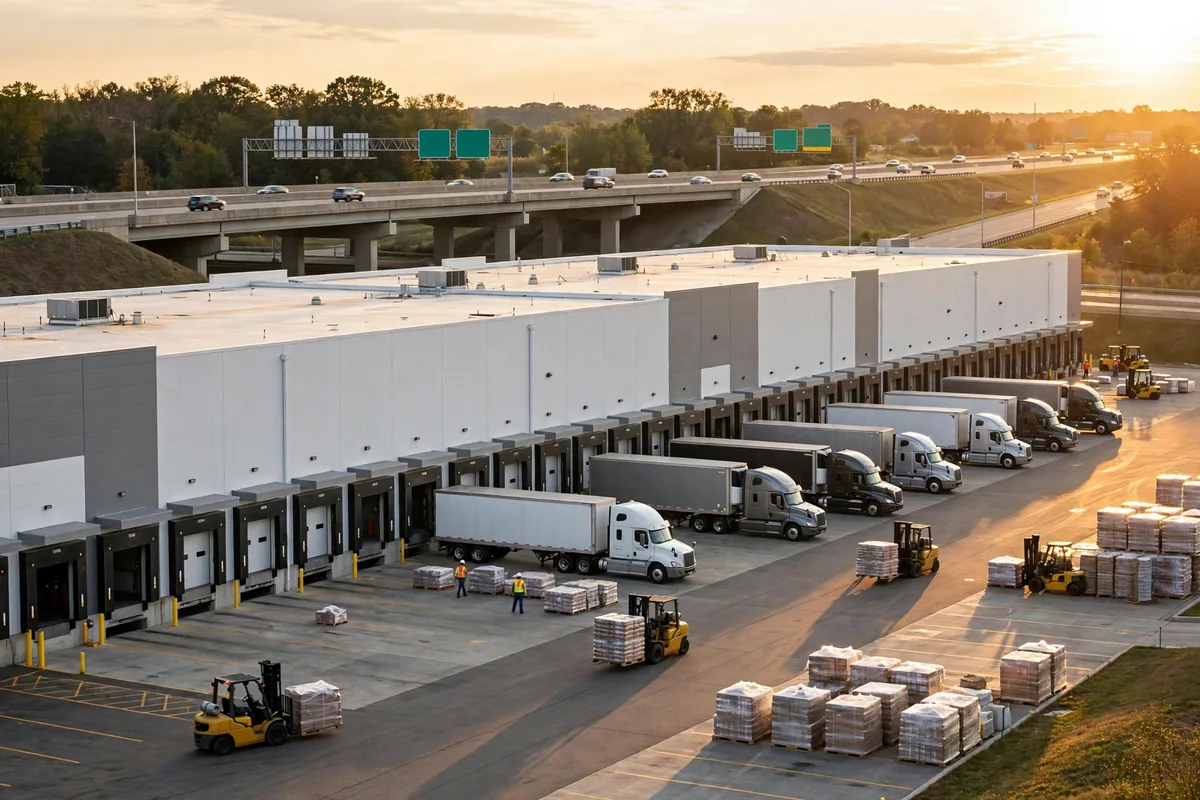
Release is not the finish line. Pickup, return of the empty container, and warehouse receiving still have to connect, and when they don't, the meter keeps running. Many shippers stare at the brokerage fee and never price the storage after free time expires or the waiting time of the trucking fleet. Once free time runs out, every extra day at the terminal costs money, and a driver who waits two hours at the gate versus six changes the whole tone of your next freight negotiation.
This is the table I use when I walk a client through the math. The figures are a hypothetical worked example for illustration only, not official rates — they exist to show how exam days push the cost up:
| Scenario | Extra days (assumed) | Where the cost shows up |
|---|---|---|
| Clean release, same-day pickup | 0 days | Normal pickup and trucking only |
| Tailgate exam, then release | 1–2 days assumed | Storage clock starts, driver waits half a day |
| Strip exam, then release | 3–5 days assumed | Storage, sufferance warehouse charges, receiving crew rescheduled |
See the pattern? The exam itself may not carry a fee, but the days it consumes burn money at the warehouse, the trucking company, and the sales desk all at once. So the cheapest move is never the cheapest broker. It is getting the filing right, leaving slack in the sailing schedule, and keeping receiving flexible. The trade-off most people get backwards: in Canadian clearance, slow is fast. Two extra days checking documents up front beats five extra days waiting at the port.
Next time you negotiate a contract, ask these three questions. First, does our broker file PARS pre-arrival, and who checks the documents line by line before filing? Second, if the cargo gets examined, who pays for sufferance storage, terminal storage, and driver waiting — and is it written down? Third, for peak-season cargo, how many days of slack did we leave in the sailing and receiving plan, and can we still cope if an exam eats three of them? Answer those three, and you can genuinely handle the Canada lane.
By Susan, 3PL Sales Director