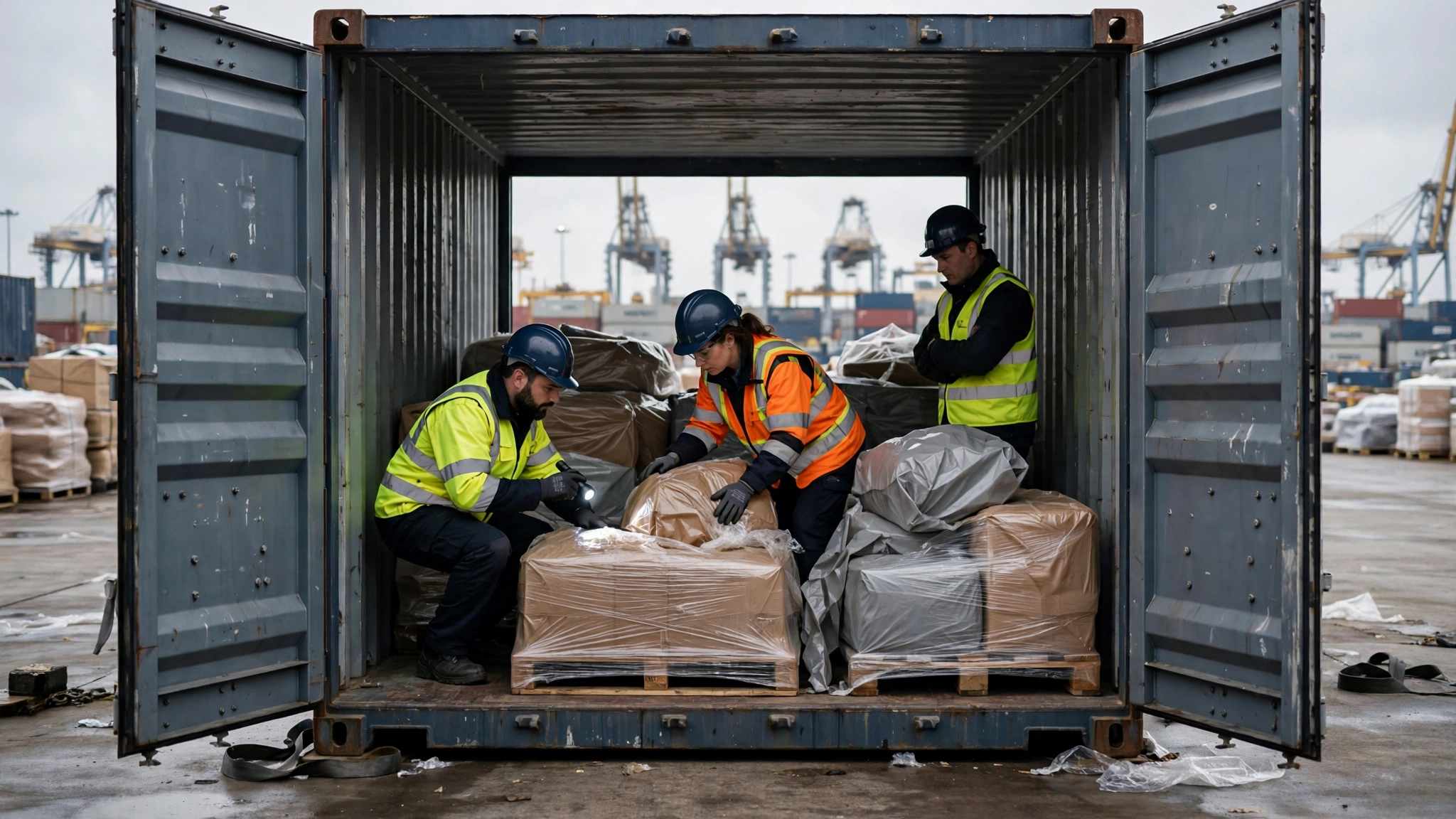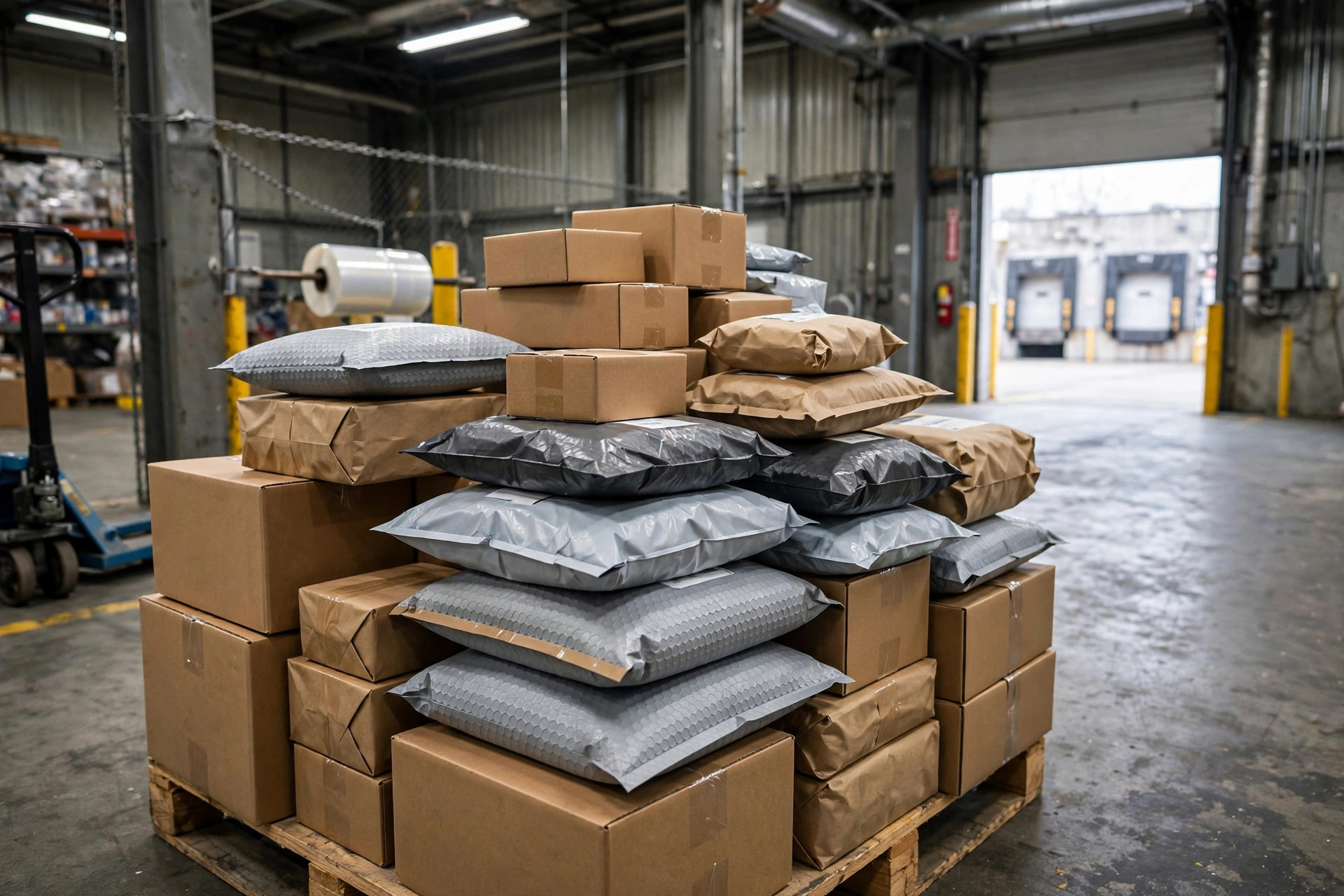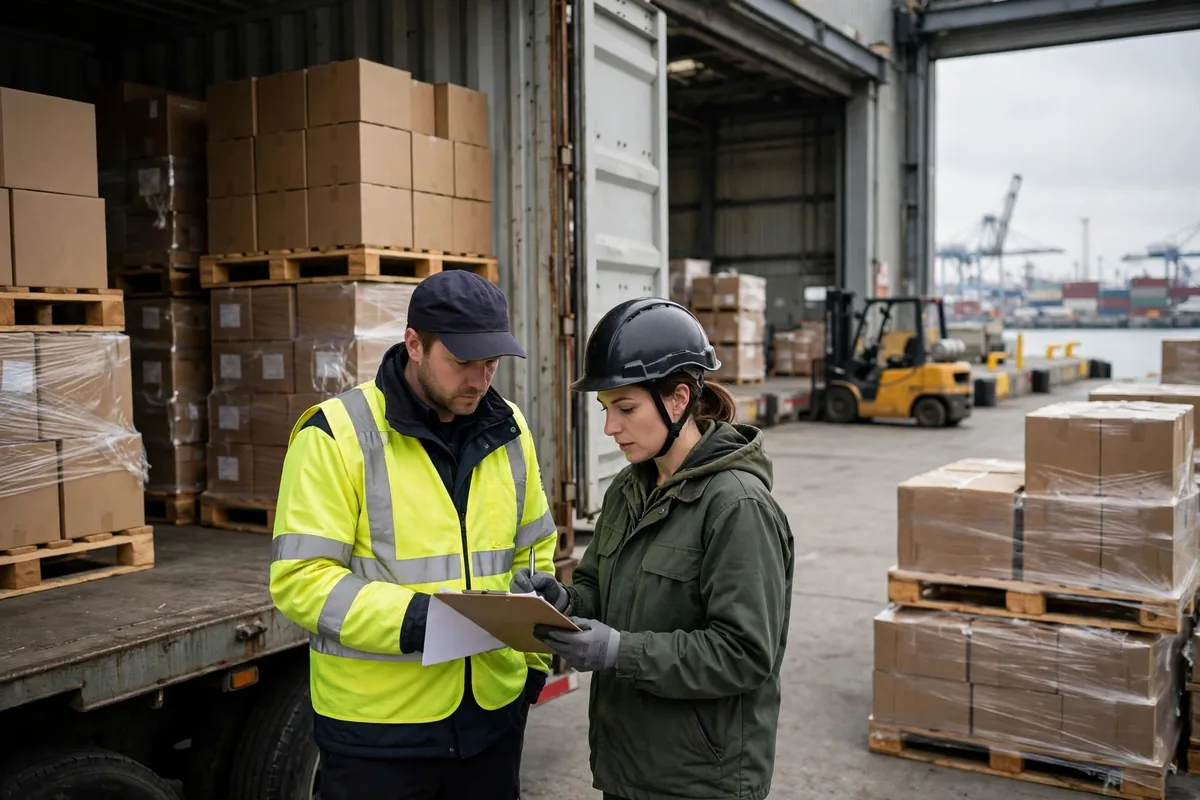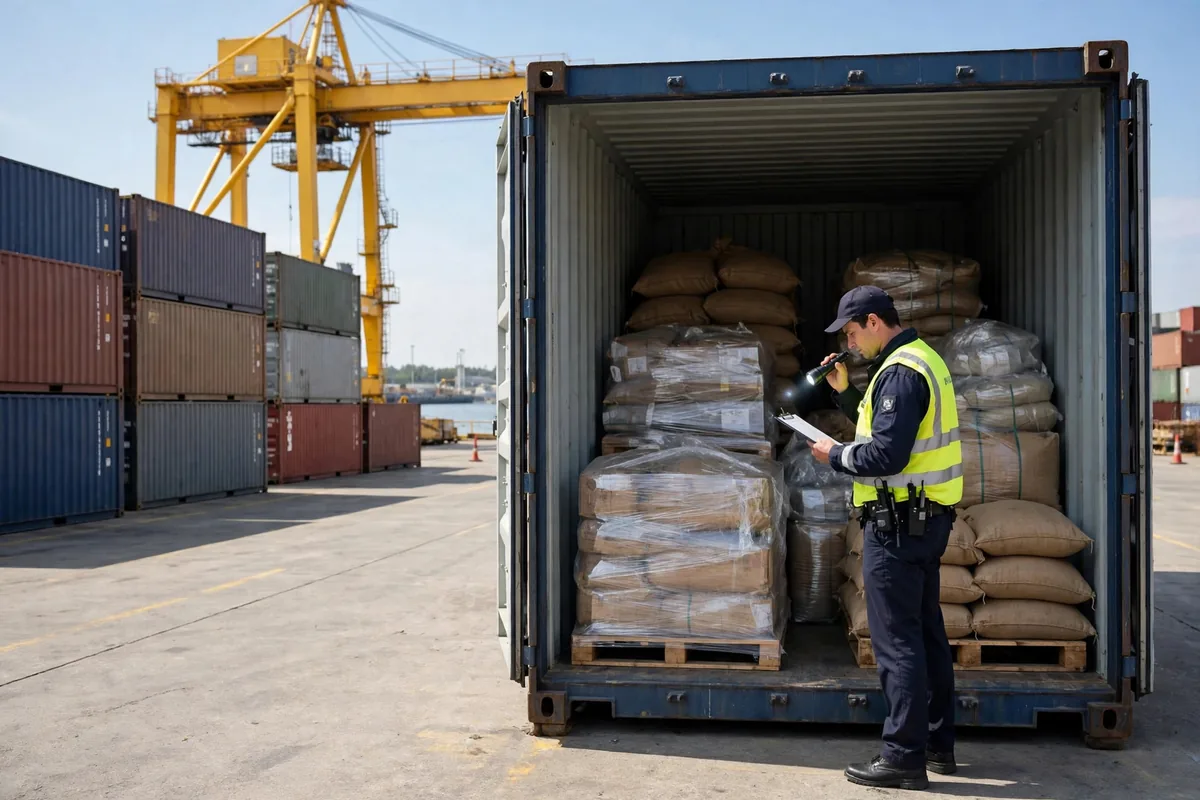
Let me tell you, de minimis ended about a month before this run, and the moment I pulled into a warehouse by the Los Angeles port last fall, I could see the mess it left behind: small parcels stacked by the door, forklifts shuttling back and forth, and the warehouse manager standing there scratching his head over a stack of paperwork. After all these years on the road, I have seen traffic jams, strikes, and warehouses bursting at the seams. But watching every small parcel suddenly have to learn customs entry overnight, that was a first.
The old game was simple. A parcel worth $800 or less came in under Section 321, no duty, light paperwork. On August 29, 2025, that door closed for every country. China and Hong Kong had already lost it on May 2, 2025. From that day on, every parcel pays what it owes and goes through an entry, whatever it is worth and wherever it comes from. Put plainly: the duty-free era is over, and warehouses and shippers both have to change how they play.
De Minimis Ended, and the First Bill Is the Entry
Clearance sounds like office work, but it decides how fast your freight reaches the customer. With de minimis ended, every small parcel has to be declared in the US customs electronic entry system, with duties and fees paid. Shipments valued at $2,500 or less generally go through informal entry. Above $2,500, a formal entry is required. The old Entry Type 86 is no longer accepted; Entry Type 11 is now the main informal entry. Check the latest customs guidance for the current wording, because the rules are still being refined, and your broker's version of the story needs regular checking too.
Here is a worked example, with assumed figures: a parcel worth $500 at an assumed duty rate of 10 percent owes $50 in duty alone. Add the broker's service fee, and check the broker's latest quote for the exact amount, and one parcel suddenly costs tens of dollars more to land. Under the old exemption, that money did not exist. The harder cost is time. Incomplete paperwork, a wrong classification code, or a questioned value will hold a parcel while someone asks for more documents. I watched a batch sit for days at a warehouse gate over a coding problem, customers calling every day, and nobody at the warehouse able to move it.
My advice: do not cut corners on the entry. Classify the product code before the freight moves, declare the real transaction value, and do not try to lowball it past customs. A fine and a seized shipment cost far more than the duty you thought you saved. Get three things straight with your broker: who supplies the documents, who watches the release status, and who picks up the phone first when something goes wrong. Settle those three, and the entry step is manageable.
De Minimis Ended Means the Warehouse Work Changes Too
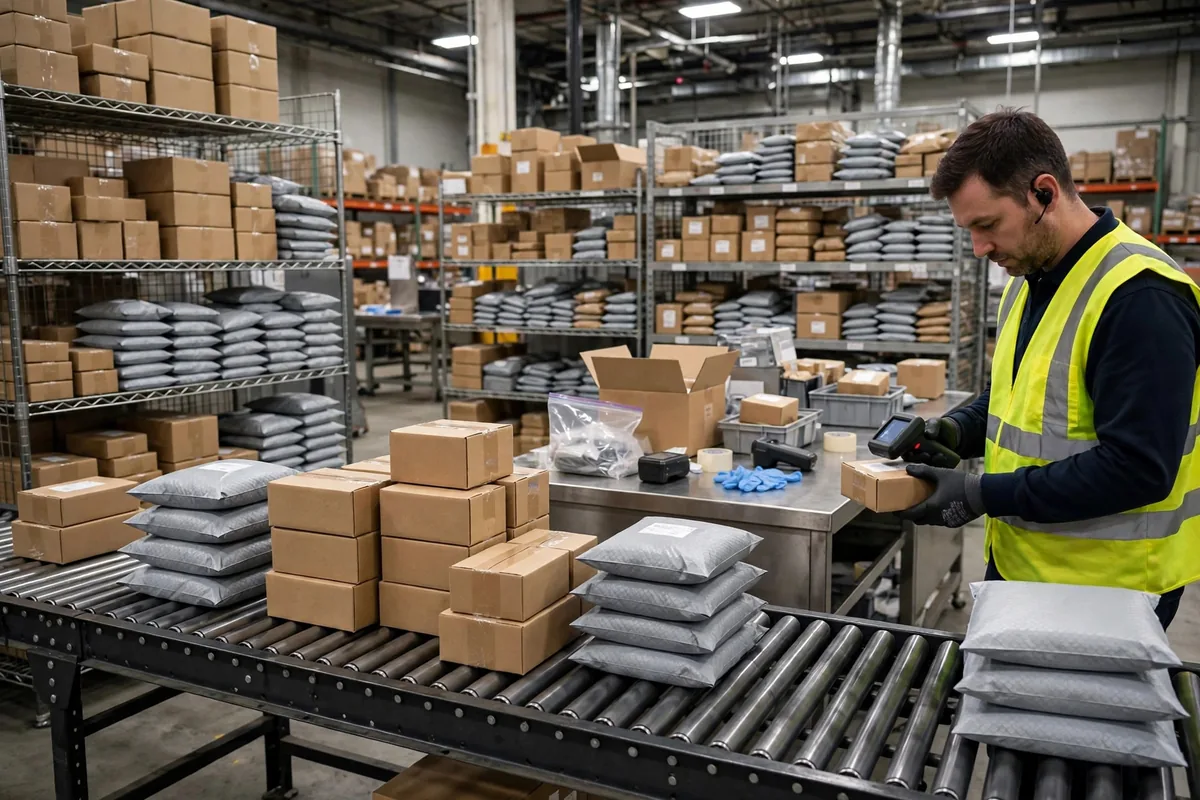
Once clearance changes, everything inside the warehouse changes with it. Parcels used to fly straight from overseas to the customer's door, and the warehouse only handled the handoff. Now every parcel waits for clearance first. The warehouse needs a dedicated area for uncleared freight and someone watching release status all day. Freight that has not cleared cannot move. Freight that has cleared has to be picked and shipped at once. The whole rhythm of the building gets scrambled.
I know a seller of small home goods who used to run entirely on direct shipping, one parcel per order, traveling light. After de minimis ended, he switched to sending stock in bulk to a US warehouse and shipping order by order from there. Clearance became one entry per bulk shipment, the cost per parcel dropped, and customers got their orders the next day. The price was money tied up in inventory: overstock and it does not sell, understock and you run out. That is the trade-off. Faster delivery and cheaper clearance per parcel, bought with inventory risk.
Returns changed too. Under direct shipping, a returned parcel was usually written off, because sending it back cost more than the goods were worth. With stock sitting in a US warehouse, a return can be inspected, refurbished, and sold again. Returns turned from a write-off into a real warehouse job. My view: the returns chain is worth doing properly now. A return handled well saves real money.
There is one more route worth knowing: the bonded warehouse. Goods can sit in bond for up to five years, and duty is paid when the goods leave the warehouse. Goods that do not sell can be re-exported from bond to another country without paying US duty at all. That suits high-value, slow-moving stock, but bonded operations and bookkeeping are strict, and small sellers need a specialist warehouse to run it.
Is Stocking Ahead Worth It Now?
Whether forward stocking pays comes down to three bills. The duty bill: one bulk import means one entry, which is simpler and cheaper per parcel than filing parcel by parcel, but the duty itself is not a cent less. The inventory bill: how much stock, how much cash tied up, how many days of turnover, worked out before you order. The speed bill: how fast can you deliver once the customer orders? Shipping from a US warehouse versus shipping direct from overseas is days apart, and whether customers will wait or pay more for speed depends on what you sell.
Here is the counterintuitive part: with de minimis ended, the bar for small-parcel selling actually went up. One person and a laptop could run direct shipping before. Now you need to understand entries, hold stock in a US warehouse, and know your inventory math. A higher bar drove out the dabblers, and the people who do warehousing properly suddenly have room to work. That sounds like cold comfort, but after all these years on the road, I have watched plenty of rule changes reshuffle the deck, and the ones left standing are always the ones who nailed the basics.
Three Things I'd Tell Any Shipper
De minimis ended, and in the short run it means higher costs and more paperwork. In the long run it ends the game of living off a policy loophole. From July 1, 2027, the exemption is also repealed by statute, so there is no going back. Better to rebuild the warehousing model around the new rules now than to wait around hoping the policy softens.
Three things, for any shipper still adjusting. Get the entry documents ready early: classification code, value, country of origin, none of it fudged. Size the overseas stock by real sales, not by gut feel, because stocked goods are parked cash. And stop throwing returns away: fix what can be fixed, sell what can be sold. The old saying holds: roads are made by walking them. The rules changed, so the road has to change too.
By Shifu Zhao, Trucking Veteran (15 yrs)