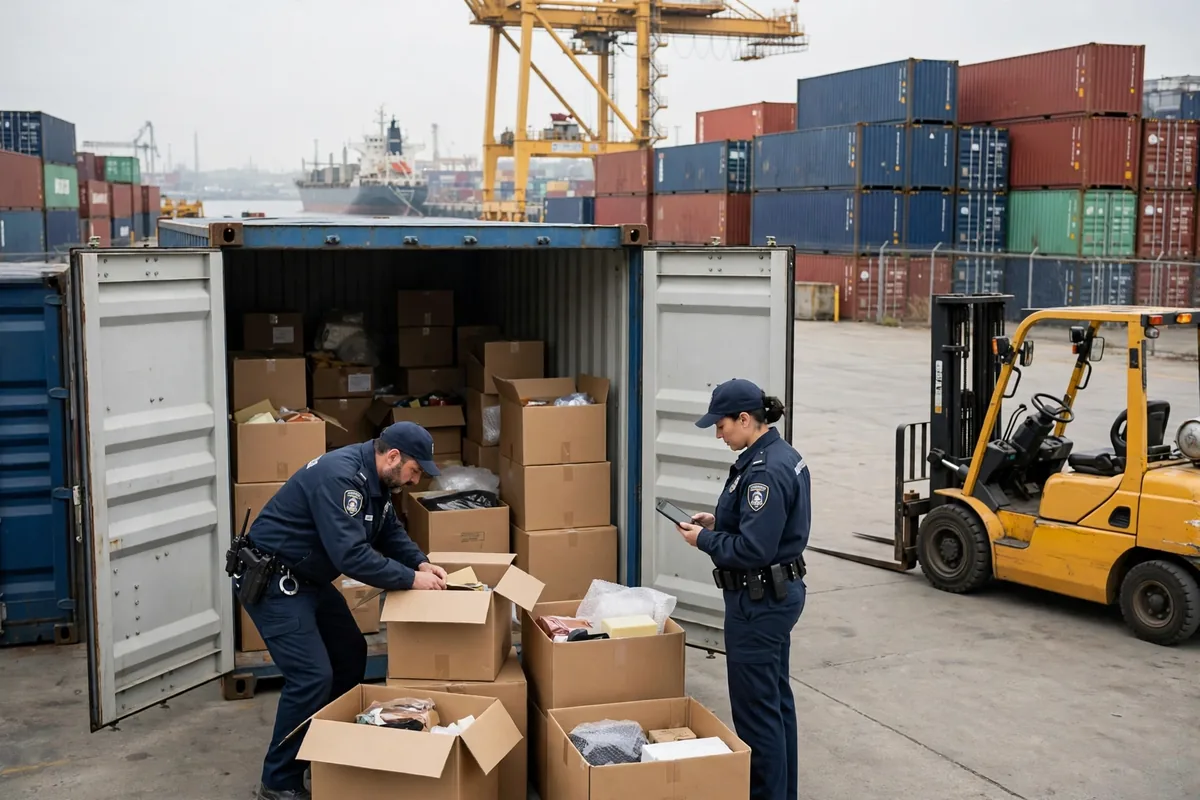
We had a client who imports outdoor lighting. In the fall of 2024, a container landed at the Port of Los Angeles, and the broker called: the hts code was wrong, and the box was going to exam. The cargo itself was not worth much. The exam bill, the demurrage, the storage, the amended entry — those added up fast, and every line was cash out the door. The client asked me on the phone: didn't the supplier give us the code? Why does it change once it reaches the US? I gave him the short version: what the supplier gave you works for the first six digits. The last four are yours to get right on this side.
I have taken that call more than once. In my years selling 3PL services, I have noticed a pattern: when an importer gets hurt, it is rarely the cargo itself. It is the string of digits on the paperwork. The number looks harmless. Get one digit wrong and the duty rate, the exam odds, and the back-duty bill all move with it. Yet plenty of importers treat that number as the supplier's job — whatever the supplier sends is what goes on the entry, no check at all.
HTS codes: the first six digits travel. The last four stay home.
The Harmonized System is the World Customs Organization's shared language for classifying traded goods, used by more than 200 countries and economies. The first six digits mean the same thing everywhere: the first two are the chapter, the next two are the heading, and digits five and six are the subheading. Take a cotton T-shirt, 6109.10. In China, Germany, or Japan, that number describes the same thing: a knitted cotton T-shirt. Those six digits are the common language on entry paperwork around the world.
A US import entry does not want six digits. It wants a 10-digit HTS number. The first six copy the HS code. The last four are America's own detail, maintained by the US International Trade Commission and enforced by US Customs and Border Protection. Digits seven and eight set the duty rate line; digits nine and ten are the statistical suffix. The same cotton T-shirt splits by men's or women's, adult or children's, and the duty follows the split. The 10-digit number on a supplier's export declaration belongs to the exporting country. Copying it onto a US entry is like handing in another country's answer sheet on an American exam.
Here is the part that surprises most clients: looking a code up is free. The US International Trade Commission publishes a public HTS search tool at hts.usitc.gov. No fee, no middleman. Plenty of importers pay good money for classification work whose answer is a line in that free tool. The tool is free. The judgment is not. The hard part is reading your own product well enough to know which line it belongs on, not opening the web page.
What a wrong HTS code actually costs
We had another client, an apparel importer. In the spring of 2025, a shipment of blended T-shirts arrived — cotton-polyester, mostly cotton — and the broker entered them as pure cotton. The exam opened the cartons, the lab tested the fabric, and the classification fell apart. The goods sat at the port for two extra weeks while the entry was amended, the duty topped up, and the storage meter ran. When the client did the math afterward, the duty difference was not the painful part. The painful part was the selling season that shipment missed.
When I walk a client through the cost of a wrong code, I show them three bills. The first is the duty gap: classify into a lower-duty line and you pay the difference plus interest; classify into a higher-duty line and getting the overpayment back is a long road. The second is exam and demurrage: a shipment with a questionable code draws exams more often, and exam fees, demurrage, and storage are charged by the day. The third is time: a container two weeks late in peak season can cost more in lost sales than the duty gap ever would. As for penalties, the exact figures are whatever US Customs and Border Protection currently publishes — I do not quote numbers I cannot stand behind.
| Scenario | Hypothetical example (illustrative figures, not a real bill) |
|---|---|
| One container valued at $100,000, duty gap of 5 points | About $5,000 in extra duty |
| Exam plus two weeks of demurrage | Roughly $3,000–$6,000 in exam, demurrage, and storage fees |
| Two weeks late in peak season | Lost sales, varies by product, often larger than the duty gap itself |
One more change from 2025 is worth flagging: duty-free de minimis treatment for shipments of $800 or less was suspended for all countries effective August 29, 2025. The current terms are whatever US Customs and Border Protection publishes now. Sellers who used to ship small parcels straight to the buyer now face a classification question on every shipment. There is no way around the homework anymore.
Who watches the HS code — you or the warehouse?
Clients often ask me: can the warehouse guard the classification for us? My honest answer is that the warehouse can guard half of it. The other half only the importer can do. Put the split in the contract. It beats pointing fingers after something goes wrong.
The importer's half: set the code before you order, and keep the evidence that supports it. Product specs, fiber content, function descriptions, sample photos — a classification call stands on that material, not on a guess. Once the code is set, write it into the product master data so the broker, the forwarder, and the warehouse all work from the same version. Three versions of the truth is how entries go wrong.
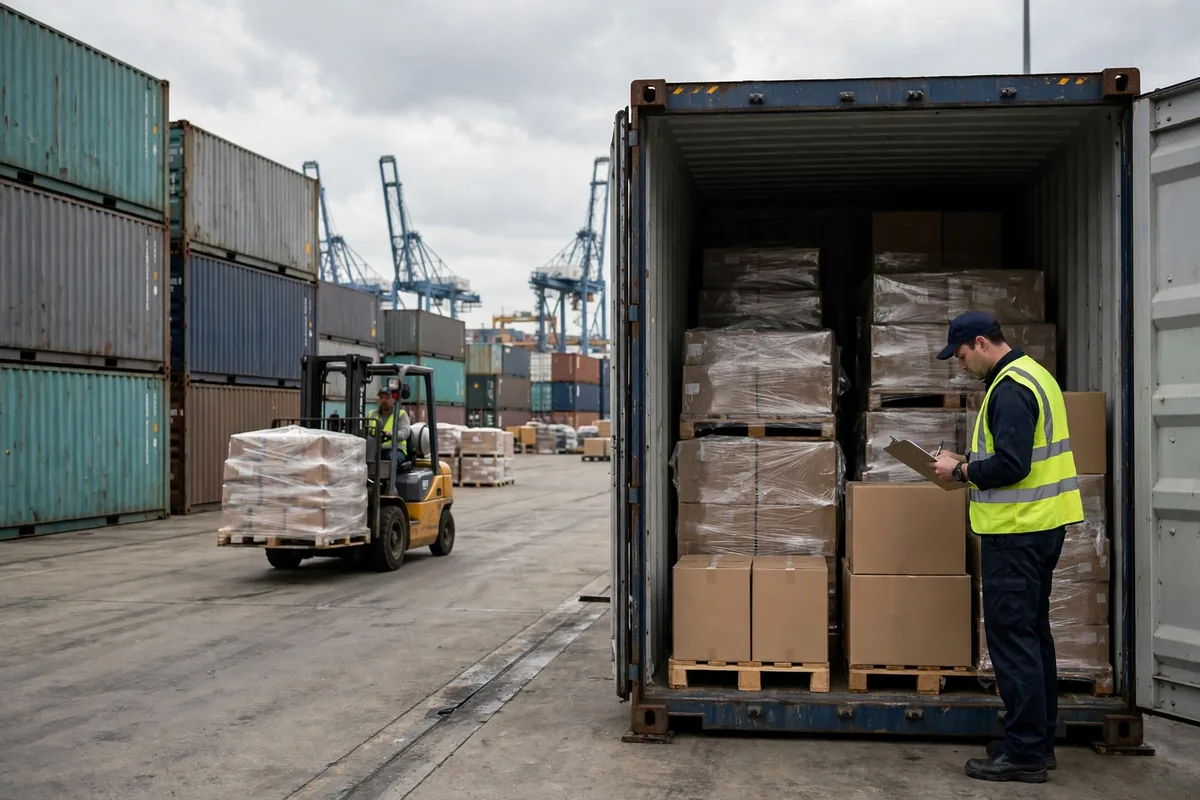
The warehouse's half: check the goods against the paperwork on arrival, keep the documents, and flag anything odd. When a shipment lands, the receiving team checks the physical goods against the documents — product name, quantity, marks, and the code on the file. If the goods and the paperwork disagree, report it before the stock goes into a location. Keep the documents for the retention period the contract sets. And if something looks off — say the same product carries a different code this time than last time — the warehouse tells the importer and the broker right away instead of waiting for Customs to ask.
I tell importers to write three lines into the contract: who supplies the code and who double-checks it; how fast the warehouse notifies you when goods and paperwork disagree; and who pays when a classification dispute lands. Anything the contract leaves vague turns into an argument later.
Next time you sit down to talk contract, ask these three questions: first, who sets the code and who reviews it; second, how far does the receiving check actually go; third, who carries the cost when a classification goes wrong. Once you have those answers, the rate card reads differently. The code itself is not hard. What is hard is treating it like real work — written into the process, written into the contract.
By Susan, 3PL Sales Director