Mid-November last year, right after the Double-11 rush, I was hunched over lunch in my office when my phone buzzed. One of our e-commerce clients, a baby-products seller, sent a message: one of their formula SKUs had blown up with a quality scandal online. Pulled from every platform. 'Please intercept everything from today that has not shipped yet.'
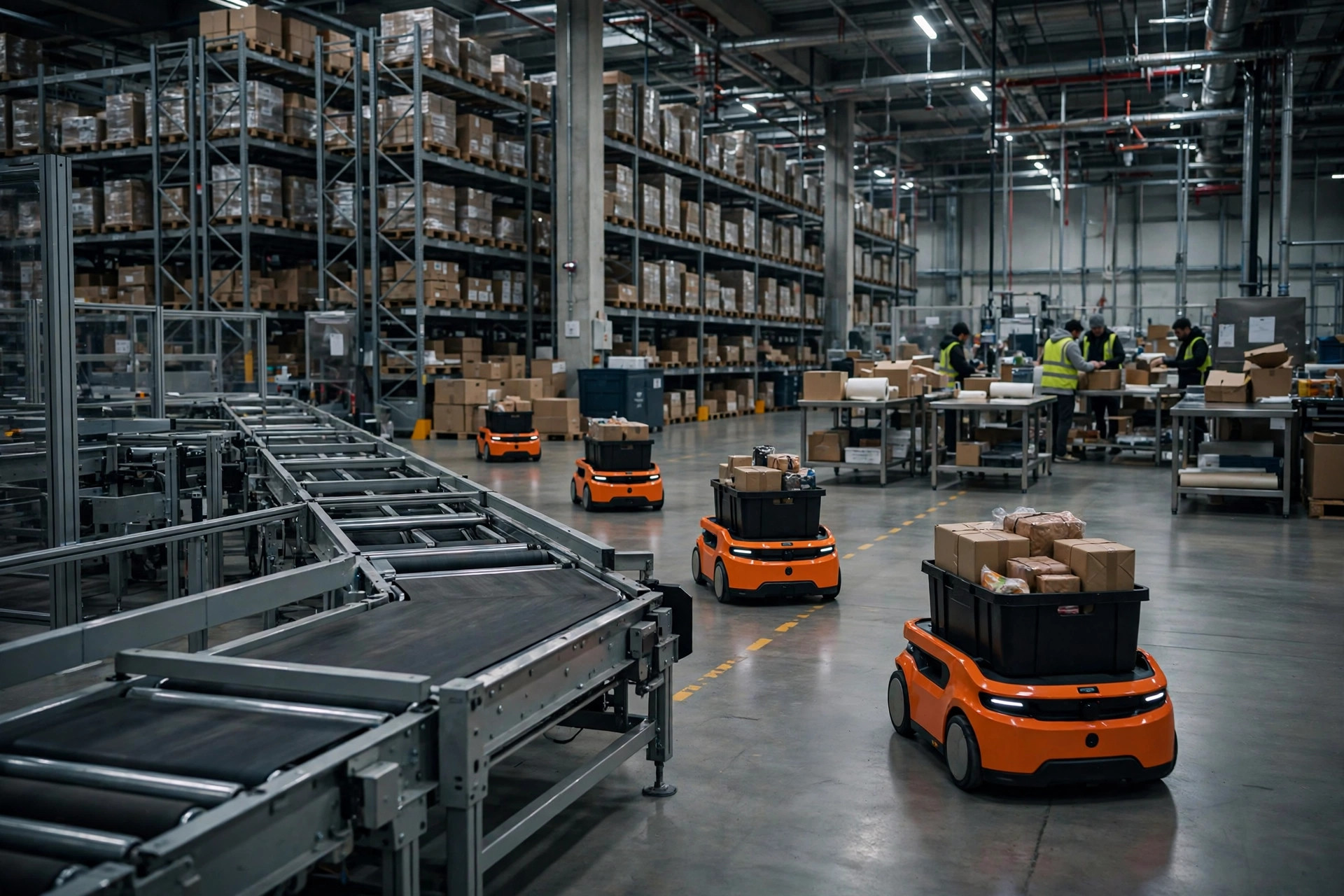
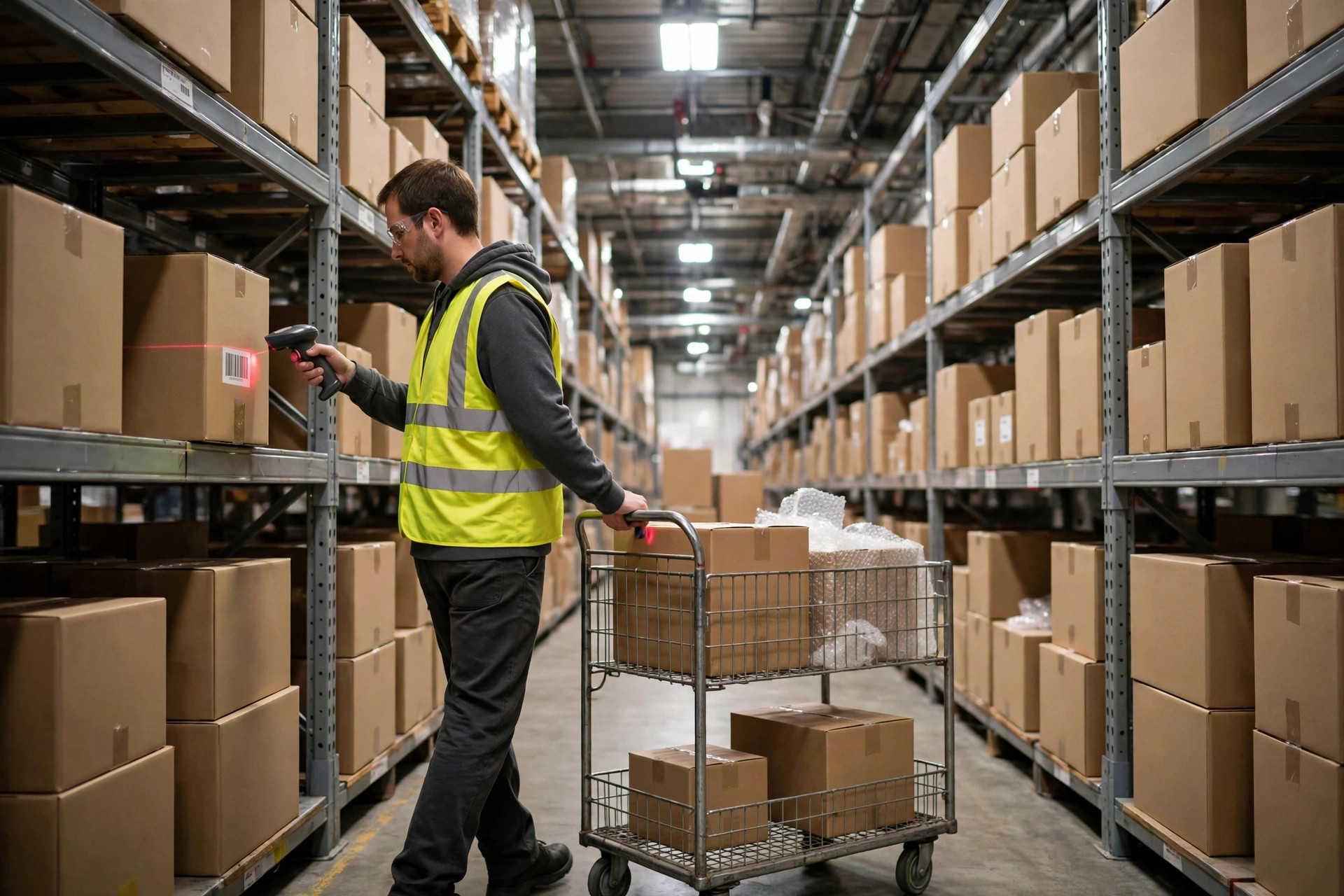
I opened our WES dashboard: the afternoon wave, 120-plus orders, released 40 minutes earlier. My two pickers, Xiao Zhang and Xiao Li, were already sweating through the rack aisles. The pack stations had sealed a dozen cartons.
My blood pressure spiked instantly. That afternoon became my crash course in WES wave cancellation.
I have no idea how the big players handle this. Here is what we did: I grabbed the walkie-talkie and yelled 'Everybody stop — hold the formula wave!', then ran into the pick aisles and intercepted orders rack by rack. That afternoon our whole warehouse looked like a fire drill.
We caught most of it — over 100 orders. Nine sealed cartons slipped through. We split the return shipping cost with the client, a couple thousand yuan, and it hurt me for three days.
That night I made a decision: WES wave cancellation cannot run on yelling every time. Small warehouses like ours cannot afford to burn money like that.
WES Wave Cancellation: First, Find Out Exactly Where the Order Stands
Our post-mortem found the biggest trap in wave cancellation: panic interception. People hit 'stop everything' regardless of where each order actually stands. The whole wave rhythm collapses, pickers stand idle in the aisles, and units per hour (UPH) drops faster than a bad stock.
Interception cost is directly tied to the order's stage. We turned it into a table and pinned it on the office wall:
| Where the order stands | Status | Interception cost (our real numbers) | Right move |
|---|---|---|---|
| Wave not yet released | Still sitting in WES | Zero — one click to void | Void it, sip your water, calm down |
| Released, picking not started | Task already on the picker's PDA | About 1–2 min per order | Recall the task in WES, confirm over the walkie-talkie |
| Picked, not yet sealed | Goods on the cart or at the check station | About 3–5 min per order | Intercept at the check station, put goods back to slots |
| Carton sealed | Box taped, label on | 8–10 min per order, plus a dead carton and tape | Do not intercept — read on |
We paid real money to learn this table. The last row deserves emphasis, because it is counterintuitive: once the carton is sealed, intercepting costs more than letting it ship.
Reopening a carton takes 8–10 minutes, the box and tape are scrap, and everything inside needs re-inspection — would you resell baby formula from an opened box? We did the math: reworking one sealed order costs as much as shipping two fresh ones. So now we have one iron rule: a sealed box is a shipped box, no turning back. Let it go out, let the customer refuse or return it through the normal returns flow. Cheaper, every time.
Wave Rescheduling: Do Not Gamble Away Your Pickers' Trust
Cancellations are the extreme case. The everyday headache is rescheduling — a client suddenly needs a few orders expedited, or a SKU goes out of stock and orders must be swapped.
Our first approach was very 'enterprise': reshuffle priorities in WES, re-release the wave, push new tasks down. The result? Xiao Zhang was mid-pick when his PDA beeped and the task changed. He stood in the aisle, confused: 'Boss, do I keep picking this carton or not?'
Within a month his UPH had dropped nearly 20%. I asked him why. He said: 'Tasks change all the time anyway. Why should I hustle?'
That hit me: the most expensive cost of wave rescheduling is not the system operation — it is the pickers' trust in their tasks. Recall tasks three times today, and tomorrow they will dawdle over every new task. Why rush something that might be voided?
So we made two homegrown rules:
First, two daily order cutoffs: 2:00 PM and 5:00 PM. Before a cutoff, clients can change or expedite anything, free of charge, no questions asked. After a cutoff — sorry, wait for the next wave, or let it ship and return it. The rule lives in the contract appendix, signed by the client. Some grumbled at first. Two months in, disputes actually dropped — a clear rule beats no rule in every negotiation.
Second, at most one in-wave reschedule per day. For a genuinely urgent order, we skip the full reshuffle and spin up a tiny 'rush wave' of 5–10 orders. Pickers instantly recognize it as special treatment — and oddly enough, they pick it with extra energy.
One more trade-off worth stating plainly: smaller waves are not automatically better. We tried 30-minute waves — super flexible for interception, but pickers never got into a rhythm and UPH visibly sank. Our sweet spot: a 2-hour wave plus the two cutoffs, balancing efficiency and flexibility. Small warehouses should not copy the big players' 15-minute dynamic waves. They spread that cost across 200 pickers. We have eight people. We cannot play that game.
Exception Interception: The Pack Station Is a Small Warehouse's Last Line of Defense
No WES, however smart, can stop goods that are already picked. That job belongs to the check station — our last line of defense.
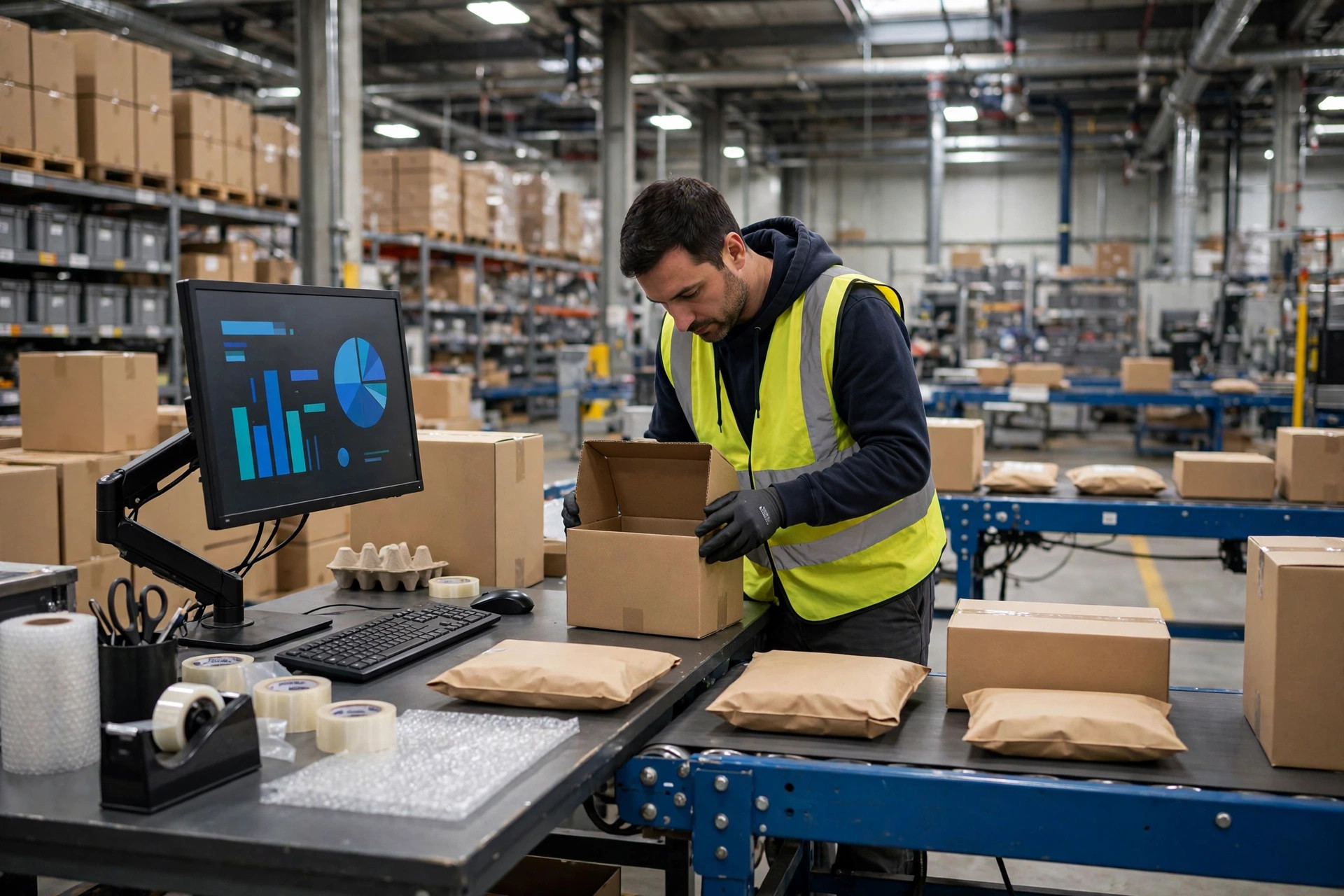
Our method is embarrassingly low-tech, and it works: a red tote sits next to the check station with a handwritten sign reading 'INTERCEPT ONLY'. The moment someone voids orders in WES, the checker pulls the matching goods into the red tote and calls over the radio: 'Red tote plus three.' The pick aisles hear it and know those three orders are dead.
Six months on this ritual, here are the results: twenty to thirty interceptions a month, over 90% success; interception-related client complaints went from several a month to basically zero; and best of all, we have not paid a cent of interception-failure shipping since.
Low-tech has a ceiling, of course. Our current requirement: no more than 5 minutes between the WES void click and the check-station interception. Past five minutes, the goods have probably reached the pack stations. So our checker carries the cheapest walkie-talkie we could find — the office calls it out the second WES voids something. System plus human voice, two channels, almost nothing slips through.
Three Pieces of Advice for Fellow Small Warehouses
First, draw your own interception cost table. Every warehouse has different labor, products, and flow — do not copy my numbers. Spend one afternoon walking every step from wave release to carton sealing, and time how many minutes each stage's interception takes and how much packaging it wastes. That table becomes your interception playbook.
Second, a cutoff policy beats any WES feature. System features are dead; client expectations are alive. Put 'you can change orders before X, not after' in the contract, and 90% of emergency interceptions disappear on their own.
Third, do not pay extra for a 'one-click recall' feature. Some WES vendors upsell smart wave recall for tens of thousands more. We asked around among peers who bought it. The verdict: the real interception bottleneck was never that one click in the system — it is how fast the pickers hear the news. With that money, buy the check station a walkie-talkie and the crew an extra lunch. Your interception rate will improve more.
Small warehouses have their own way of surviving. The big players run on systems; we run on clear rules and tight teamwork — and our orders ship just as cleanly.
By Xiao Ma, Small Warehouse Owner