It is 4:30 in the morning and the night crew has not finished sweeping the tail of the last wave. For a long time I treated warehouse wave planning cutoff times as a system setting, just a clock that released orders. Then came Black Friday week last year, and I learned that releasing a wave one hour too early or one hour too late can turn the same building into two different warehouses.
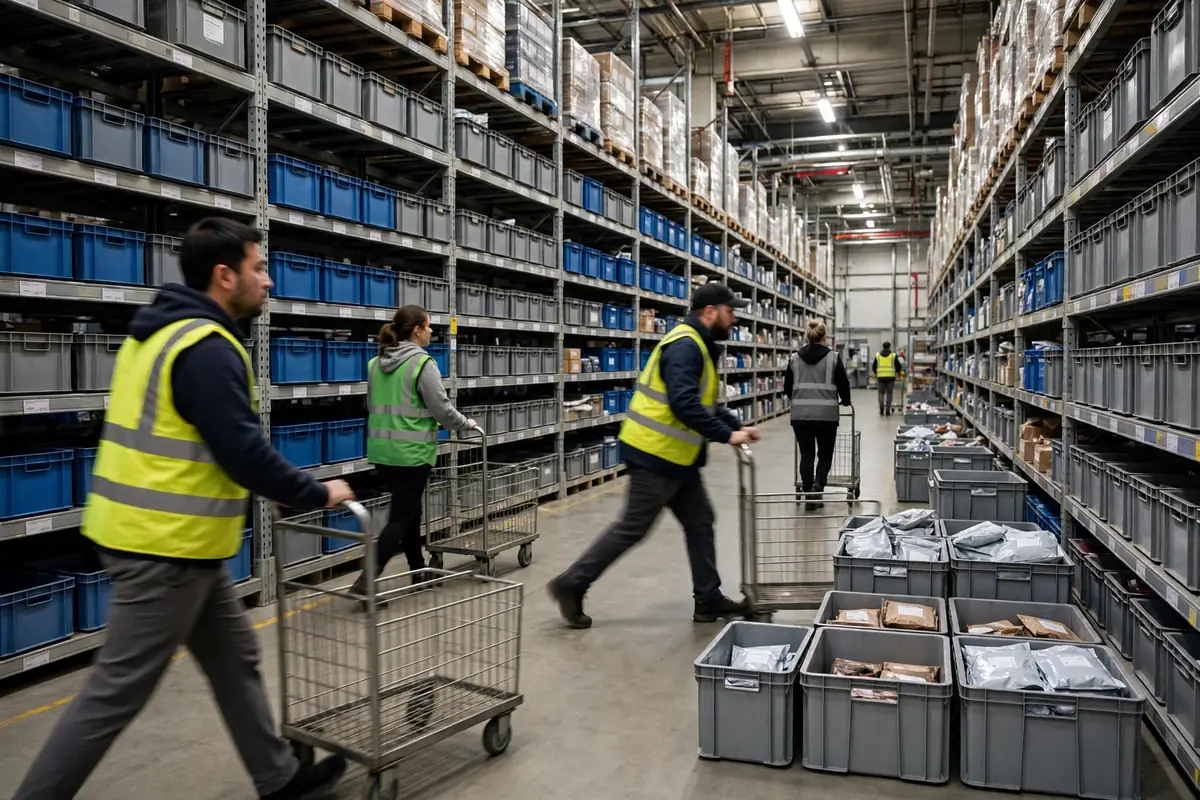
That morning was in late November, in a warehouse in Nevada. The day shift had not fully arrived. The night shift had already worked through the night. The order pool still held leftovers from the evening, and new orders kept pouring in. A supervisor called over the radio to release one more big wave and push volume. I did. Pickers flooded the aisles at once. The merge point backed up. Pack stations filled with half-finished cartons. People were holding half an order and waiting for the other half. The wave looked big on the screen. Shipments moved painfully slowly.
When warehouse wave planning cutoff times are too early, people clog before the system does
Release a wave too early and the first thing that breaks is rhythm on the floor, not software.
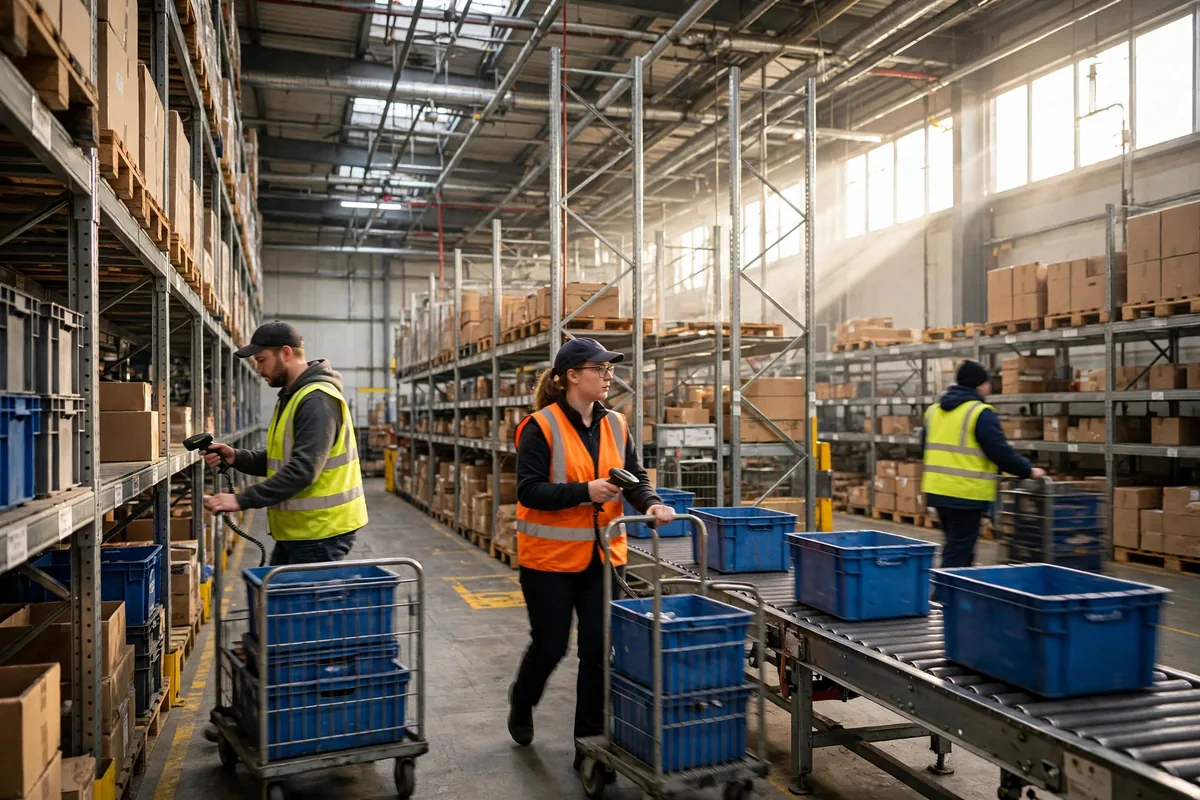
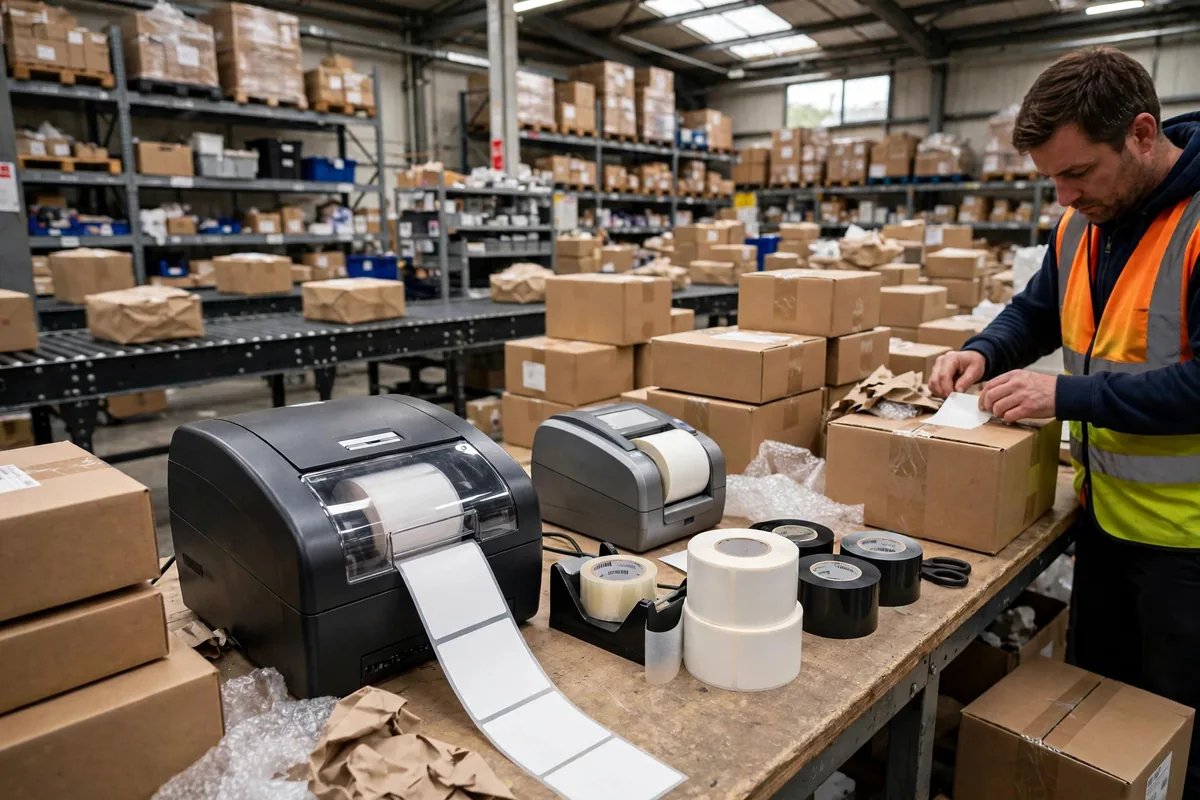
Orders have not pooled long enough, so items for the same customer that could have shipped together get split across waves. A picker walks a long aisle for two or three pieces, walks back, and walks out again. Steps get burned on travel instead of picking. At pack, a flood of small orders means constant box changes and constant label changes. The crew works harder and ships fewer cartons.
I did the math after that morning. On the early wave, travel per order was roughly a third higher than normal, by our floor count that week. Nobody was lazy. The wave had chopped the work into fragments.
Early waves also mix urgent orders with ordinary ones. The system may sort by time, but a picker on the floor cannot easily tell which carton absolutely has to make a specific carrier trailer. When cutoff approaches, people start hunting through piles, and that hunting is where misses happen.
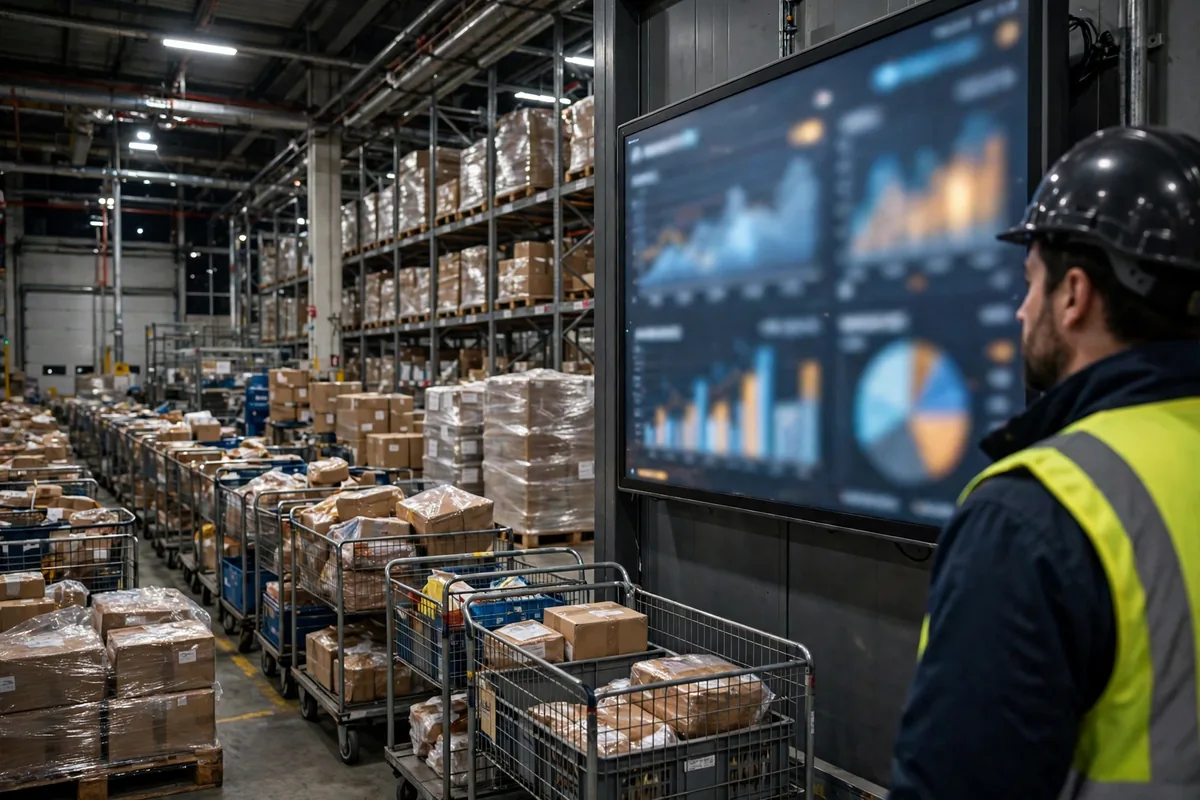
We tried holding the first wave back by about forty minutes to let orders pool longer. Consolidation improved in a visible way. More multi-item orders for the same address traveled in one carton. Pick paths got denser, so one pass through a zone picked more pieces. The trade-off was real. Early output numbers looked slow, and managers watching the big screen got nervous. By midday, total shipped volume had caught up, and we needed fewer temporary workers than planned.
Work backward from the trailer: setting cutoff times in warehouse wave planning
Our practice now is to plan backward from the trailer.
Take an afternoon departure. Before it you need loading and handoff, before that packing and checking, before that picking and merging. Every step needs buffer in peak, because small problems happen daily: a checker queue, a jammed printer, a pallet not where the system says. If the last wave finishes exactly at cutoff on paper, one small delay drops the whole wave.
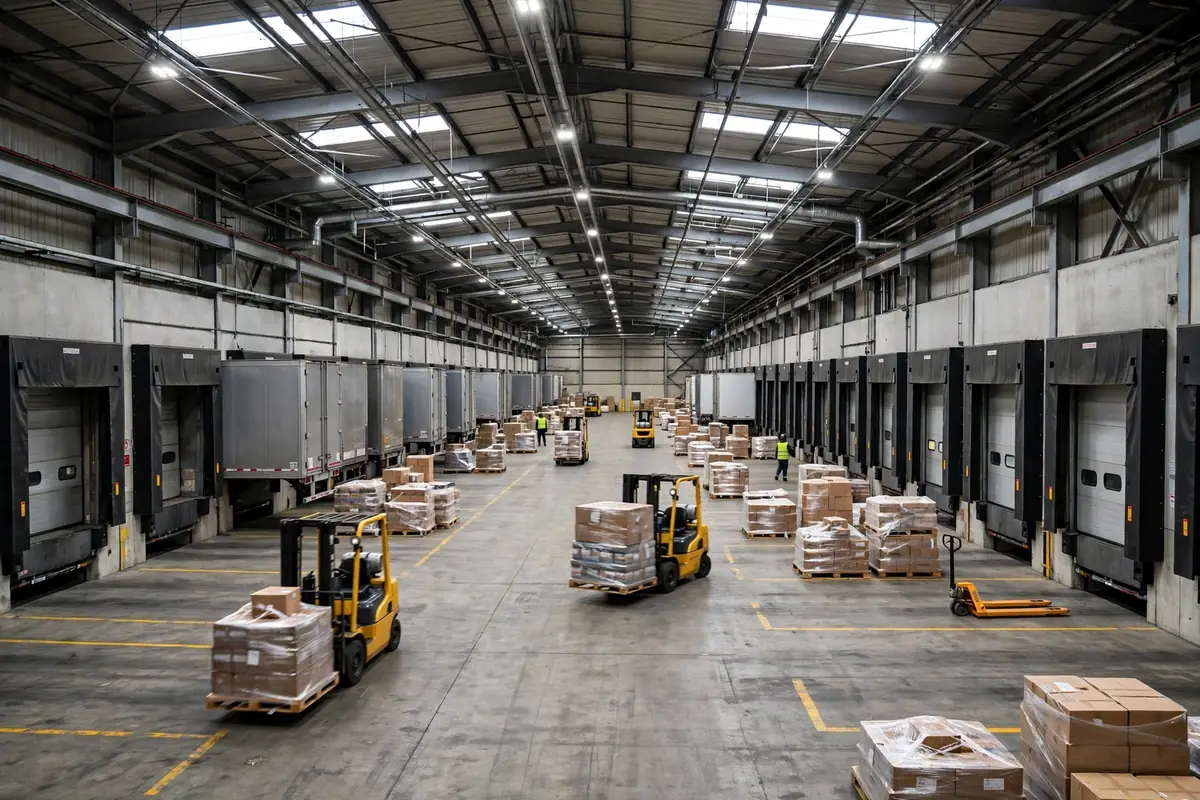
I learned that the hard way during two weeks helping a warehouse in New Jersey last December. That site set its final wave very close to cutoff to squeeze out better consolidation and save cartons. That afternoon a sort point fault stopped work for a short stretch. When it cleared, the final wave was stuck at pack. The driver waited at the dock. Dispatch called again and again. Dozens of parcels, by our count that evening, missed the trailer and went the next day, and customer questions followed. The cartons saved were paid back in delays, with interest.
When I came home we changed the rule. The last wave closes early enough to leave a rescue window. Orders that arrive after close do not get forced in. They roll to the next trailer or the first wave next day. It sounds like giving up. It is actually how you protect the promise.
Here is the backward check we keep on the office wall. Every warehouse has to fill in its own times, because carrier schedules and staffing change and the latest carrier and site schedule is what counts.
| Step | Question to ask | Peak-season adjustment |
|---|---|---|
| Loading and handoff | How many doors, how long can the driver wait | Add queue buffer |
| Pack and check | How many cartons per hour at full staffing | Shrink wave size if short staffed |
| Pick and merge | How long is the walk from the farthest zone | Add time for new temporary workers |
| Exceptions | Who handles missing or damaged items | Keep one floater unassigned |
The last wave before cutoff: protect the trailer or protect consolidation
The final wave is the hardest call of the day.
Protect consolidation and you wait, letting more orders pool so fewer cartons go out. Wait too long and the trailer leaves without you. Protect the departure and you close early, shipping safely but splitting some customers across two parcels and creating calls to service.
I have been burned on both sides, waiting once while the trailer left, and closing so early another time that a customer got two small boxes and called to ask if we had shipped wrong.
Our settled rule uses two triggers. One is a clock trigger. When the time hits, the wave closes, no debate. The other is a volume trigger. If the pool already holds a full wave, we can close early instead of waiting for the clock. Ten minutes before close, the lead calls out for exceptions. Anyone holding a problem order reports it. Missing items get pulled out and handled separately instead of dragging the whole wave down with them.
Here is the counterintuitive part our crew had to learn. A smaller last wave often ships faster than a cleared pool. Emptying the pool feels tidy, but it sweeps in the hardest picks, the farthest zones, and the orders most likely to be short. Those orders eat the clock. Leaving a few difficult tails for the first night wave is not failure. The night crew is smaller but it is not racing a trailer, so it can work those orders cleanly. In peak we say it out loud. The last day wave takes the clean work. The hard tails wait.
Adding a wave in peak season is a staffing problem first
When volume jumps, fixed waves are not enough. You add a wave. The risk is not the release button. The risk is people.
Last peak we tried adding a late wave around eleven at night. On paper it meant one more batch out the door. In practice the night crew had already worked for hours and eleven is when fatigue peaks. The previous wave had not been cleaned up when the new one landed. People were caught between two waves. Errors rose that night, with wrong labels and product placed at the wrong merge point. At the morning review I knew the wave had failed because we added orders without adding rested people.
Now an added wave is decided a day ahead, never on impulse. The roster splits into two groups. One protects the fixed waves. The other is a flex group for added waves and exceptions. Flex staff start later so they still have energy at night. Meal breaks are staggered too, so the building never empties by half while waves keep releasing with nobody to catch them
Temporary workers need a ramp. A new temp does not start in the most complex zone. Start them close, on easy locations, paired with an experienced picker for a couple of waves. Coaching slows the first hour, but it saves the week, because unchecked beginners create rework at check and pack for days.
In the end, warehouse wave planning cutoff times are not really a timetable. They schedule human energy and attention.
My reminder to other managers is simple. Before peak, write every wave close time, every backward plan, and the last-wave rule on paper and put it on the wall. At two in the morning, when something breaks, nobody has the energy to invent good judgment. They can only follow a rule agreed on while rested. Decide early, and the floor argues less and ships more on time.
By Chen Feng, Warehouse Operations Manager