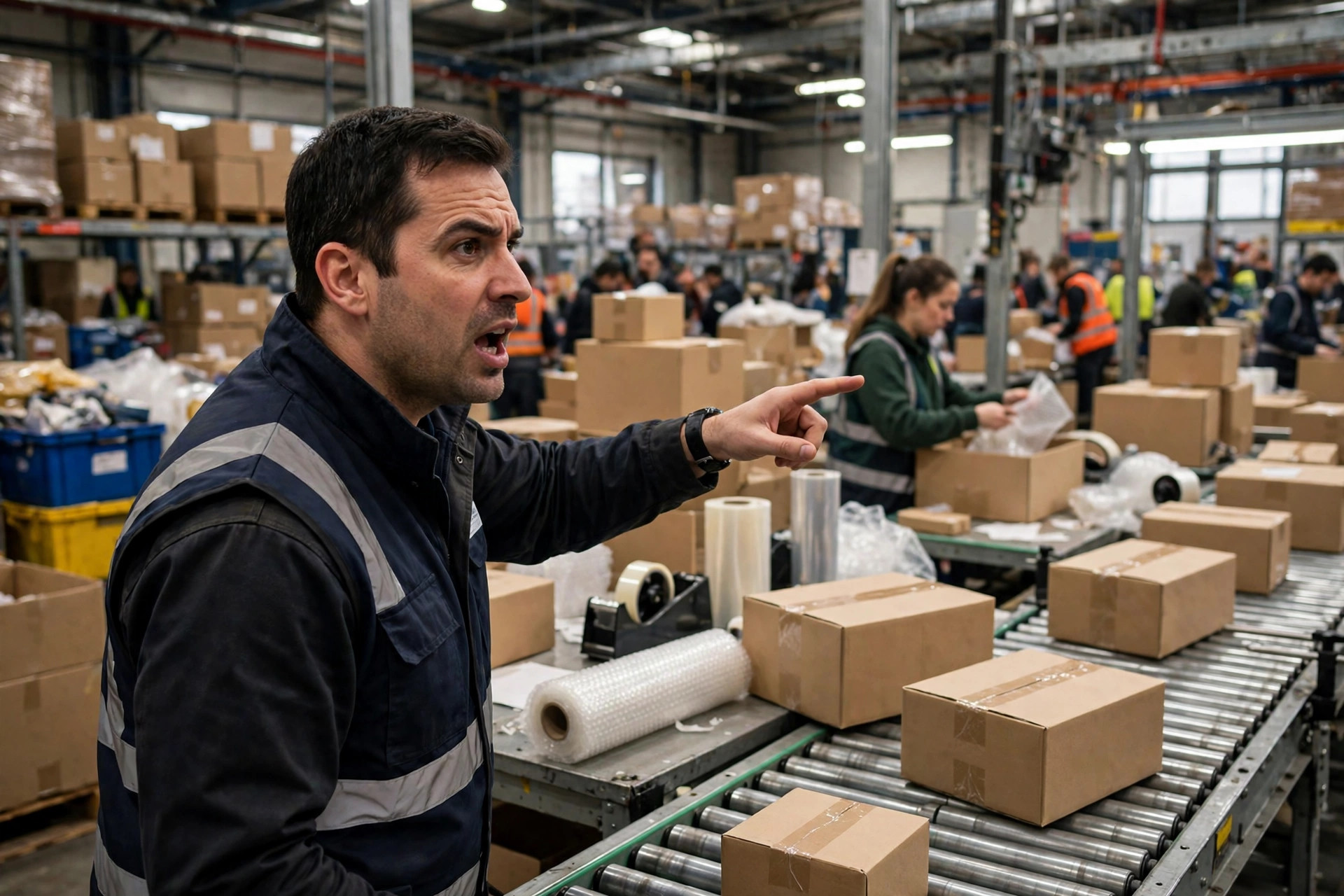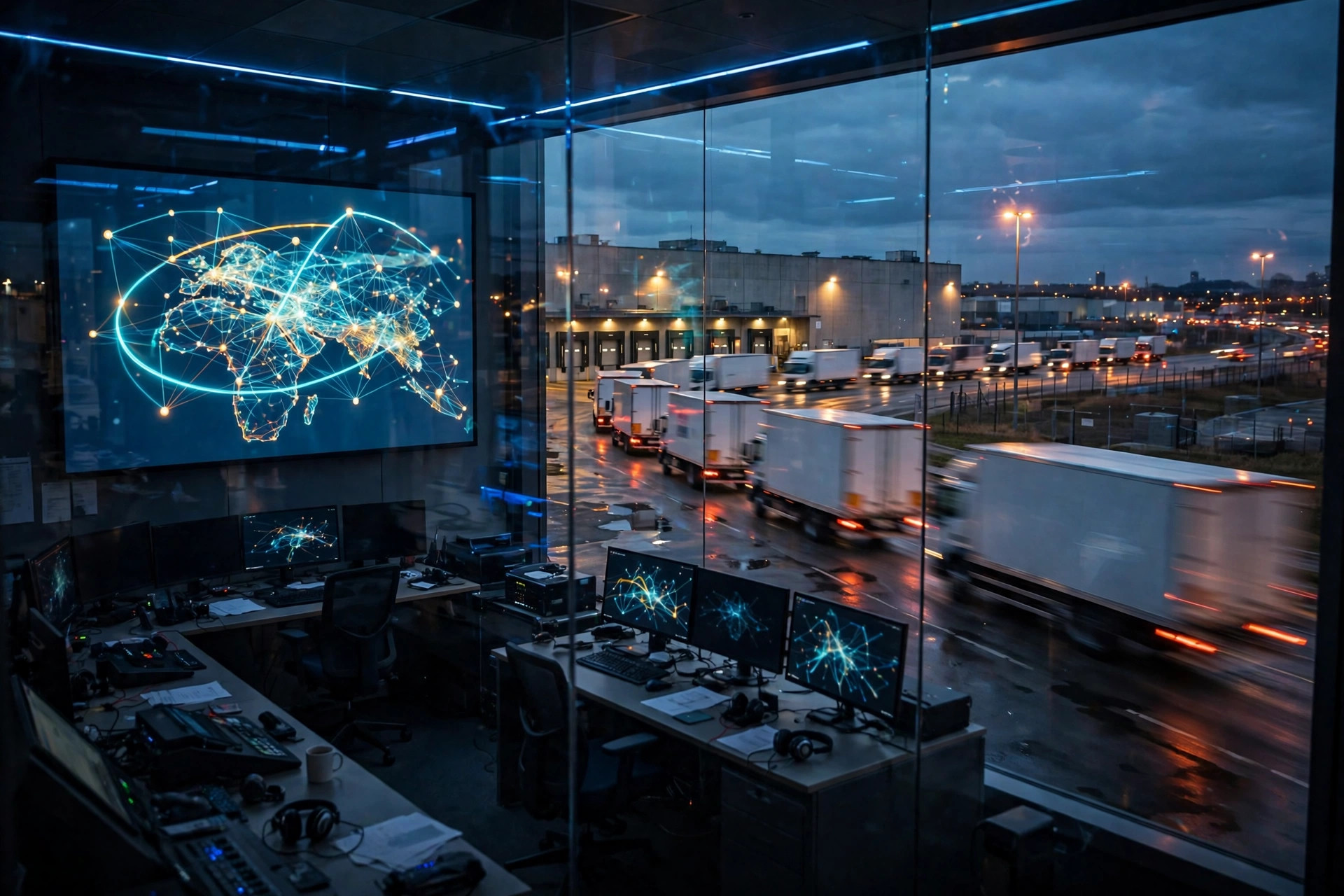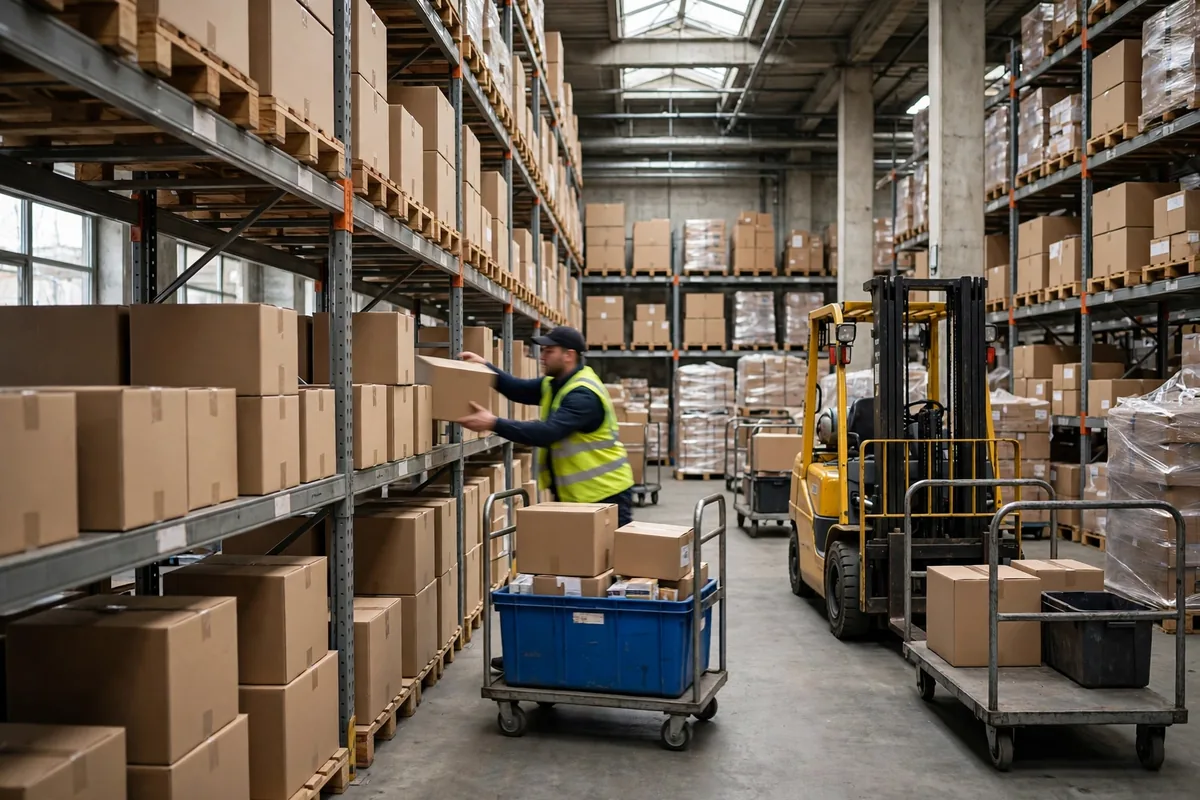
It was 6:40 on a Tuesday morning in peak season, and I had barely walked through the door when the phone rang with an emergency order. A customer needed a shipment out that same day. The truck was arriving at 11, and if we missed it, they would miss their big promotion. The crew had just changed into their work gear. The first wave was already printed — 120 orders — and the pickers were heading out to the racks. I looked at the list. Thirty-seven emergency orders, spread across three different zones. My first thought, honestly, was simple: if I force those 37 orders into a wave that is already running, the whole warehouse goes sideways today.
We took the orders. Not because the customer shouted the loudest, but because we already had a priority lane in place. Without one, a rush order only ends two ways: a supervisor makes a gut call, or nobody dares to take it and everybody loses.
A Priority Lane Is Never Free
Let me do the math first, because a priority lane is not free. It is paid for with regular orders' time.
A normal wave in our building is 120 orders. Six pickers, twenty orders each, about ninety minutes to finish the loop. Drop a rush order in the middle and a picker has to set down the order in hand, move to another zone, switch carts, and then come back and find where they left off. Thirty-seven rush orders sounds small. In practice, it pulls two of the six pickers off the wave, and the four who are left take an extra half hour to finish. Half an hour means packing runs late, checking runs late, loading runs late, and the truck at the door waits an extra half hour.
So we made a hard rule: the priority lane opens twice a day, no more. Once in the morning, once in the afternoon. Morning requests have to be in before 9:30. Afternoon requests before 3:00. Miss the cutoff and the rush order waits for the next window. It sounds harsh. On the floor, it is a relief: pickers know they will be interrupted at most twice a day, and packing and dispatch know when the rush orders will land.
There is a second cap: thirty orders per opening, maximum. More than thirty is not cutting the line. That is an extra wave. An extra wave needs its own people and its own truck slot. You do not steal them from the regular wave. That Tuesday morning we had 37 rush orders. I asked the customer to pick the 30 most urgent for the priority lane and let the other seven ride the midday wave. The truck arrived at 11. Everything was loaded by 11:30. Nothing was left behind.
Not Every Rush Order Is an Emergency
These days we sort emergency orders into three tiers. I worked this out with a few of our veterans, and it took close to two months to get it right.
Tier one is a line-stop order. The customer's production line is waiting on parts, or a store shelf is empty and waiting to be restocked. When one of these lands, the running wave can stop and a dedicated crew goes after it. Only two people can approve it: me or the duty supervisor. A phone call is enough, and the paperwork follows afterward. In a typical month we see three to five. More than that means the problem is upstream, in planning.
Tier two is a same-day order. It has to ship today, but it does not need to stop the line. It goes into the morning or afternoon priority lane window. The customer service lead approves it, and she has to write three things on the order: why it is urgent, the time it has to leave by, and when the truck arrives. Without those three lines, I do not sign it.
Tier three is the one I like best. We call it the false rush. The customer says it is urgent, but ask them what time they need it and they say sometime today. Ask when the truck comes and they say they have not booked one yet. Those orders go straight back into the regular wave. Nobody jumps the line for them. A few customers were unhappy at first. Two months later, they understood: the truly urgent orders had never once been late, and the false rush orders shipped the same day anyway, right on schedule in the normal wave.
| Tier | How we tell | Who approves | How it moves |
|---|---|---|---|
| Line-stop | Production line waiting, store shelf empty | Me or the duty supervisor | Stop the running wave, dedicated crew |
| Same-day | Must ship today | Customer service lead | Morning or afternoon priority lane window |
| False rush | Sounds urgent, no time attached | No approval needed | Back to the regular wave |
That table is taped to the dispatch desk. A new customer service rep asks three questions and the order sorts itself. When our veterans train the new hires, I tell them one thing: do not listen to how urgent the customer sounds. Ask what time they need it and when the truck arrives. If they cannot answer, it is not a real emergency.
How the Priority Lane Runs Now
The night shift story shows it best. One night in March, around 11 p.m., customer service called about a shipment that had to reach a hospital first thing in the morning. Twenty-four orders, small pieces, spread across two zones. The night crew was four pickers, in the middle of an 80-order night wave. The old way, a supervisor would have pulled two people off the wave to chase the rush orders, leaving two people to carry eighty orders. They would still have been working at 2 a.m.
That night the duty lead was Lao Liu, a veteran who has worked with me for eight years. He did not jump the line. He asked three questions first: what time do you need it, when does the truck arrive, and can it ship in parts? The truck was coming at 6 a.m., and the goods had to be there by 7. The night wave would finish at 2, so the rush orders could start at 3 and finish by 4:30. He slotted them into the 3 a.m. window and never touched the running wave. When the truck arrived at 6, the freight was already waiting at the door.
That is the routine now: a rush order arrives, we ask three questions, we pick the window, and only then do we assign people. The priority lane always runs with two people: one veteran and one newer hire. The veteran knows the aisles; the new hire runs two trips with them, and next time they can hold the lane on their own. A new picker running to the wrong zone is the worst thing about rush orders — one wrong order means rechecking, reprinting, and re-picking, which costs more time than going slow.
Here is the counterintuitive part: the more often you open the priority lane, the slower the rush orders move. It sounds backwards, and on the floor it is exactly how it works. Every stop costs ten minutes or more to restart — finding the break point, rechecking the list, getting moving again. Open the lane four or five times a day and you burn more than an hour just on restarts. Open it twice a day and the pickers know what is coming. The rush orders run in a batch, and they actually move faster. Since we went from jumping the line whenever someone asked to twice a day, our rush orders ship sooner on average, and the regular orders' on-time rate went up too.
A priority lane is not a race. It is a set of rules. When the rules hold, the customer knows the cutoff, the floor knows the day will be interrupted at most twice, and a new hire knows which three questions to ask. When the rules do not hold, the lane is just a gap in the fence. One order jumps today, two jump tomorrow, and by the end of the month the whole warehouse is jumping the line and nobody is moving fast.
If you are setting one up in your own building, I have one warning for you. Decide who can approve a rush order first, and then decide how many times a day the lane opens. If the approver is not fixed, whoever shouts loudest jumps the line. If the number of openings is not fixed, the lane opens every day, all day — and then there is no lane at all.
By Chen Feng, Warehouse Operations Manager