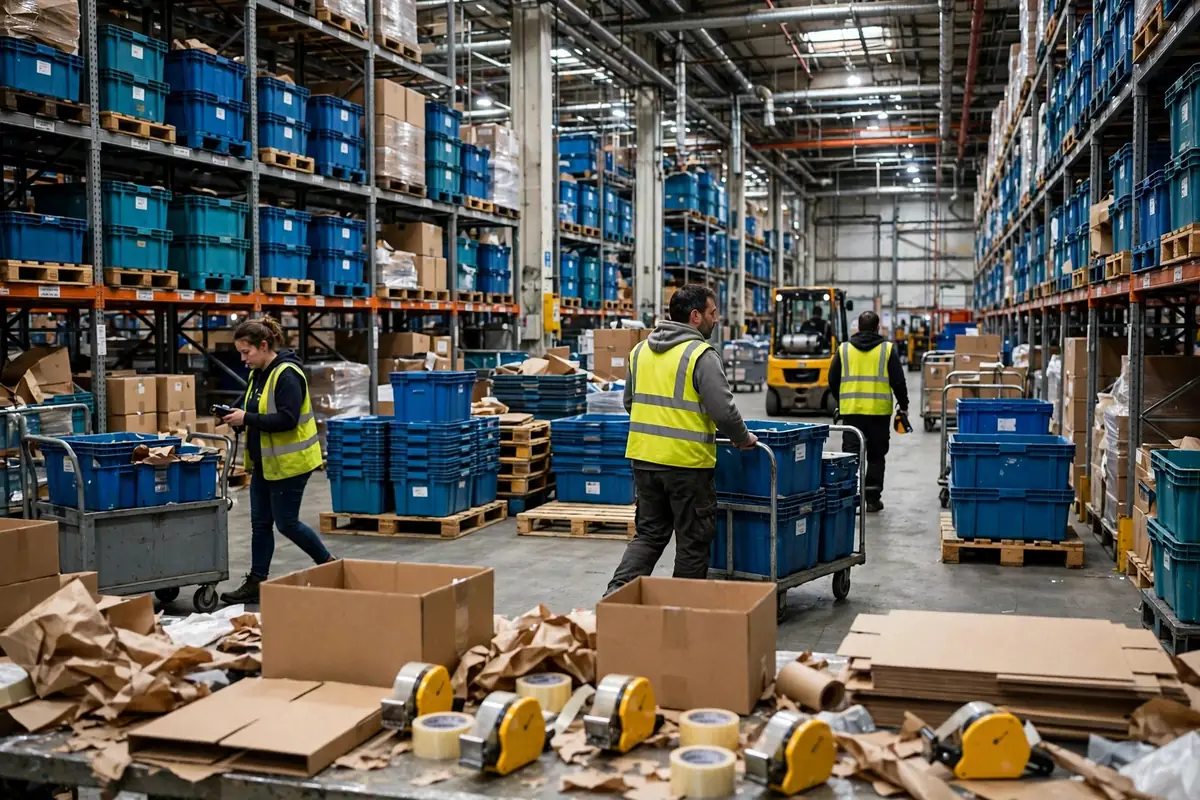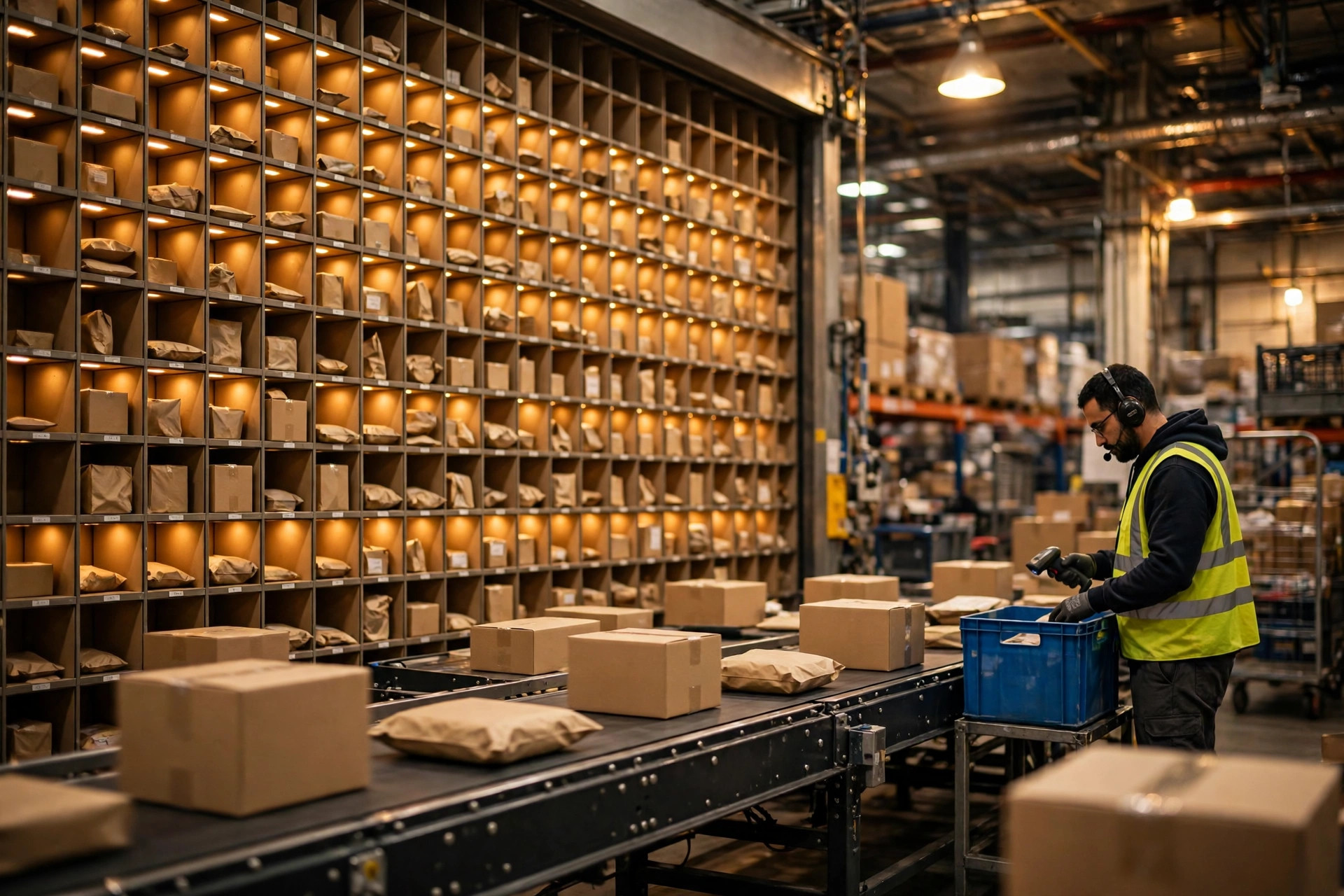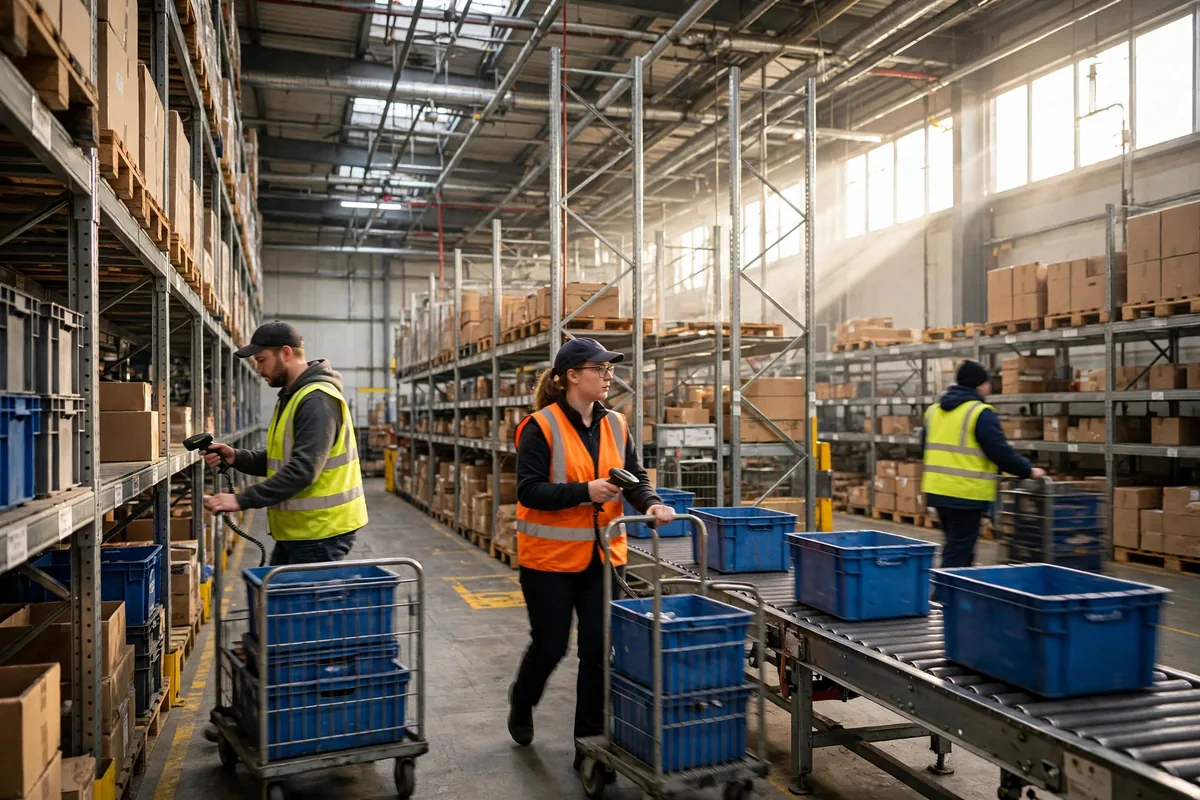
Tuesday, 6:40 a.m. I walk into the warehouse and the pick zone is already jammed. That is warehouse wave release timing in real life: release a wave too early and one set of things goes wrong, release it too late and a different set goes wrong. A dozen pickers are standing around, a forklift cannot turn in the aisle, and three pallets of unlabeled cartons are stacked on the pack benches. The night supervisor comes over and tells me the wave released at 9 p.m. was too big. Halfway through picking, the locations ran dry, replenishment never caught up, and half the crew stood waiting. Honest truth: I have seen this scene too many times.
A wave is just a day's orders cut into slices, and when you make the first cut decides how the whole day runs. Cut too early and people wait with nothing to do, then trip over each other later. Cut too late and trucks queue at the dock, drivers curse, and customer service phones light up. What we do now in my warehouse took three years of trial and error. It is not a textbook answer.
Release Early and the Warehouse Wave Falls Apart First
When warehouse wave release timing runs early, the pick zone breaks before anything else. Release 800 orders at 7 a.m. and pickers charge in, but replenishment is not finished and the locations are empty. One person waits at a shelf for stock, three more queue behind them, the aisle locks up, and productivity drops by half. Nobody says it out loud, but everyone knows the morning is wasted.
In September 2025, ahead of a big promotion, we released the whole day's orders at 6:30 a.m. to get ahead of it. By noon I walked the floor and found more than 40 pallets backed up at pack-out, not enough hands to label, and no floor space left, so picked cartons ended up stacked in the aisles. By 3 p.m. the pick progress looked great on screen, but barely any extra orders had actually shipped, and the truck still left at 5 p.m. with the driver waiting 40 minutes for a full load. After that day I set a rule: one wave never exceeds what the pack benches can clear in an hour. If it is bigger, split it into two waves.
There is a labor cost to count too. Release early and pickers arrive to find the orders are not ready, so the first half hour goes to odd jobs. Illustrative example: a 60-person picking shift, each person idle for half an hour a day, adds up to about 900 labor hours in a month. That money would hire two experienced hands. Whatever time the early release saved gets eaten by waiting. Worse is morale. A few mornings in a row with nothing to pick and the veterans start thinking management has no plan, while the new hires think the job is just chaos.
Release Late and the Warehouse Wave Leaves Trucks Waiting at the Door
When warehouse wave release timing runs late, the chaos moves to the dock door. Trucks run on cutoff times. The driver arrives at 5 p.m., you release the wave at 4:30, and picking, checking, packing, and loading all get squeezed into one hour. Nobody can do that cleanly. Drivers wait outside, the crew rushes inside, and rushed work is where errors come from. One wrong order is one customer complaint.
One day in November 2025, a system upgrade kept us down until 2 p.m., so waves went out two and a half hours late. Six trucks queued at the door that evening. The longest wait was 2 hours and 10 minutes. The driver called dispatch, dispatch called me, and I stood on the dock watching the loaders sweat. That day was not the drivers' fault. Our rhythm was broken. We paid expedited freight on two orders and received a written warning from a major customer. A late wave looks like a timing problem, but it is a trust problem. The customer does not care about your system upgrade. They care whether the freight left on time.
Late release carries a hidden cost as well: the night shift. Work the day shift cannot finish rolls into the night, and the night crew is smaller to begin with. Three nights running past midnight and sick calls start appearing. One wave released two hours late can scramble a full week of rosters.
The Release Schedule We Run Now
Here is how we do it now. Four waves a day, timed backward from the truck cutoffs. The first wave goes at 7 a.m., covering only orders that came in after last night's cutoff, a small batch so the morning crew has work the moment they clock in. The second wave goes at 10:30 a.m. for the morning's orders. The third wave goes at 2 p.m., the biggest one, with the most hands assigned. The fourth wave goes at 4:30 p.m., covering only orders that can still make the 6 p.m. trucks. Anything that cannot make it rolls to tomorrow. We do not force it in.
Before every release, I check three things: how many pallets are backed up at pack-out, how far replenishment has gotten, and whether today's headcount is actually on the floor. If any of the three looks wrong, the release slips 15 minutes. Slipping 15 minutes is not embarrassing. Forcing a wave and wrecking the day's rhythm is. The cutoff is a hard line. Orders that will miss it get flagged by the system, and customer service calls the customer in advance instead of discovering it after the truck has gone.
Here is the counterintuitive part: more waves is not always better. I have seen warehouses cut eight waves a day because it felt flexible. Pickers had just found their rhythm when the wave changed, and they had to relearn the location pattern all over again. Every switch costs something. Four waves is the number we settled on after testing. On a heavy day we add one, on a light day we drop one, and we adjust against the pack benches' clearing speed, not the clock.
One reminder for fellow managers: releasing a wave is not a button in the system. It is the master switch for the whole day's rhythm. Walk the floor first. Look at the pack benches, look at replenishment, check who has actually shown up, and then press the button. The moment you press it, 200 people run on your decision.
By Chen Feng, Warehouse Operations Manager