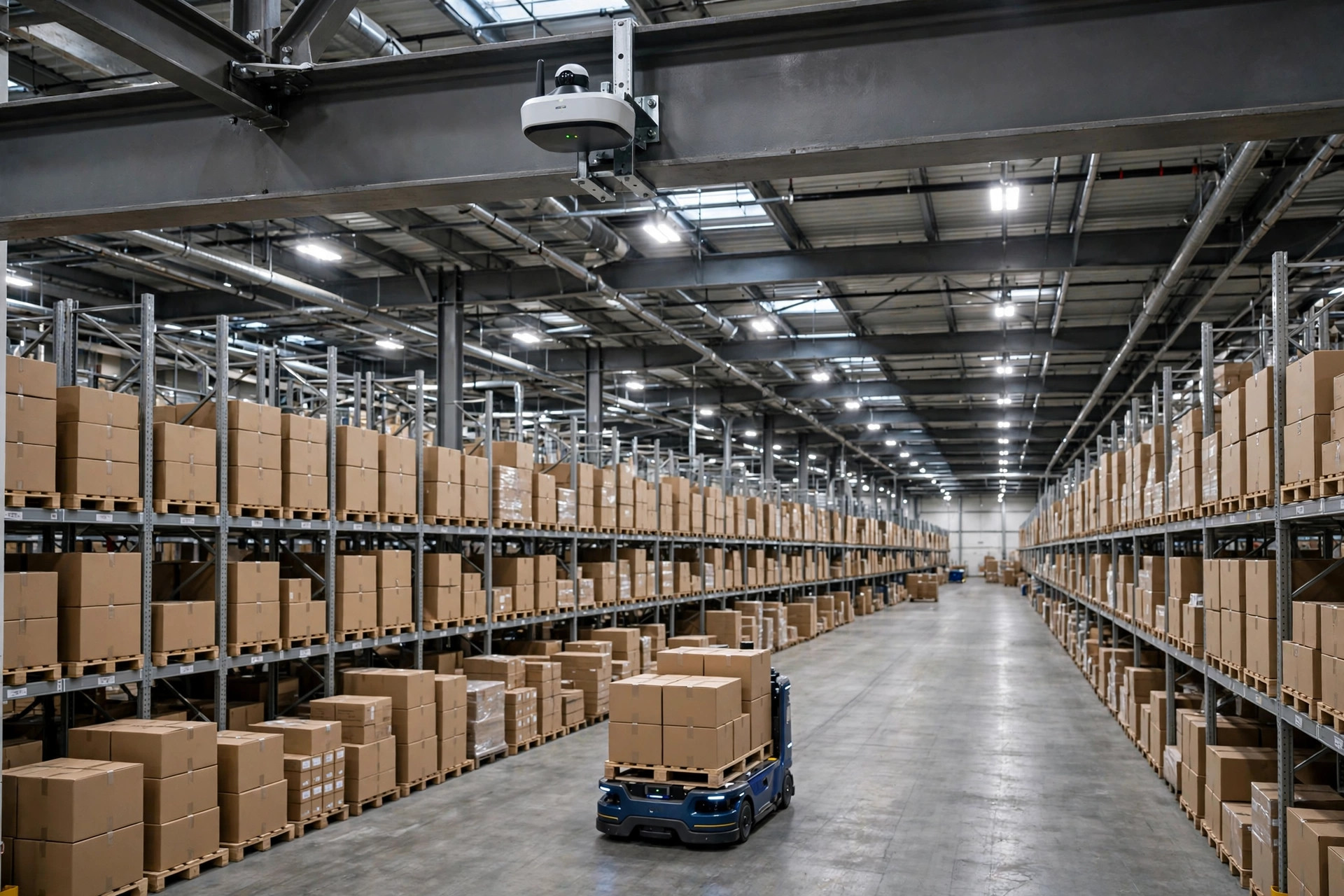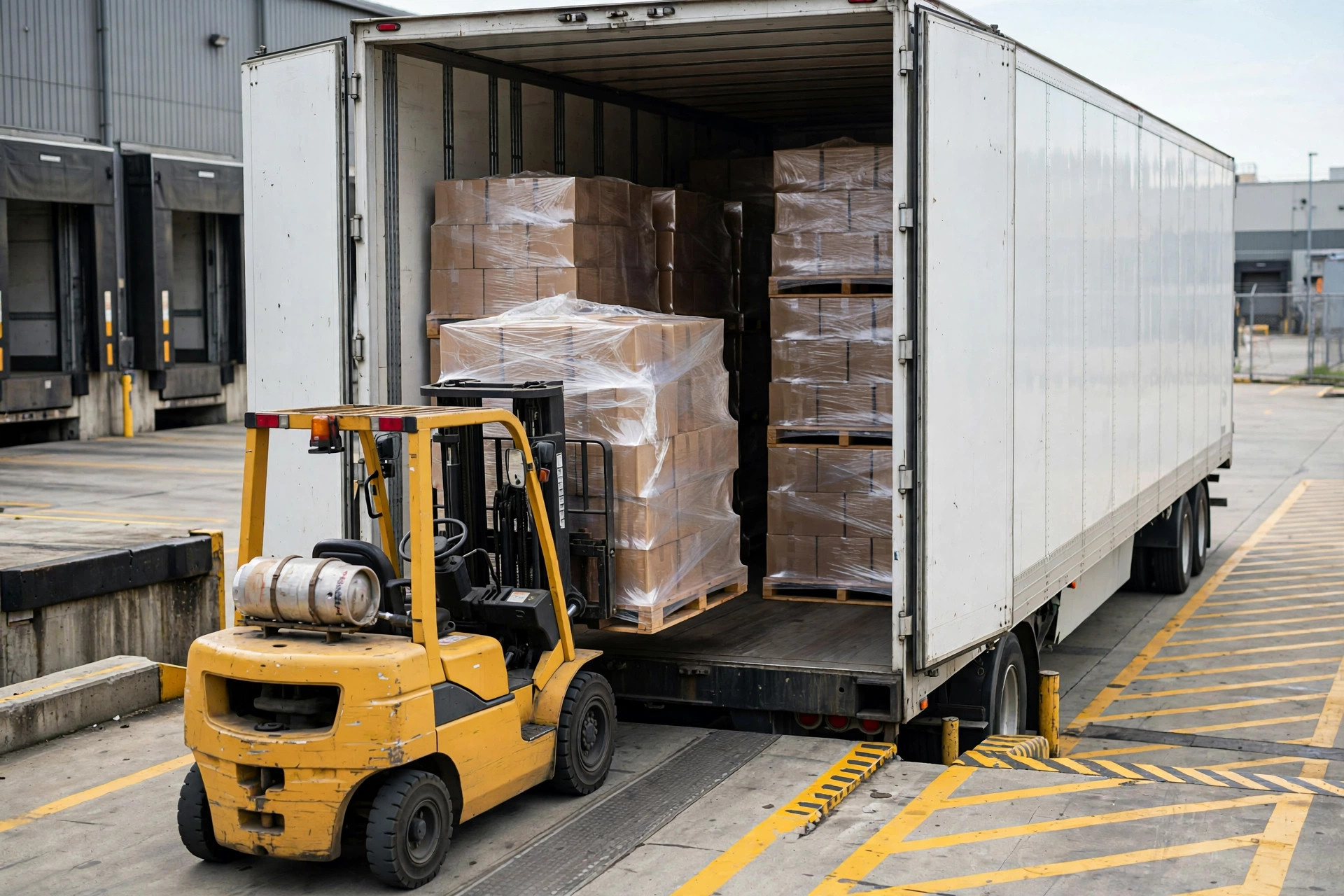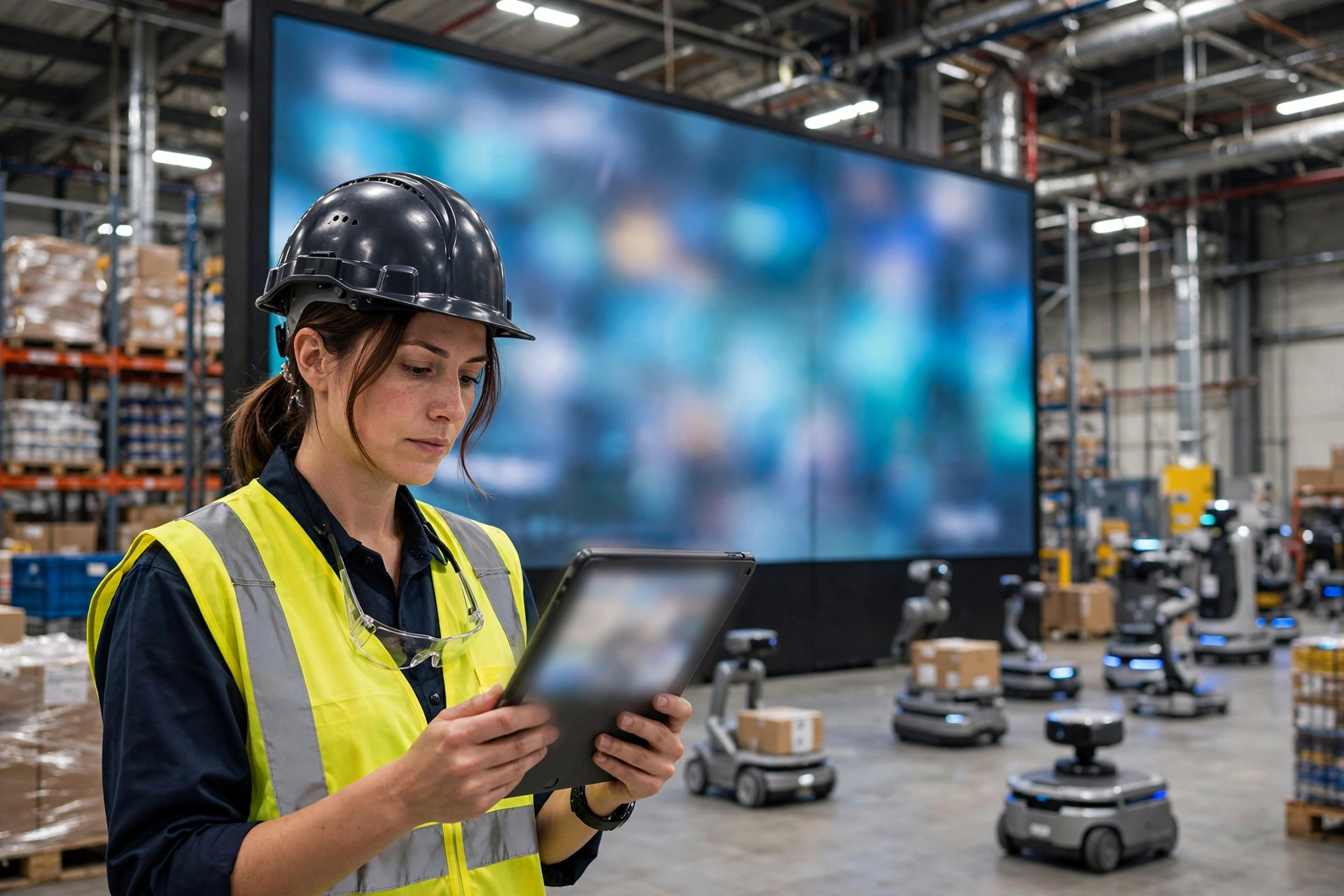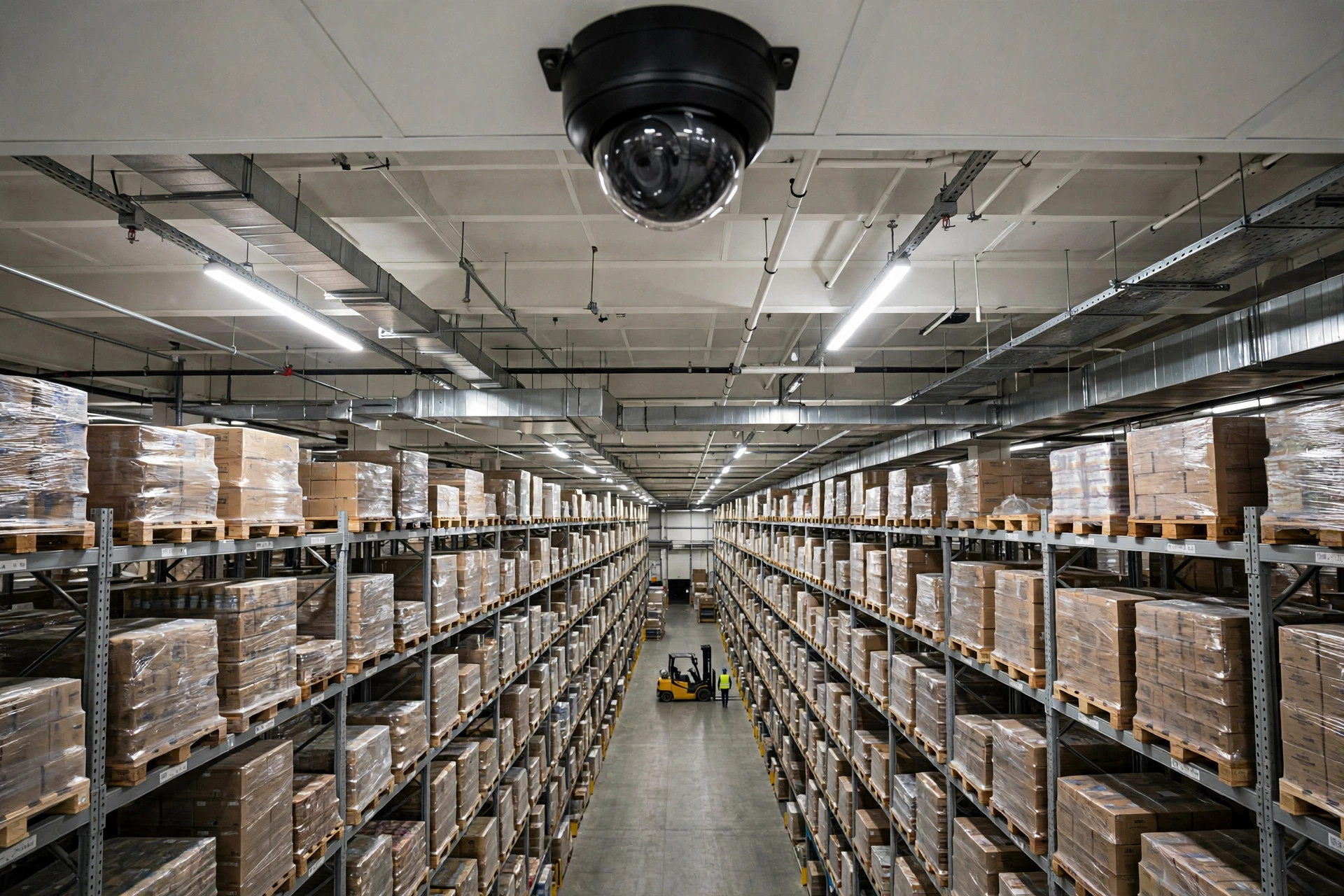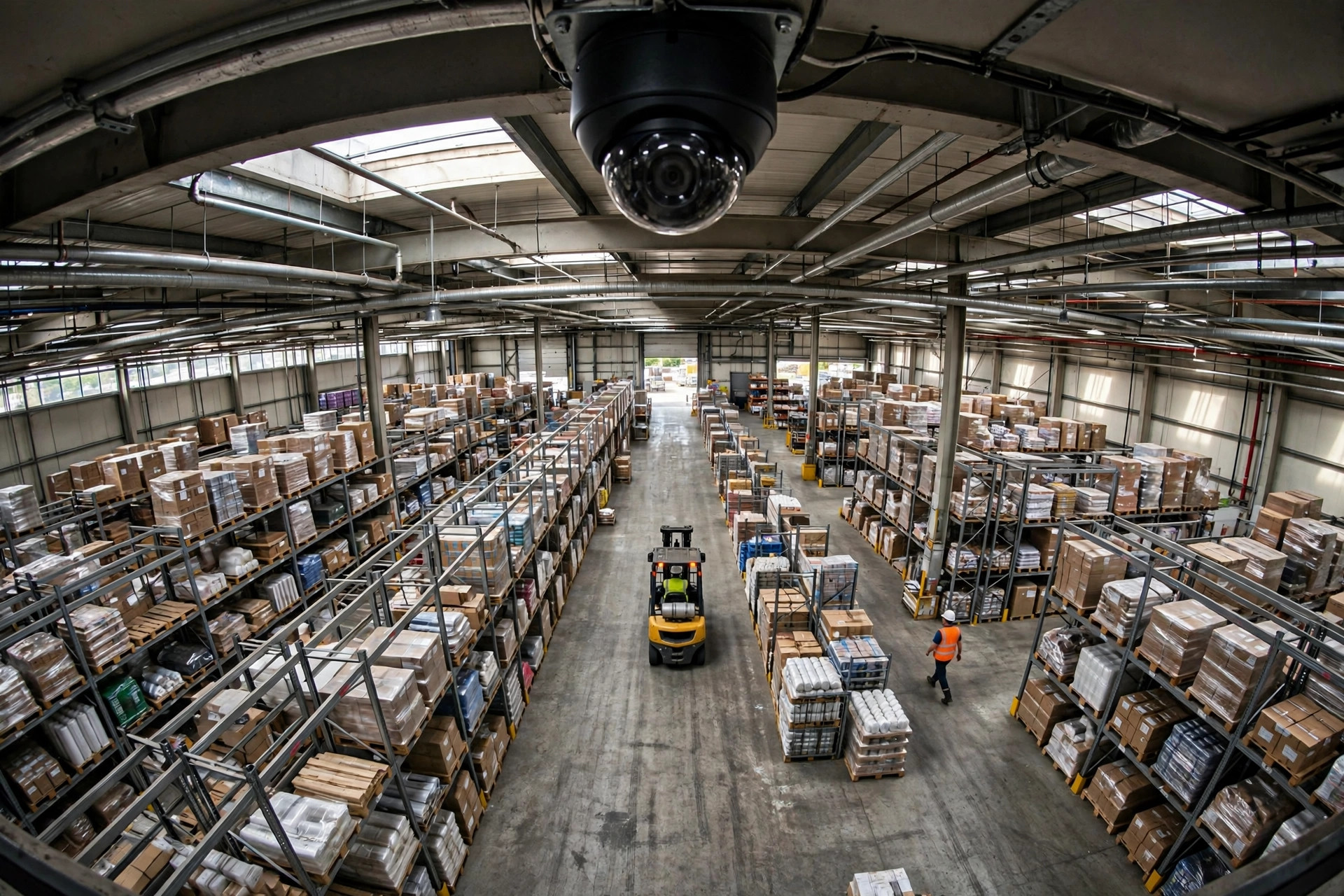
A warehouse manager in the Inland Empire told me a story last year that I keep coming back to. His team spent three months photographing and labeling more than ten thousand SKU images and trained a vision model for pick verification. The first week live, accuracy looked great. Then the seasonal packaging change hit — a few top SKUs got new designs with different dominant colors — and accuracy fell off a cliff. The model ended up worse than the manual checks it replaced. You should have seen the look on the project team's faces.
It wasn't a one-off. When warehouses try to train their own vision models, the failure point is almost never the algorithm — open-source models are plentiful and close enough in quality. The failure point is the data: how many photos, shot how, labeled how. Let's unpack that.
You don't need more photos. You need more variety
The instinct is to pile up volume: ten thousand photos ought to do it. Half right.
Models don't suffer from "too little." They suffer from "too skewed." Ten thousand photos from the same station, same camera, same 10 a.m. lighting teach the model one thing, and photo number one hundred thousand teaches the same thing again. What actually determines whether your data is enough is how many kinds of variation it covers. Before you shoot anything, pin a variation checklist on the wall:
Lighting. Warehouse fluorescents and late-afternoon sun slanting in through the dock doors are two different colors entirely. Shoot the same SKUs in the morning and the afternoon. Aging tubes with shifted color temperature count too.
Angle. The camera over the verification station is fixed, but the cartons aren't: sideways, upright, upside down, half out of frame. Don't just shoot the staged pose — capture the way a forklift driver actually drops a box.
Background. Conveyor belts, pallet gaps, floor glare — the messier the background, the more the model has to learn to ignore it. Rotate through two or three stations instead of milking one.
Package condition. This is where accuracy goes to die. Crushed cartons, water-stained ones, half-wrapped in stretch film, covered in promo stickers — plus the redesigned packaging that arrives every season. That distributor I mentioned? Their training set had zero examples of the new packaging. The model had never seen it, so it guessed.
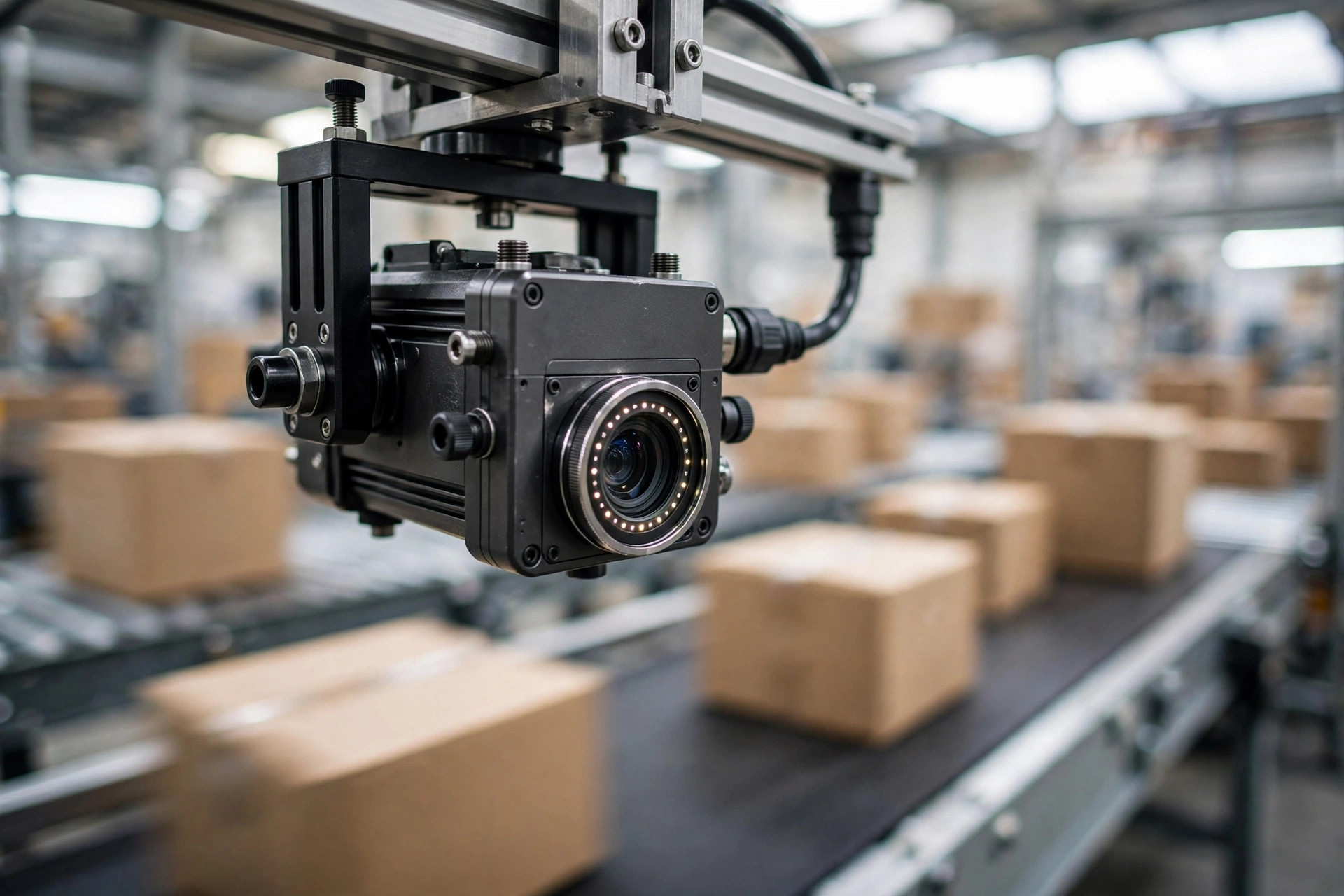
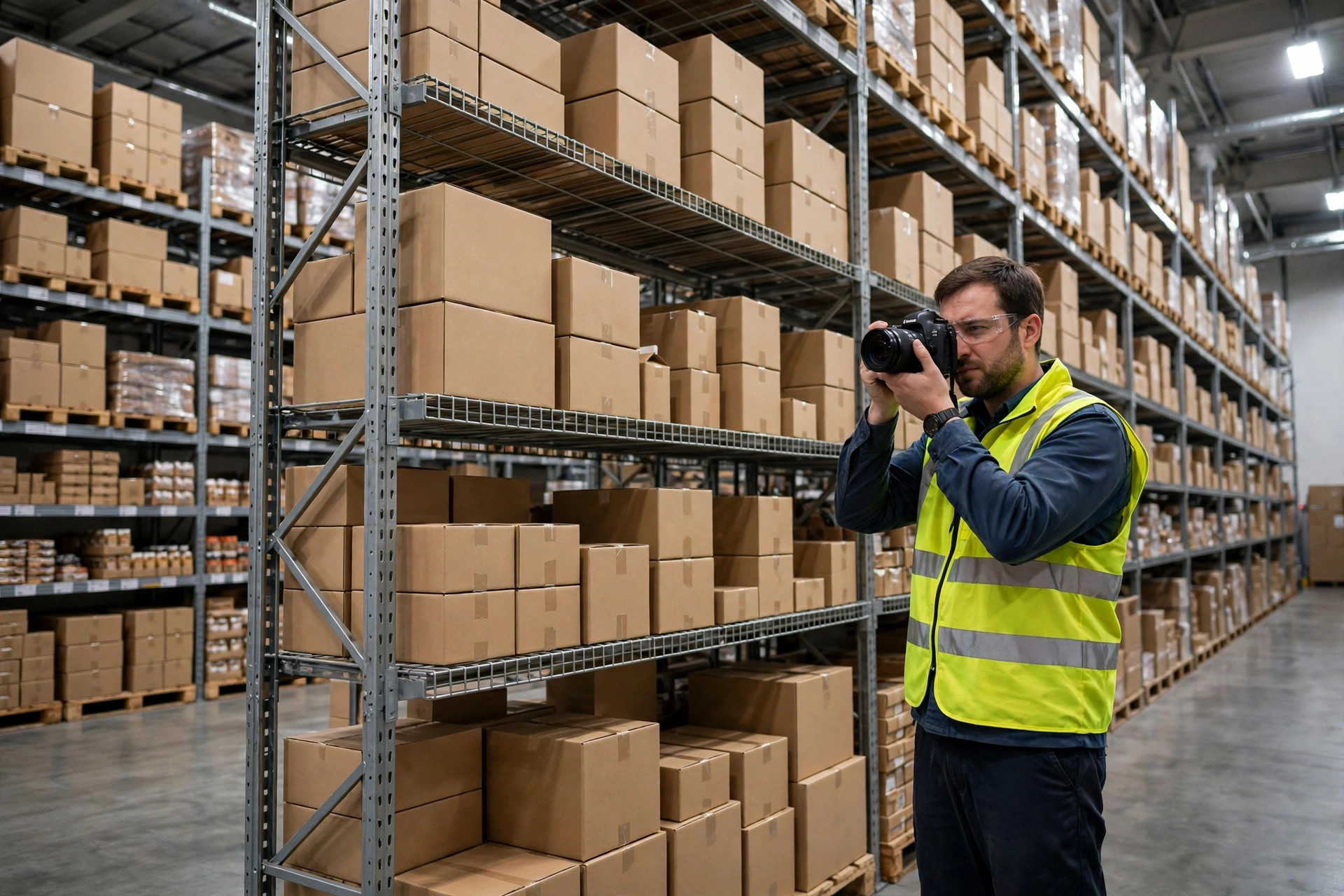
Shoot a round, check off what you covered, go back for what's missing. That beats blindly shooting ten thousand photos every time. One more thing: tier your SKUs by how often their packaging changes. Industrial parts that look the same for years can be shot once and left alone. Food and consumer goods that get repackaged a few times a year need data collection as a recurring habit, not a one-time project.
Start with boxes, not polygons
The second trap is labeling. Plenty of teams jump straight to instance segmentation because "more precise must be better." My advice: get a bounding-box model working first.
Boxes are dramatically faster to label — a trained annotator can do hundreds in a morning (illustrative estimate). Drawing polygons takes several times longer and is harder to keep consistent. And boxes already handle most warehouse jobs: SKU identification, empty-carton detection, whether a pallet is loaded, whether there's a foreign object on the belt. Segmentation earns its keep only when you need precise measurement (say, estimating carton dimensions for dimensional weight) or when occlusion is so bad that a box can't frame the object anyway.
Label quality beats label quantity, and it's not close. A few hundred images where two annotators disagree on what counts as "damaged" teach the model noise. Before labeling starts, write a half-page spec: what counts as damaged, what counts as fine, whether to label objects more than half occluded. Then have two people label the same batch of a few dozen images (illustrative). Where they disagree, fix the spec. Don't scale up until they mostly agree.
Outsource or label in-house? It depends on the phase. Labeling platforms (Labelbox, Roboflow, and their peers) ramp up volume fast, but they don't know your business — they won't recognize that a "new packaging design" or a "promo sticker" is a meaningful change. Your own people label slowly, but they live in the warehouse and spot anomalies at a glance. What I do: label the first batch of hard cases in-house to set the standard, outsource the routine volume, and audit at least one in ten (illustrative audit rate) — one bad batch fails the whole lot.
Fine-tune, don't train from scratch — then feed it the hard cases
Here's the verdict: most warehouses never need to train a model from scratch.
Pre-trained open-source models — Ultralytics' YOLO family, pre-trained on massive datasets like COCO — have already seen hundreds of thousands of everyday objects. Your job is to fine-tune one on your SKUs so it learns your packaging. The data needed for fine-tuning is a different universe from training from scratch: typically a few hundred to a few thousand well-covered photos will get you started (your mileage will vary a lot by SKU; test against your own data). Training from scratch is a research-lab sport. Warehouses don't need it.
Don't set accuracy targets by wishful thinking, either. In a verification role, the model assists people; it doesn't replace them. A sane target looks like "cut manual verification workload by more than half, with a miss rate no worse than today's manual baseline" (illustrative — set it against your own numbers). Aim for a magic "99%" and you'll drown in an endless data-collection loop.
The most underrated piece is what happens after launch. New SKUs arrive, old SKUs get repackaged, promo stickers go up — the long tail your training set never saw, where the model goes blind. The fix is a loop, not a bigger dataset: after go-live, automatically pull back the photos the model got wrong or was unsure about, have a human confirm them, feed the confirmed hard cases back into the training set, and retrain on a schedule. How often depends on how fast your SKUs change: food and fast-moving consumer goods might need monthly or even biweekly retraining; slow-changing industrial goods can go quarterly. The point is the loop keeps turning — my distributor friend was missing exactly this loop.
And one honest word: if you don't even have a labeling team, don't talk about building your own. There are per-station vision verification services on the market — buy one station, prove the value, then decide whether to build. The biggest cost of a homegrown model was never the GPUs. It's the people.
What you can do tomorrow: don't kick off a project yet. Pick one pick-verification station, spend an afternoon photographing your top SKUs a few dozen shots each (illustrative) across normal, side-lit, damaged, and stacked conditions — a couple hundred photos total. Send them to a labeling platform for a trial batch. Run it live for a week and see how it does on real shifts. If it's good, talk about expanding. If not, you'll know exactly where the problem is — and nine times out of ten it's uncovered variation, not too few photos.