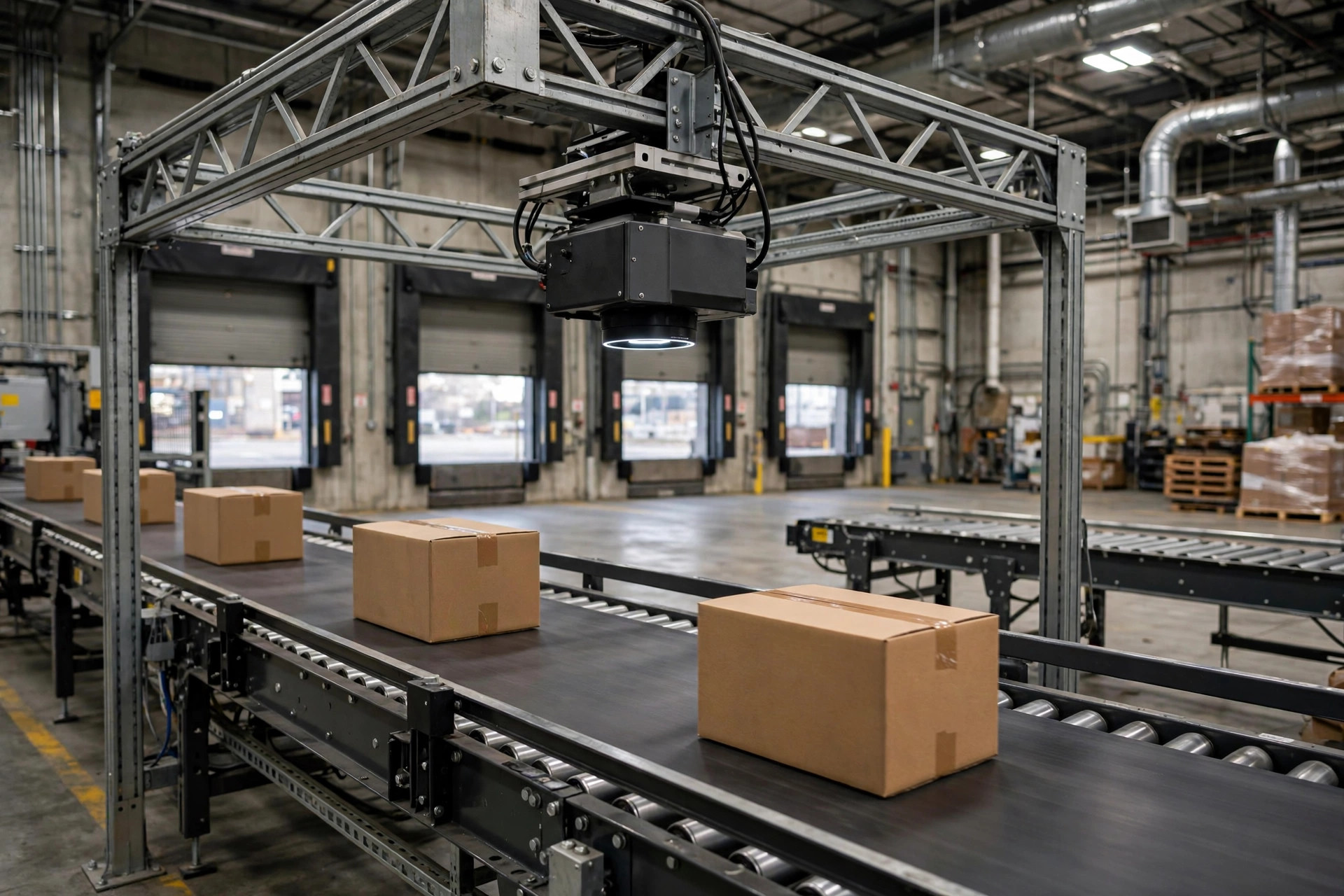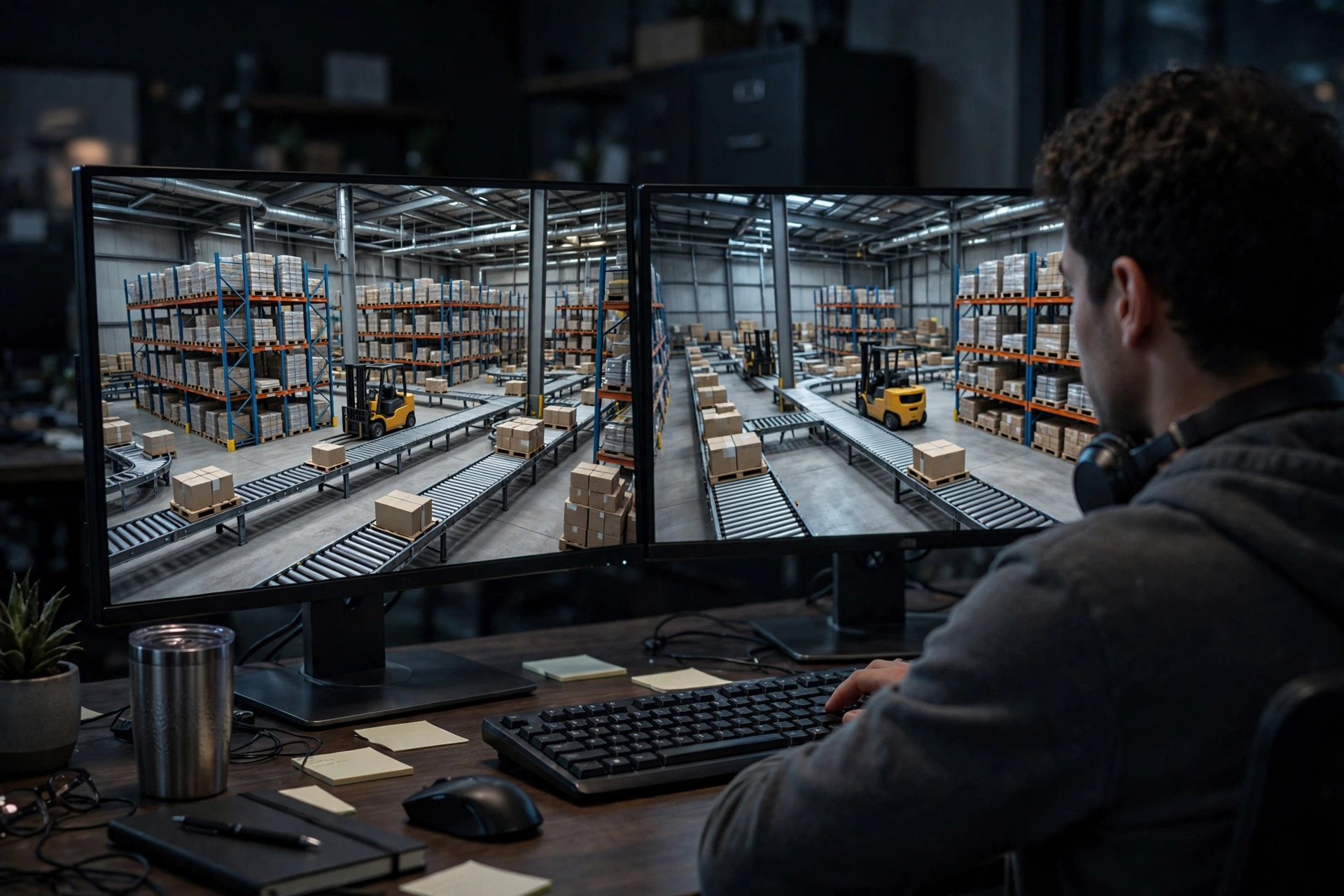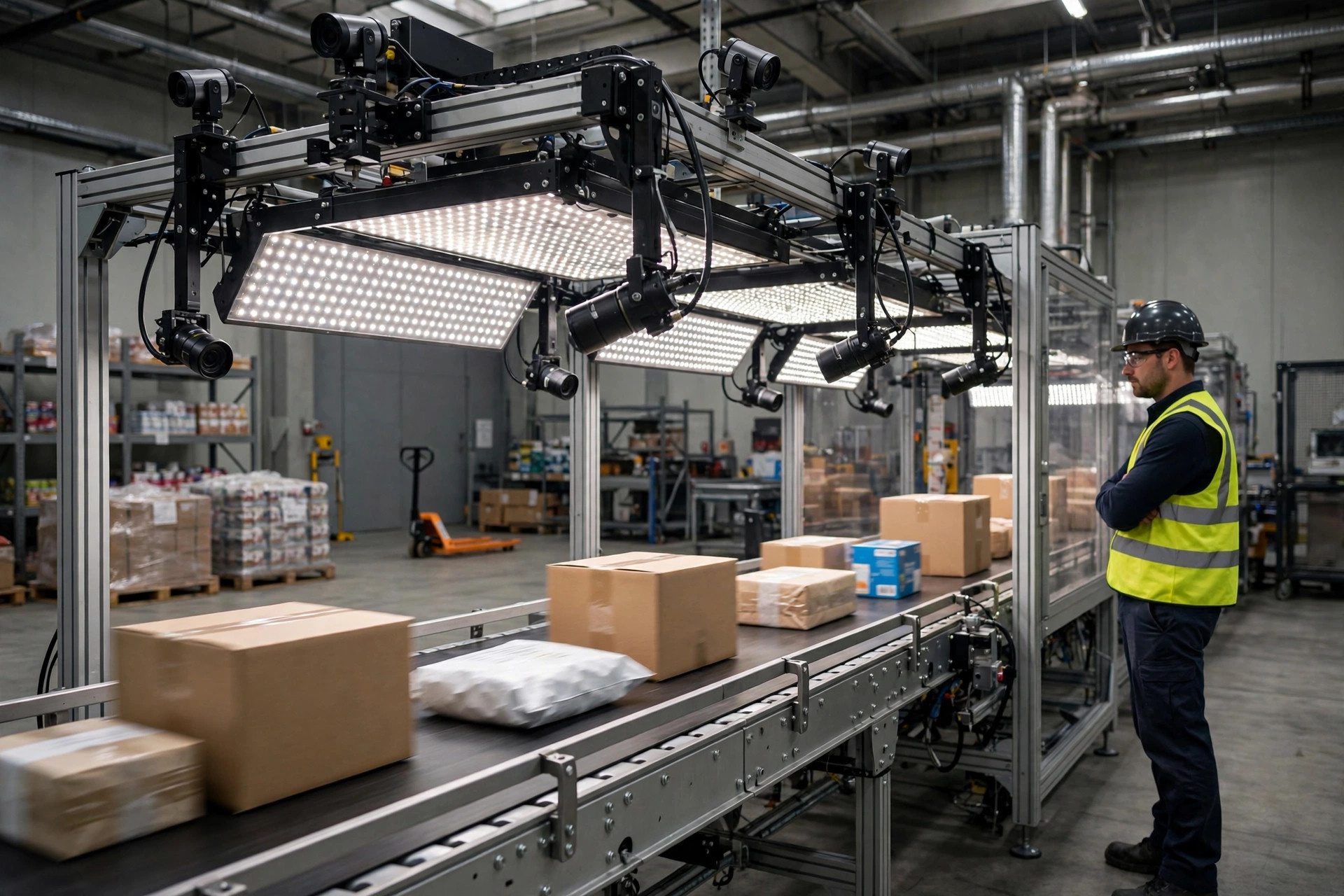
Last year I stood in a 3C accessories warehouse watching a brand-new vision system on the conveyor. Its job: read SKU labels on cartons and replace manual scanning. The demo looked great. Then new products launched, and in the first week the system confidently classified all 37 new SKUs as old ones. The cameras were fine. The algorithm was fine. The model had simply never seen those faces before — and picked the "closest" old category anyway.
That's the fatal flaw of classic classifiers: they can only choose among categories they were taught. Put an unseen question on the exam and they'll still write down an answer. Few-shot learning exists to fix exactly this.
What it's actually learning
A traditional image classifier memorizes what each category looks like. Show it thousands of photos of product A and it remembers A's face; show it a new image and it asks: does this look more like A, B, or C? Notice the "or" — it assumes the answer must be one of the known categories. A new SKU, however distinctive, gets force-fit into some old bucket. That's how 37 new SKUs died in week one.
Few-shot learning flips the logic: instead of memorizing "who this is," it learns "whether this looks alike." During training, the model learns to turn an image into a string of numbers — an embedding. Similar-looking images get nearby numbers; different-looking ones get distant numbers. At go-live, a new SKU arrives, you photograph 5 to 20 reference shots, and the system remembers where those numbers sit. Every new image after that is judged by distance: whichever reference it's closest to wins the label.
The human analogy: a classic classifier is a closed-book exam — only tested on what it studied. Few-shot learning is like recognizing a stranger — see a face twice, remember it, spot it in a crowd next time. You don't need to know the person's name or job. Remembering the face is enough.
A common implementation, the prototypical network, is even more literal: average the few reference shots of each category into one "average face," and assign each new image to the nearest average. Simple to implement, and good enough for plenty of warehouse jobs.
Where it shines — and where it doesn't
Start with where it shines. SKUs that look clearly different from each other — different colored packaging, different carton sizes, physically distinct products — are its home turf. A new SKU launches, operations snaps a dozen photos and uploads them, and it's working within half an hour. No two-week labeling and retraining cycle.
Stable packaging helps too. Some consumables keep the same packaging for years; shoot the references once and they serve for ages.
Now the no-go zones. First: apparel with the same style in five colors. Visually near-identical except for color, distinguished in practice by hang tags and wash labels — invisible to a camera at conveyor speed. Forcing it just produces confident errors. Scan the barcode and move on.
Second: transparent or reflective packaging. Change the lighting and the "face" changes; the embedding distances fall apart. Unless your lighting control is industrial-grade, don't expect it to work.
Third: catalogs turning over hundreds of SKUs a month. Every new SKU needs reference photos shot, reviewed, and filed — that's sustained labor. Let the reference library rot and accuracy silently decays within a quarter, and you won't even know.
Three traps in deployment
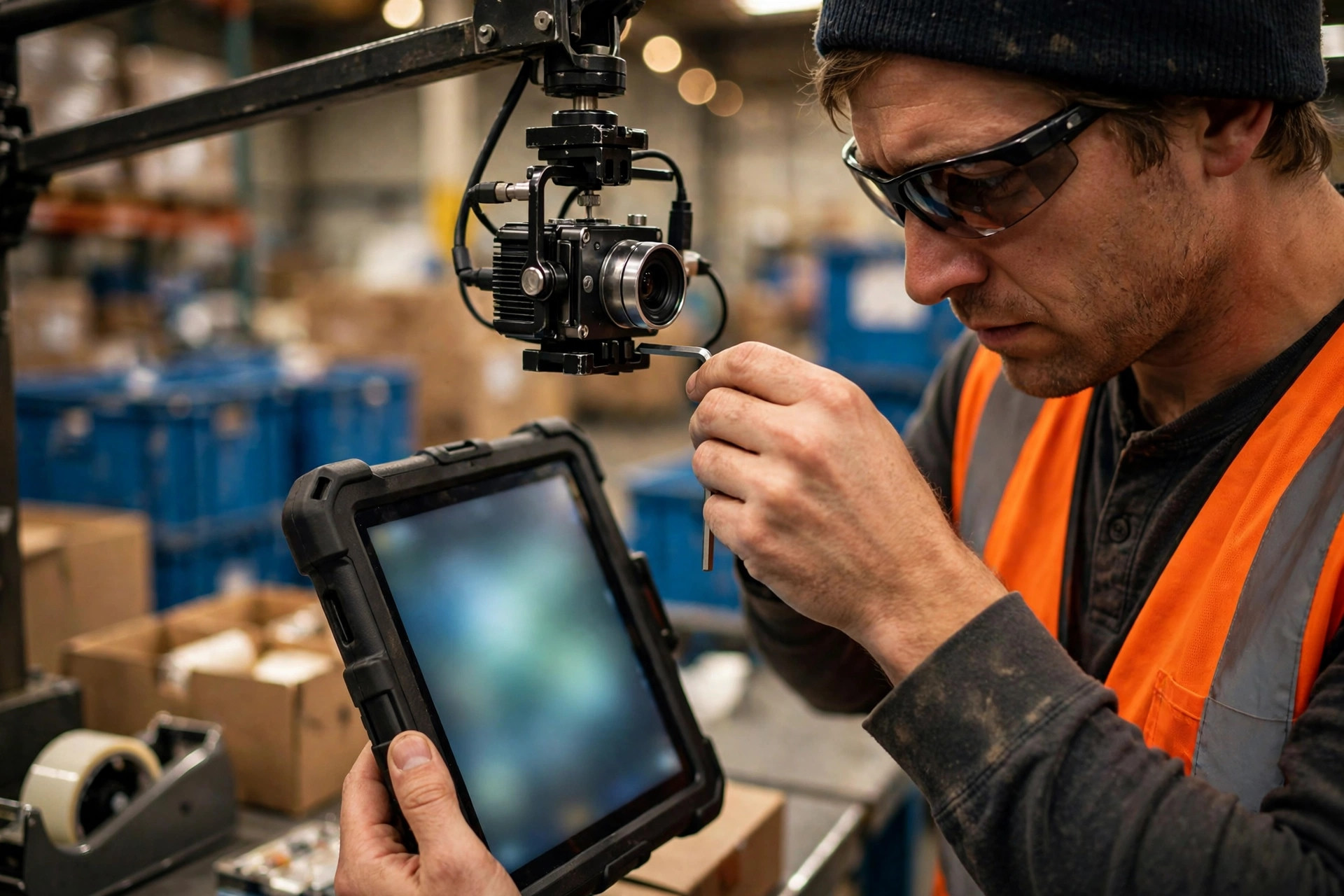
Trap one: references shot too "clean." People have operations pose products in the office — white background, dead-on angle, perfect light. Then the conveyor serves up tilted, blurry, shadowed images and nothing matches. Shoot the references on the actual conveyor, under actual light, at actual speed: 8 to 12 shots per SKU, multiple angles, a little tilt, and include dirty and damaged packaging too. The closer the references are to combat conditions, the better it works.
Trap two: no "I don't know" option. However far the distance, the system still picks the nearest — it always has an answer. You need a distance threshold: beyond it, the image is declared unknown and routed to a human. That threshold isn't gut feel; run two weeks of real data through it and find where false accepts and false rejects balance.
Trap three: never pricing the cost of a mis-ID. One misidentification costs the wrong shipment's freight plus the return trip plus customer-service time. One human review costs a few seconds of labor. Your job is to find the threshold strictness that minimizes total cost. That math is different for every warehouse — don't copy someone else's parameters.
One hardware note: don't cheap out on the camera. An industrial camera like the Basler ace paired with stable LED lighting produces far more consistent images than a generic webcam. Few-shot learning is sensitive to image consistency; saving a few thousand dollars up front and losing five points of accuracy later is the worse trade.
A four-week rollout that works
Week one: shoot references on the conveyor, in real light, at real speed. Include the hard cases — tilted, half-occluded, wrinkled packaging. Reference quality sets the ceiling; don't rush this week.
Week two: set the threshold. Run two weeks of historical data through and find the balance point between false accepts and rejects. Bias toward more human review, not less — a mis-ship costs dozens of times what a review costs.
Week three: pilot on one conveyor, or on 20 SKUs. Review every mis-ID daily and swap out bad references. You'll discover SKU pairs that "look different but actually don't" — handle them now.
Week four: scale up, and lock in the maintenance process — who photographs new SKUs, how often stale references get reviewed, how often the threshold gets retuned. A system with no maintenance process will decay within three months. Guaranteed.
What to ask the vendor
Every vision vendor's demo looks amazing. Before signing, ask five questions.
One: how long does a new SKU take to go live? If the answer is "retrain the model, two weeks," that's a classic classifier wearing a few-shot costume. Real few-shot means adding references, not retraining — half an hour, not two weeks.
Two: what are the mis-ID rate and the "don't know" rate, separately? Anyone quoting only accuracy is hiding something. 99% accuracy with 30% routed to humans means a third of the work is still manual.
Three: how does it handle lighting drift? Ask them to dim the demo room lights by half and run it again. Plenty of systems score 99% under showroom light and drop to 90% when half the warehouse tubes have aged out.
Four: how many SKU categories can the reference library hold? Some embedding-retrieval setups slow down badly past a few thousand categories. If your catalog runs five figures, ask now.
Five: does it run offline? Edge or cloud? A conveyor moves dozens of cartons a minute; one network hiccup in a cloud setup stops the whole line. For warehouse work, I only recommend edge deployment.
Any vendor who answers all five cleanly is worth talking price with. Anyone who can't — no matter how slick the demo — is selling a trade-show exhibit, not a production tool. The technology isn't magic. Using it in the right place is.