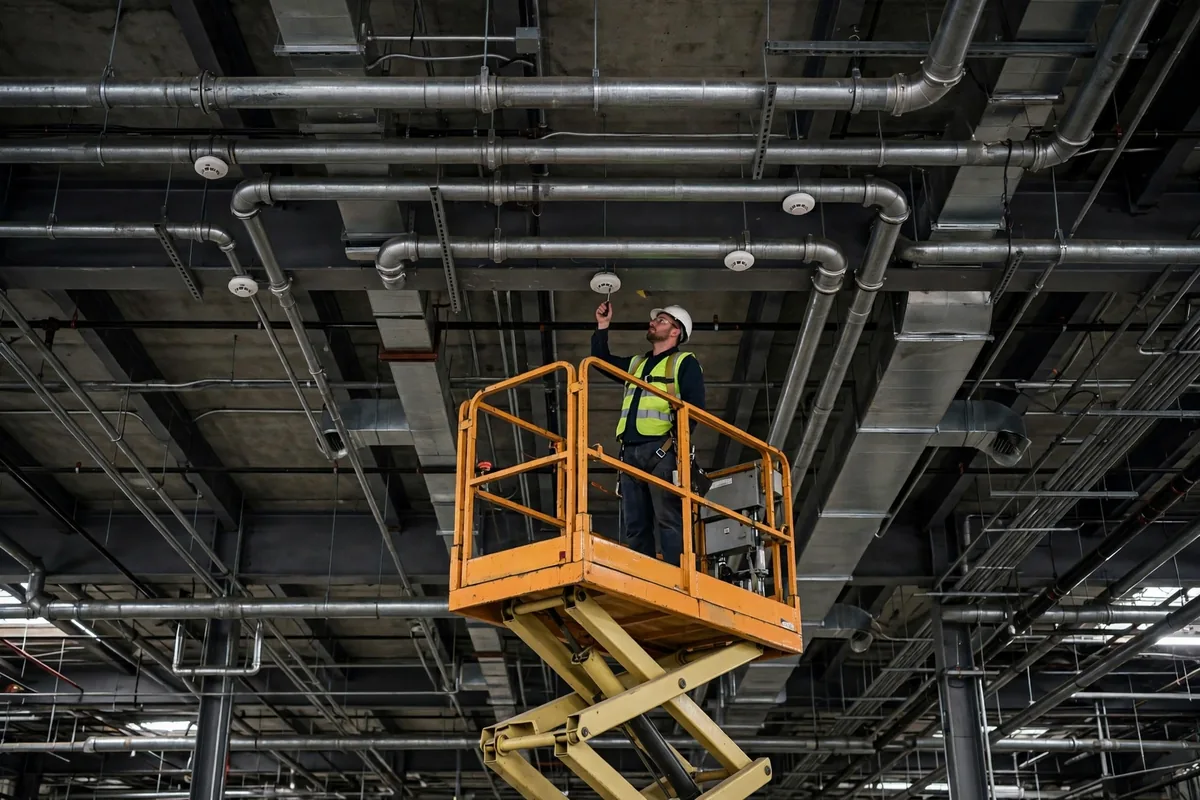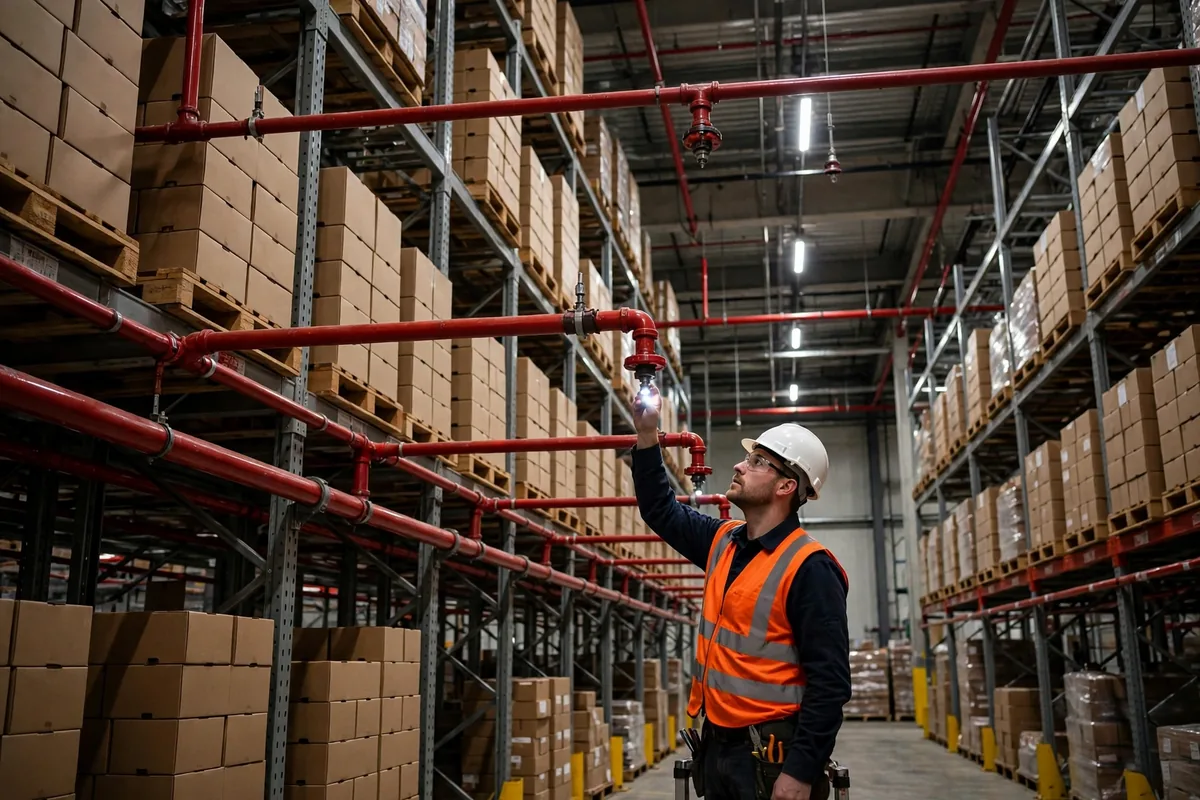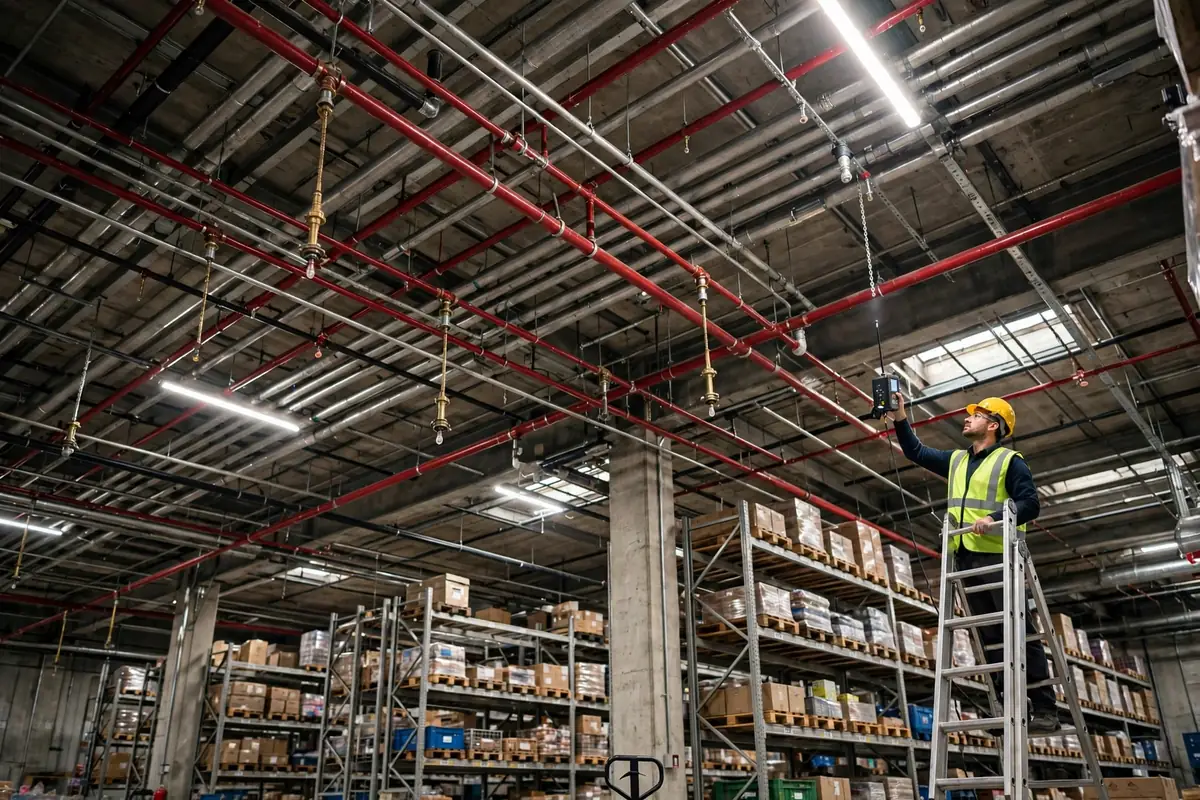
Start with the bill. For a warehouse over 100,000 square feet, the yard sprinkler system inspection cost for one year commonly lands between $2,500 and $10,000 for the annual visit alone, according to published U.S. contractor pricing from 2026, and the five-year internal exam adds another $2,000 to $3,500 on top. That is only the inspection fee. Whatever the inspection finds, the repairs are billed separately. Most warehouse managers only remember the inspection invoice. At year end they discover the repairs and re-inspections cost more than the inspection itself. Whether that money was wasted depends on whether you split the bill into three parts before you signed anything.
What Yard Sprinkler System Inspection Cost Is Made Of
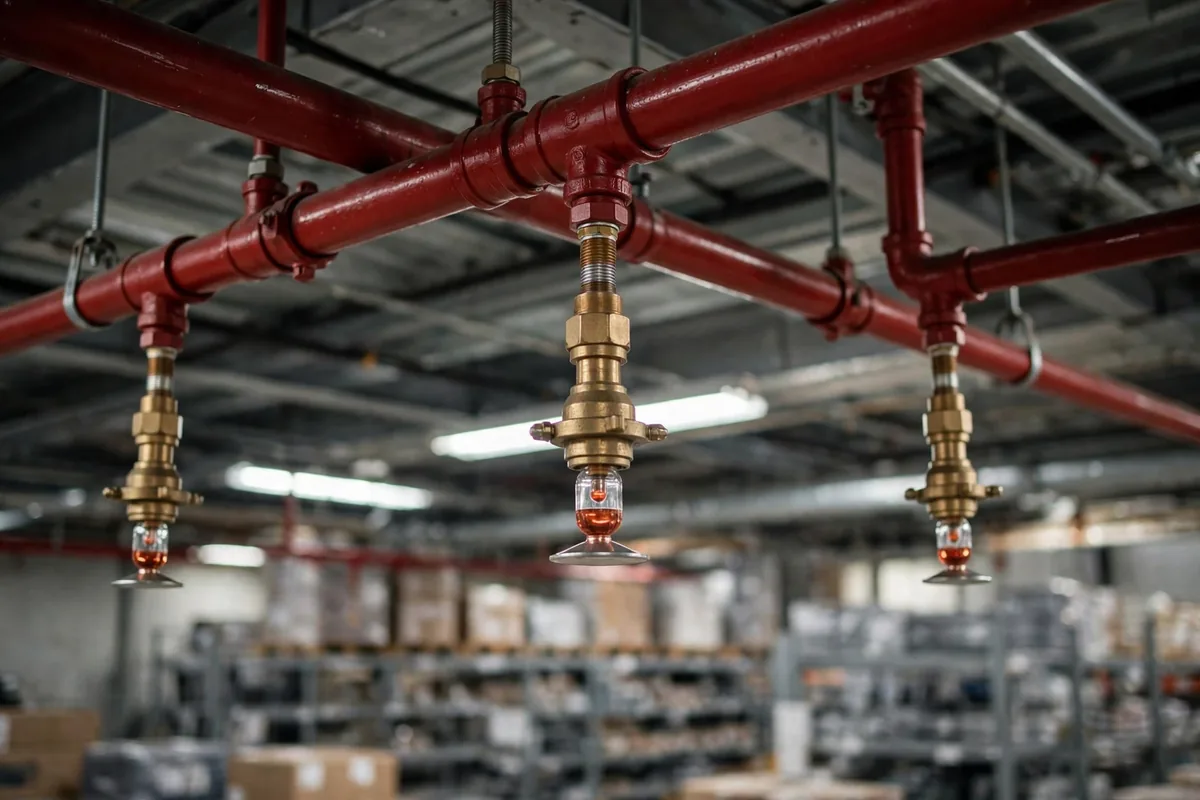
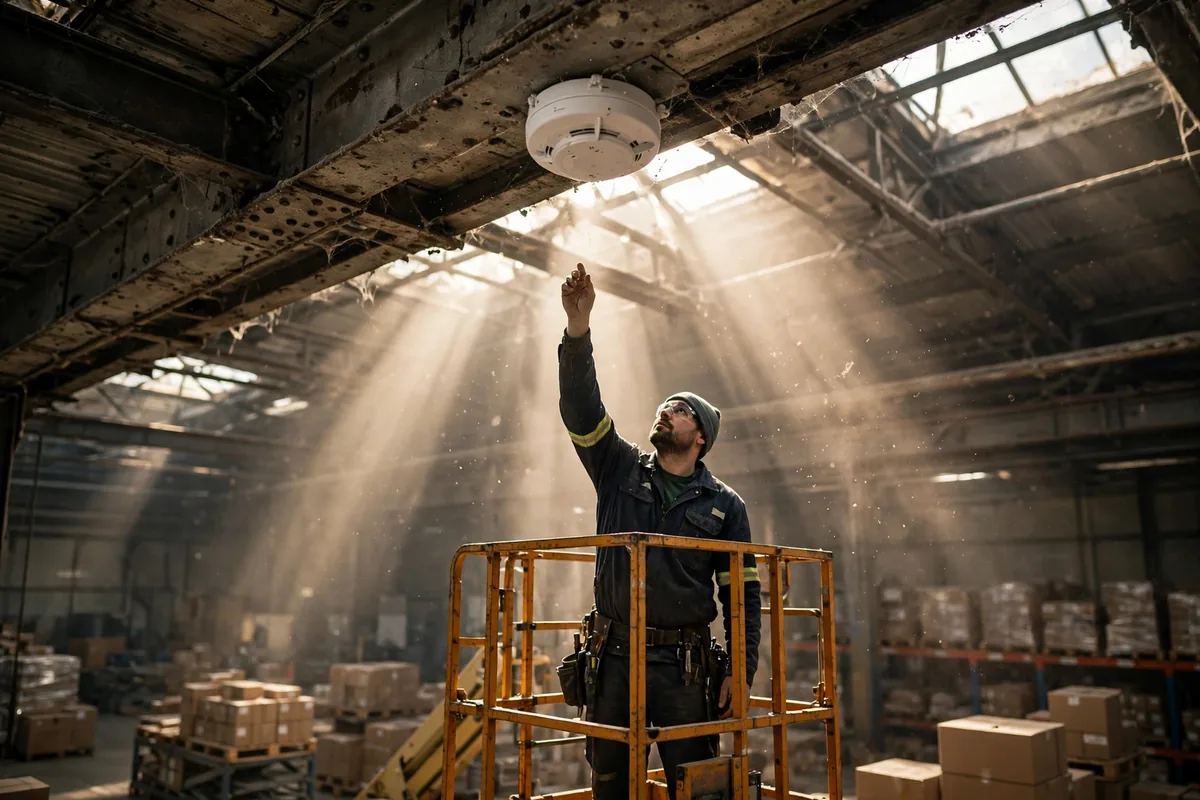
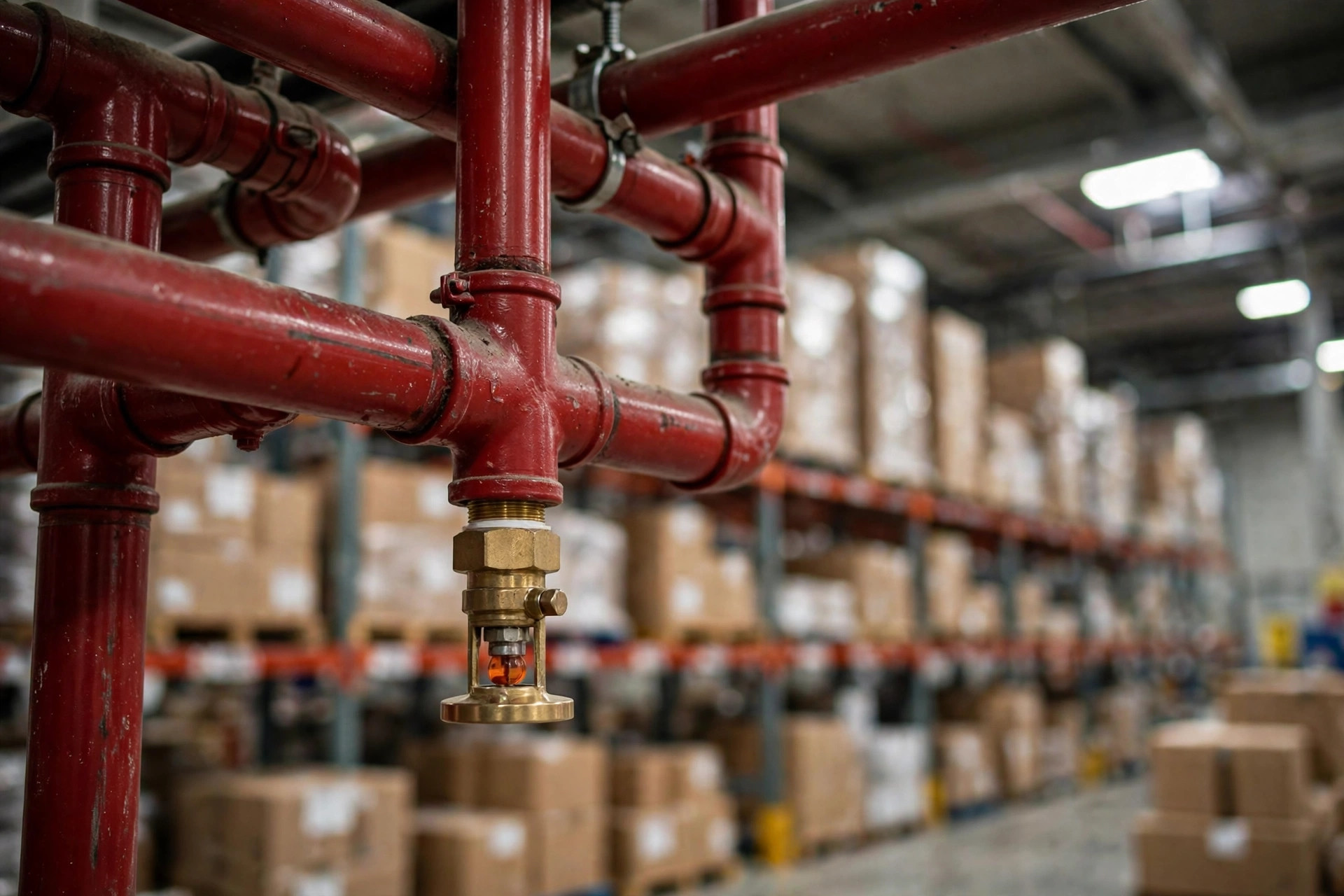
The first bill is the annual inspection itself. NFPA 25 is the U.S. standard for inspection, testing, and maintenance of water-based fire protection systems. The current edition is the 2026 edition, released in August 2026, and what actually applies to your building is the edition your local fire authority has adopted — check the latest NFPA publication for the current wording. The schedule runs in four tiers: weekly and monthly checks are routine owner walkthroughs, quarterly covers valve and alarm-device exteriors, annual covers a full inspection of sprinkler heads, piping, and hangers plus the main drain test, and the five-year tier covers the internal pipe assessment, gauge replacement or calibration, valve interiors, and fire department connection flow tests. The annual tier is the compliance core: every exposed sprinkler head gets a visual inspection from floor level at least once a year, and corrosion, paint, loading, or obstruction on a head counts as a deficiency.
Annual pricing follows size and system count. Published 2026 pricing puts small commercial buildings at $250–$750 a year, a mid-size building around 50,000 square feet with one riser at roughly $1,500–$2,000, and large warehouses over 100,000 square feet at $2,500–$10,000. A separate analysis of 30 public bid records from 2019 to 2026 puts the median annual inspection at $185 per sprinkler system or riser, $495 per building where owners price by the building, $795 per building for the five-year internal inspection, $550 for a fire pump test, and $115 per technician hour. Those are public-bid medians, not a quote for your building. Use them to benchmark, then multiply by your local market before you budget.
The second bill is the five-year internal exam. It arrives once every five years, which is exactly why it gets forgotten — and why it blows the budget. The crew opens the piping to look for internal corrosion, replaces or calibrates the gauges, and hydrostatically tests the fire department connection piping at 150 psi for two hours. Published pricing puts a single-system internal at roughly $500–$600, plus about $100 per additional check valve, with multi-system warehouses running $1,000–$3,000 and up. Microbiologically influenced corrosion is the most common warehouse finding at this tier, and treating it is billed on top.
The third bill is deficiency repairs and re-inspections, and it is the one that runs away. The inspection fee never includes fixing what the inspection finds. Heads, gauges, valve rebuilds, freeze damage — all quoted separately. Re-inspection costs money too. Some jurisdictions charge $250 for a second re-inspection visit and $750 for a third. The longer repairs drag, the more re-inspections you buy.
The Three Most Expensive Sprinkler Inspection Findings
The repair price list, from 2026 published contractor pricing, looks roughly like this:
| Repair item | Common published range | Note |
|---|---|---|
| Single sprinkler head replacement | $250–$400 each | Warehouse high-capacity heads up to $650 |
| Fire pump testing and repair | Median test $550, repairs separate | Pump systems lift the whole annual total |
| In-rack sprinkler add-on inspection | $500–$1,500 per system | Only for warehouses with in-rack systems |
The three most expensive items are rarely the heads themselves. First is the fire pump: a pumped system carries its own NFPA 25 test regimen, weekly and monthly churn tests plus the annual flow test, and it moves the annual total up a full tier. Second is the in-rack system: warehouses with in-rack sprinklers pay $500–$1,500 extra per system on the annual visit. Third is freeze damage and corrosion: a dry-pipe section cracked by a winter freeze, or microbiological corrosion found at the five-year internal, has no fixed ceiling — a few thousand dollars at the low end, tens of thousands at the high end.
Here is the counterintuitive part: the cheapest inspection quote usually produces the highest three-year total. The cheap quote covers inspection only. Repairs bill by the hour, at $115 an hour and up, and every re-inspection is another invoice. The expensive quote has the repair rate sheet attached and re-inspections bundled into the annual fee. When you compare quotes, skip the inspection line. Read the repair rate sheet and the re-inspection terms. That is where the total cost of ownership actually diverges.
Worked example: in early 2025, a 120,000-square-foot warehouse in the U.S. Midwest took the lowest of three annual inspection quotes at $3,200. The inspection found more than 40 heads with corrosion and obstruction issues. Repairs billed hourly ran two weeks and cost over $9,000 with re-inspections, taking the all-in total past $12,000. A comparable warehouse next door took a $4,800 quote with repair rates written into the contract and two re-inspections included, and closed the year at $7,600. The cheap inspection bought the expensive repair bill. Plenty of managers only learn that arithmetic once, the hard way.
Three Levers That Cut Your Sprinkler Inspection Cost
The first lever is owner self-inspection. The weekly and monthly NFPA 25 checks are work your own crew can do: control valves in the correct open position, tamper seals intact, dry-pipe air pressure where it should be. Half an hour a week walking the riser room cuts the odds of an annual deficiency for a valve sitting in the wrong position. Do not pay a contractor for work your own people can do.
The second lever is a bundled contract. Roll quarterly checks, the annual inspection, fire pump testing, and the five-year internal into one multi-year agreement, and the unit price beats a year-by-year renewal. One condition: the contract must state the repair rates and how many re-inspections are included. A bundle without those terms written down is not a bundle. Ask the contractor to attach the repair rate sheet to the quote. If they will not, move on.
The third lever is phased repairs. Not every deficiency needs fixing tomorrow. The urgency runs on a scale set by the fire authority and your insurer: anything affecting water delivery gets fixed immediately, while a faded label or an overdue gauge can go into the quarterly plan and close over two quarters. The condition is that the phasing is agreed with the fire authority and the insurer. Phasing on your own say-so is gambling with compliance. Phasing is not delay. It is spending the money where it matters first.
Here is the calculable conclusion. Budgeting is simple arithmetic: take the annual inspection base by area — $2,500–$10,000 for a warehouse over 100,000 square feet; amortize the five-year internal at $2,000–$3,500 over five years, roughly $400–$700 a year; and set aside a repair reserve at 50 to 100 percent of the annual inspection base. The table below is a worked example for a 120,000-square-foot warehouse on a single-riser wet-pipe system with no fire pump:
| Line item | Annual budget (worked example) |
|---|---|
| Annual inspection | $4,000 |
| Five-year internal, amortized | $600 |
| Repair reserve | $3,000 |
| Annual total | $7,600 |
That is $7,600 a year — the honest yard sprinkler system inspection cost for a building like this one — about six cents per square foot. Whether you can push it lower depends on your system count, whether you run a fire pump, and whether repairs can be phased. If you want the inspection and maintenance workflow itself laid out step by step, this NFPA 25 sprinkler inspection and maintenance guide for warehouses covers how the checks run. That piece is the procedure. This one is the money. Together they make a complete annual inspection plan.
By Lao Zhou, Logistics Cost Analyst