Excerpt: Warehouse sortation cell expansion is not really an equipment problem — it is a dock-door problem. This guide looks at overflowing sortation cells from the driver's seat: where to look first, how to rig temporary cells that don't create new chaos, and when to stop muscling through and talk to the warehouse.
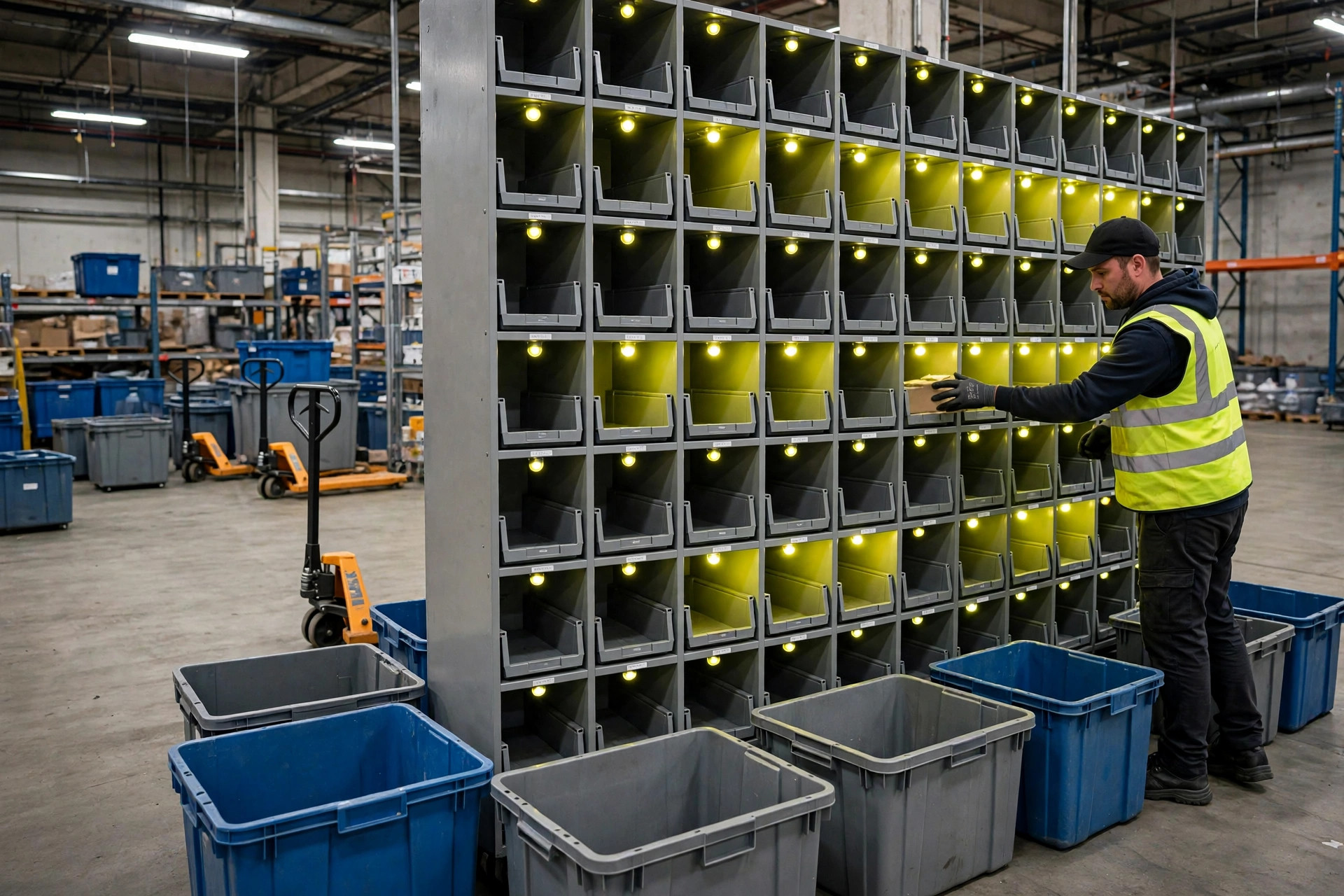
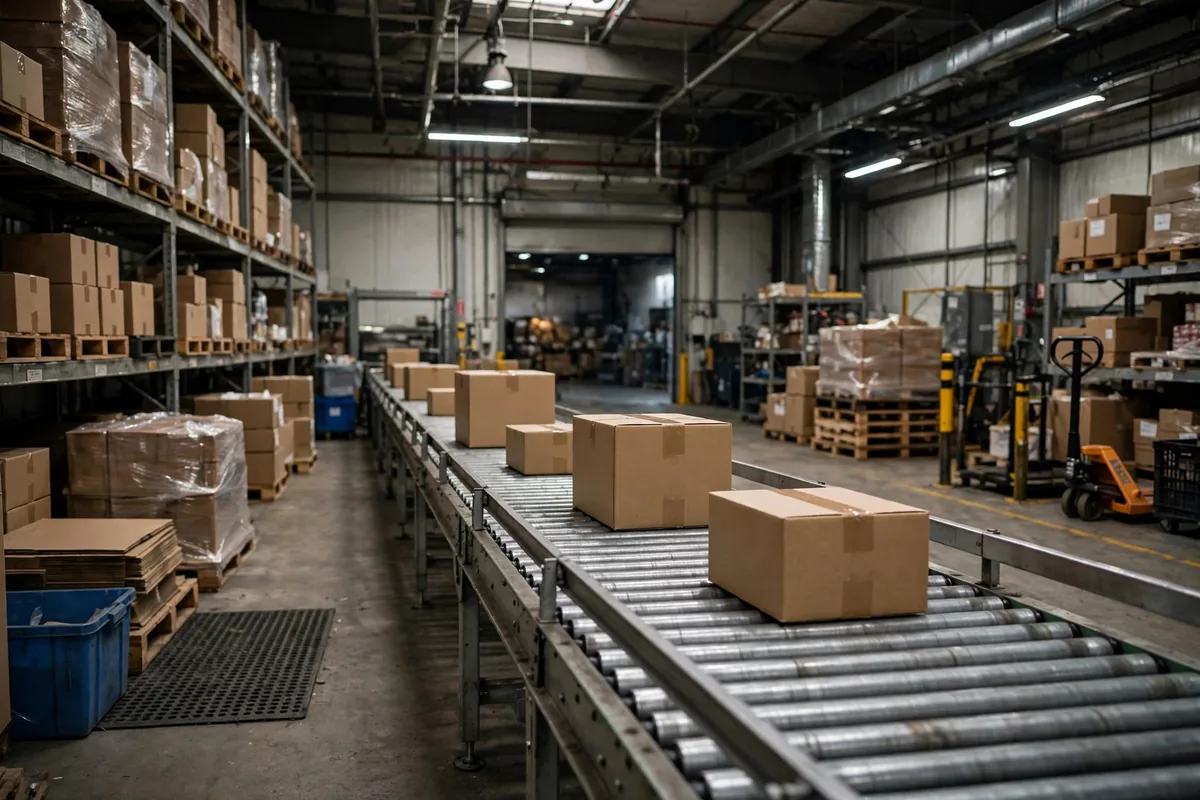
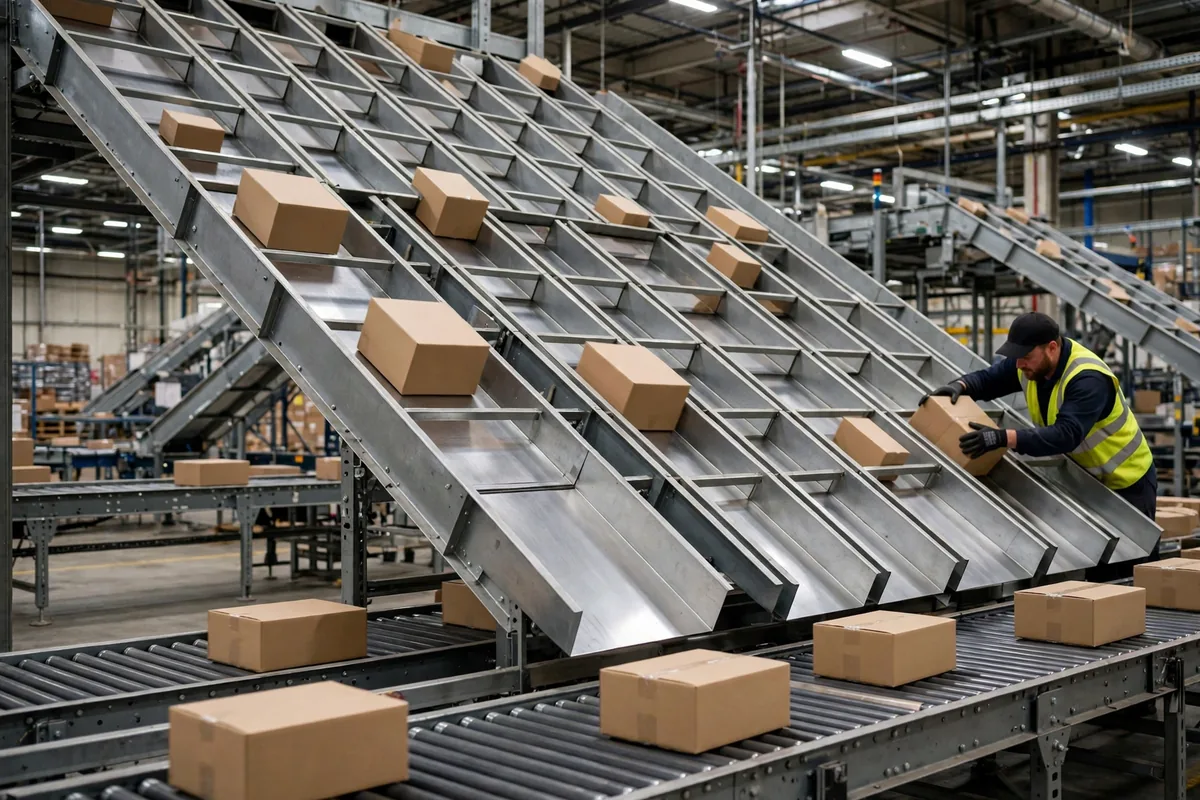
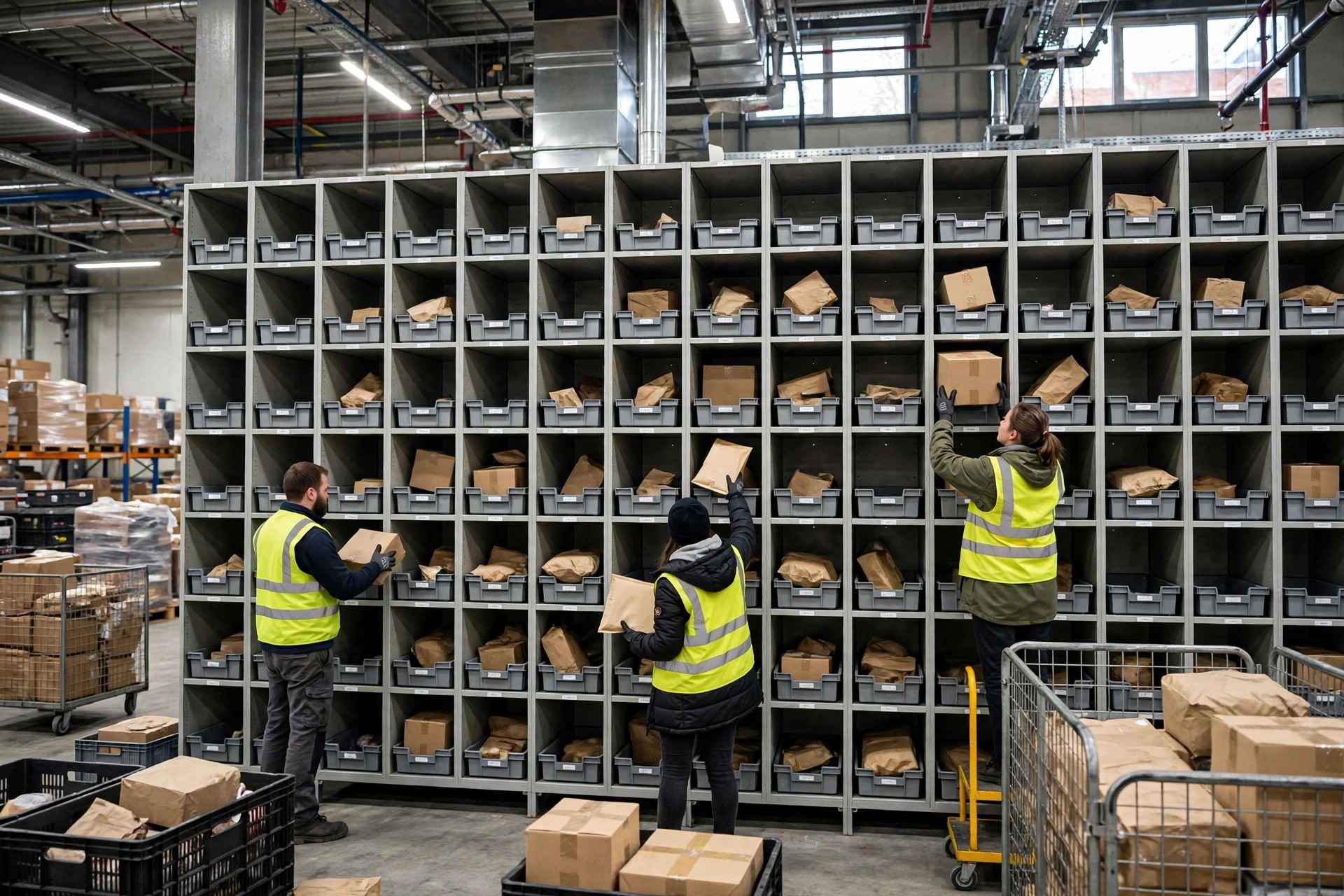
Let me tell you something from fifteen years behind the wheel: the worst part of a delivery run is not traffic. It is arriving at a warehouse and not being able to unload. In November 2024, I pulled into an e-commerce warehouse in Baiyun District, Guangzhou, at 8 in the morning, and I did not get a dock door until 2 in the afternoon. Inside, every sortation cell was full, parcels were piling up on the conveyor like dumplings in a pot, and workers were running between cells with pick lists in their hands, hunting for an empty slot. That warehouse was pushing more than 30,000 orders a day through just 120 cells, and the big sale week blew the whole thing up. Drivers sat outside burning hours while the people inside were just as stuck. When cells run out, the whole line slows down with them. A cell shortage that looks manageable on a normal Tuesday can double overnight when volume spikes.
Warehouse Sortation Cell Expansion Starts in Three Places That Cost Almost Nothing
Let me tell you, when cells run out, do not start by ordering new equipment or another conveyor. Look in three places first. All three are cheap, and sometimes free.
First, look at how destinations are split. A lot of warehouses assign one cell per destination, so a destination shipping twenty parcels a day holds a cell hostage while a destination shipping two thousand parcels queues up behind it. Merge the small destinations into one shared cell and sort them a second time by hand, and cells free up immediately. It is like highway driving: when the small lane sits empty and the big lane is jammed solid, refusing to merge is asking for a traffic jam.
Second, look at the clock. Volume is never spread evenly across the day. Ten in the morning and four in the afternoon are the two peaks. Move orders that are not urgent into the night or early morning shift and the peaks flatten out. I watched one warehouse push its cutoff time back two hours during a sale week and add a night shift, and cell pressure dropped by about a third. Time is the cheapest resource in a warehouse and the most valuable one. It all depends on whether you know how to use it.
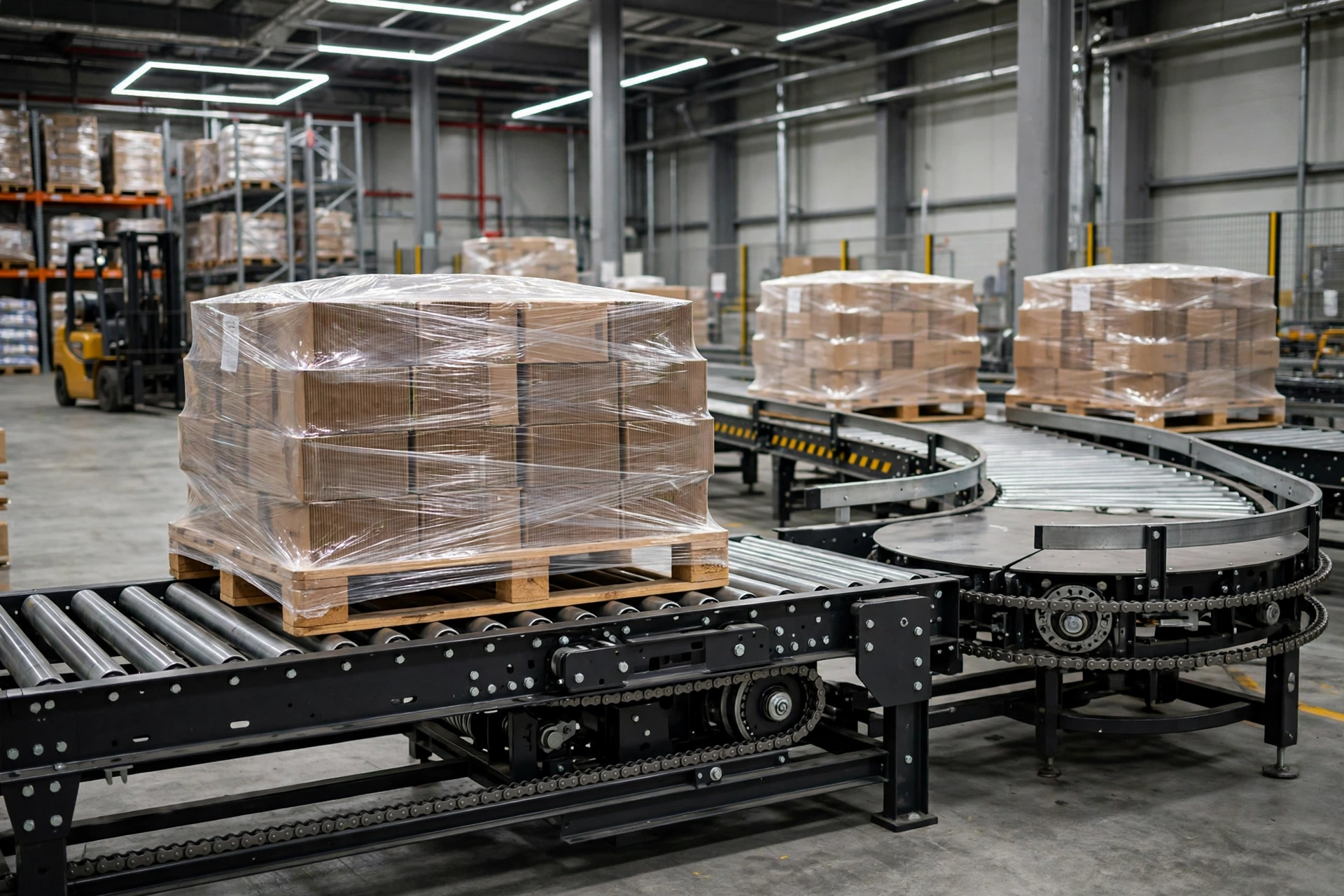
Third, look at the dock doors. If sorted goods cannot get out, cells cannot free up. After all these years on the road, I have one rule of thumb: when the dock is stacked high with goods waiting to load, it does not matter how fast the sortation line runs. Before you build a single temporary cell, clear the dock, get the sorted freight onto trucks and out the gate, and the cells will start breathing again.
How to Rig Temporary Cells: Warehouse Sortation Cell Expansion the Practical Way
If the three cheap fixes are not enough, then you build temporary cells. There are three workable methods, all of which I have seen hold up in real warehouses.
The first is floor-stack cells. At the end of the sort line, fence off patches of open floor with pallets and barriers, label each patch with a destination, and drop parcels onto the matching patch by order number. This is the cheapest option and can be up in a day, which makes it right for a sudden volume doubling that only lasts a week or two. The downside is obvious: it eats floor space, finding freight depends on eyesight, and mis-sorts happen more often than in a proper cell, so you need one person whose whole job is watching it.
The second is rolling sortation cages. Buy a fleet of wheeled cage carts, line them up by destination, and when one fills up, wheel it away and roll an empty one in. This beats floor stacking because a full cage can roll straight to the dock door and load out, cutting one whole handling step. In Yiwu I saw a warehouse ride out a three-day sale on 60 cage carts at twice its normal volume without adding a single permanent cell.
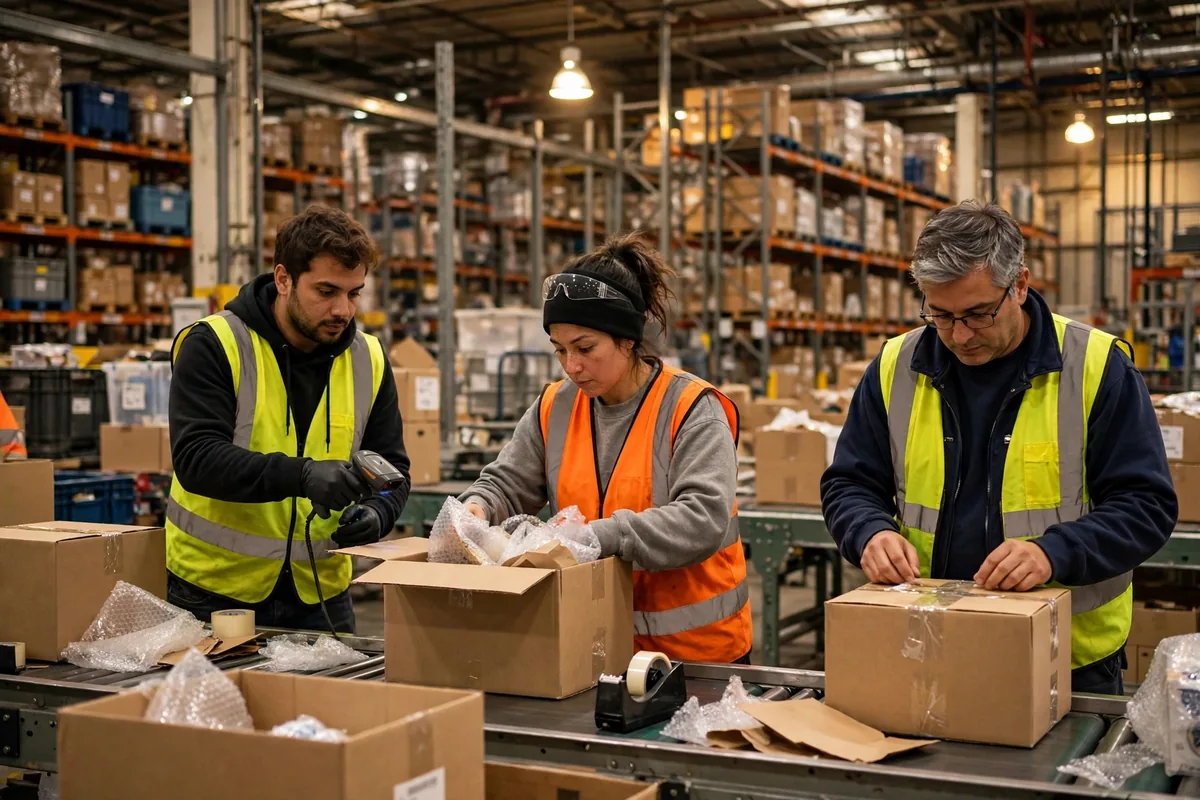
The third is a manual sort line. Pull a slice of orders off the automated line and sort them by hand: a few tables, a few bins, and you are running. This fits odd-shaped and oversized goods best, the kind that should never have been competing for automated cells in the first place.
Here is the counter-intuitive judgment: during a peak, the most reliable temporary setup is often the manual one, not the most automated one. When an automated line jams, the whole line stops. When a manual line jams, you move a person, shift a bin, and keep going. A temporary fix is supposed to be fast and steady, not pretty.
| Temporary option | Time to set up | Cost | Best for | Biggest trap |
|---|---|---|---|---|
| Floor-stack cells | 1 day | Lowest | Sudden spike lasting 1–2 weeks | Higher mis-sort rate, needs a dedicated watcher |
| Rolling sortation cages | 2–3 days | Medium | Large cell shortage, direct dock access | Cage turnaround can jam up and backfire |
| Manual sort line | Half a day | Labor cost | Odd-shaped and oversized goods | Speed collapses if staffing runs short |
One more story, because it proves the point. In June 2025, an apparel warehouse in Hangzhou discovered a week before a big sale that it was short nearly 40 cells. Instead of buying equipment, the team did three things at once: merged small destinations to free 15 cells, added a night shift to shave the peak, and built 20 floor-stack cells by the dock. Sale volume doubled for three days and the warehouse never blew up. Afterwards the warehouse manager told me the whole temporary setup cost a fraction of one new sortation module's quote. Temporary expansion is won with thinking, not with hardware.
There is one more place people forget, and that is communication between drivers and the warehouse. During a sale, the warehouse's nightmare is every truck arriving at the door at once. There are only so many dock doors, and no crew can absorb that. Let me tell you, if you confirm arrival times, truck sizes, and load sizes with the warehouse a day ahead, the warehouse can schedule dock doors and drivers stop wasting hours at the gate. One warehouse ran two-hour appointment windows for three sale days, dock turnaround doubled in speed, and sorted freight was out before dark. Cells are part of a chain: if the front end jams, nothing downstream can run fast.
And here is the warning that has to come first: a temporary cell setup can carry you for about a month. Past a month, leaning on temporary cells is gambling with your real capacity. If volume stays high, do the proper expansion: start the project, talk budget, do it right. A temporary fix is for emergencies, not for everyday life.
When do you stop and talk? Three red lines: the mis-sort rate climbs noticeably, workers have been on overtime for two straight weeks, or the dock queues until midnight every night. Hit any one of them and stop muscling through. Sit down with the warehouse and the shipper and settle the permanent plan. Push through and you lose more than speed — you lose customers.
As the old saying goes: sharpening the axe does not delay the firewood cutting. When cells run short, stop, look, count, and shift things around before charging ahead. It beats running headfirst into the jam every single time.
By Shifu Zhao, Trucking Veteran (15 yrs)