I nearly bought the wrong machine last year, and I still feel embarrassed about it. I treated shrink film and stretch film like cousins doing the same job. They are not. For a small site, shrink wrap vs stretch film warehouse decisions are really cash-flow decisions. We small warehouses cannot afford to burn money like that.
One needs heat. The other needs tension. Mix them up and you own an idle machine, a pile of film you cannot return, and a lesson you paid for in rent money.
Shrink wrap vs stretch film warehouse basics: two different jobs
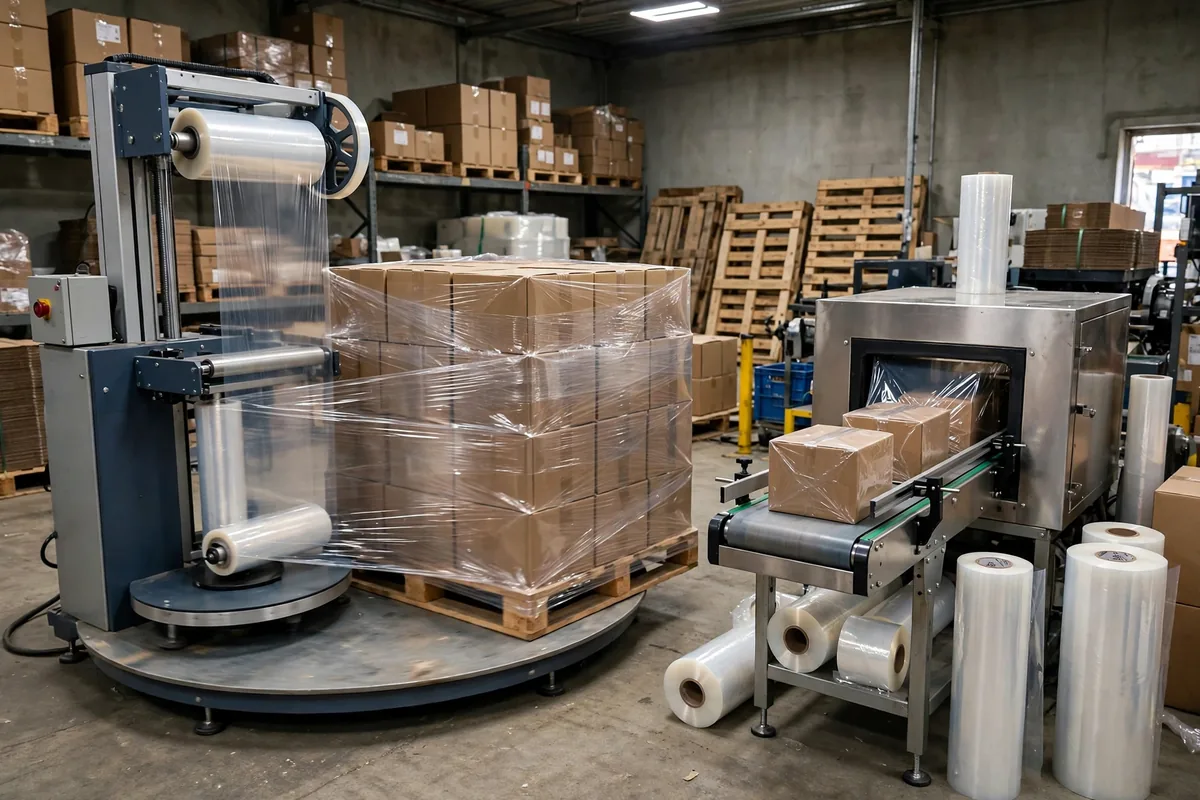
Shrink film wraps the product itself. You sleeve the item or bundle, seal it, then pass it through heat so the film tightens around the surface. Think single retail units and multipacks that need a clean, tamper-visible, shelf-ready finish. Two bottles as one set, three boxes as one promo pack, that is shrink territory.
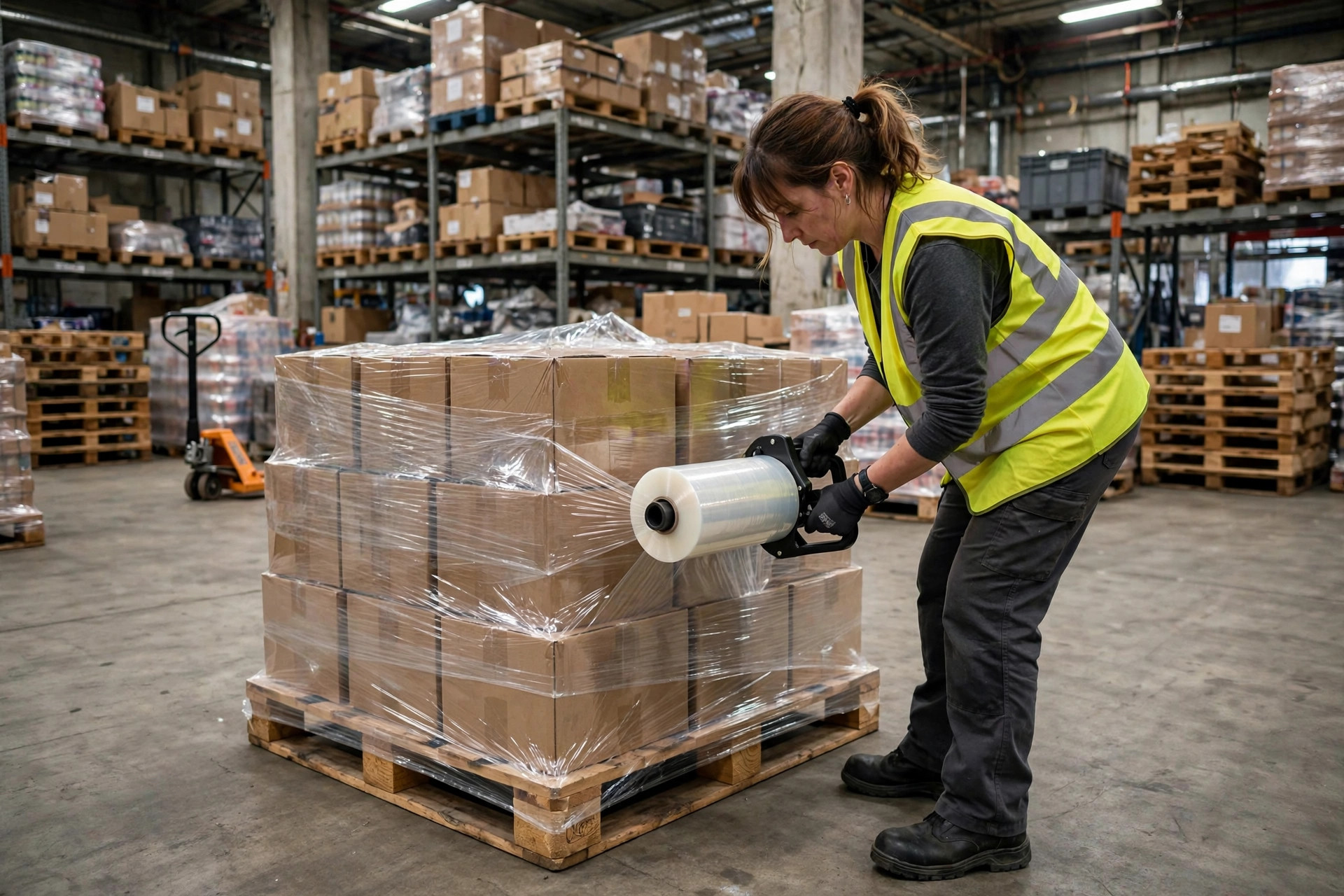
Stretch film wraps the pallet. No heat. You wind it around a loaded pallet under tension and the film's pull holds cartons together as one unit. It does not care about shelf beauty. It cares that the load does not lean, slide or collapse on a truck.
Short version: shrink sells the item, stretch protects the load. If your goods are headed for a shelf as singles or bundles, think shrink. If they are headed for a truck as a pallet, think stretch.
Here is the counterintuitive part. The cheaper-looking film becomes expensive when it does the wrong job. I have seen stretch film wound around gift sets until they looked like returned goods. I have also seen people try to stabilize pallets with shrink thinking and wonder why the middle cartons still shifted. Wrong tool, full price.
Our small-warehouse reality check
We run a site under 3,000 square meters equivalent in spirit: mostly full pallets and full cartons, plus occasional e-commerce bundles. In September 2024 a client asked for twin-bottle shrink bundles, only a few thousand sets a month, on and off.
I got excited and priced heat-shrink equipment. Then I sobered up. A decent setup takes floor space, power, temperature tuning and someone who knows how to babysit it. With unstable volume, depreciation per bundle was worse than outsourcing. The pace hurt too. Sleeving, sealing and heat all take longer than labeling, and new temps scorch film when they rush. Rework eats whatever you saved.
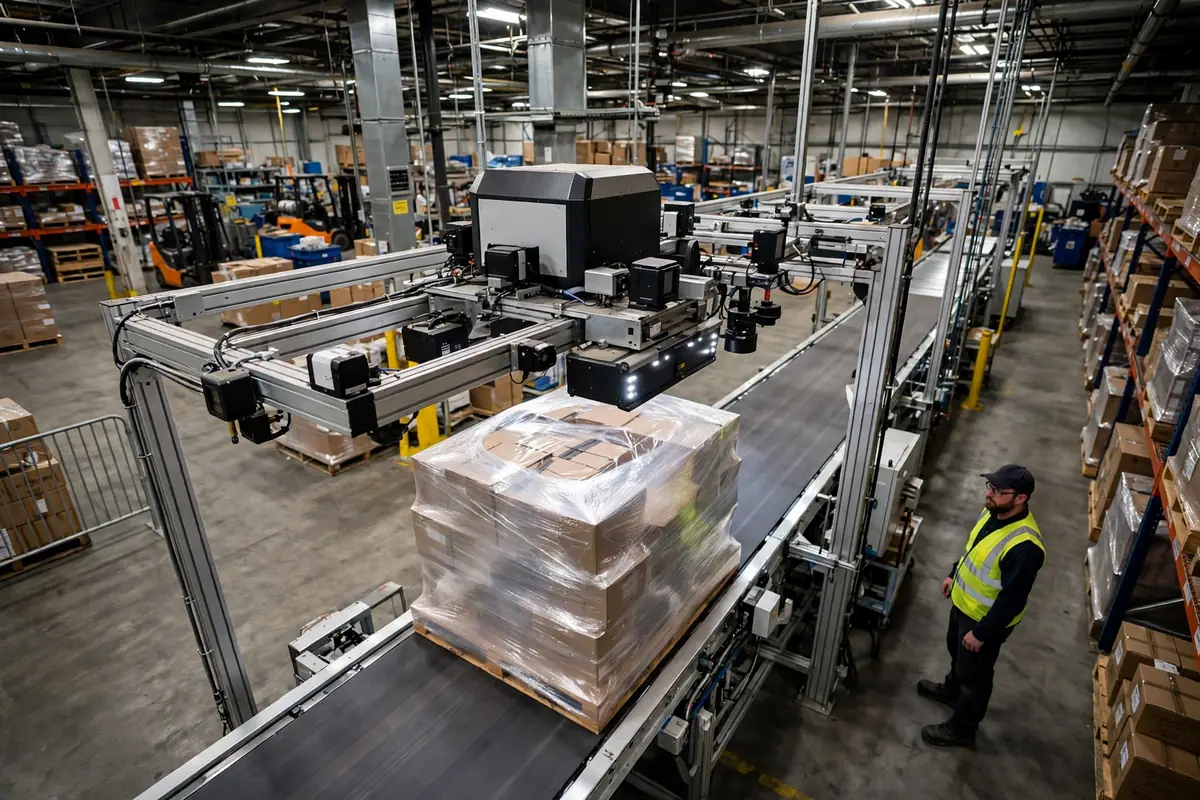
A neighboring auto-parts warehouse made the mirror-image mistake in 2023. The owner bought a used pallet wrapper to save labor, but his pallets were a chaos of sizes, including homemade wooden ones. The machine jammed and complained, staff went back to hand wrapping, and the wrapper collected dust for two years. A machine that does not fit your load profile is just heavy furniture.
My rule now is embarrassingly simple. Before buying, ask how much real work this machine must do to pay for itself, at our volume, not at the volume in the brochure. If the answer needs heroic assumptions, do not buy. Outsource, borrow, or test with the smallest workable setup first.
The three ledgers I actually use
Big warehouses have models. I have three ledgers on one page: equipment, film and labor.
| Factor | Shrink film (heat) | Stretch film (tension) |
|---|---|---|
| Wraps | Single items and bundles | Full pallets |
| Heat needed | Yes, tunnel or heat gun | No, by hand or wrapper machine |
| Equipment burden | Higher, plus space and power | Near zero by hand, machine only at volume |
| Film use | Per piece, plus seal and setup waste | Per pallet, better with good pre-stretch |
| Labor pace | More steps, slower at sleeving | Simple motion, machine is more consistent |
| Cost of a mistake | Idle machine plus stocked film | Unstable loads, damage and complaints |
Equipment ledger starts with utilization. A machine that runs two days a week must earn its keep in those two days. Low utilization usually means outsourcing wins, even if the per-piece outsourcing quote looks annoying.
Film ledger is not price per roll. It is film actually consumed per finished piece or per finished pallet. Shrink waste hides in seals and test runs. Stretch waste hides in extra turns because the wrap felt loose. My low-tech test is to weigh rolls before and after a hundred pieces or a hundred pallets. Real consumption stops arguing after that.
Labor ledger is pace under fatigue. In March 2025 we timed our own work. Hand wrapping a pallet looks cheap until a tired worker quietly does two fewer turns at the end of a shift. Machine wrapping was steadier, but only because our main pallet flow had a clear in-and-out path. On shrink bundles, sleeving was the bottleneck. One slow step at a small packing bench blocks everything behind it.
So my decision frame is four questions. Am I wrapping an item or a load? Is the volume daily or occasional? Is the customer paying for appearance or for arriving intact? What does outsourcing this exact job cost? Answer those honestly and the film picks itself.
When each film pays, and when it is money down the drain
Use shrink for retail singles and bundles that need dust protection, a tamper hint and a tidy shelf face, but only when volume is steady enough to absorb equipment and setup waste. Small, occasional bundle runs belong with a packaging contractor. Let their tunnel earn its keep.
Use stretch for pallet dispatch and transfer, full stop. At low pallet counts, wrap by hand with a decent dispenser. The entry cost is tiny and the result, done properly, is perfectly serviceable. Move to a machine when pallet volume is high, sizes are consistent and labor consistency is the real problem. You are buying repeatability as much as speed.
Now the money-down-the-drain list, from watching small sites including mine. Shrinking a full pallet load for stability. Stretch-wrapping a pretty gift set to save a few coins. Buying a pallet wrapper for a few dozen pallets a month. Buying a shrink line for one promotion. Each one feels thrifty in the meeting and expensive in the warehouse.
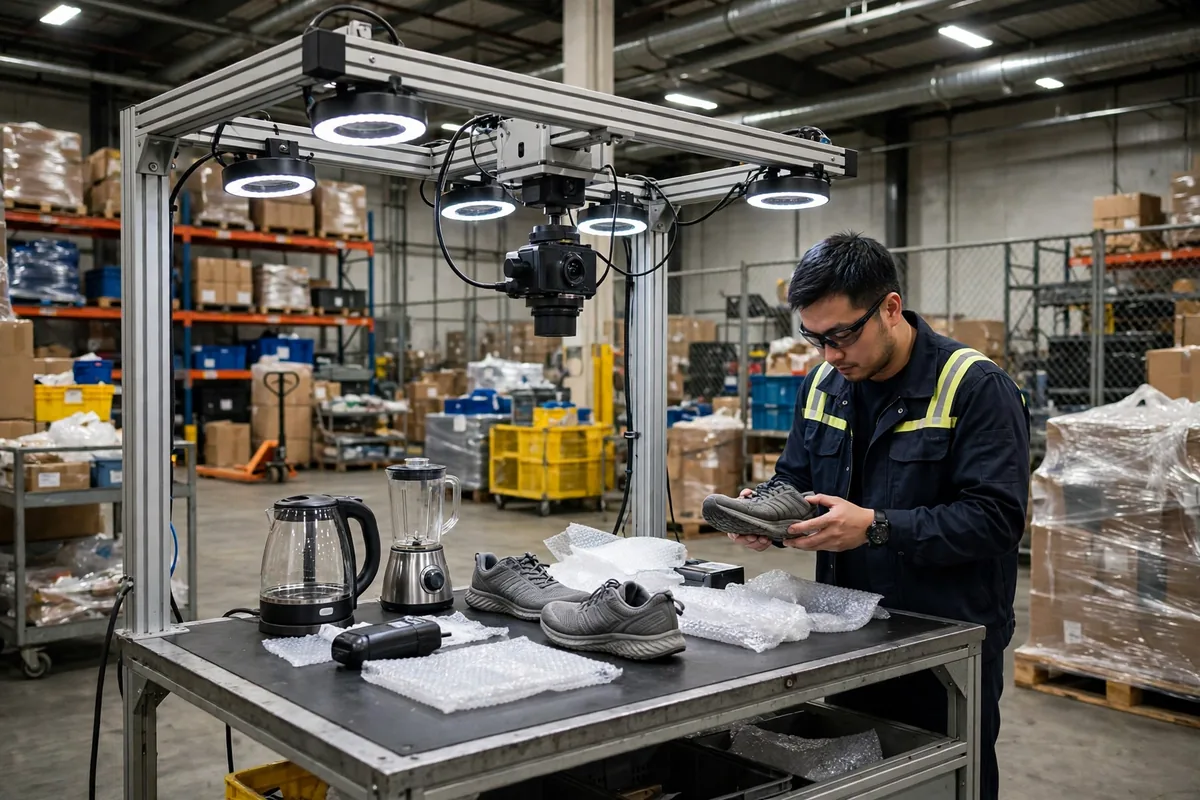
Two scrappy tips before you spend. For small bundle tests, a tabletop sealer plus a handheld heat gun will teach you your defect rate and true pace before you commit to a tunnel. For hand stretch work, even tension beats thick film. A well-wrapped pallet with sensible turns often holds better than a thick, lazy wrap. Ugly methods, real savings.
If you run a small warehouse like mine, test your three most typical loads before listening to any salesperson. Weigh the film, time the work, count the defects. Put those three numbers on the table and the buying decision gets very quiet and very clear. Do not let an unused machine collect tuition from you for a year.
Small warehouses have their own way of surviving.
By Xiao Ma, Small Warehouse Owner