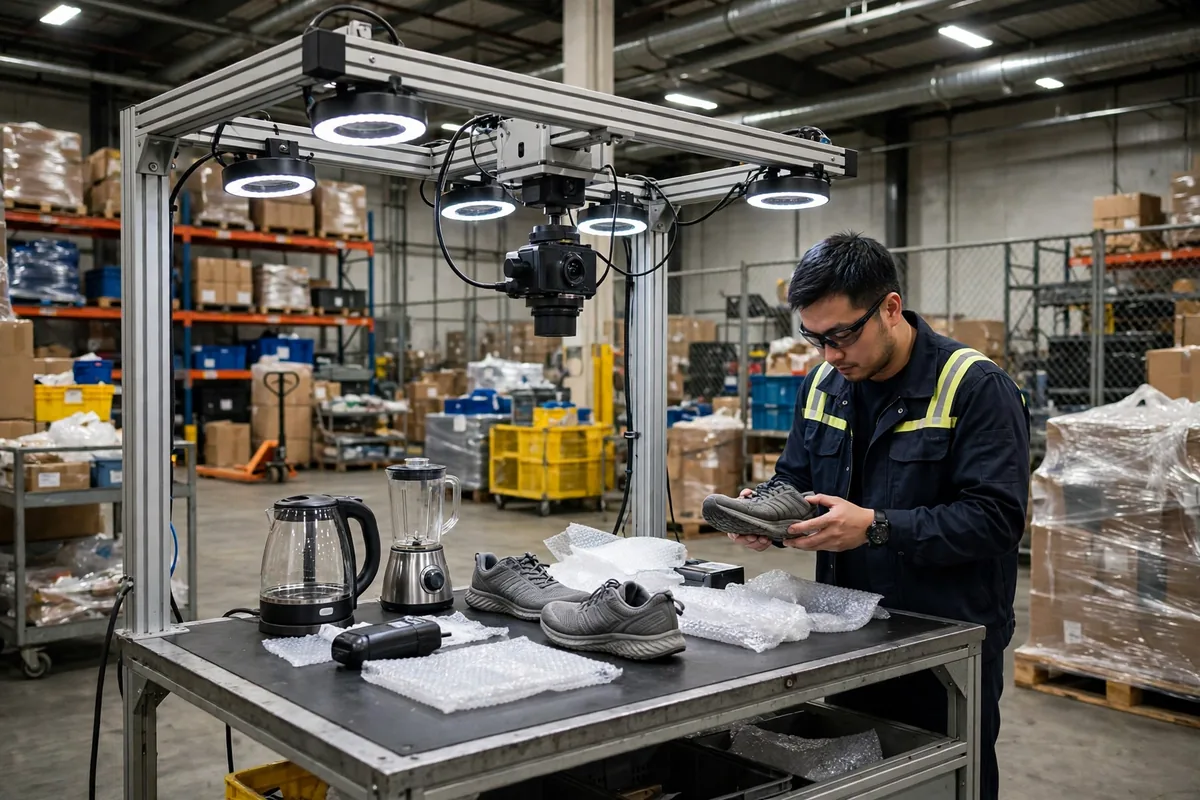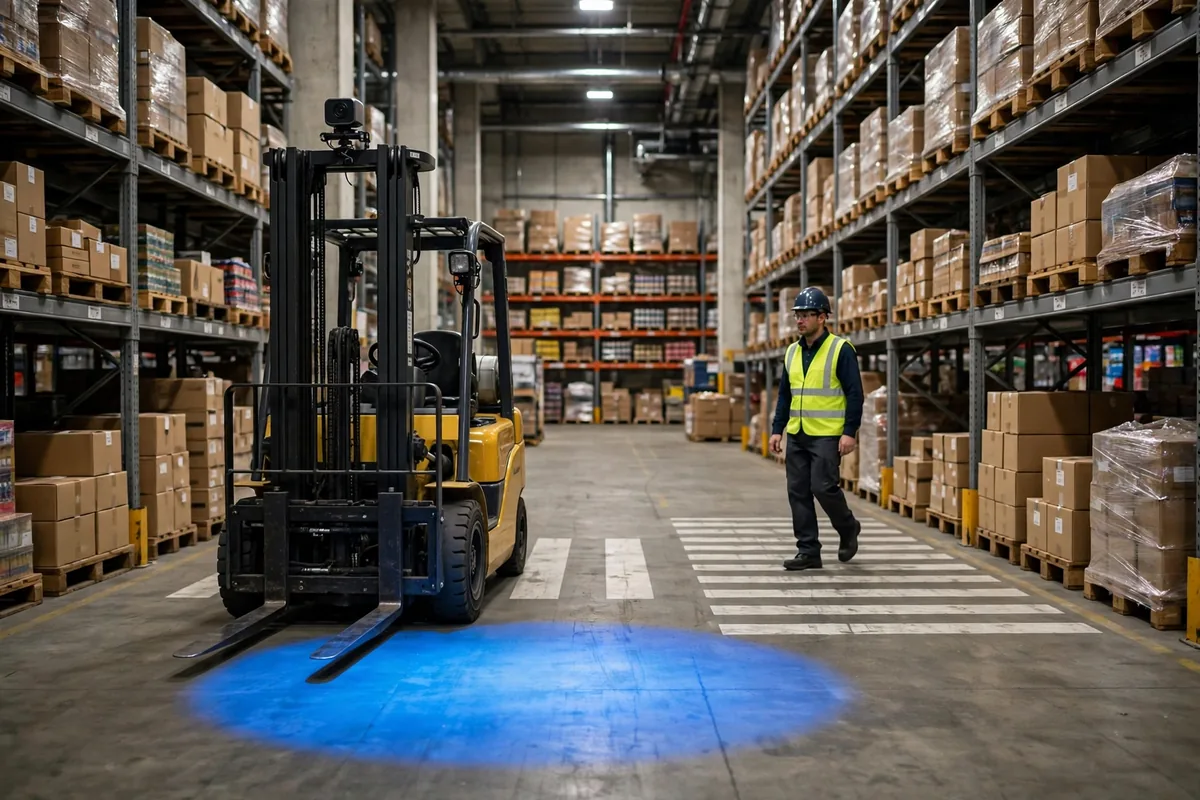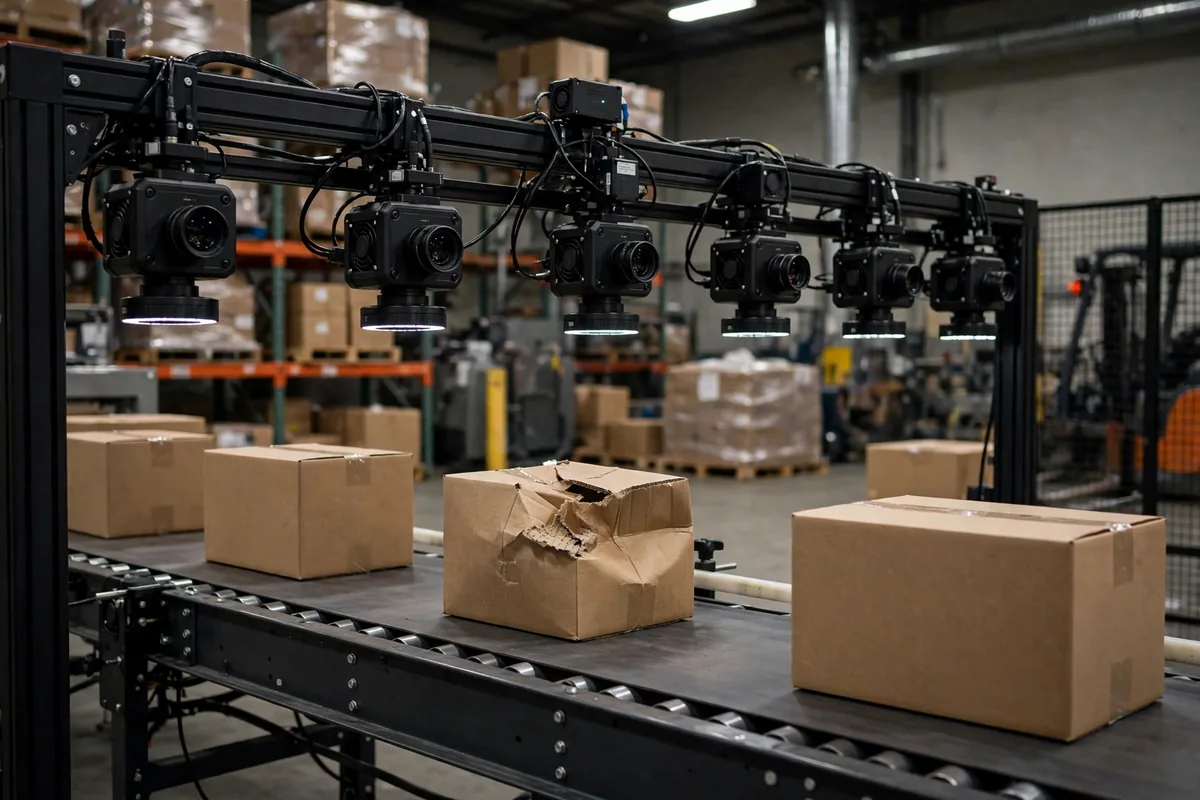
An ai vision pallet dimension measurement warehouse setup sounded great in the demo. It stopped sounding great at 2 a.m., with forklifts queued, a driver arguing about detention, and my night lead asking a simple question: do we trust this number or not?
I run floors, not labs. So this is not a technology review. It is what I learned after we put cameras over a measuring station and let real pallets, real wrap, and real tired people test it.
Where ai vision pallet dimension measurement warehouse work actually pays
Last peak season, a beverage shipment taught us the first lesson. The paperwork listed one tidy footprint for every pallet. In reality, several cartons bulged after wrapping. My receiver measured by tape, typed the numbers in by hand, and every pallet cost us a stop. The line backed up to the dock door. That night is the honest business case for camera measurement: not replacing judgment, just removing the tape measure from the ninety percent of pallets that are boring and regular.
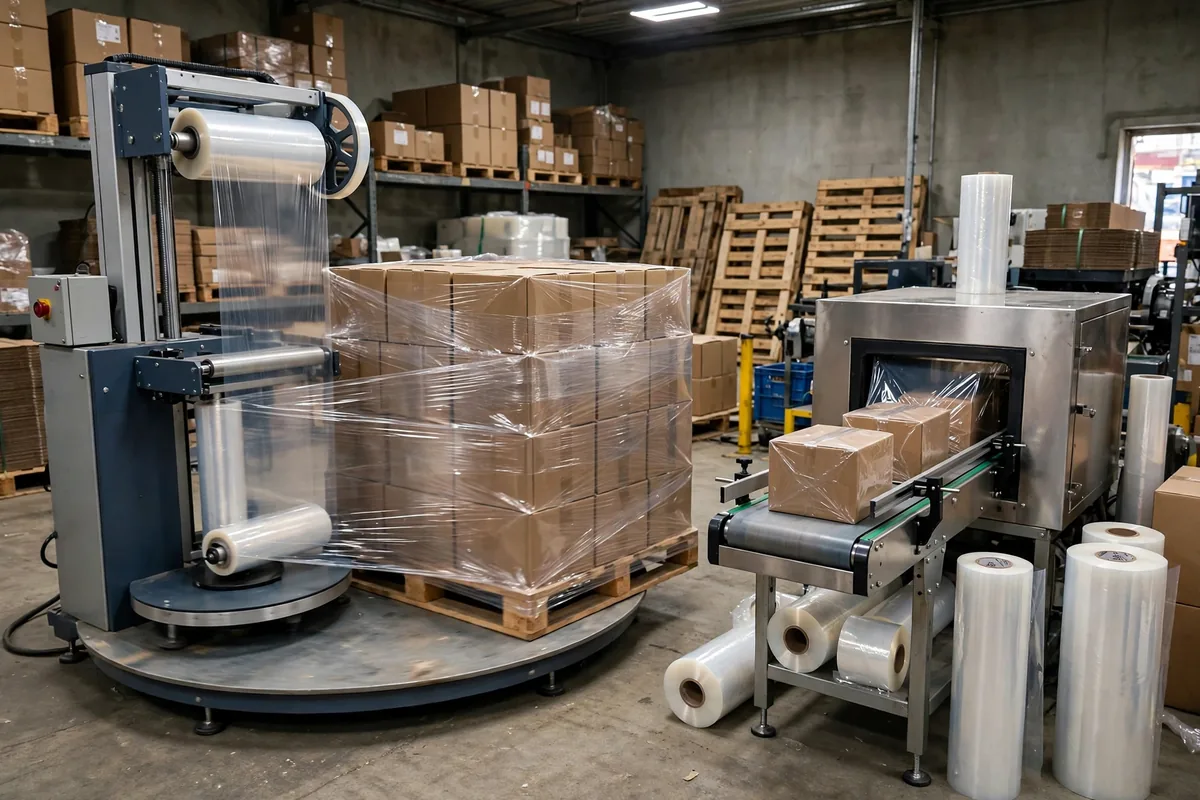
Today we measure three groups without debate. First, pallets that will be billed or stored by size, especially anything headed for high-bay or automated storage where a small overhang becomes a big problem. Second, pallets measured again after shrink-wrap, because wrap, corner boards, and a shifted top layer change the real dimensions. Third, inbound pallets from new suppliers, until their packing proves stable.
And we deliberately skip full measurement for one group: long-running, single-SKU full pallets from suppliers with a clean sampling record. Sampling is enough there. Measuring everything, every day, just because the camera can, is how you turn a useful tool into a bottleneck everyone resents.
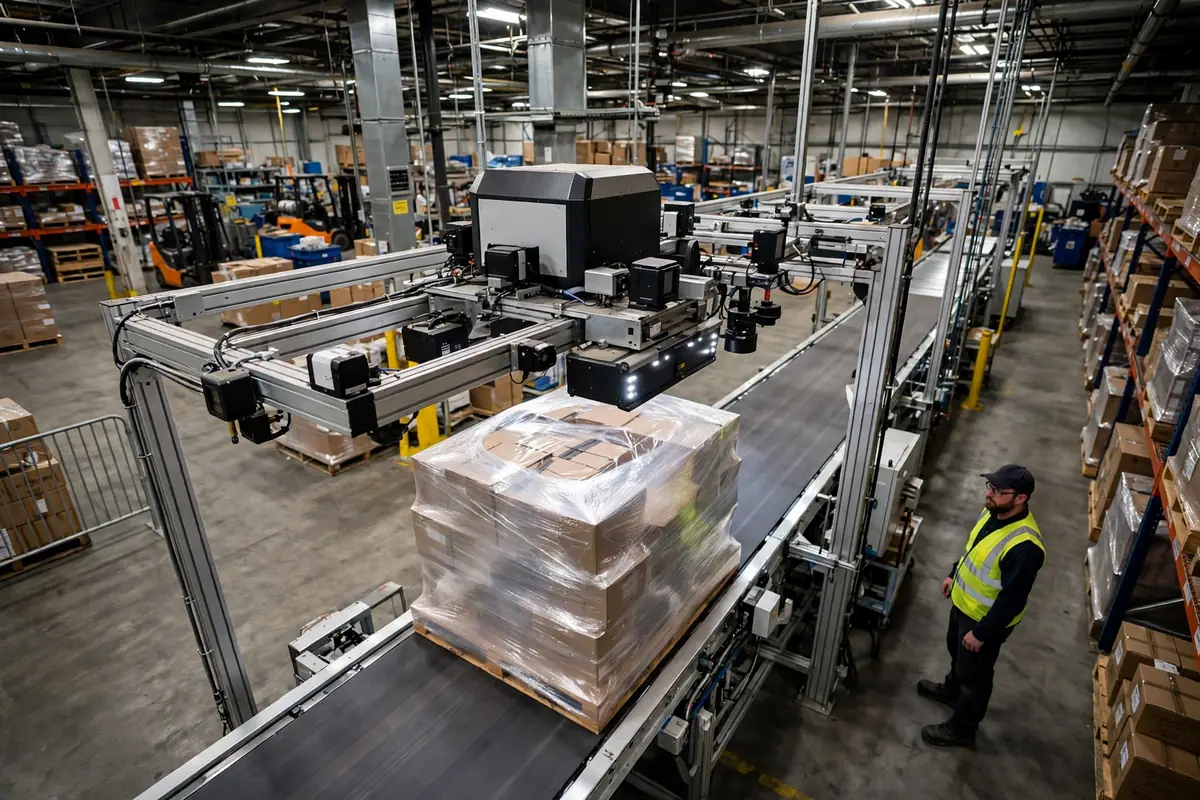
Here is the counterintuitive part. Earlier is not better. We first wanted the station right at unloading, so we would catch problems sooner. It failed. Pallets were still crooked, forks were still in frame, straps had not been removed, and the readings jumped around. My crew stopped trusting the system within a week. We moved the station to after wrapping, before the staging lanes. Pallets arrived square, wrap was finished, and the number we captured was the number downstream actually needed. We gave up a little speed and bought a lot of trust. On a warehouse floor, trust is the real throughput.
Where ai vision pallet dimension measurement warehouse systems misfire
The failures were not random. They clustered in three predictable buckets, and any manager evaluating this technology should test these first, with your own freight, not the vendor's demo boxes.
Black stretch film and dark cartons were bucket one. With low contrast, edges blur, and the system can include the pallet base or miss a corner that sticks out. Bucket two was glare: glossy film and large shiny labels under dock lights blew out the image, and dimensions shrank. Bucket three was shape. A pallet with a smaller top layer, or one extra promotional layer on top, is not a neat box, and software that assumes a neat box will politely give you a neat, wrong answer.
A concrete case from this spring: a small-appliance customer liked to add one promotional layer on top of an otherwise standard pallet. The camera measured the main body, passed it, and the problem only appeared at the high-bay aisle, where the extra height did not fit. My forklift driver had to set the load down in a temporary area, and the night shift lost several trips fixing one bad pass. After that, our rule became non-negotiable. Odd shapes, low confidence, or any reading far from the advance notice goes to manual re-measurement. No automatic pass. The camera's job is to clear the regular work fast so people can spend their attention on the exceptions.
Use this simple decision table at the station. The labor and timing ranges below are illustrative only; your mix and shift pattern will move them.
| Situation | Action | Who confirms |
|---|---|---|
| Regular pallet, close to advance notice | Auto-record and release | Receiver glances and releases |
| Size changes clearly after wrapping | Post-wrap reading wins | Lead verifies and updates record |
| Black film, glare, or odd shape | Manual tape re-measure | Receiver measures, lead spot-checks |
| High-bay storage or size-based billing | Must pass the station, no bypass | System blocks, human releases |
Running the station so the night shift does not hate it
Three floor details mattered more than any specification sheet. First, give the station a straight approach and a painted stop line. A crooked pallet produces crooked data, and no software setting fixes bad presentation. Second, design the exception path before peak. Where does a flagged pallet go, who measures it, and where does it re-enter the flow? If you improvise that during a busy night, exceptions pile up and block the whole lane. Third, staff the decision, not just the station. Someone on every shift needs the authority to order a re-measure or release a held pallet. A system that flags problems at midnight with nobody empowered to decide is not automation. It is a delay with better lighting.
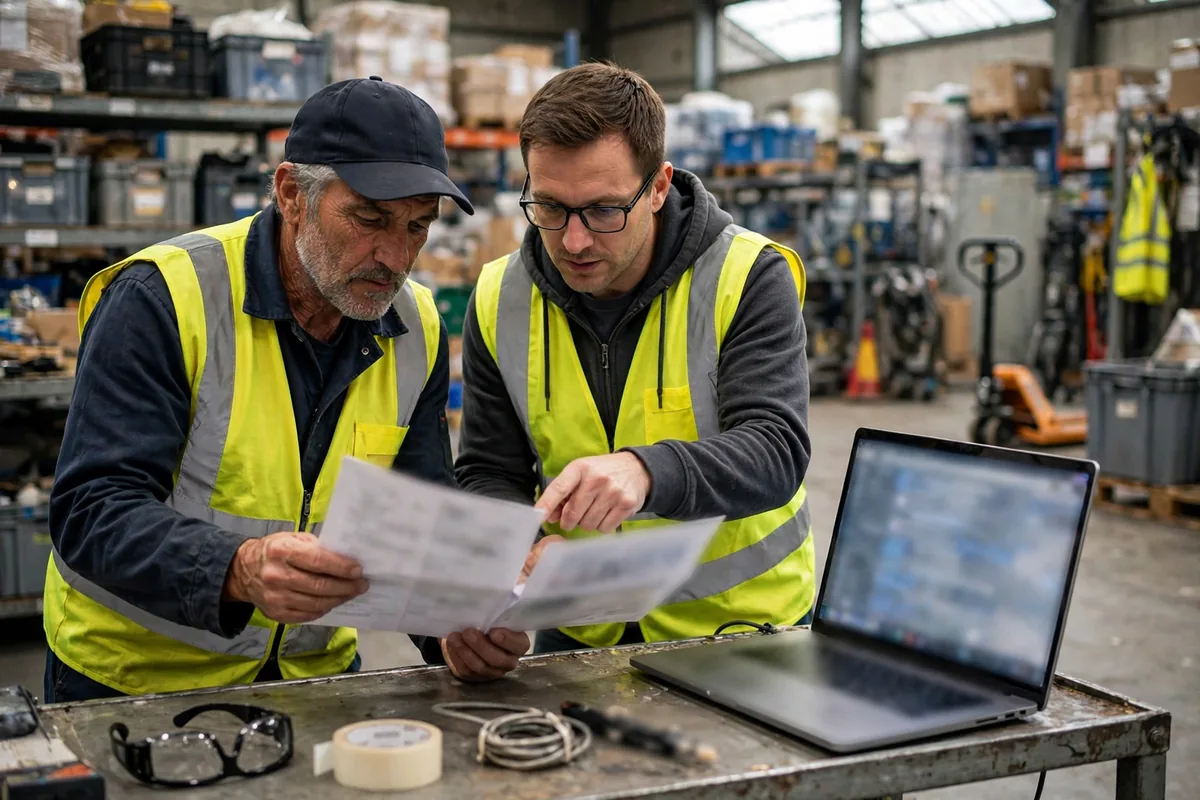
People mattered too. My veteran receivers assumed the camera was there to grade them. For the first month we compared readings without using them for any performance review. Tape and camera results sat on the same table, and whoever was wrong, human or machine, we said so openly. By the end of that month the argument was over, because the crew could see the regular pallets no longer needed anyone kneeling with a tape.
My closing advice to fellow managers is plain. Do not start by shopping for cameras. Start by listing the three pallet types that cause your most expensive arguments about size, test any system on exactly those, including your worst black-wrapped and odd-shaped loads, and write the exception rule before you sign anything. If a vendor will not test your ugliest freight, that tells you everything. The camera is a good servant on a disciplined floor. On a chaotic floor, it just measures the chaos faster.
By Chen Feng, Warehouse Operations Manager