Let me start with a morning shift. It was a Tuesday, about 6:30 in the morning, right before peak season. I had barely walked into the warehouse when my team lead came over and told me we had shipped the wrong item. A customer ordered a brand-new pair of earphones. What arrived was a return. The box looked fine from the outside. Inside, one pair of ear tips was missing. The customer sent photos, and customer service spent the whole morning apologizing. The item itself was not expensive. Fixing that one order kept three people busy for a full day. That is the warehouse returns area mixing cost most managers never see on a spreadsheet, because it does not show up as rent. It shows up as one messy order after another.
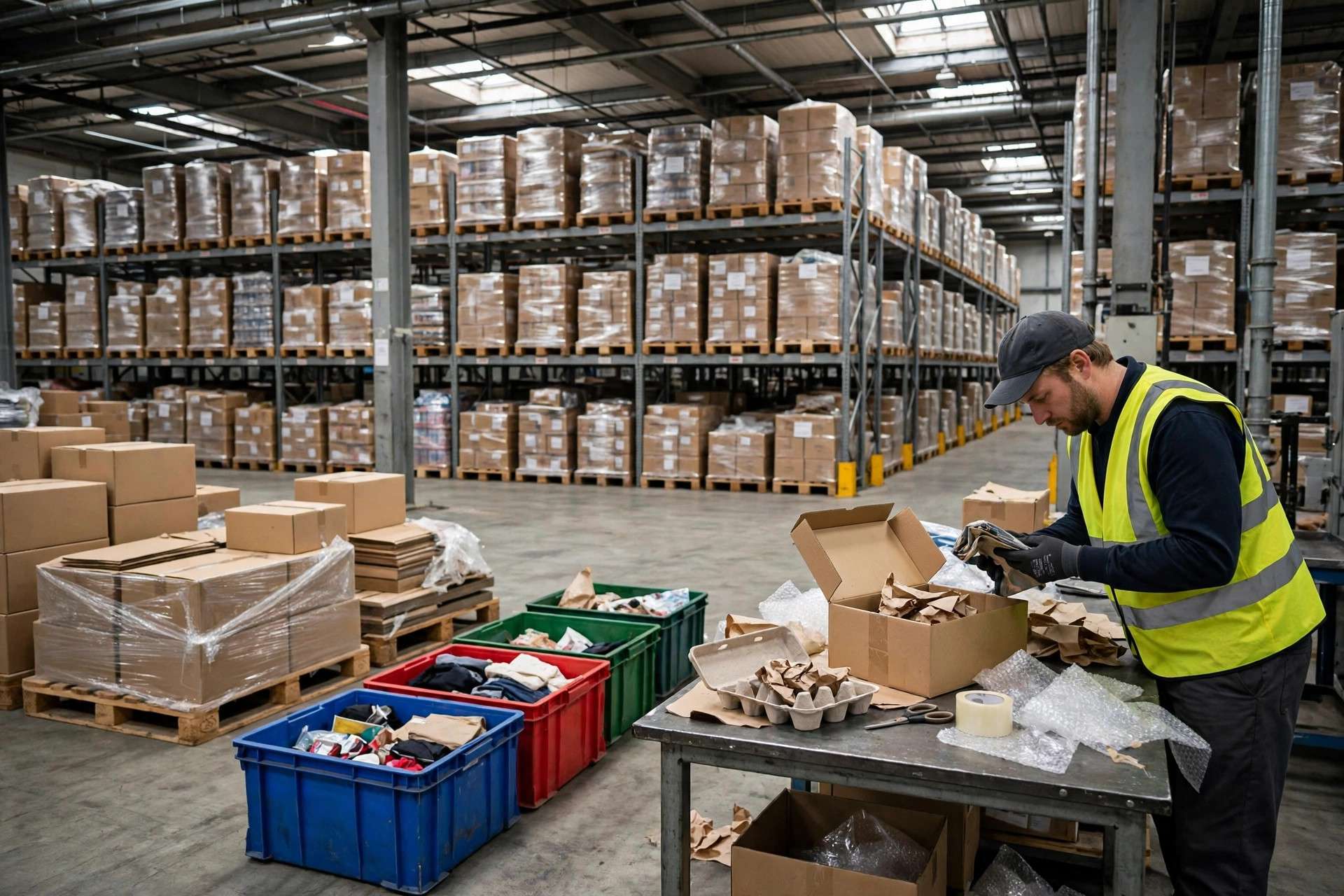
In the warehouse I ran, returns never had a proper home. When peak season hit, returns got stacked next to the picking area, good stock went right beside them, and the only thing between them was a yellow line on the floor. When everyone is in a hurry, nobody looks at a yellow line. Returned boxes, damaged outer cartons, and items customers sent back all went onto that open patch of floor. New hires could not tell them apart, and experienced staff in a rush would drop a return straight onto a pallet of good stock rather than walk around. The problem did not explode one day. It crept in, one shortcut at a time.
One Wrong Shipment Costs More Than the Freight
Take that earphone order. The return came back, quality inspection had not looked at it yet, and the carton was pushed next to the picking area. The picker picked by the order, the scan went through, because in the system that unit was still good stock. Nobody had updated its status to returned. The customer opened the box and found a used item. We paid the return freight, we paid the replacement freight, customer service handled the apology, and the warehouse picked and packed the whole thing again. One order, three rounds of work.
There was another case that taught us even more. A batch of small appliances came back with perfect outer packaging, but two units inside were faulty. Once they were mixed in with good stock, the cycle count looked right by carton count. It was only when someone opened the cartons that the truth came out. We had to open and re-check a full pallet. Four experienced workers and two new hires spent most of a night shift on it. Night shifts are already short-staffed, and the next day's normal outbound orders nearly missed the cutoff. When the schedule slips like that, morale slips with it. The older workers did not complain out loud, but they all knew the work did not have to be done that way.
Where Mixing Returns With Good Stock Really Bites
Here is the honest truth. Most people add up the cost of mixing returns with good stock and count only the pallet positions it takes. I used to do that too. Then I learned the big money is somewhere else. It sits in three places: wrong shipments, double handling, and count differences. A wrong shipment costs return freight plus replacement freight plus picking labor plus service time, easily more than double the original job. Double handling grinds people down. When returns and good stock are mixed, every outbound order starts with a sorting pass, and the returns that get pulled out have to be carried back, so the same goods get moved twice. Counting is the worst. The system quantity and the physical quantity do not match, and hunting down the difference can eat a whole day, only to find nothing was lost at all. A return was simply counted as good stock.
The table below uses figures from that one warehouse, worked out from its own records as an illustrative example. These are not industry averages, and another warehouse will have different numbers. Run your own figures through the same shape and you will get your own answer.
| Where the money goes | Roughly, in one month | What it really costs | | Wrong shipments, returns and replacements | About 20 orders | Freight both ways, re-picking, repacking, service time | | Sorting mixed stock twice | About 60 labor hours | The same goods moved twice, pulling hands off outbound work at peak | | Hunting count differences | About 3 full days | Full-pallet re-checks, system reconciliation, night-shift overtime | | Returns piling into picking space | About 8 pallet positions | Narrower aisles, longer pick paths, slower picking |
Here is a judgment that goes against the usual instinct. Most managers think a smaller returns area saves money, because the space freed up can hold more good stock. We tried that. The smaller we squeezed the returns area, the worse the mixing got. Returns had nowhere to go, so they spilled over into good stock, and the spillover cost far more than a few extra pallet positions. A returns area is not a corner you shrink to save space. It is the buffer that keeps good stock clean. Get returns contained and sorted, and the good stock numbers start making sense.
What We Do Now, Every Single Day
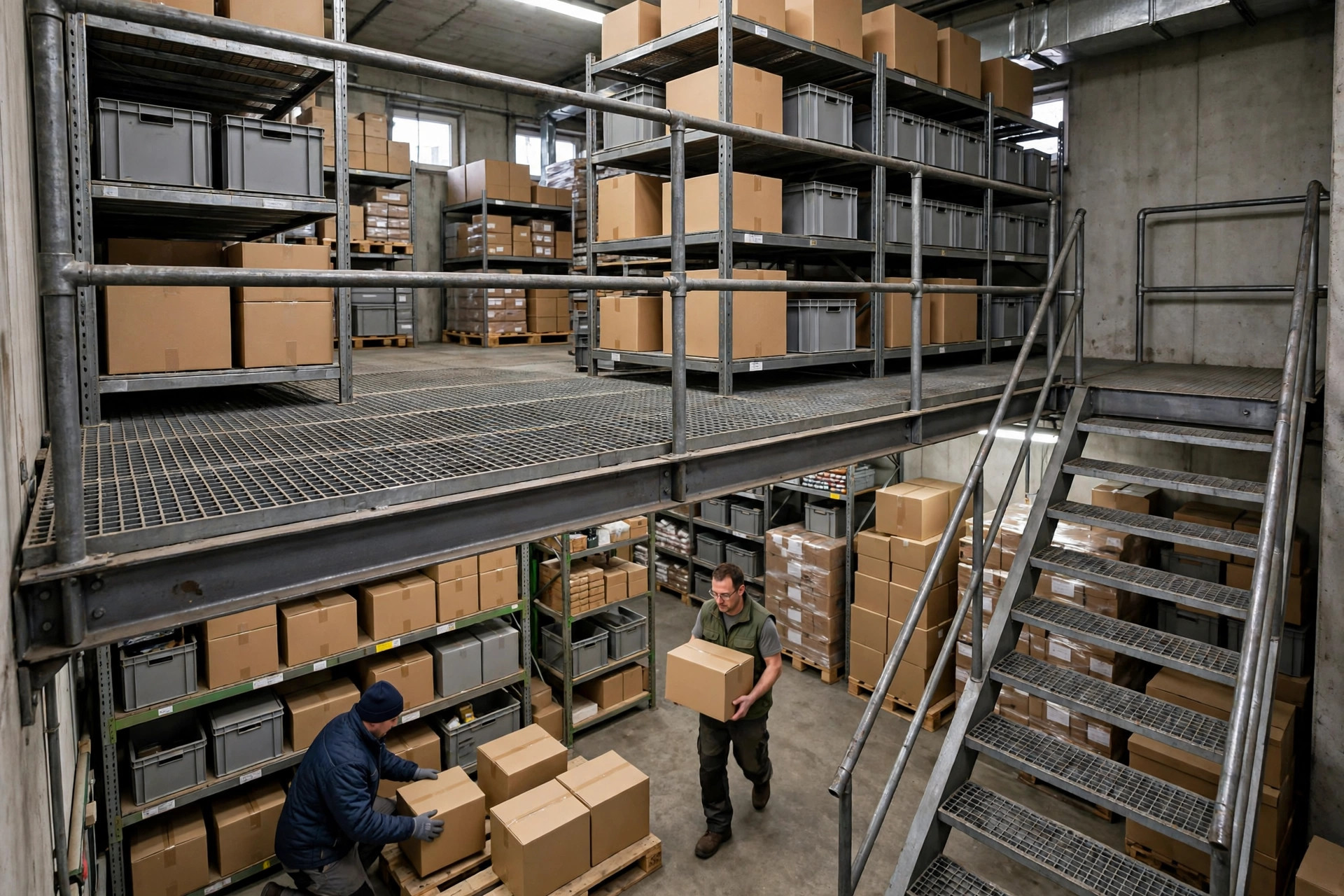
The fix we made was not dramatic, but every part of it stuck. Returns got their own area, set apart from picking by real racking and a walkway, not a painted line. Nothing could be dropped there by accident. Every return coming in gets a red tag, and red means not inspected yet, and nobody picks it. Quality inspection handles returns at two fixed times each day. Items that pass go through the normal inbound process. Damaged or incomplete items go to a separate spot, and the system status is updated the same day, never left overnight.
Training new hires starts with that red tag. I tell them, do not worry about picking fast on day one. Learn to stop when you see red. Once that rule holds, wrong shipments fall sharply. The returns area gets cleared at the end of every shift, and any return sitting longer than three days gets named in the morning meeting, with the team lead asked whether it is stuck in inspection or stuck with a supplier. Returns do not disappear on their own. Left alone, they only grow taller.
The month after the change, the comparison was plain to see. Wrong shipments fell from about 20 to fewer than 3. Double-handling labor dropped by more than half. Count-difference hunting went from three full days to half a day. The returns area took a few more pallet positions, but the picking area opened up, and pickers stopped walking around piles of returns. Add up the freight and labor saved, and it covered those pallet positions many times over.
If you run a warehouse, go and look at where your returns sit right now. How far are they from good stock, and what separates them, a line or a rack? Then pull last month's wrong shipments and count how many trace back to a return that was never separated. Once you have those two answers, you will know what mixing returns with good stock is costing you. Do not wait for peak season to fix it. Nobody has time to change a process in the middle of peak.
By Chen Feng, Warehouse Operations Manager