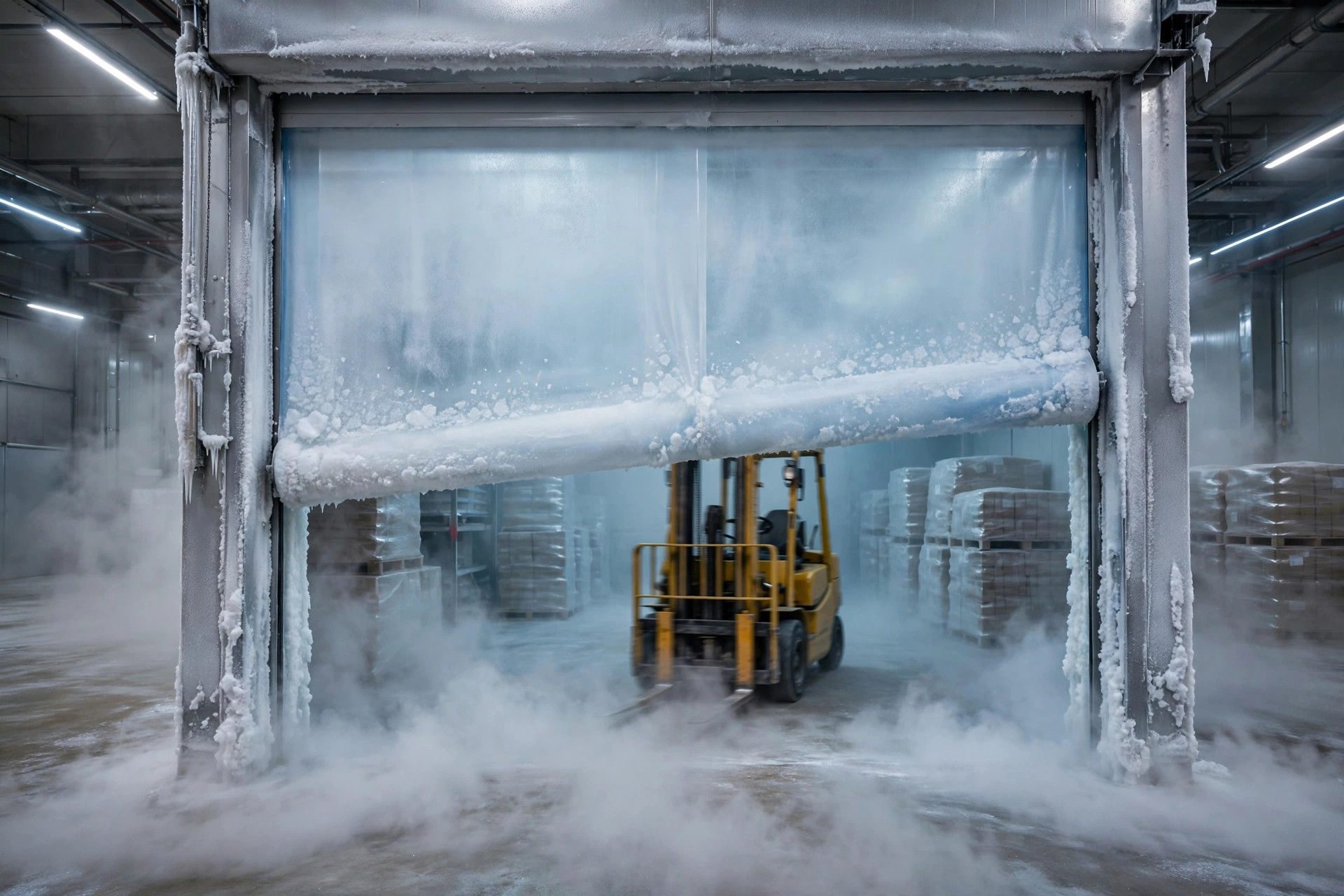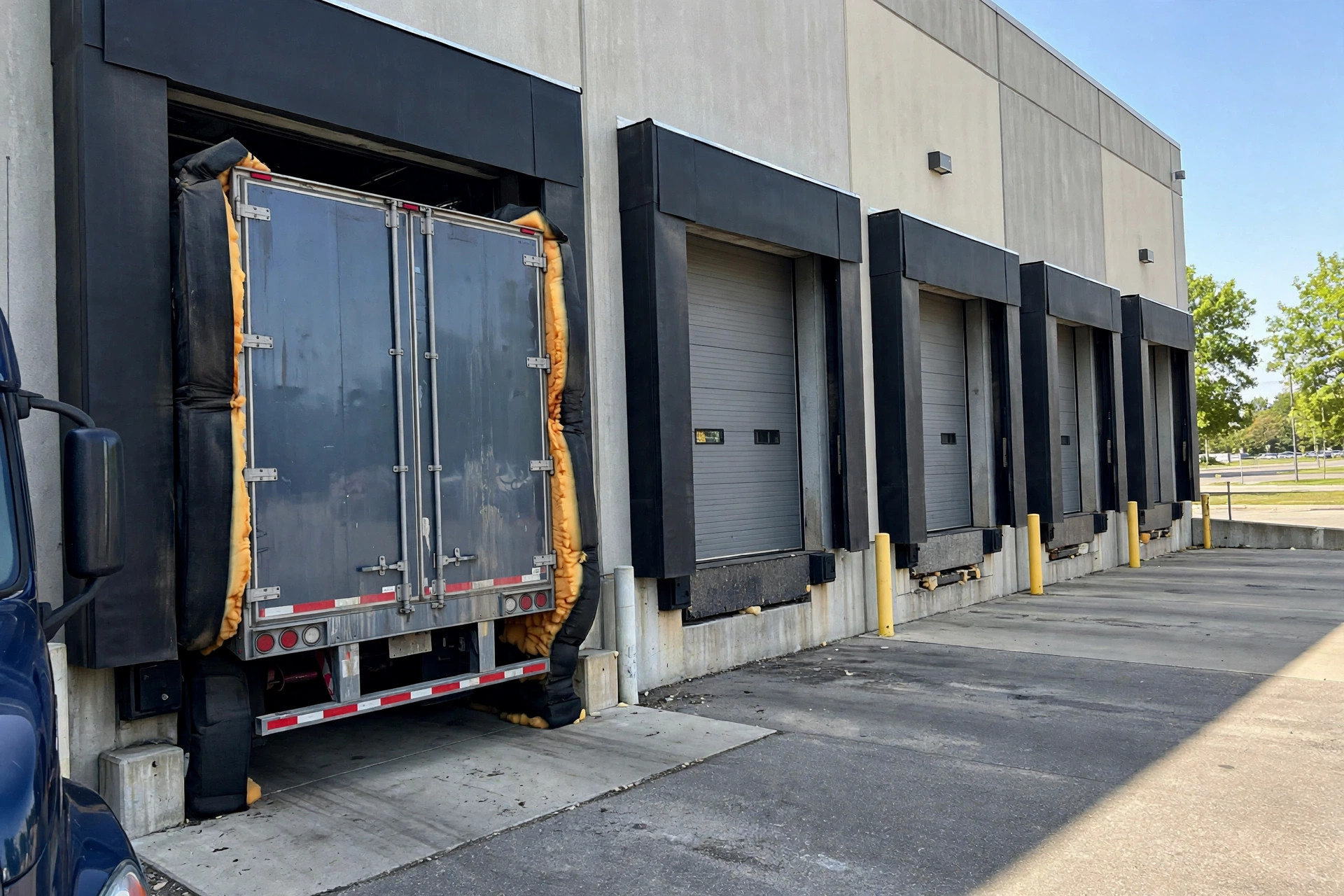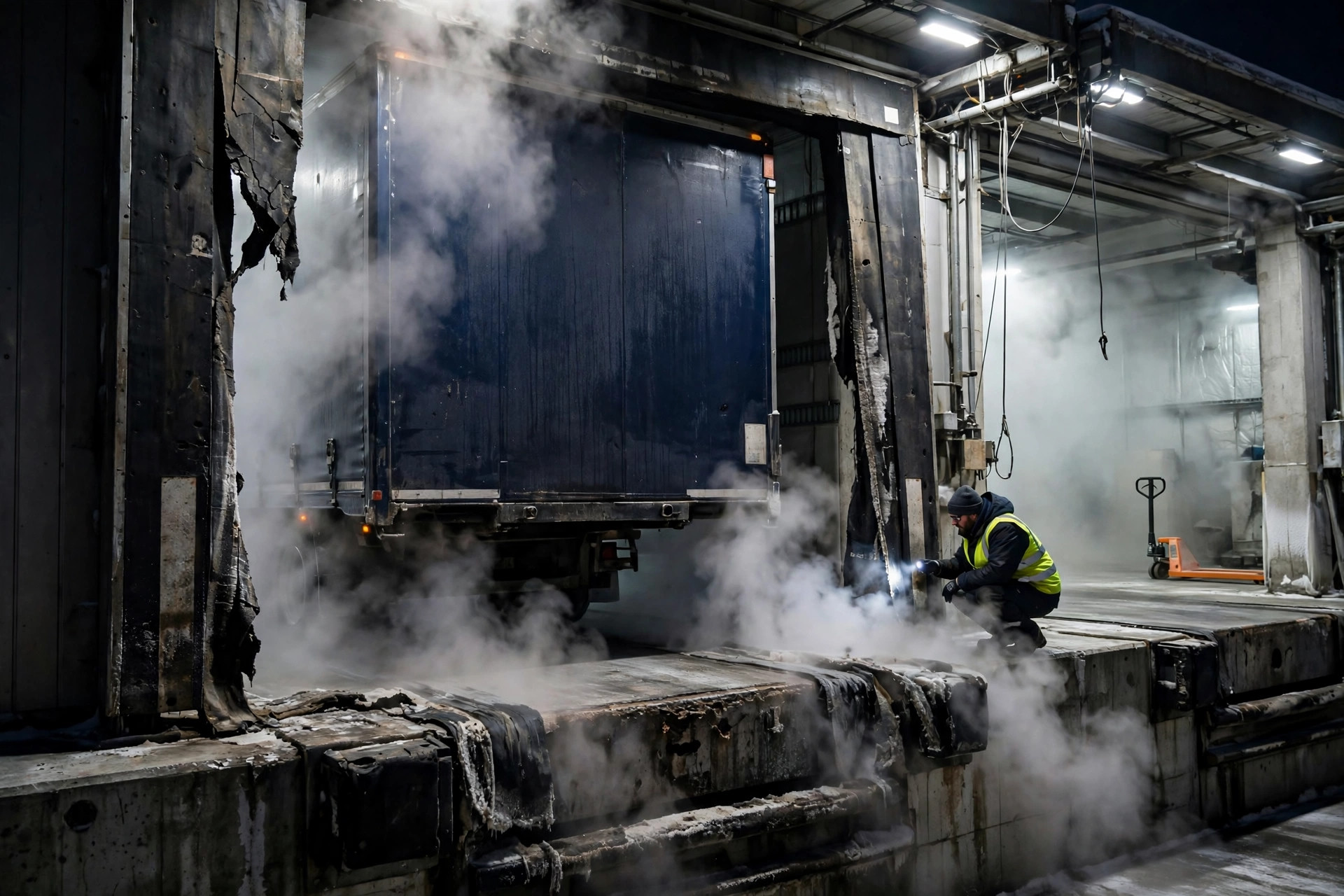
After all these years on the road, I can tell you this about dock seals and shelters: nobody looks at them until they fail, and by then they have already cost real money. I am not talking about how a seal looks. I am talking about the cold air slipping out through the gap while a truck sits at the dock. Last winter I waited for loading at a cold storage warehouse in the north, and it was a windy night. Two dock seals on that row had split at the edges, frost had formed along the door frame, and a handheld thermometer showed the air near the door several degrees warmer than the air deeper inside the room. I sat in my cab thinking one simple thought: the refrigeration plant was working overtime because of those two doors.
Let me tell you two things I have seen with my own eyes. The first was at that northern cold store. After the truck backed into the dock, the seal and the trailer left a gap wide enough in places to fit a finger. Wind pushed in through the gap, cold air pushed out, and over the hour or so it took to load one vehicle, the room temperature gauge kept moving up and down while the refrigeration unit cycled noticeably more often than at the well-sealed door next to it. The supervisor later told me those two doors simply cost more to run each month. The second was at a warehouse in the south that handled both ambient and chilled goods. Its seals looked intact from a distance, but the bottoms had worn thin. On rainy days water seeped in along the gap and left a puddle on the floor. Over time the bottom edge split, and in summer warm air came in freely. When a customer came to inspect, the first thing he asked was why it felt so warm near the doors. Both stories come down to the same point: a failed seal is a hole in the wall that leaks all day.
A Worn Dock Seal Does Not Leak Air, It Leaks Money
Here is a rough way to work out the cost that any warehouse can use directly. First, measure the gap. With the door closed and the truck docked, walk around the seal and look for daylight, any place a finger fits, and any spot where a trapped slip of paper pulls out easily. Add up the length of those leaking spots, and you have a real number to work with. A finger-wide gap running two or three metres sounds small, but that door may open and close a dozen times a day, and it may stand open for an hour or two during each loading job. The cold escapes a little at a time, and the refrigeration plant runs longer to replace it. The power bill will never carry a line that says "dock seal leakage," but the extra cost shows up in the part of the bill that is higher than it should be.
There is a second bill that people often forget: unstable temperature near the door is hard on the goods. Chilled products hate temperature swings, and the pallets nearest the door feel those swings first. A return, a price reduction, or a customer complaint each costs more than a replacement seal. Replacing the seal on one door generally runs from a few hundred to a few thousand yuan depending on material and size, with labour on top. A leaking door, over a year, can easily cost more than that in extra electricity and in the trouble it causes with goods. The direction is enough: every day a leaking door is left alone is another day of loss.
Wind and Temperature Swings Make Dock Seals Fail Faster
Why do some seals last two years and others last four or five? Quality matters, but the environment matters more. In a windy spot, the seal is pushed and pulled by wind pressure every day, and the corners wear thin first. Where temperatures swing widely, the seal material expands and contracts again and again, and cracks grow faster. At a dock where trucks do not always line up squarely, the trailer rubs the seal on every visit, and wearing through becomes a matter of time. Winter frost is another accomplice: frost forms on the seal surface, the material stiffens, and opening and closing the door tears the stiffened material.
My advice is to check them once a month on a fixed day, ideally while loading is in full swing, because that is when the seal shows its true condition, and to add an extra check on very windy or rainy days to catch new leaks. The inspection itself takes three simple moves: turn off the light and look for daylight, run a hand along the seal to feel for cold drafts, and test with a slip of paper to see where the grip is loose. Take a photo each time and keep it on file. Next month, compare the photos, and you can see at a glance whether a crack has grown or held steady. When it comes to picking the right type for your trucks and doorways, the guide to choosing between dock seals and dock shelters is worth reading alongside, but first work out what your leakage is costing, and then decide what to buy.
Before You Replace a Seal, Measure These Numbers First
Before ordering a replacement, do not rush. Write down a few numbers first, so that after the change you can compare like with like. First, record the temperature near the door for a week before replacement, two or three times a day at fixed times, written down on paper. Second, note roughly how many hours a day the refrigeration unit runs, or simply record the meter reading. Third, measure the door opening and the vehicles that use it, because a seal that is too large will not sit tight and a seal that is too small will not cover the gap, and either way it leaks. After replacement, repeat the same measurements for another week. Whether the temperature holds steadier and whether the meter moves more slowly will tell you plainly whether the money was well spent.
| Seal condition | What it looks like | How it leaks | What to do |
|---|---|---|---|
| Basically sound | Tight fit, no cracks | Paper will not pull out, door temperature steady | Keep using it, check monthly |
| Edges worn thin | Bottom edge thin, corners fraying | Slight draft at the bottom, possible water seepage in rain | Reinforce for now, schedule it for the next batch |
| Cracked or missing pieces | Cracks, gaps, daylight showing | A finger fits in the gap, door temperature clearly high | Replace soon, do not wait for peak season |
| Distorted, will not close | Bent by truck contact, will not sit flat | Leaks in several places, refrigeration cycling frequently | Check the fitting position as well as the seal itself |
Two practical points for the replacement job itself. One is not to replace only the worst door in a row. Doors on the same row face roughly the same wind and weather, so when one fails, its neighbours are usually not far behind, and replacing them together saves labour. The other is to accept the work on the day it is done, with a truck docked: lights off, daylight check, paper test all the way around, and any problem fixed by the installer on the spot rather than discovered at the next loading job.
The leakage bill is not only a winter bill. In summer warm air pushes in through the same gaps, the plant works harder in reverse, and condensation can leave the floor slippery for forklifts. I have seen a warehouse where workers laid cardboard over a damp patch near the door, and the wet cardboard shifted underfoot and nearly tripped someone pushing a cart. Both sides of the year belong in the calculation.
Accept the work with real trucks docked, not an empty dock: trailer height and alignment shift the sealing surface, so run the lights-off and paper test with a vehicle in place before signing. As a one-minute daily check: look around it, feel around it, write it down.
A dock seal is the blanket over the warehouse doorway, and a hole in it defeats the heating or cooling inside. There is an old saying for this: a small hole left unpatched becomes a big trouble. Measure that gap today, write it down, and replace the seal tomorrow. The electricity saved and the trouble avoided are both things you can see.
By Shifu Zhao, Trucking Veteran (15 yrs)