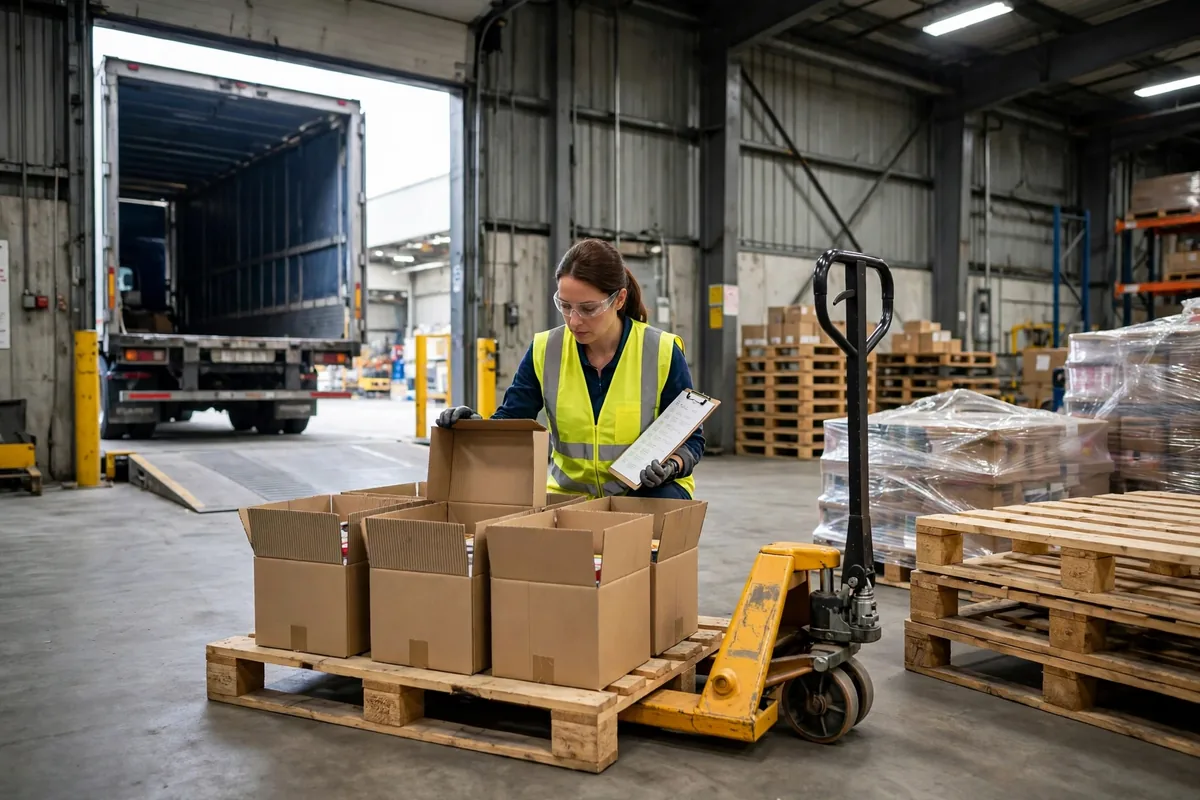
At 6:40 in the morning, I had barely walked into the warehouse when the shouting started at receiving.
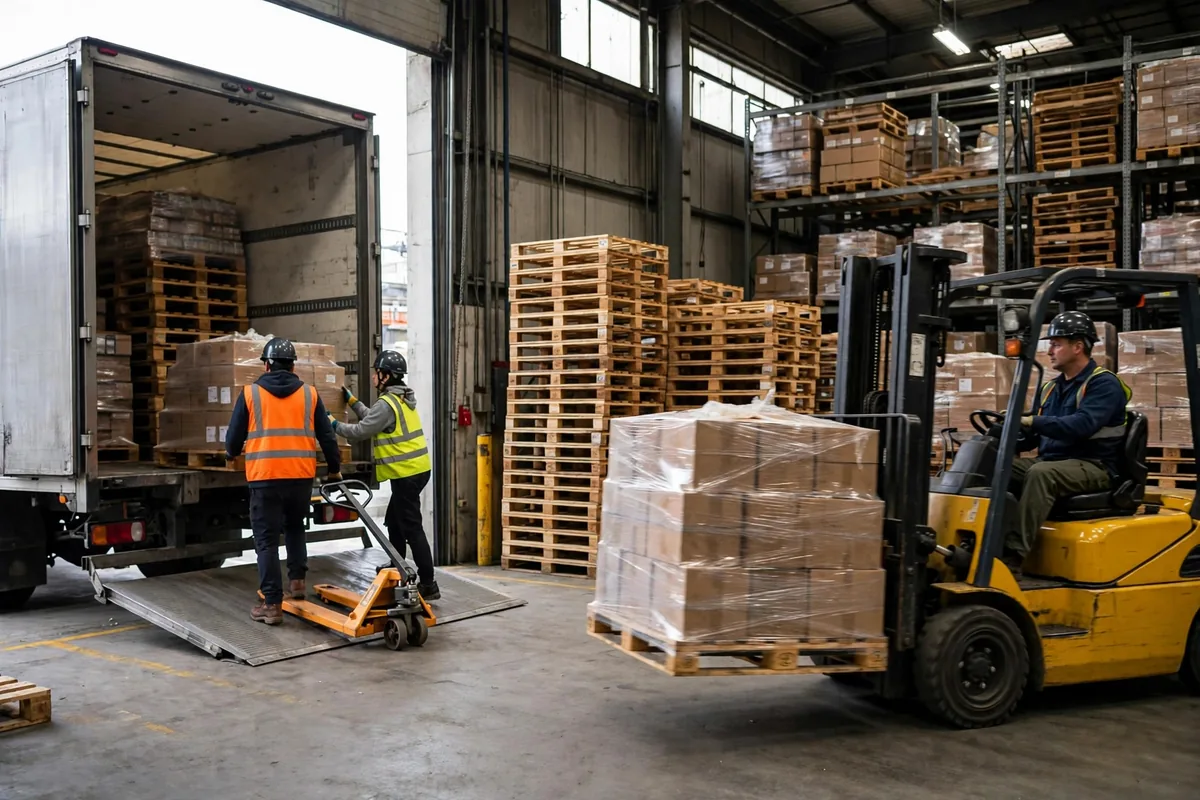
A container truck had arrived at six. The driver had been waiting at the gate for forty minutes. Three receivers were crowded around a pallet, tearing through cartons, because the count did not match. Over on the putaway side, a forklift sat idle. The putaway lead stood in the aisle and shouted, "Where is the freight? My guys are standing around with nothing to do." The receiving lead shot back, "The count is wrong. Am I supposed to release it anyway? Whose fault is it when the numbers are off?" It was the first big replenishment day before peak season. More than a hundred people were in the building, and the whole place went tense.
Let me be straight. I have managed warehouses for years, and I have seen this scene at least ten times. The argument is always the same: receiving says putaway pushes too hard, putaway says receiving drags its feet, and the driver is stuck in the middle. Plenty of managers look at that and decide it is a people problem. They swap the leads, dock performance scores, hold coordination meetings. A month later, the same fight breaks out again. I learned the hard way that when receiving and putaway teams collide, the layout is usually the problem. Not the people. The workflow.
When Receiving and Putaway Teams Collide, the Layout Takes Half the Blame
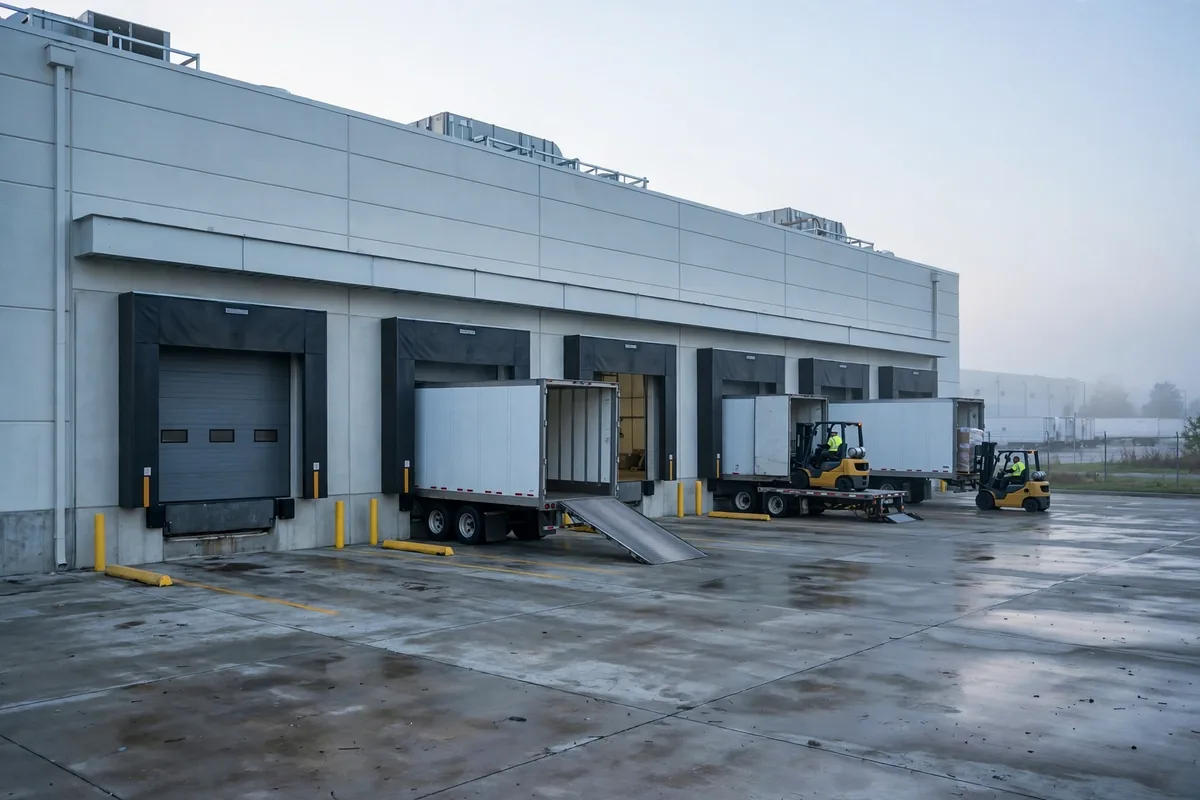
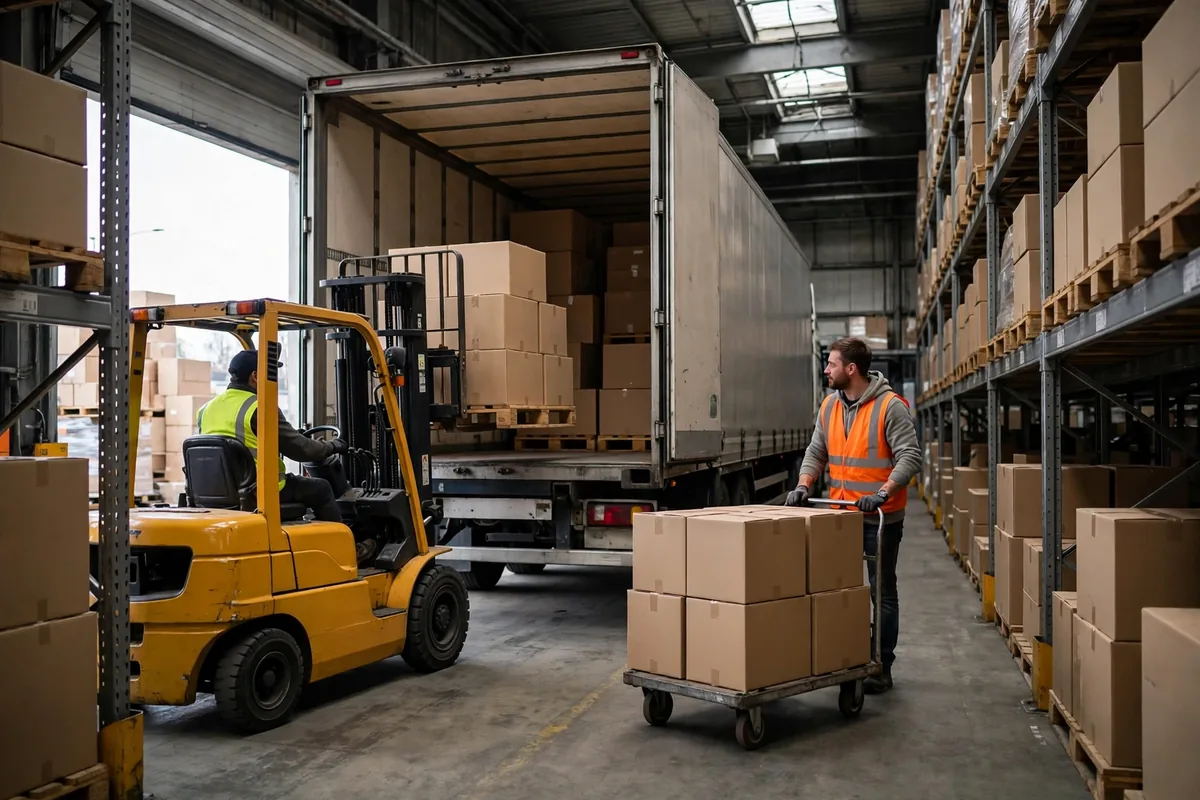
Our building was a long rectangle. Dock doors on one end, high-bay racking on the other, one main aisle down the middle. Sounds fine, right? The trouble was in the details. We had only three dock doors, and on a busy day we took in more than a dozen trucks. Trucks queued. Unpacking, counting, and labeling all happened in a small patch of floor right inside the dock doors. Putaway forklifts had to use that same main aisle to get in and out, and receiving pallets, pallet jacks, and open cartons lined both sides of it. Every time a forklift came through, the driver had to sound the horn, slow down, and weave around obstacles. Each trip took several minutes longer than it should have.
Worse, receiving and putaway run on different rhythms. Receiving comes in pulses. A truck arrives and everything has to happen at once; one truck can take two or three hours to work through. Putaway is continuous. It wants a steady, even flow, moving in sequence by location. Our layout forced both crews into the same aisle, in the same time window, fighting for the same space. Of course they argued. The design made them collide every single day.
I once did a rough count during peak hours. Forklifts were losing more than an hour a day in total to waiting and weaving in that aisle. Over one shift, that is the same as losing a whole forklift operator. We were not spending money on labor. We were spending it on waiting in traffic.
Separate the Receiving and Putaway Flows First, Then Talk About Teamwork
The first change we made was to separate the receiving flow from the putaway flow completely. It sounds simple. Doing it properly took real work.
First, we moved receiving work inward from the dock doors and marked out a dedicated breakdown and counting zone. Pallets were no longer allowed to sit in the main aisle. Counting, inspection, and labeling all happened inside that zone. Only freight that had passed inspection was allowed into the staging area. The staging area itself was marked out by putaway direction: freight heading for the east racking went in one row, freight for the west racking in another. A forklift driver could pull up, look at the zone, and know exactly what to take next. Nobody had to hunt through the building anymore.
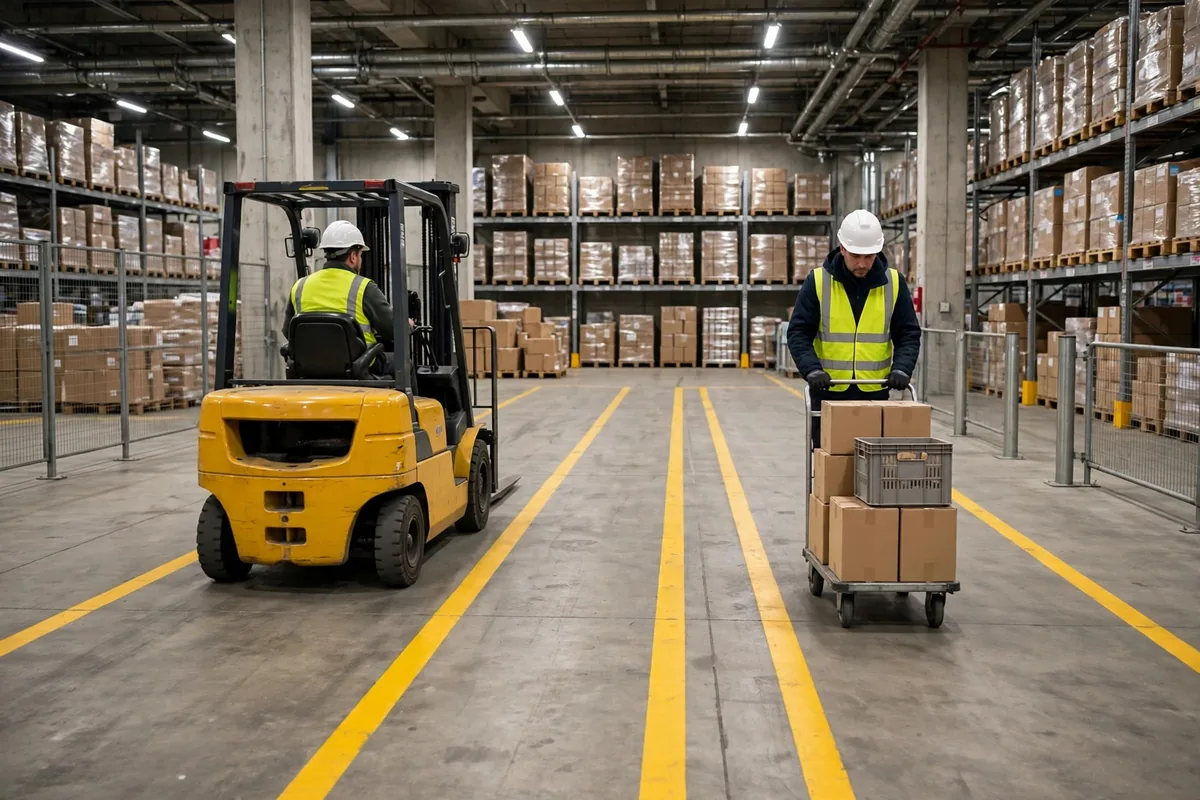
Second, we gave the main aisle back to the forklifts. Pallet jacks and manual handling stayed on side lanes marked along the edges. Once the two flows were separated, forklift speed went up immediately, and the receiving crew no longer had to stop counting every time a forklift needed to pass. Within the first month after the change, the morning congestion between six and nine was basically gone.
One small change worked surprisingly well. We hung a whiteboard at the entrance to the staging area. Every time receiving finished a pallet, someone wrote the destination zone and the piece count on the board. Putaway did not have to walk over and ask anymore. One glance at the board told them what the next trip should be. Do not underestimate a whiteboard. It replaced dozens of shouted questions a day with a single look.
Stagger the Shifts. It Beats Another Meeting.
Once the traffic was separated, there was still a timing clash to fix. Receiving peaks between six and ten in the morning, when trucks arrive in a bunch. If putaway also starts at six with a full crew, the first half of the shift has no freight to move, and the second half has a mountain of it. People get frustrated, and frustrated people argue.
Here is what we do now. Receiving starts at six with a full crew and attacks the trucks and the counts. Putaway starts at six with just two people, clearing the previous day's leftovers, and the full crew comes in at nine to run putaway at full speed. After the morning peak passes, receiving sends one person over to help putaway with labeling and checking. Put plainly, the two teams are not separate crews. They are two steps in one shift, and the steps need a buffer between them. You cannot have them competing for the same resource at the same moment.
The shift schedule is posted on the break room wall. Who starts when, who finishes when, who helps whom, all written down. At first some people did not like being moved around. After a month, they realized they were no longer arguing every day, and overtime had dropped. The complaints stopped.
Write Down Where the Receiving and Putaway Handoff Ends
There is one more thing you have to do: write down the handoff boundary between receiving and putaway, and post it where the two zones meet.
Our boundary is simple. Freight is handed over in the staging area. Receiving owns the count and the condition. If the count is right and the labels are right, they sign the handoff. After that signature, a wrong location or a wrong slot belongs to putaway. If a problem is found before handoff, receiving owns it all the way. They are not allowed to push questionable freight into staging and walk away.
Once that boundary was in place, most of the blame game disappeared. Before, when something went wrong, the two teams spent half an hour arguing about whose fault it was. Now they look at the handoff sheet first. Was it signed? If yes, look downstream. If no, receiving keeps working on it. An argument needs a referee. Without one, you can argue a hundred times and get nowhere.
The boundary is not there to assign blame. It is there so everyone knows where their job ends. The receiving lead told me later that his biggest fear used to be freight coming back to haunt him after he released it. Once the handoff was clear, he actually felt comfortable letting his people count independently.
A Short List You Can Copy
If receiving and putaway fight in your warehouse too, do not start by replacing people. Run through these checks first.
Look at the traffic. Do receiving work and putaway forklifts share the same main aisle? Is the staging area divided by putaway direction? Are pallets sitting in the aisle? If any one of those is true, fix that one first.
Look at the timing. Do both teams start at exactly the same hour? Do the receiving peak and the putaway peak collide? Can you stagger them by an hour or two, so one step has a buffer before the next?
Look at the handoff. Is there a written standard for it? Count, condition, labels, who checks what, where the signature goes? If not, write one page and post it. It will do more good than three coordination meetings.
Let me be straight: most team conflict in a warehouse is not a character problem. It is a process and a layout that turned colleagues into rivals. Separate the roads, stagger the hours, write down the boundary, and the two teams go back to being partners. After we made those changes, the receiving lead and the putaway lead started eating lunch together. Before that? They used to roll their eyes every time they saw each other.
So here is my question for you. In your warehouse, are the receiving and putaway flows separated, or are they still squeezed into the same space?
By Chen Feng, Warehouse Operations Manager