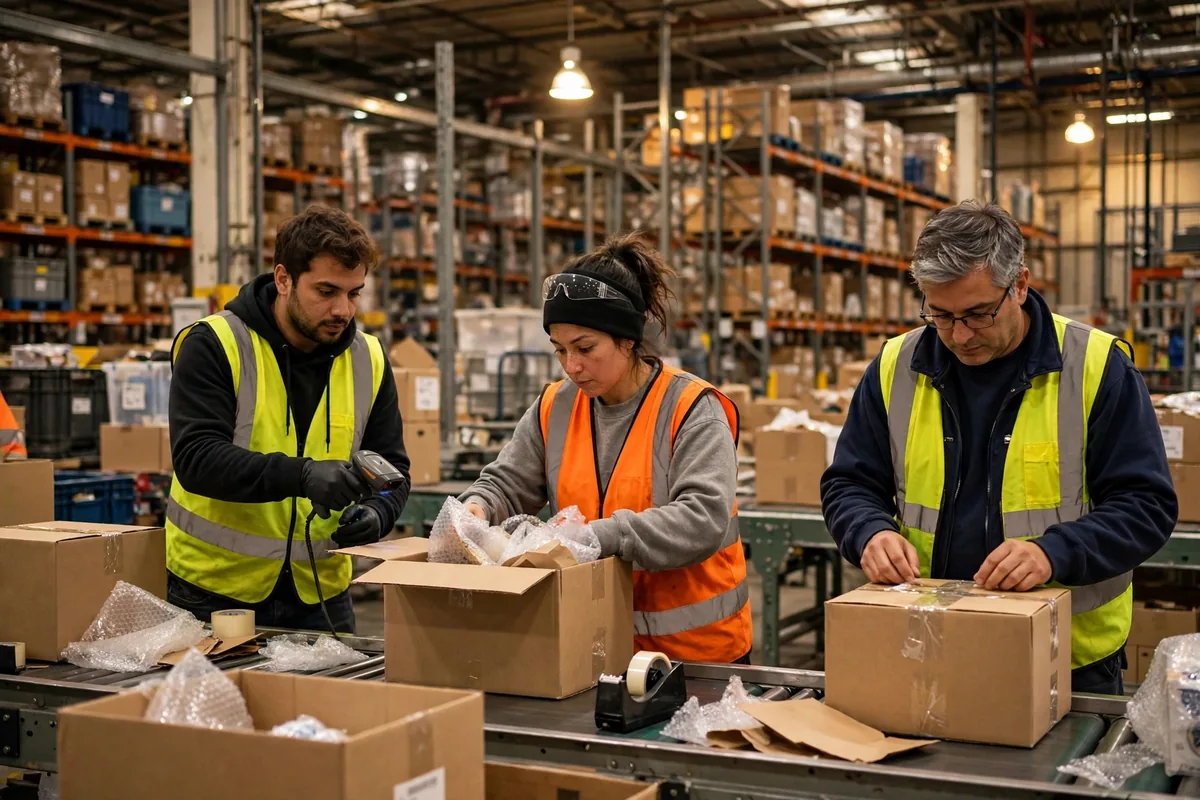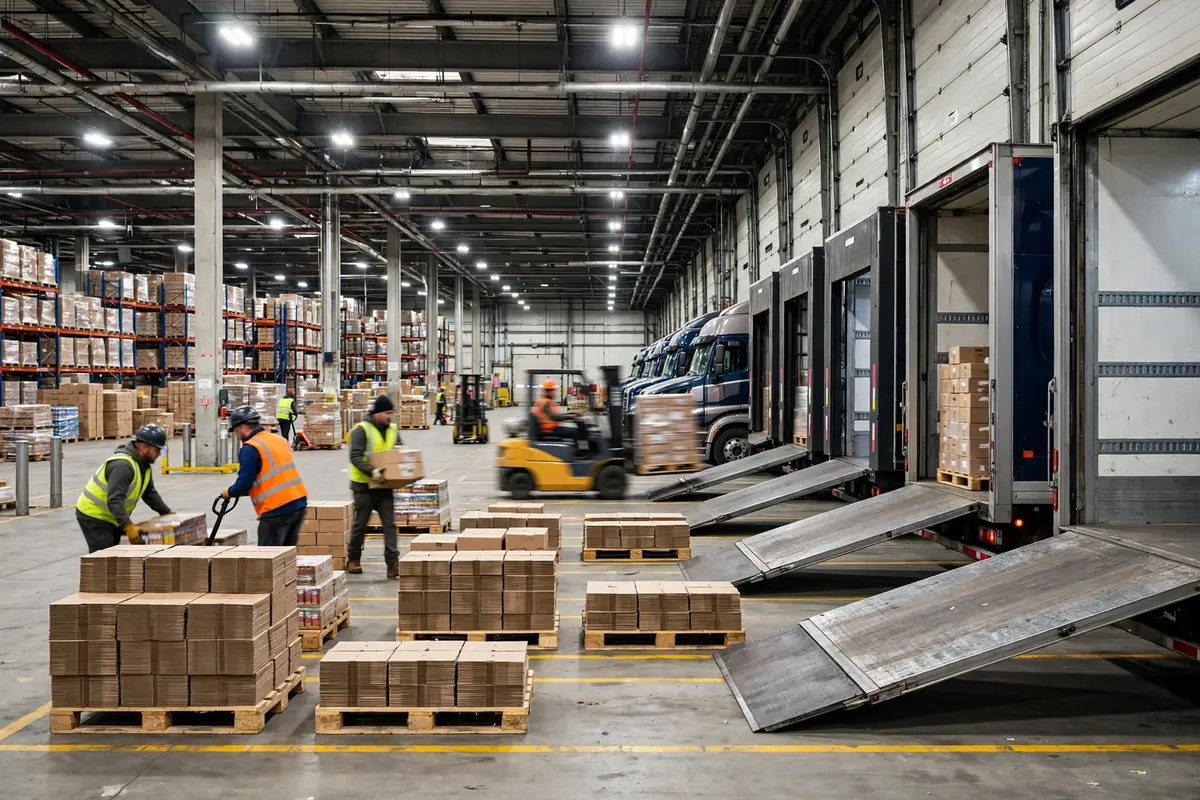
Warehouse receiving dock congestion rarely starts with a dramatic failure. It starts with one truck too many at the wrong door, one pallet left in the wrong lane, and one shift that runs out of decisions before it runs out of work. Let me give you a night I still remember. It was a Tuesday at 2 a.m. during peak season, and I stood at the warehouse gate counting trucks. Nine trucks were lined up along the access road outside. All six dock doors inside were occupied. Forklifts could not turn around in the staging area. Drivers were asleep in their cabs. My receiving crew stood between pallets holding paperwork, unsure which truck to unload first. The hardest part was not the volume. It was that nobody wanted to make the call. Unload the wrong truck first and you delay the right one. Wait, and every truck behind it waits too. So everyone waited for someone else to move first.
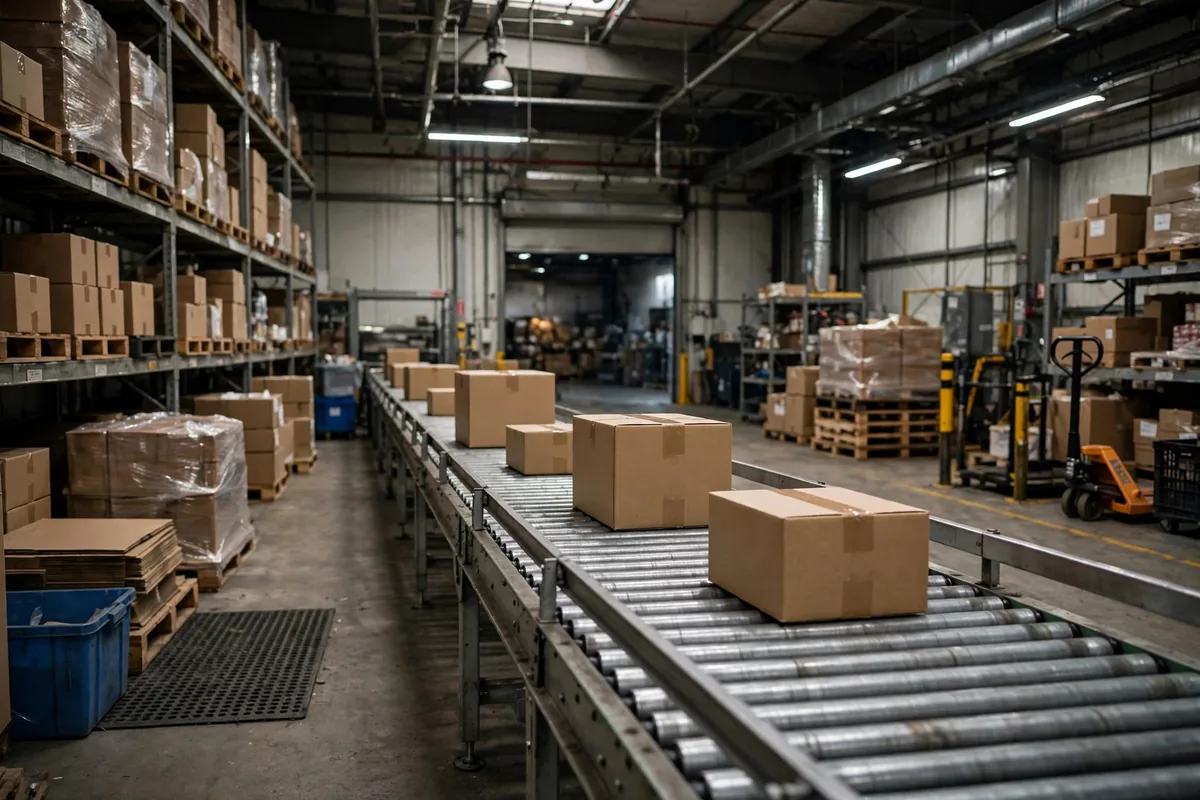
That warehouse was not small. Six dock doors, three staging lanes, and a normal day of a dozen or so inbound trucks ran fine. Peak season pushed inbound volume to more than thirty trucks a day, and every weak point showed up at once. The first wave arrived at 7:30 a.m., the second at 10 a.m., and two unscheduled supplier trucks squeezed in between. Doors ran out, trucks queued outside, and the queue blocked the yard road, so outbound trucks and forklifts slowed down too. Staging was worse. Unloaded freight had nowhere sensible to go, and once it was stacked out of sequence, nobody could find the shipment that needed putaway first. Pickers came into staging to hunt for stock while receivers tried to push more freight in, and the two groups walked straight into each other in the same aisle.
How warehouse receiving dock congestion builds, hour by hour
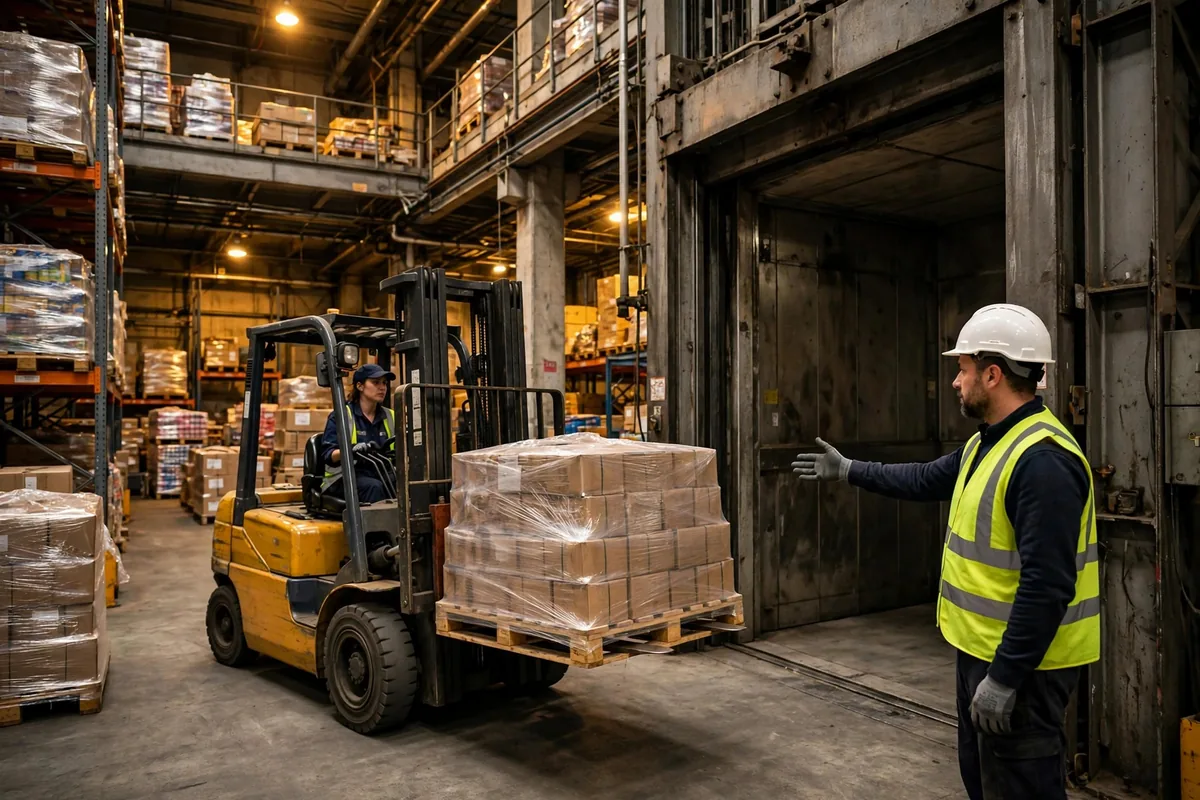
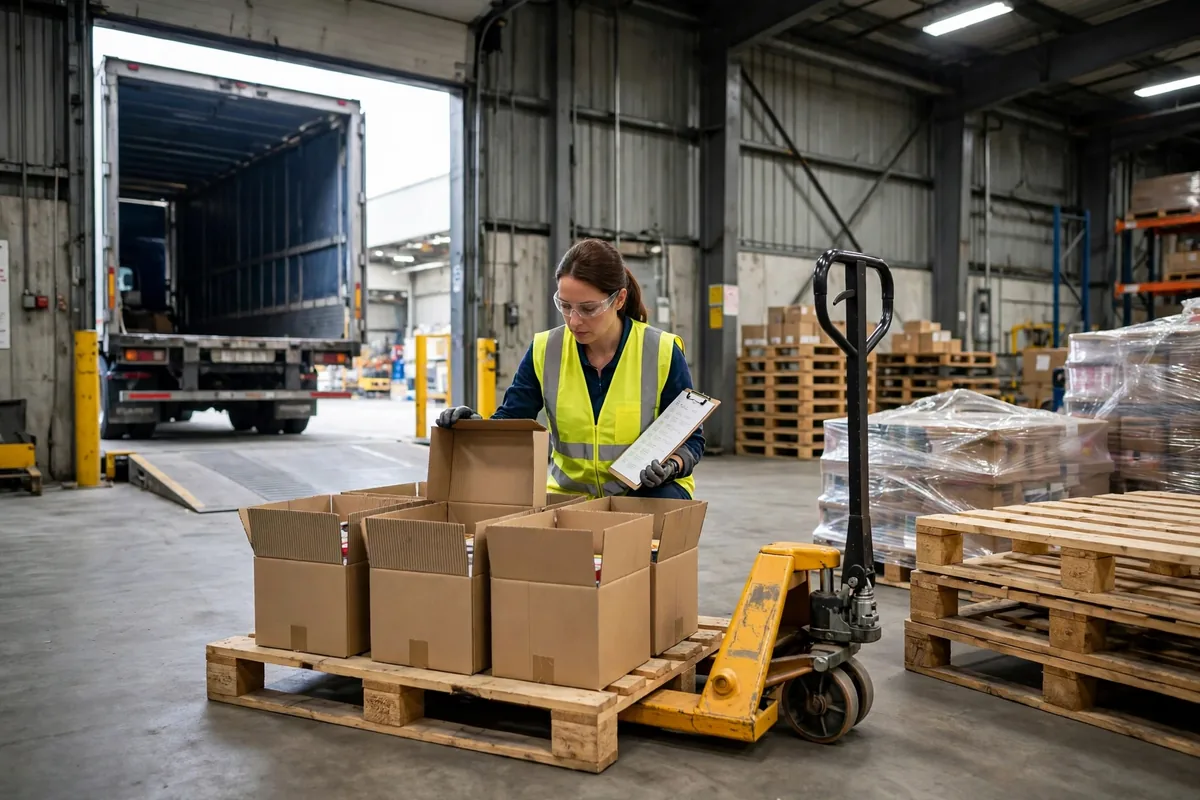
The first link in the chain is the dock door itself. We used to unload on a first-come, first-served basis. It sounded fair and it was a mess. A truck full of large appliances could tie up a door for two hours while a truck of small parcels waited outside. Drivers came down to argue, receivers tried to answer them while checking paperwork, and one paperwork error meant recounting a whole load. The hardest trucks were the early ones. A truck booked for the afternoon would show up in the morning, find no open door, and sit in the yard blocking traffic. Turning it away felt wrong after a long drive. Letting it in meant staging had to absorb freight it had no room for.
The second link is staging. Freight off a truck is not freight in a location. When staging lanes have no assigned purpose, freight gets stacked in unload order, and finding one urgent shipment means moving three pallets stacked on top of it. I remember one night when four workers spent over forty minutes hunting for a fast-moving product that picking needed urgently, only to find it buried under two pallets of quarantined goods. Picking waited until the night shift handover, orders did not ship, and customer service calls started the next morning. The cost of messy staging never shows up in the moment. It shows up in every downstream step that has to pay for it later.
The third link is putaway. Putaway staffing was set for a normal day, so when inbound volume doubled, putaway fell behind and staging filled up. Worse, putaway had no priority order. Workers put away whatever was closest, so urgent stock sat in staging while routine stock went to locations first. When picking orders dropped, the needed stock was still sitting in staging, so we rushed emergency putaway jobs that wrecked the original plan. Every morning meeting turned into the same argument: was receiving slow, or was putaway slow? Both teams were right about their own step. The real problem was that nobody owned the handoffs between steps, and each step was only trying to be fast on its own.
Clearing warehouse receiving dock congestion in three moves
The fix we landed on was not complicated. The key was treating doors, staging, and putaway as one line instead of three teams doing their own thing. First came dock scheduling. Every afternoon at 4 p.m., the receiving supervisor built next day's door plan from the inbound forecast: large freight took two doors, small parcels shared one, and unscheduled trucks got a single midday window when a door was expected to free up. Drivers checked in at the window and received a number with a door and an estimated start time. If their time had not come, the window told them how long the wait would be instead of leaving them to guess. Driver complaints dropped sharply, receivers could focus on checking paperwork, and counting errors fell with them.
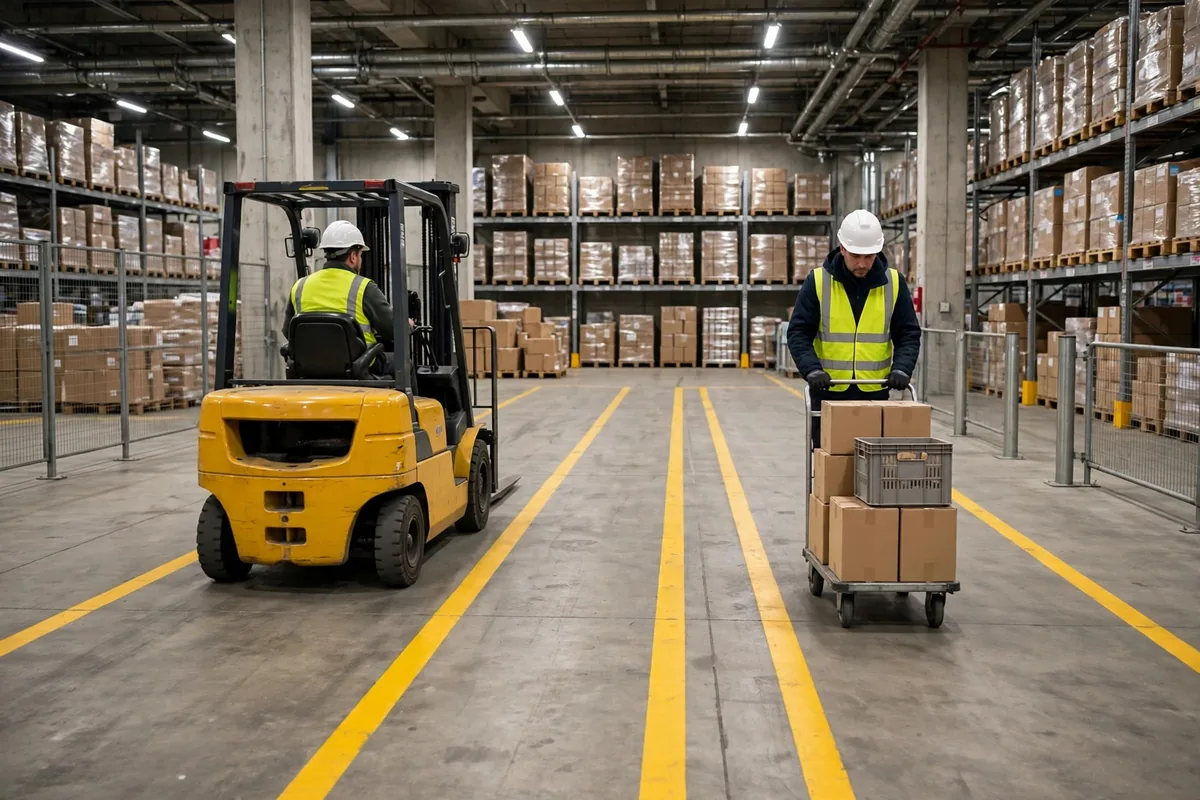
Staging lanes came second. We split the three lanes by purpose: one lane only for same-day urgent freight, one for routine freight, and one for inspection and exception freight, placed closest to the quality check area. Colored tape marked the boundaries on the floor, and every pallet card showed the shipment number and priority, so anyone could see at a glance where a pallet belonged. Dividing lanes looked like extra work, and in practice it saved the time we used to spend digging for freight. The urgent lane had to be empty by end of shift. Anything left in it required the shift supervisor to state the reason on the spot, whether it was staffing or a location shortage, and reasons were not allowed to roll over to the next day.
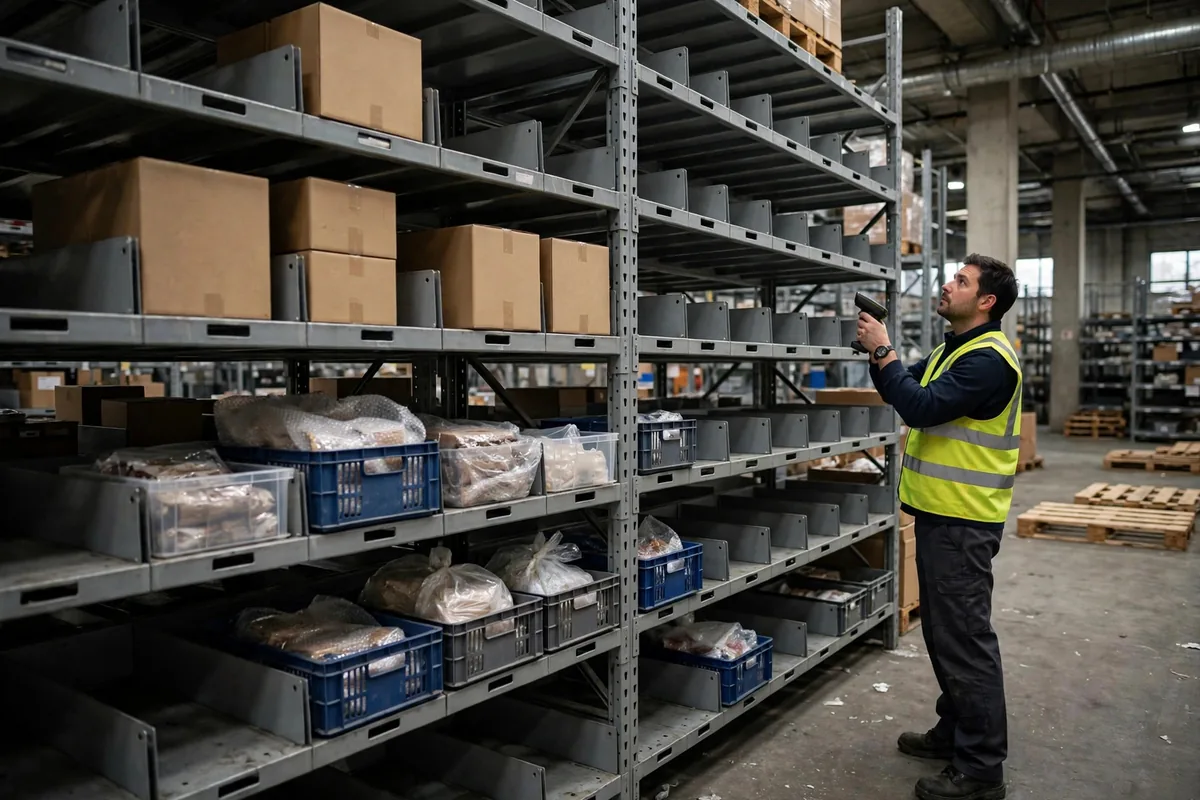
Putaway changed in the most counterintuitive way: we deliberately slowed each putaway trip down slightly, but made the sequence strictly priority-based. Every morning at 9 a.m. we issued a putaway sequence list, with stock needed for outbound orders and nearly empty locations at the top, and routine freight ordered by arrival time. Workers stopped deciding for themselves what to put away next and just followed the list. At first some people thought slowing down meant slacking off. After two weeks the picture was clear. The old way looked fast, but putaway in the wrong order created rework, and rework cost more time than the slower pace ever did. With rework nearly gone, staging cleared every evening, and the morning shift no longer started its day inside yesterday's backlog.
| Step | Where it jammed | What we do now | What it costs | | Dock doors | First-come unloading, big freight blocking doors | Time-slotted door plan, numbered driver check-in | Half an hour each afternoon to plan the next day | | Staging | Mixed stacking, hunting for freight | Three lanes: urgent, routine, exception | Floor markings and pallet cards need daily upkeep | | Putaway | Nearest-first putaway, urgent stock left behind | Daily 9 a.m. priority sequence list | Each trip is slightly slower, rework nearly disappears |
Three checks that now close every shift
First, count the doors. Is tomorrow's first wave assigned to doors, and is there a window reserved for unscheduled trucks? Nobody goes home until that plan exists. Second, clear the urgent lane. If anything is still in it, the duty supervisor states the reason and the time it will clear tomorrow, in the group chat, before leaving. No vague promises allowed. Third, check tomorrow's putaway list. Is it ordered by outbound need, and are nearly empty locations flagged in advance? Each check takes under ten minutes, but skipping any one of them guarantees the same jam in the same place the next morning.
That is the part of warehouse receiving dock congestion most managers miss: peak season does not punish warehouses for being busy. It punishes them for having nobody watching the whole floor. Each team can honestly say its own step worked hard, yet freight still stalls exactly where one step hands off to the next. So the duty manager walks all three areas every day, dock doors, staging, and putaway, and looks with their own eyes at where freight is standing still. Paperwork totals will not tell you that. Standing freight will. If you run a warehouse heading into peak season, start there. Fix the handoffs before you buy more doors or hire more hands, because a jam that lives between teams cannot be solved inside any single one of them.
By Chen Feng, Warehouse Operations Manager