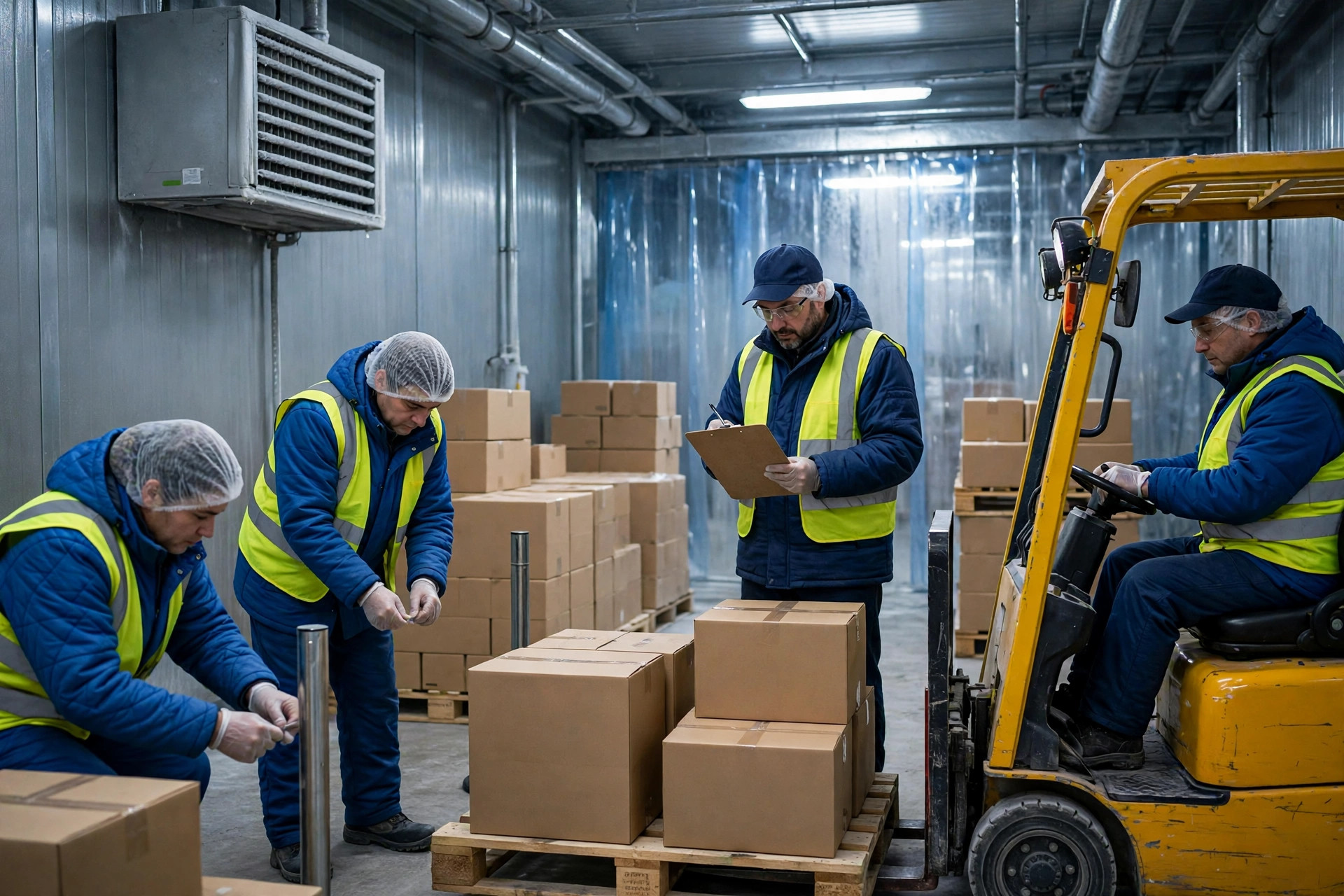
Excerpt: Warehouse recall drill traceability is not a paperwork exercise. This is a trucker's-eye view of how a food or pharma warehouse finds every unit of a bad lot inside two hours, where the chain usually breaks, and how to run a drill worth doing.
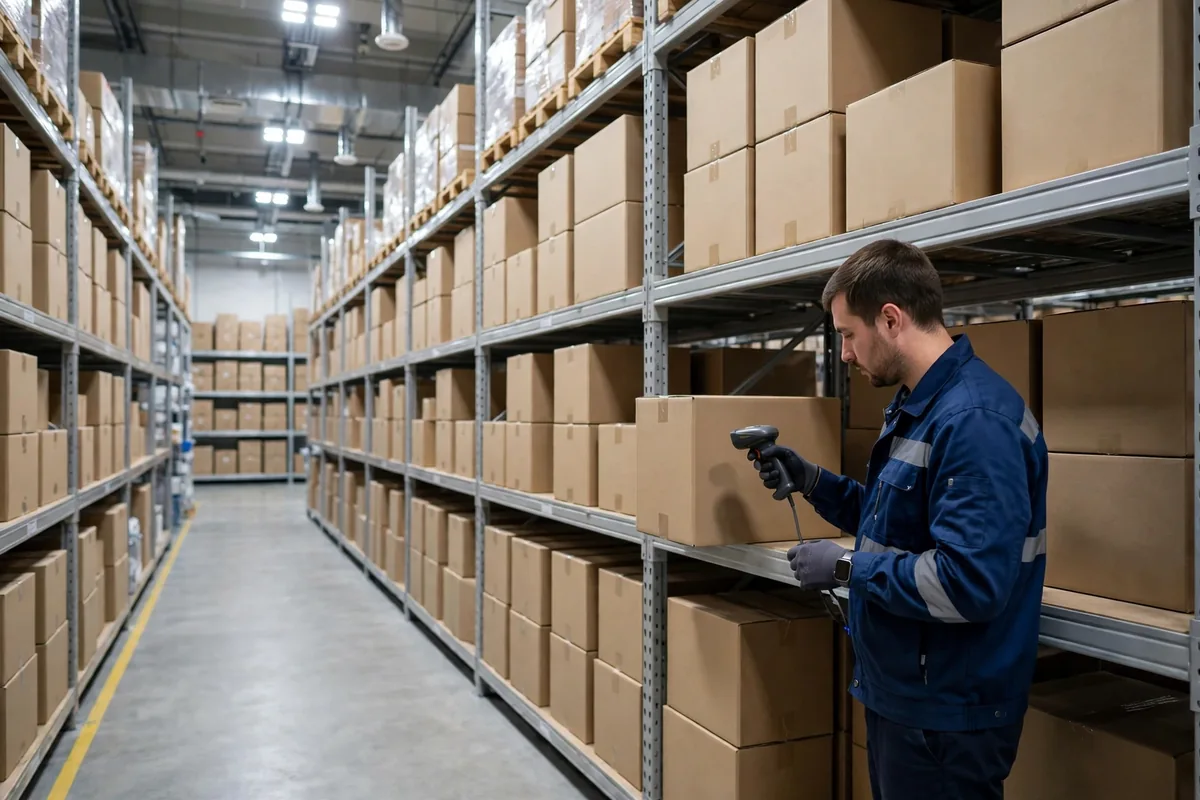
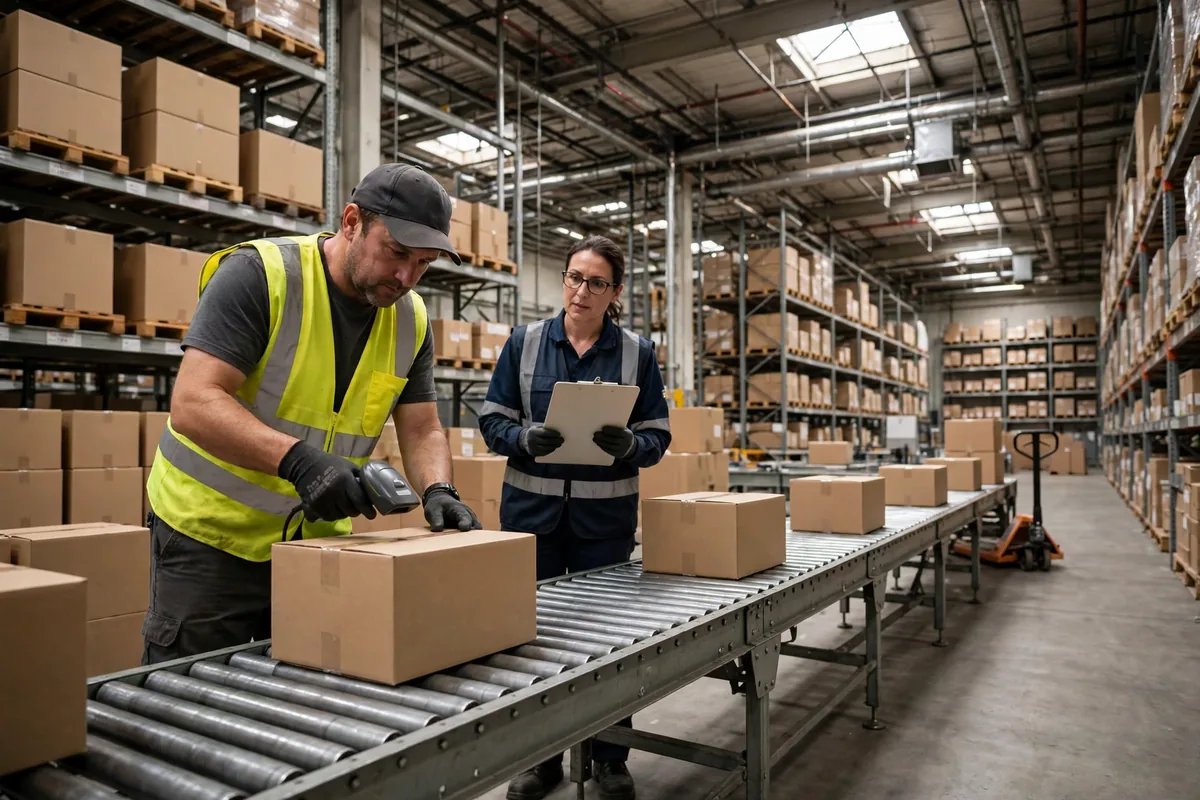
Let me tell you something after all these years on the road: the thing I dread most is not traffic. It is pulling up to a warehouse dock and being told today's load is not moving. I once delivered to a food warehouse in California early in the morning, and right as I backed into the dock, the announcement came over the speaker: drill in progress, everybody stop what you are doing. The dock supervisor walked the aisles with a printed list, checking lot numbers one pallet at a time. A job that should have taken half an hour to unload stretched to nearly two hours at the gate. The other drivers were fuming in the group chat. Me, I thought the place had something: a warehouse that can stop everything that fast has a fighting chance when it is real.
What stuck with me was not the speed. It was the mess. One location number on the supervisor's list had been corrected by hand, and two people argued for a long while over which row of racking held the lot on the sheet. The handwritten correction turned out to be right, and the system had never been updated. They found the goods in the end. But I kept thinking: if that had been a real recall, with customers already on the phone, and the warehouse was still arguing over a location number, that is a bad place to be.
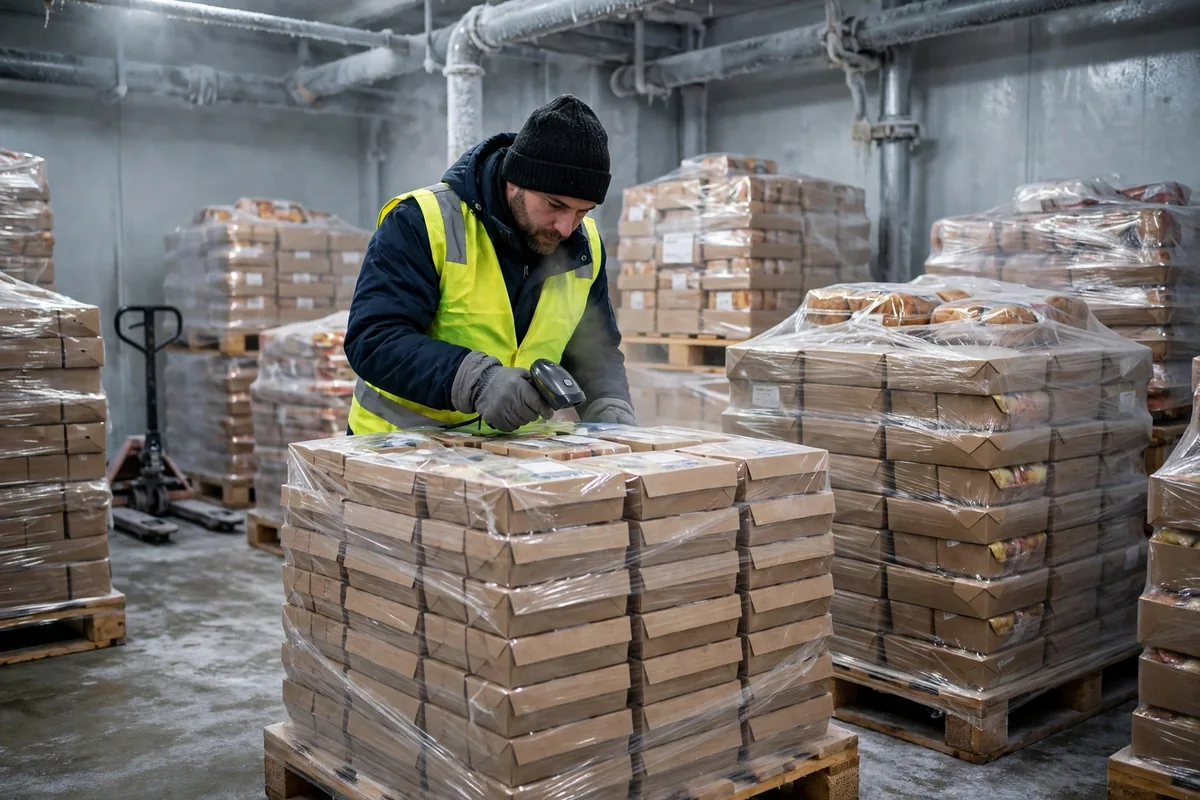
A warehouse recall drill comes down to one job: within a set window, find every single unit of the problem lot, and make sure it cannot move. Food and pharma warehouses feel this hardest, because once product gets out the door, getting it back costs far more than anyone in the building wants to admit. Two hours is not a number someone made up to sound strict. It leaves room for the whole chain: locate, isolate, notify, and review. If you burn the whole window just finding the goods, the notification and the review get faked.
Warehouse Recall Drill Traceability Starts With a Timetable
Most drills fail not because people are lazy, but because nobody wrote down a timetable in advance. People start on gut feeling, drift through the first hour, then realize time is gone and call it done, with one pallet still unchecked and nobody brave enough to say so. A timetable does not need to be fancy. One sheet of paper works, as long as each time block has exactly one job and a person's name next to it, not just a job title.
| Time block | Job | Owner |
|---|---|---|
| First 30 minutes | Locate every location and in-transit quantity for the lot, and list them | Inventory lead |
| Next 30 minutes | Isolate the lot, tag it, and lock outbound moves in the system | Floor supervisor |
| Next 30 minutes | Work the notification chain, and log each person's reply time | Warehouse manager |
| Final 30 minutes | Review what broke, and write down three fixes | Everyone |
The beauty of this sheet is that nobody waits around for orders once the drill starts. Every driver knows the same truth from the dock: the worst part of a busy dock is not the workload, it is nobody telling you what to do right now. A drill sheet on the wall beats a half-hour pep talk. Hand the sheet out a day early, night shift and part-timers included. A surprise drill tests how fast people assemble, not how well they can trace a lot. The point of practice is to make the steps familiar, so that when the real thing hits without warning, someone still knows the first move.
Where Warehouse Recall Drill Traceability Usually Breaks
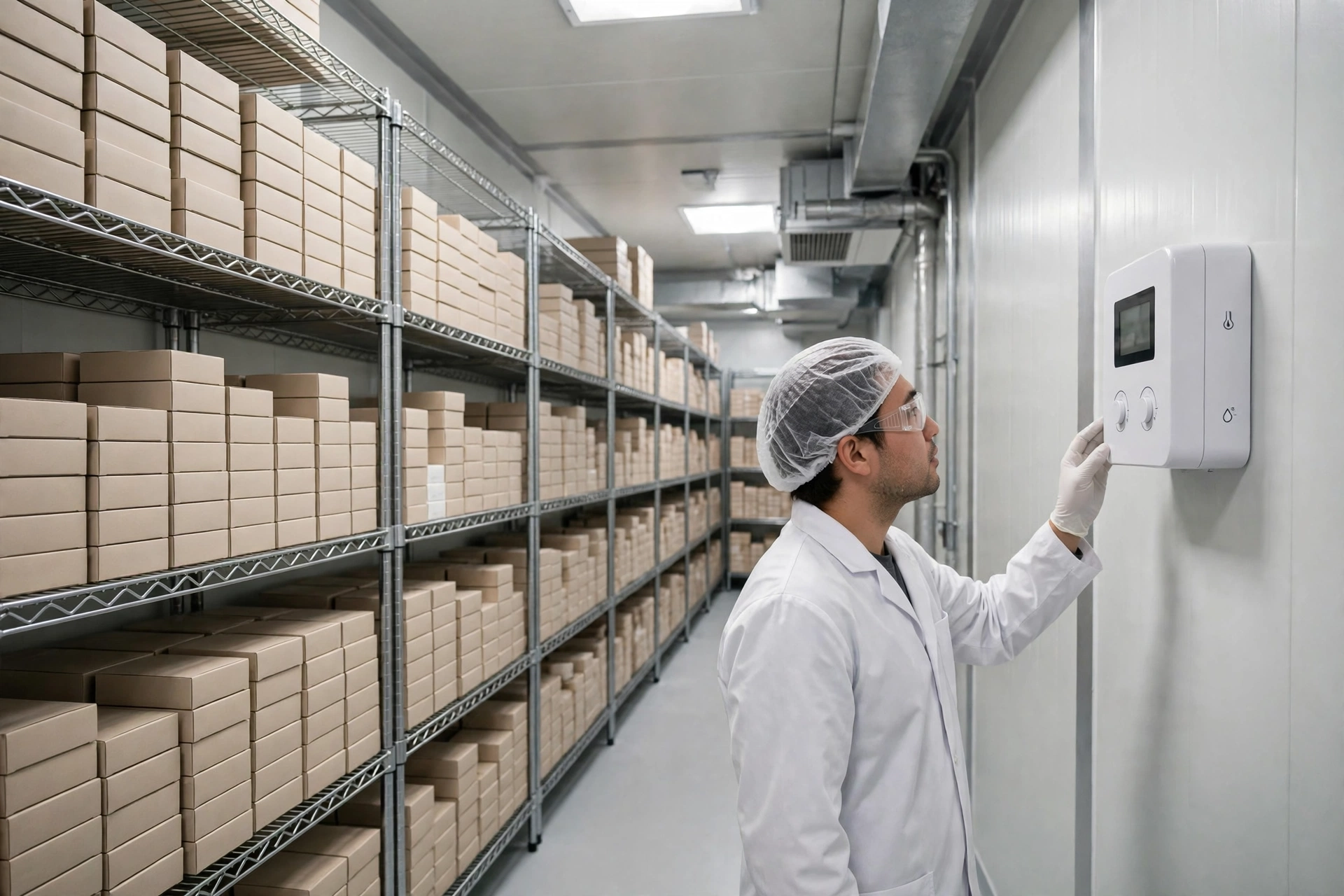
The second story comes from a pharma warehouse gate, and that one was not a drill. It was a real lot that had to be isolated. I arrived at night to a building lit up like daytime, forklifts running back and forth, and a supervisor on the dock checking order numbers with drivers one by one. They handled it. But watching that night taught me three lessons I have never forgotten.
First, the lot number on the goods does not match the lot number in the system. A pallet label applied wrong, or one digit mistyped at receiving, and the search team ends up turning over a whole row of racking. Drills exist to shake these mistakes out. Every shortcut at receiving gets paid back double at recall time.
Second, nobody owns the goods in transit. The warehouse stock gets found, but there is still a truck on the road carrying the same lot, and nobody has counted it. Plenty of drills only count what sits inside the four walls and forget in-transit and shipped-but-unconfirmed quantities. The notification chain has to include transport, or you find out too late that a load arrived at a customer's door that should never have been sent.
Third, isolation gets done halfway. The goods get taped off, but the outbound permission in the system stays open, and the night crew, not knowing what is going on, nearly picks the lot for a normal order. Isolation means two things at once: physically it cannot move, and in the system it cannot ship. Do only one half and you have done nothing.
All three breaks come from the same root: small things nobody fussed over in normal times. Receiving labels, system permissions, in-transit records. On a normal day they are quick chores. On recall day they are the whole game.
A Smooth Drill Should Make You Suspicious
Here is a judgment that might sound wrong: when a drill goes perfectly, and I mean suspiciously smooth, I start asking questions. I am not being difficult. The road teaches you this. A smooth drill has two possible causes. One is that the team is genuinely ready. The other is that the test was too easy. Plenty of warehouses drill with a lot they picked in advance, sitting in a few obvious locations, and of course it gets found fast. A real recall lot is usually the awkward kind, split across zones and mixed into different pallets.
So my advice is to make each drill harder in a different way. This time drill a lot stored whole in one zone. Next time drill split-case goods mixed across locations. This time drill with a full day crew. Next time drill with half a night crew. Keep the two-hour target the same, and raise the difficulty. A drill that hurts a little in practice is what keeps you calm when it counts. A drill that uses the same easy question every year and scores full marks every year is no drill at all.
There is also a trade-off to think through honestly: do you stop the line for the drill or not? Stopping the line is the most realistic. Everyone stops and traces, and the process gets walked end to end, but that day's outbound plan slips. Running the drill without stopping keeps shipments moving, but the search team is short-handed and the clock gets soft. My view is to stop the line at least once a year and use tabletop walkthroughs the rest of the time. For a stopped-line drill, warn customers ahead of time.
A Review That Fits on Three Lines
The worst way to end a drill is a two-hour meeting that lists a pile of problems and leaves nobody remembering what to fix. My rough method is this: the review records exactly three fixes, each with what changes, who changes it, and by when. If label checks need to change, they go into the receiving checklist. If system permissions need to change, the person who runs the system writes it down on the spot. If someone on the notification chain could not be reached, swap in a backup contact.
Next drill opens by checking those three fixes. If they are not done, the new drill starts there. Its whole value sits in the few things that actually got fixed. Regulatory requirements differ by place and product, so the warehouse's own procedure never replaces the rules: check the official regulator guidance for the latest requirements before you lock your drill plan in.
After all these years behind the wheel, I believe one plain truth: goods can be found again, but a reputation cannot. Tracing every lot inside two hours is not about speed. It is about having the nerve to stay organized when things go wrong.
By Shifu Zhao, Trucking Veteran (15 yrs)