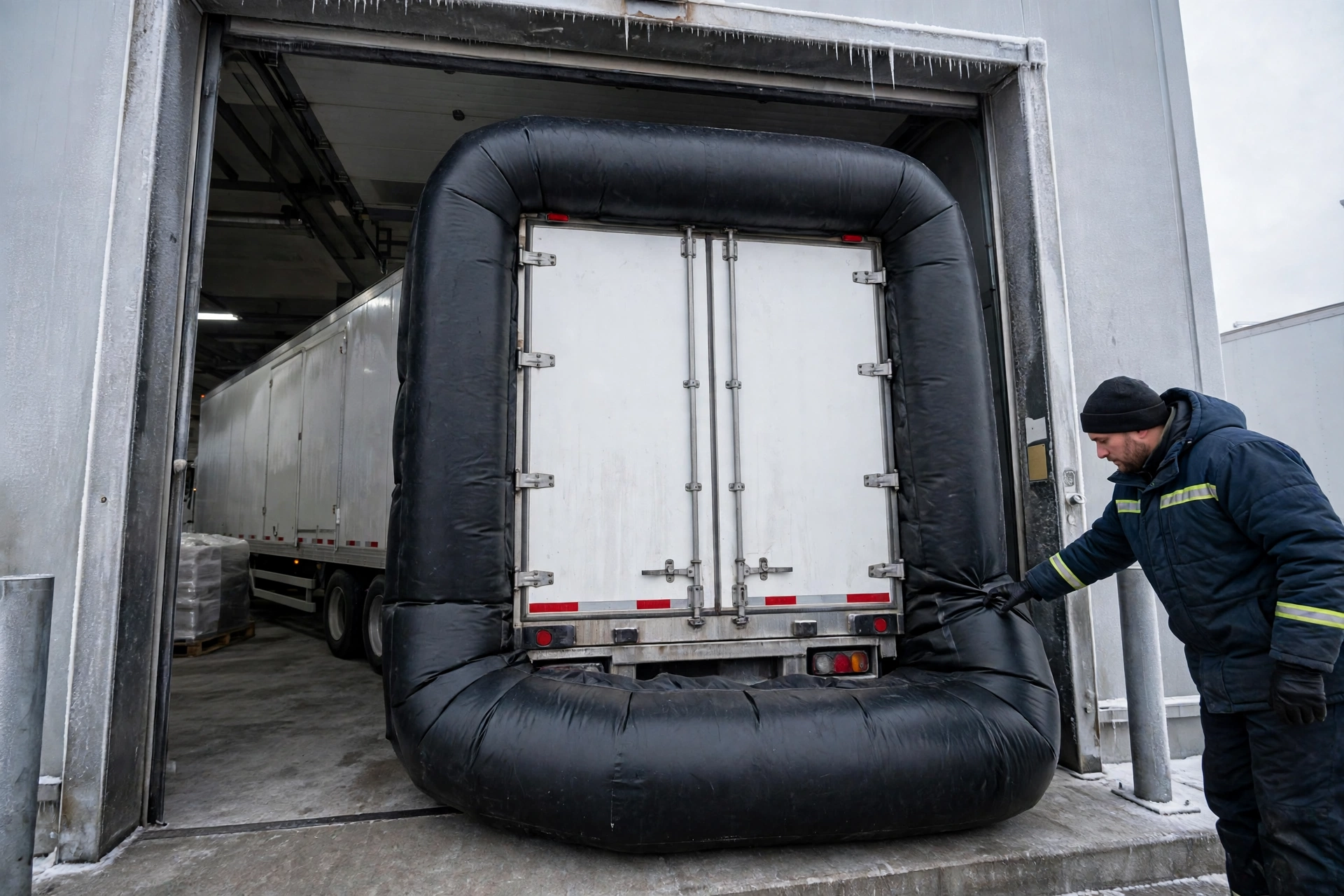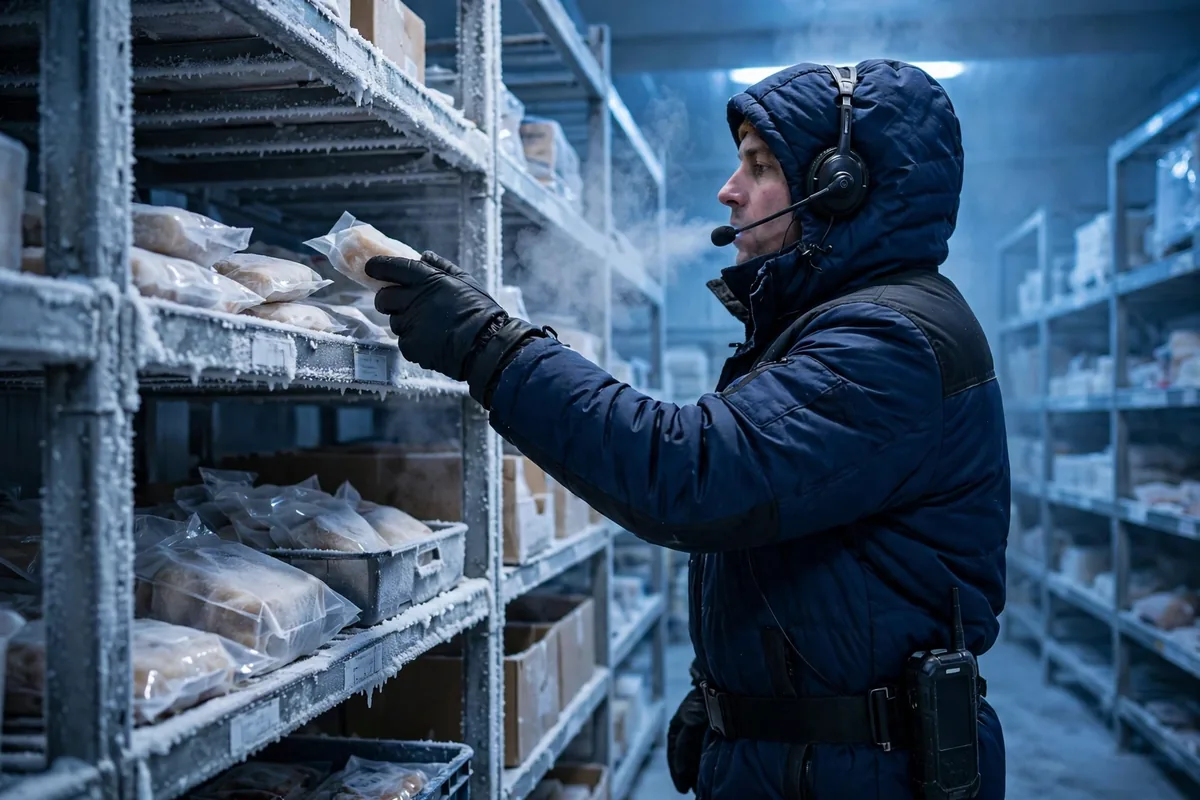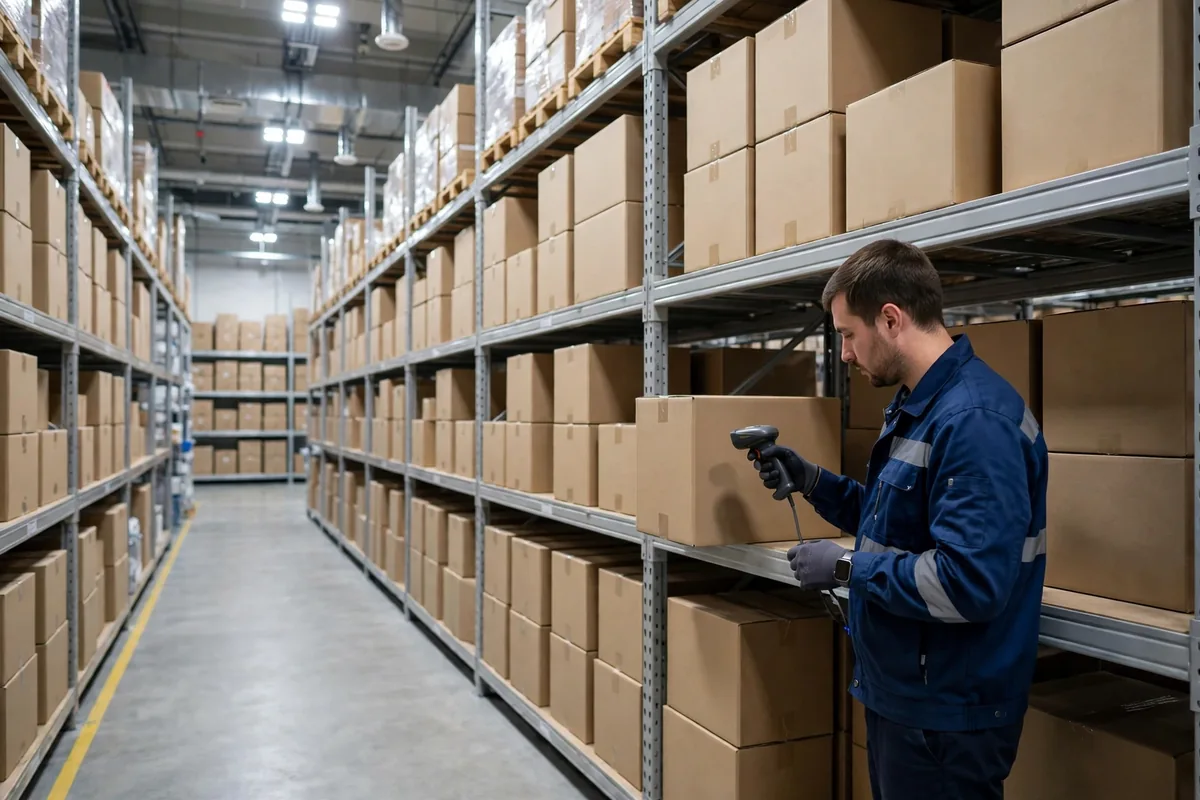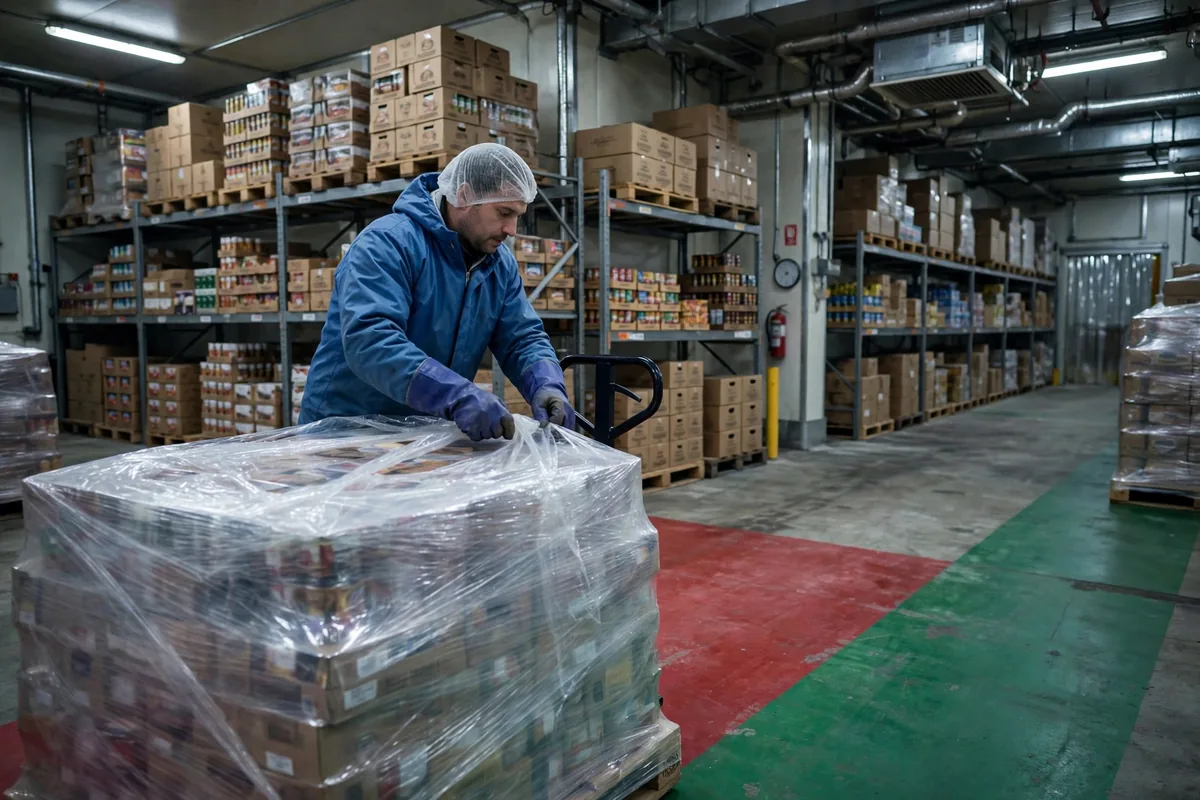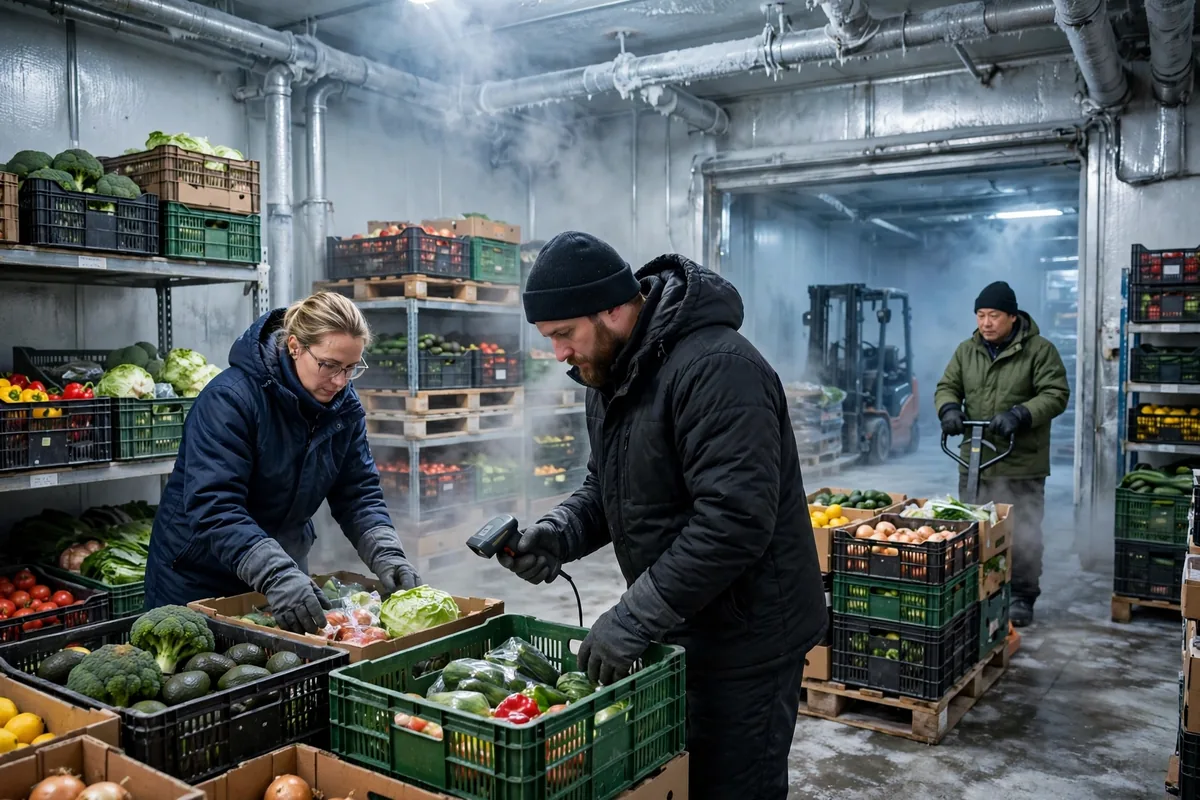
It was 6:10 in the morning. I had just walked into cold storage, and three trucks were already waiting at the dock, two of them carrying leafy greens. That is exactly the kind of freight the FSMA 204 food traceability rule covers. Drivers waited to unload, the receiving clerk worked through the paperwork truck by truck, and I stood there thinking one thing: if the lot code on this freight does not match up on the day it ships out, we are in trouble. Everybody in food warehousing has heard the name of this rule. Far fewer know what it changes on the ten meters of concrete at the receiving dock.
The timeline first, because that is the news in this story. The FSMA 204 food traceability final rule was published on November 21, 2022. The original compliance date was January 20, 2026. That date has now been pushed back to July 20, 2028, with Congress barring the FDA from enforcing the rule before then. When the delay was announced, a lot of people in our warehouse breathed a sigh of relief. I get it. But that relief came too early. The delay moved the enforcement date, not a single requirement in the rule. Your customers will only ask for traceability sooner, not later, and anyone who waits until July 2028 to start will find the clock runs out fast.
What FSMA 204 Changes at Receiving, Labeling, and Putaway
The rule covers foods on the Food Traceability List, the FTL: leafy greens, tomatoes, soft cheeses, shell eggs, finfish, crustaceans, molluscan shellfish, and ready-to-eat deli salads, among others. If your warehouse handles that kind of freight, this rule has your name on it. It requires records for seven Critical Tracking Events, the CTEs: harvesting, cooling before initial packing, initial packing, first land-based receiving, shipping, receiving, and transformation. Each event needs its Key Data Elements, the KDEs, and a Traceability Lot Code, the TLC, ties the whole chain together. Records must be kept for two years. When the FDA asks for them, you have 24 hours to hand them over.
In warehouse language, that means three jobs change a little each: receiving, labeling, and putaway. At receiving, you check quantities and temperatures, and you check whether the TLC is right and lines up with the KDEs on the paperwork. At labeling, the code cannot be something only your own team understands. The next stop down the chain has to scan it and know what it is, and when the lot changes, the code changes with it. At putaway, the location record has to be tied to the lot. "Leafy greens in Zone A" is not a record. "This lot of leafy greens, third row, second level of Zone A" is a record. Brothers, those three changes do not add much work to the day. What they add is a habit: leave a trace every time you touch the freight. Without it, the day the FDA gives you 24 hours, what you hand over will be a pile of paperwork that does not match up.
A winter morning shift made the point for us (illustrative scenario, figures shown for illustration): a refrigerated truck carrying leafy greens arrived at 6:30. The lot code on the driver's paperwork was missing a digit. The receiving clerk did not catch it. The freight was unloaded, tagged with our internal code, and put away like any other day. Three days later, a customer asked for the traceability record on that lot, and the external lot code and our internal code did not match at all. Two people spent most of a day opening cases one by one to reconstruct where that freight had gone. Nothing bad came of it. That was luck, not a system. After that, we set a hard rule: if the lot code does not match, the truck does not unload. A driver waiting half an hour beats the whole warehouse turning boxes inside out. It looked rigid. Three months in, wrong codes at the receiving dock had all but disappeared.
The FSMA 204 Deadline Moved to July 2028. Do Not Read That as a Free Pass
The delay is easy to misread. Plenty of people figure July 20, 2028 is far away, so the system can go in slowly and the process can change slowly. In a food warehouse, that is the most dangerous assumption you can make. First, the FDA may not be pushing you, but your customers will. The big grocery chains and foodservice buyers tighten their audits every year, and they will not wait until 2028 to ask for your traceability records. Second, traceability is not something you buy. It is the daily work of the receiving clerk, the labeler, and the forklift driver, added up over months. If their habits do not change, a new system is just furniture. Third, records must be kept for two years, so by the July 2028 compliance date you want nearly two years of complete records already in hand, not a filing system that started in June 2028.
The counterintuitive part: the 24-hour rule is the real teeth in FSMA 204, not the July 2028 date. When the FDA asks for records, you have 24 hours to produce them. That tests not whether you own a system, but whether your records can be pulled out of the warehouse and assembled into one unbroken chain within a day. A lot of warehouses do not lack records. Their records are scattered: receiving paperwork at the desk, labeling records on a computer, putaway locations in a forklift driver's head. When the 24 hours run out and the chain does not connect, the rule might as well not have been followed. That is why we run a 24-hour drill every quarter. The drill is not about the system. It is about the people.
Now the money, starting now versus waiting until 2028 (hypothetical calculation, figures shown for illustration):
| Start now, change over two years | Wait and rush it in early 2028 | |
|---|---|---|
| Process change | One step at a time, adjusted as we go | All three steps at once, during peak season |
| Training | New hires learn the new process from day one | Everyone crammed at once, old habits hardest to break |
| Records built up | Nearly two years of records by compliance day | Records barely started on compliance day |
| Risk | Problems surface with time to fix them | One problem lands right on the compliance date |
The conclusion is already clear. Starting early means paying in installments. Starting late means paying all at once, with a "might not make it" risk attached. A food warehouse rushing is a food warehouse making mistakes, and mistakes here land on food safety.
How We Meet FSMA 204 in Our Warehouse Now
Enough theory. Here is what we actually do now. Three rules, no more.
Rule one: at the receiving dock, a TLC that does not match means no unloading, and a KDE with a missing item means no signature. Drivers complained at first, and so did the receiving clerks. Two months in, the suppliers fixed their own paperwork, because nobody wants their truck sitting at the dock.
Rule two: labeling and putaway are locked together. Lot changes, code changes. Code goes on, code gets scanned, and only then does the freight go up on the rack. The putaway record has to carry the lot and the location; missing one means the job is not done. This runs on habit, not software. Software can only record what you scan into it, and if you do not scan, it has nothing.
Rule three: every quarter, a 24-hour drill. We pick a lot of FTL food at random and trace it from receiving all the way to shipping, to see whether we can build the full chain inside 24 hours. The first drill took two days. The second took a day and a half. Now we usually land inside a day. The drill is for us, not the inspectors.
One reminder for fellow operators. FSMA 204 being pushed to July 2028 sounds like good news. In practice, it is a window to do the job properly. Do not wait until June 2028 to remember this rule exists. By then, a system can go in overnight and a process can change overnight, but two years of records cannot be created overnight, and neither can your team's habits. This weekend, take one afternoon. Pick a lot of leafy greens or tomatoes at random and trace it from receiving down to shipping. See whether your chain holds or breaks. If it holds, you are already ahead. If it breaks, you still have time to fix it.
By Chen Feng, Warehouse Operations Manager