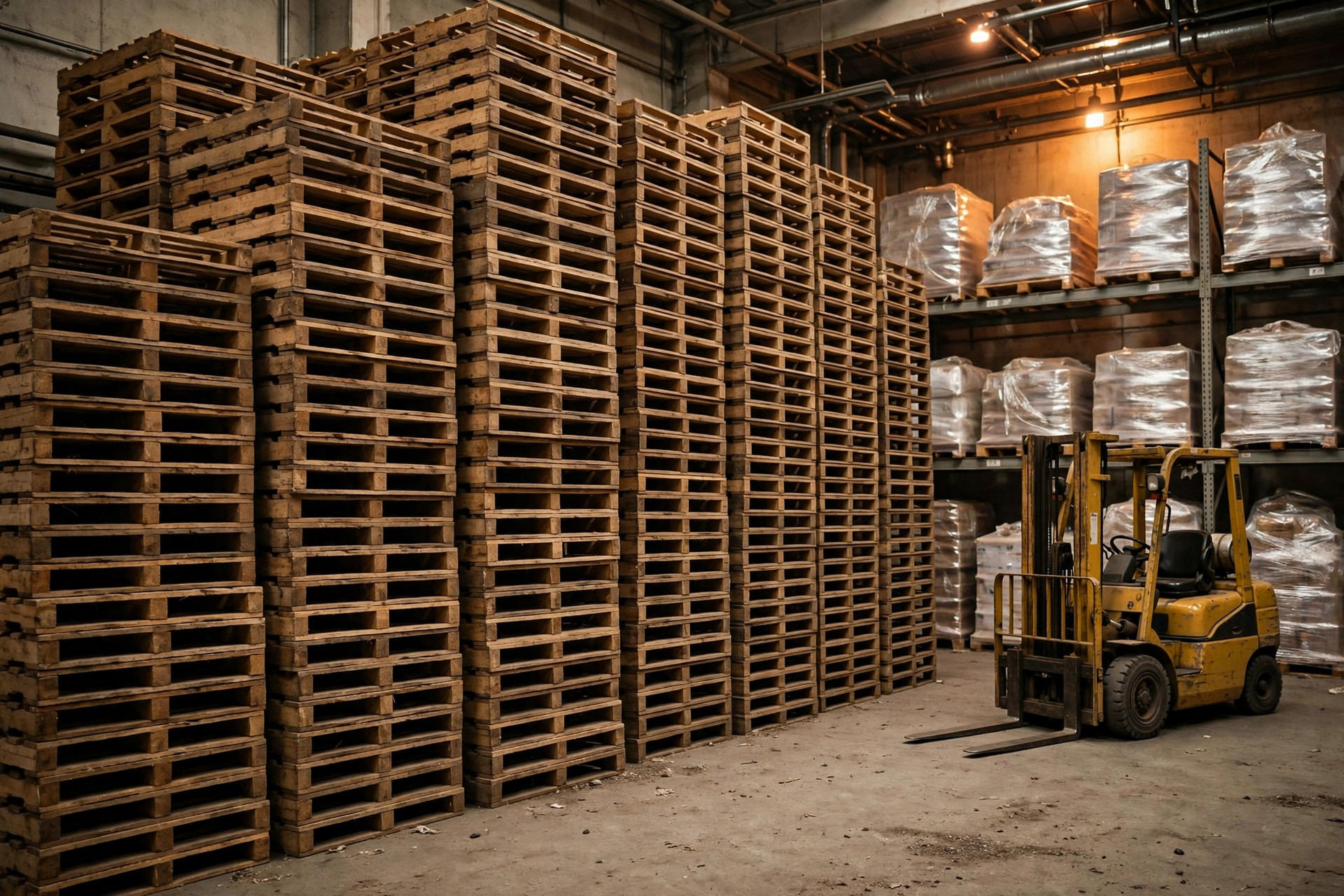
Let me tell you something about warehouse rack protection guards. I did not learn to respect them in a classroom. I learned it sitting in my cab outside a leased warehouse one summer, engine off, load baking in the sun, going nowhere. A forklift had clipped an upright that morning swinging out of an aisle. Nobody was hurt, but that whole row was out of service until someone qualified could look at it. My freight could not come off, theirs could not move, and a yard full of drivers sat watching money evaporate. That day I understood: those pieces of steel at the foot of a rack are not decoration. When they are missing, one careless turn can stop everybody's day.
In fifteen years on the road I have backed into hundreds of docks. Some warehouses are tidy, with protection on uprights and rails at the aisle ends. Others have bare columns covered in old scars, still loaded to the top. I am always nervous unloading at the second kind. So here is the plain version: what the three common guards do, which warehouses need them first, and why fitting them is only half the job.
Three different warehouse rack protection guards, three different jobs
People talk about rack protection like it is one product. It is not. There are three common pieces, and each one guards against a different kind of hit. Buy the wrong one and you have spent money without fixing your problem.
First, the column guard. It stands in front of the base of a single upright, down low where the damage happens. It takes the everyday knocks: a pallet nudged in too wide, a fork carriage swinging in a tight turn, a truck brushing past while the driver watches the load instead of the tail swing. It is a sacrificial piece. If it gets mangled, you unbolt it and fit another. Replacing the upright behind it is a very different job.
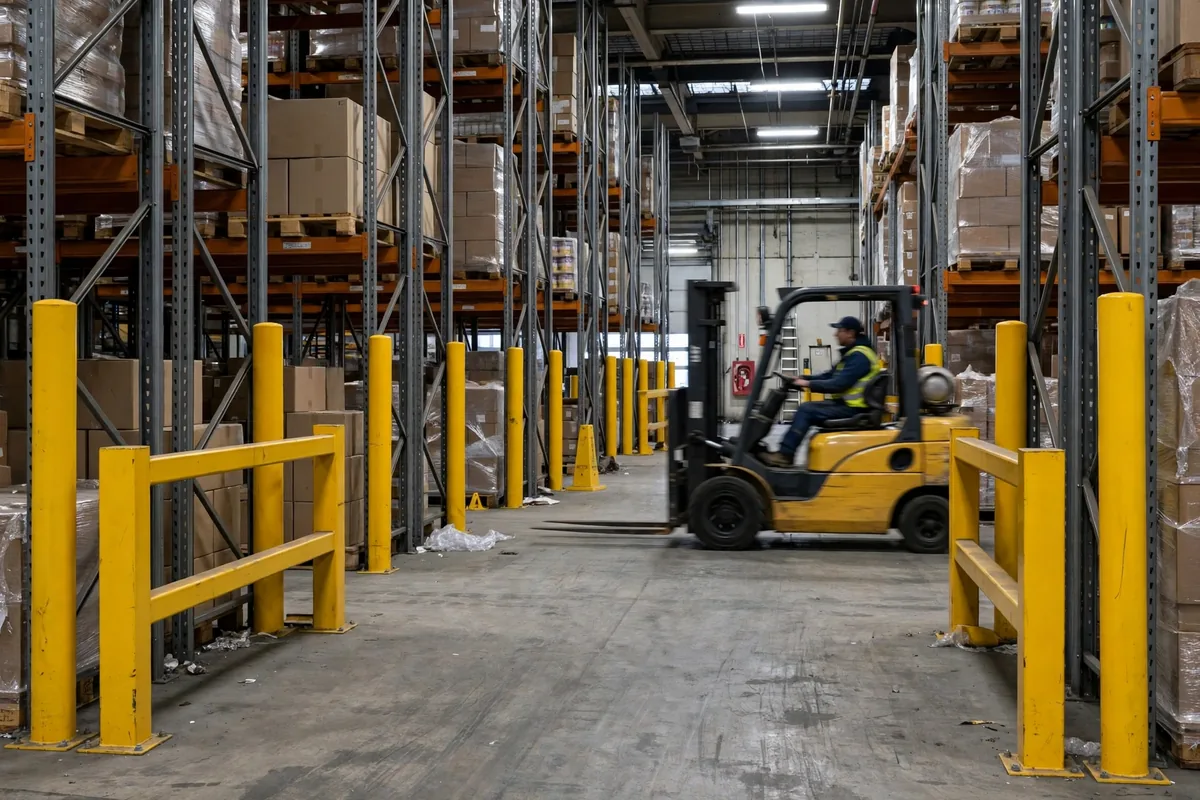
Second, the end-of-aisle barrier, the rail across the end of a rack row, facing the cross aisle where forklifts turn. This is where the worst hits land. A driver swinging out of an aisle cuts the corner with the rear of the truck, and the first upright takes it square. Most bent uprights I have seen were end uprights, not ones buried mid-aisle. The barrier makes the truck hit a replaceable rail first.
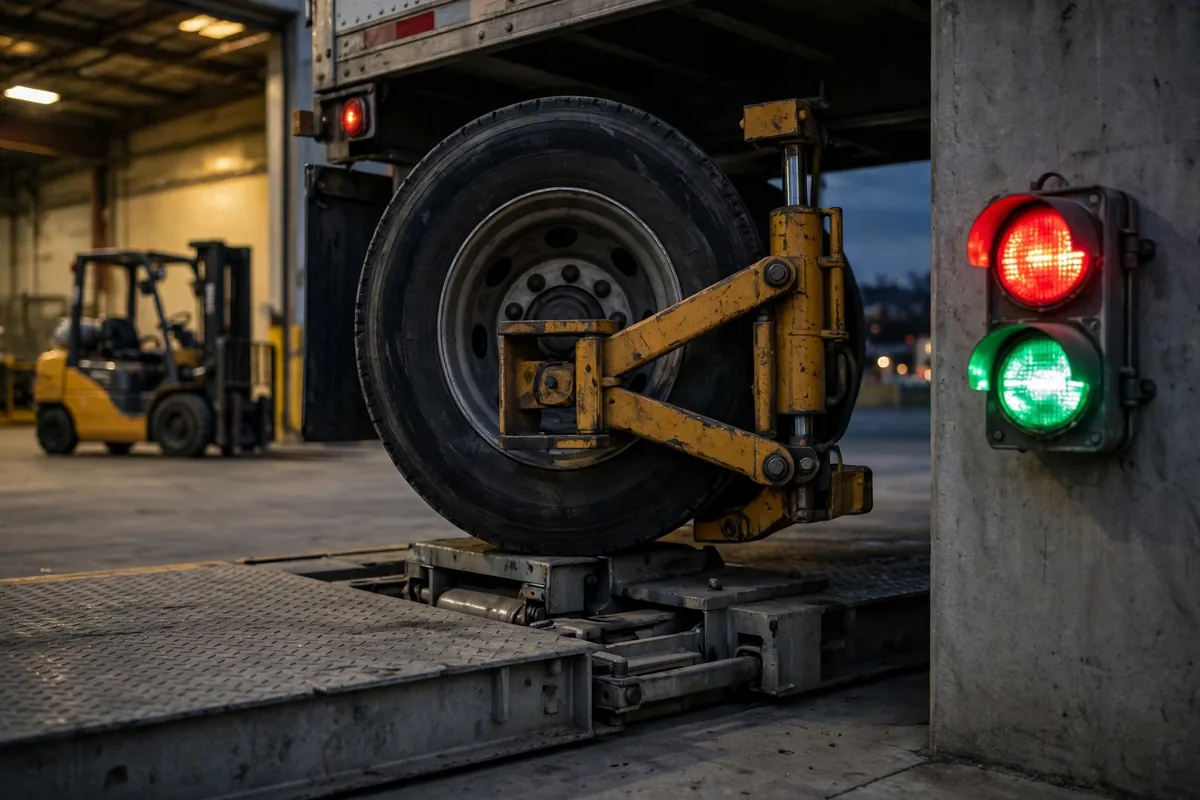
Third, the standalone bollard, the heavy post guarding door tracks, shutter corners, charging stations, and fire equipment. Strictly speaking it does not protect racking at all. It protects the expensive things trucks swing into in open floor space, where drivers are watching mirrors, pallets, and people all at once. Hit a bollard and you have a dented post. Hit a door track and the building stops working.
Remember it this way: column guards protect points, end barriers protect rows, bollards protect the places that would hurt most. Walk your floor, look at the scars, and start there.
Which warehouses should fit warehouse rack protection guards first
Not every site needs every guard on day one, and I will say the unpopular part out loud later. But three kinds of warehouse should not wait.
Narrow-aisle sites come first. When the aisle leaves a driver almost no room to straighten up, tail swing is not a skill issue, it is geometry. Take one case I know well, from a parts warehouse I used to deliver to regularly: the aisles were so tight that two people could barely pass, and by the account the manager gave me, end uprights were getting clipped several times in a single busy half-year. They fitted end-of-aisle barriers across every row and column guards on the busiest bays. In the many months I kept delivering there afterward, I never again saw a row closed off because of a bent upright. Same drivers, same aisles. The steel did the work.
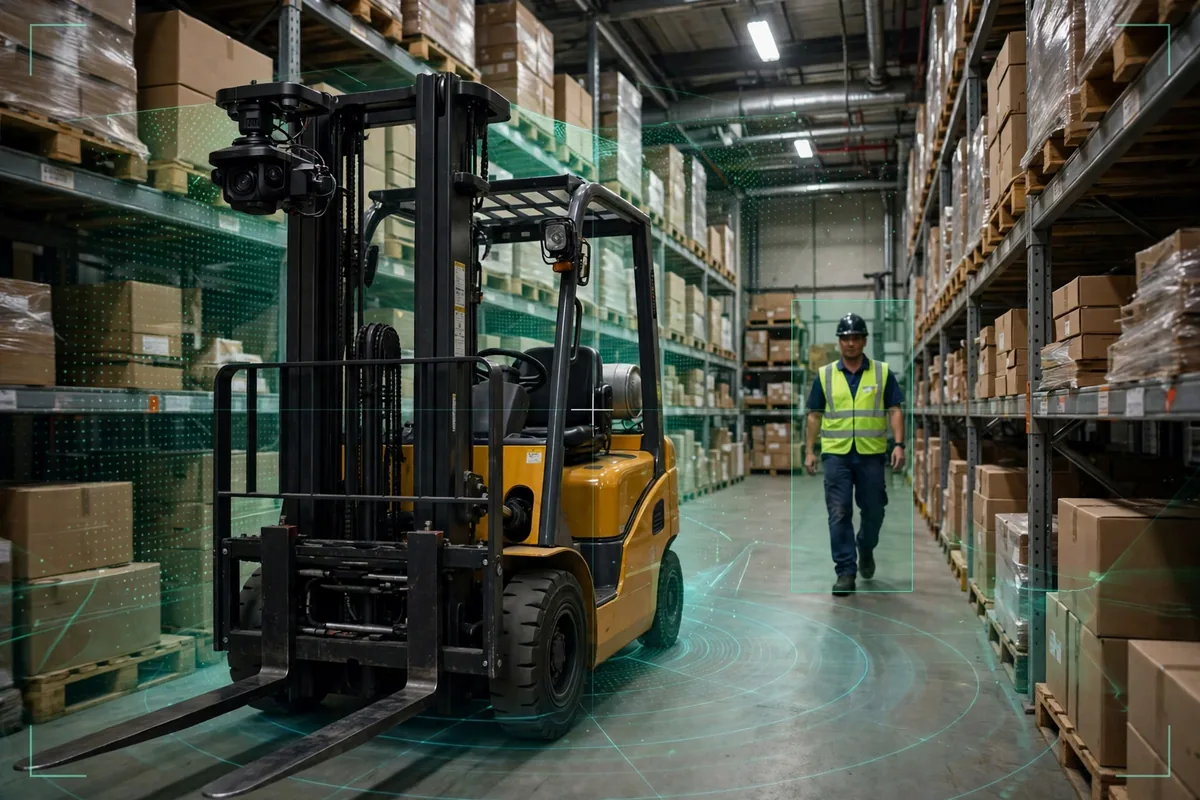
Sites with many new or seasonal drivers come second. At peak, warehouses put people on trucks before those people know where their rear end is. A new driver watches the forks; an old hand feels the tail. Until that feel develops, guards are cheap insurance between a training problem and a structural one. Yelling at rookies is free, but it has never straightened a bent column.
Leased warehouses come third, and owners forget this one. In your own building, damage is yours to fix on your own schedule. In a leased building, the landlord inspects at handback, and bent uprights and scarred floors become a repair bill and an argument. Guards there are not just collision protection. They are evidence you looked after the place.
The trade-off cuts the other way too. A small, wide-aisled site with two careful drivers need not armor every column on day one. Start at aisle ends and door corners, watch where marks appear, and add protection where the building tells you to.
The math: guards versus one bad hit
Drivers understand money when it is laid out plainly, so here is the comparison as I have seen it over the years. These are case-level ranges from sites I have delivered to, not any vendor's price list, so check your own local quotes. What matters is the gap between the columns, not the last digit.
| Item | Typical scale (case basis) | What it really costs you |
|---|---|---|
| One column guard | Tens to a few hundred dollars | Swap it yourself, rack stays loaded |
| One end-of-aisle barrier | Low thousands of dollars | Protects every upright behind it |
| Replacing one damaged upright | Several thousand, plus labor | Bay must be unloaded and emptied first |
| A rack row out of service | A row of pallet positions idle per day | Peak-season congestion on top |
| Stock damage and a customer claim | Depends on the goods, no real ceiling | One fallen pallet of high-value stock can exceed a whole site's guards |
Read that table the way an owner would. Guards are bought once, by the piece, for small money. One structural hit arrives as three bills at once: repair, downtime, and whatever was sitting on the rack. And if a rack comes down with people nearby, we are no longer talking about money. I once delivered to a site days after a partial rack collapse: stock everywhere, aisles taped off, days lost. The manager wished he had spent on protection when he moved in. They always say that afterward.
Now the counterintuitive part: the most dangerous warehouse is not the one with no guards. It is the one that fitted guards last month and now drives like they are bumpers. Protection is not permission. Hit the same guard every week and the force still travels somewhere, fixings loosen, and the upright behind it suffers quietly. A loose guard hanging on bent bolts is worse than nothing, because it looks safe.
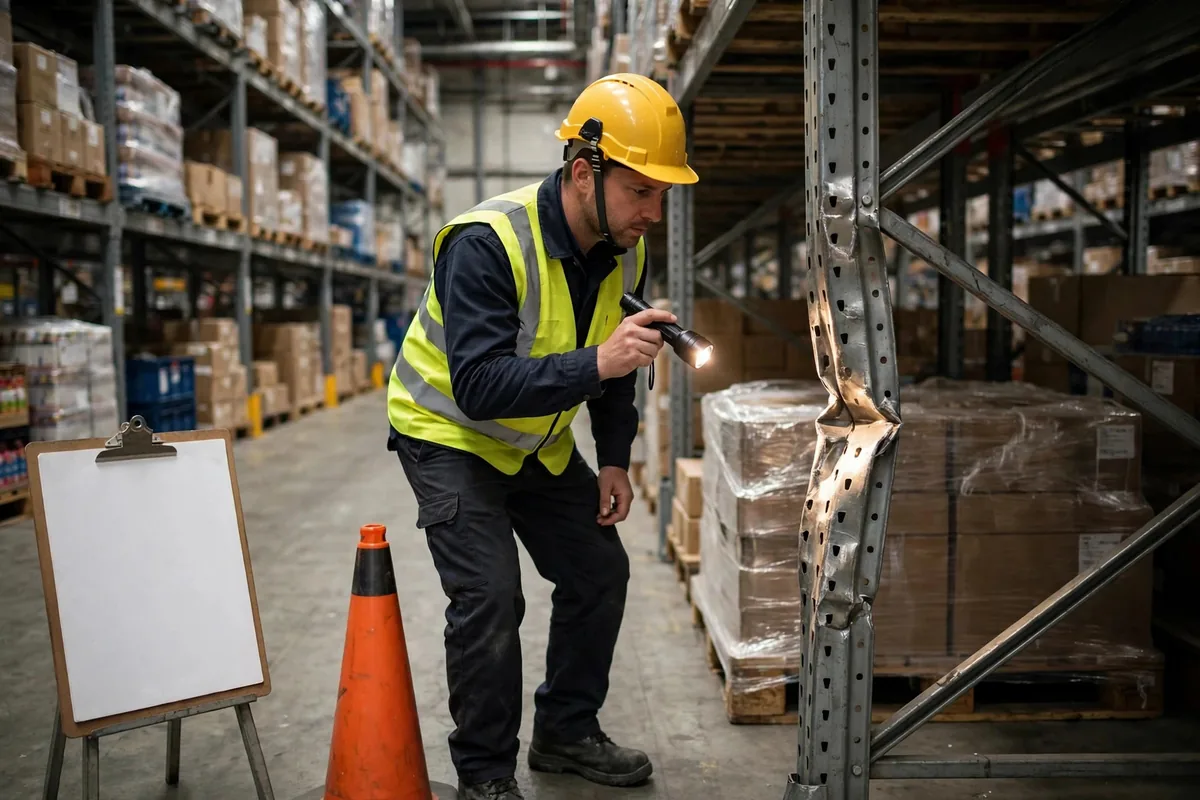
So the rule after any hit has to be hard and simple. The driver stops and reports it, every time, even for a tap. Someone responsible checks whether the upright is still straight, whether the guard has shifted, and whether the floor fixings have lifted. If an upright is visibly bent or twisted, or its base connection is damaged, that section comes out of service and gets unloaded until a qualified person assesses it. That is standard practice in this trade, not me being dramatic. A loaded rack on a damaged leg is a debt that collects without warning.
Leased and owned sites should play this differently. If you own the building, phase it in: aisle ends first, busy bays second, the rest as the scars guide you. If you lease, fit the protection before you start trading, and photograph the racking as you found it on day one. When handback comes, those photos and that steel will settle arguments before they start.
An old saying from the road: a careful driver gets to retire. Warehouses are no different. On the one bad day, that steel is the difference between changing a guard over lunch and explaining to a yard full of drivers why nothing is moving. Spend it before the hit, not after.
By Shifu Zhao, Trucking Veteran (15 yrs)