Here is my verdict up front: a pedestrian detection system that cries wolf will be muted by your own operators, and a muted system is worse than no system at all. That is the real story behind the ai forklift pedestrian detection false alarms warehouse problems I keep getting called in to look at. Managers usually ask me which brand detects best. I stop them right there. Detection quality is not the first question. The first question is whether your drivers still believe the alarm in week six. I have seen too many warehouses buy impressive hardware, celebrate the installation, and then quietly lose the whole safety benefit because nobody managed the false alarms. An alarm that sounds dozens of times a shift for no good reason trains people to ignore alarms. That is not a driver attitude problem. It is a predictable human response, and designing around it is management's job, not the driver's burden.
Why Forklift Pedestrian Detection Loses the Driver
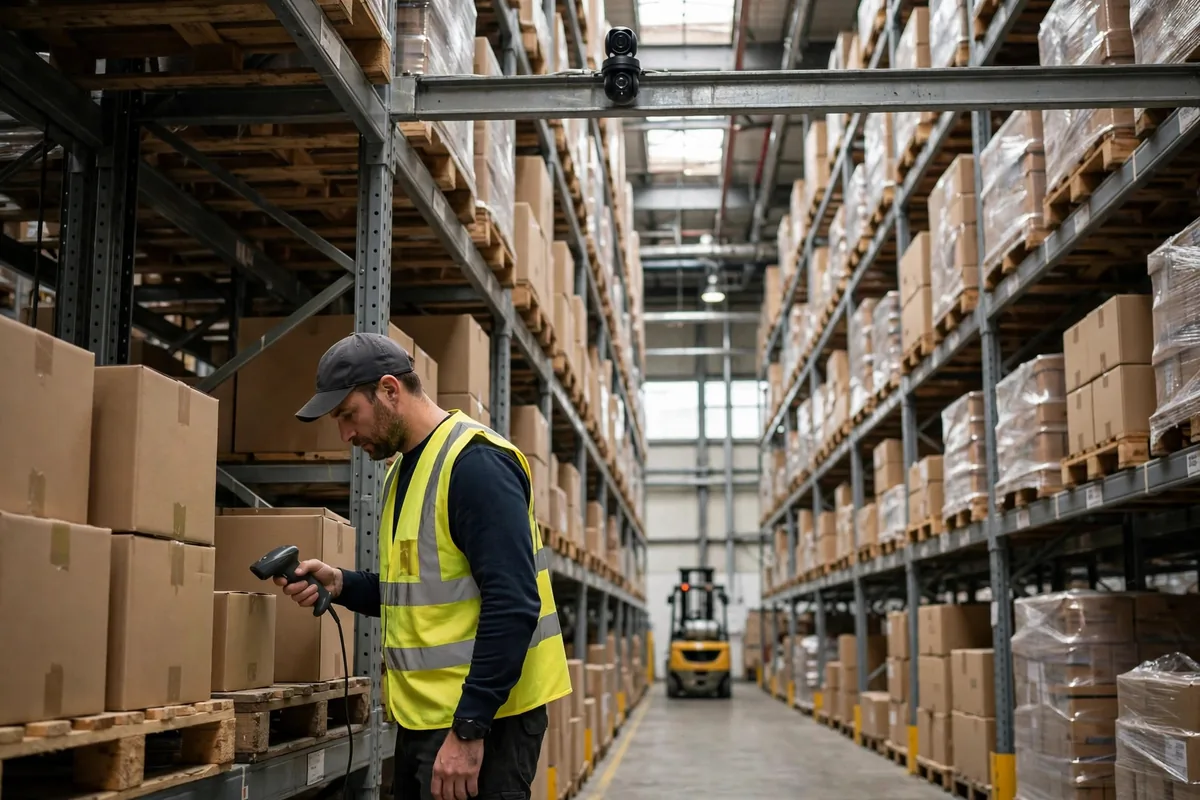
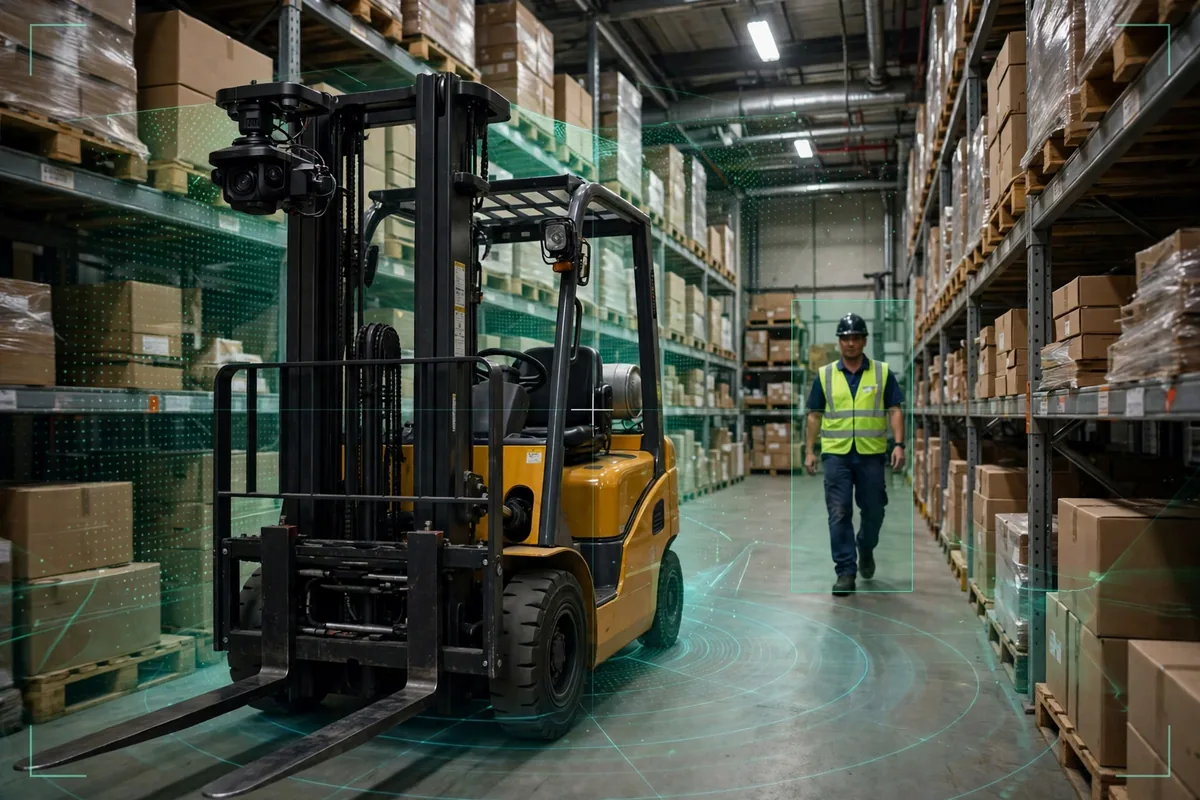
A few years back I walked a food distribution warehouse that had done everything by the book. A dozen or so forklifts, pickers on foot sharing the same aisles, and a management team that genuinely cared about safety. They fitted camera-based pedestrian detection across the fleet in one go. Week one was beautiful: every beep got a brake. By week two the cracks showed. The system shouted when a truck passed a rack end. It shouted when someone stood safely behind the yellow line waiting to cross. Once, memorably, it shouted at a safety poster with a person in a hi-vis vest printed on it. The drivers kept their own count: dozens of alarms per truck per shift, only a handful worth braking for. In week three a night-shift veteran turned his buzzer down to the minimum and got written up for it. The safety manager was furious. I was not. Put any of us behind that wheel, startled forty times a shift by ghosts, and we would go numb too. Alertness is a budget. False alarms spend it.
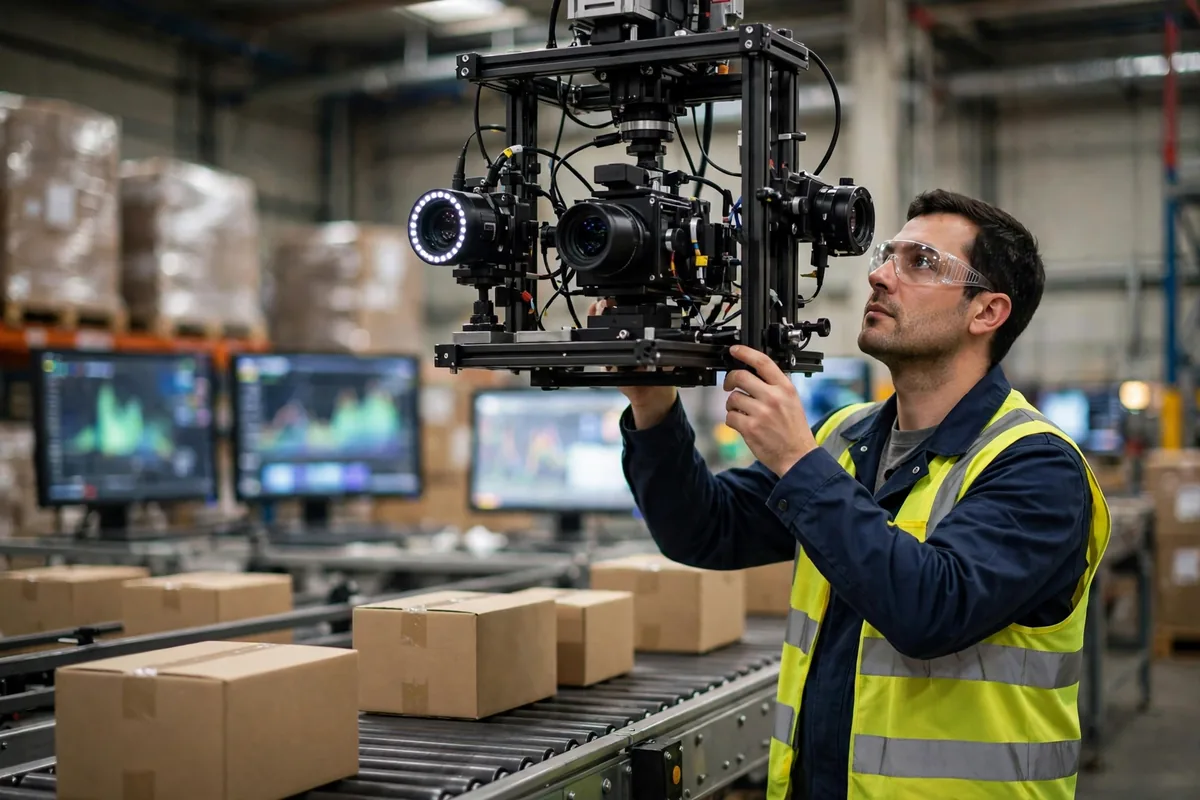
The post-mortem was instructive. The biggest source of noise was not weak detection. It was a detection zone drawn with one ruler for the whole building: a big, fixed bubble in front of every truck. The busiest spots in that building were rack ends and dock edges, exactly where people legitimately stand inside the bubble while being perfectly safe. Add dim lighting and workwear that blended with the racking colours, and the system defaulted to shouting whenever it was unsure. The vendor called that a safety margin. I call it spending the driver's attention on your uncertainty. There is also a trade-off nobody can engineer away: raise sensitivity and you catch more real danger but cry wolf more often; lower it and the cab gets quieter while real risks slip through. There is no perfect setting. There is only the right setting for your aisles, your traffic mix and your discipline.
Tuning False Alarms: Zones, Speed and Alarm Discipline
My order of work is never to start by swapping hardware. Start by cutting the noise at its source. First, zone the building by real risk. Dock doors, rack ends and mixed-traffic main aisles get an alert, early and loud. Staging and packing areas, where people are supposed to be, get a tighter logic that only reacts to fast-approaching movement. Second, grade the alarm. A person far away earns a light. Closer earns a sound. Genuinely close earns sound plus a speed limit. Third, link the zone to travel speed. A truck creeping at walking pace has a small danger radius, so the alarm bubble should shrink with it; at full travel speed the bubble grows again. In most buildings I have worked on, those three moves cut the ai forklift pedestrian detection false alarms warehouse complaints dramatically before anyone touches detection accuracy. The checklist I hand to operations teams looks like this:
| False alarm source | What it looks like on the floor | First move |
|---|---|---|
| One fixed detection zone | People in safe areas trigger alarms | Re-zone by real risk |
| Single-stage alarm | Same shout, near or far | Light first, sound second, slow third |
| No speed linkage | Creeping trucks still shout | Scale the zone with speed |
| Install-and-forget | Nobody reviews alarm data | Weekly false alarm review |
The fourth item on that list matters more than the other three combined: alarm discipline. Somebody has to read the false alarm log every week. If one spot keeps crying wolf, stand there for half an hour and find out why: a bad standing position, pallets blocking the camera's view, a dirty lens. And treat driver reports as data, not excuses. I watched the opposite culture in an auto-parts warehouse where the shift lead spent one minute of every morning meeting on yesterday's alarms. Real stops got praised in front of the crew. Repeat false alarm spots got adjusted the same day. Six months of that discipline and their ai forklift pedestrian detection false alarms warehouse setup was one drivers actually trusted, because nine times out of ten, when it shouted, it was right. Trust is the whole game. A trusted system gets obeyed; a distrusted one gets tape over the speaker.
Judging the Payback by Behaviour, Not Brochures
So is it worth the money? A 3PL operator I advised asked me exactly that, with a fleet-wide quote sitting on his desk: hardware, installation and service adding up to a serious cheque. I told him to ignore the detection rate printed in the brochure. That number was measured in a staged demo hall, not in his building. Instead I gave him three rough indicators to watch. Are false alarms per truck trending down, week after week? How often do supervisors catch a muted, covered or unplugged unit? And in the near-miss log, is the system starting to appear as the thing that prevented the accident? The first two are behaviour indicators. The third is the outcome. After two months of tuning, his false alarms fell away, the night shift left the buzzers alone, and at renewal time he told me himself the money had been well spent. I have also seen the mirror image: a warehouse where the whole fleet was muted inside a quarter. That money would have done more good fixing aisle lighting and floor markings.
The return on ai forklift pedestrian detection false alarms warehouse technology is not written in a brochure. It is written in your drivers' ears. If they still listen, the system earns its keep every shift. If they have started tuning it out, all you own is an invoice. So before you compare specifications, ask the vendor one plain question: when false alarms climb, who comes back to tune the system, how often, and what number counts as fixed? If that answer is vague, keep your pen in your pocket. Installation is the easy part. Anybody can bolt a camera to a mast. Keeping a warehouse believing its alarms, month after month, is the actual product you are buying.
By Lao Mi, Supply Chain Veteran (20 yrs)