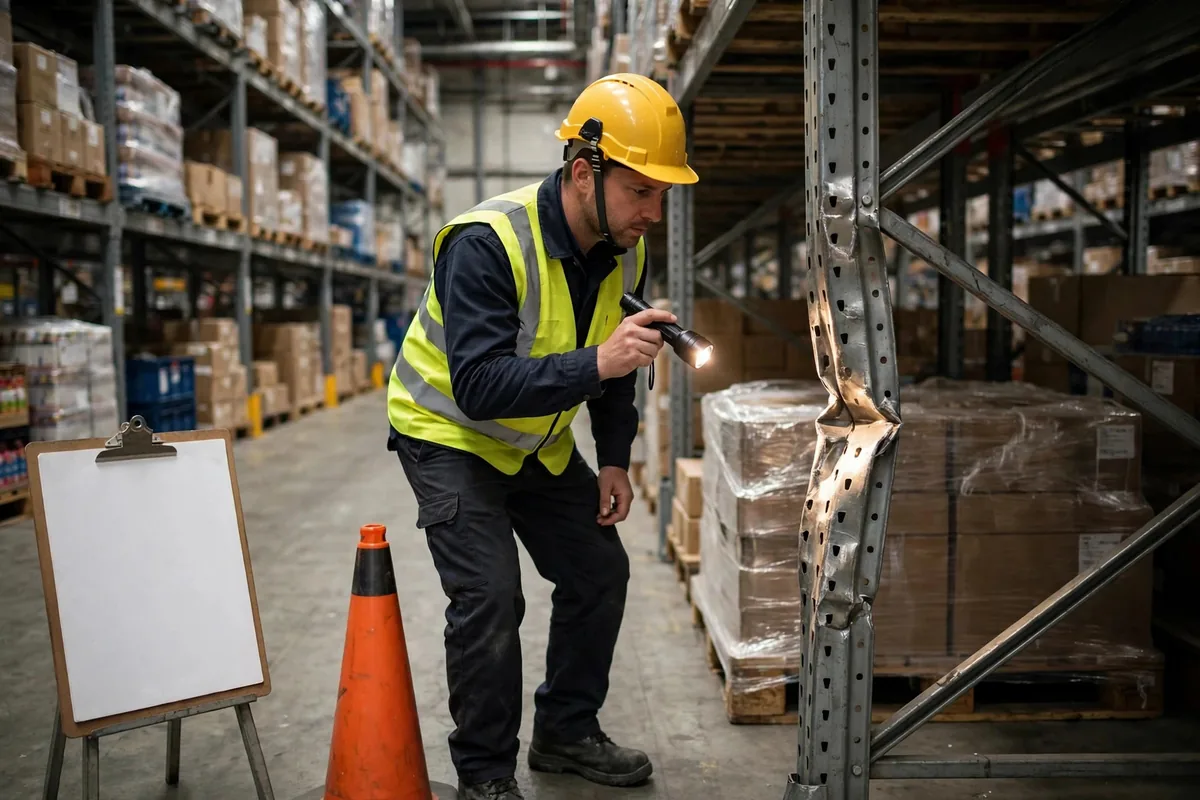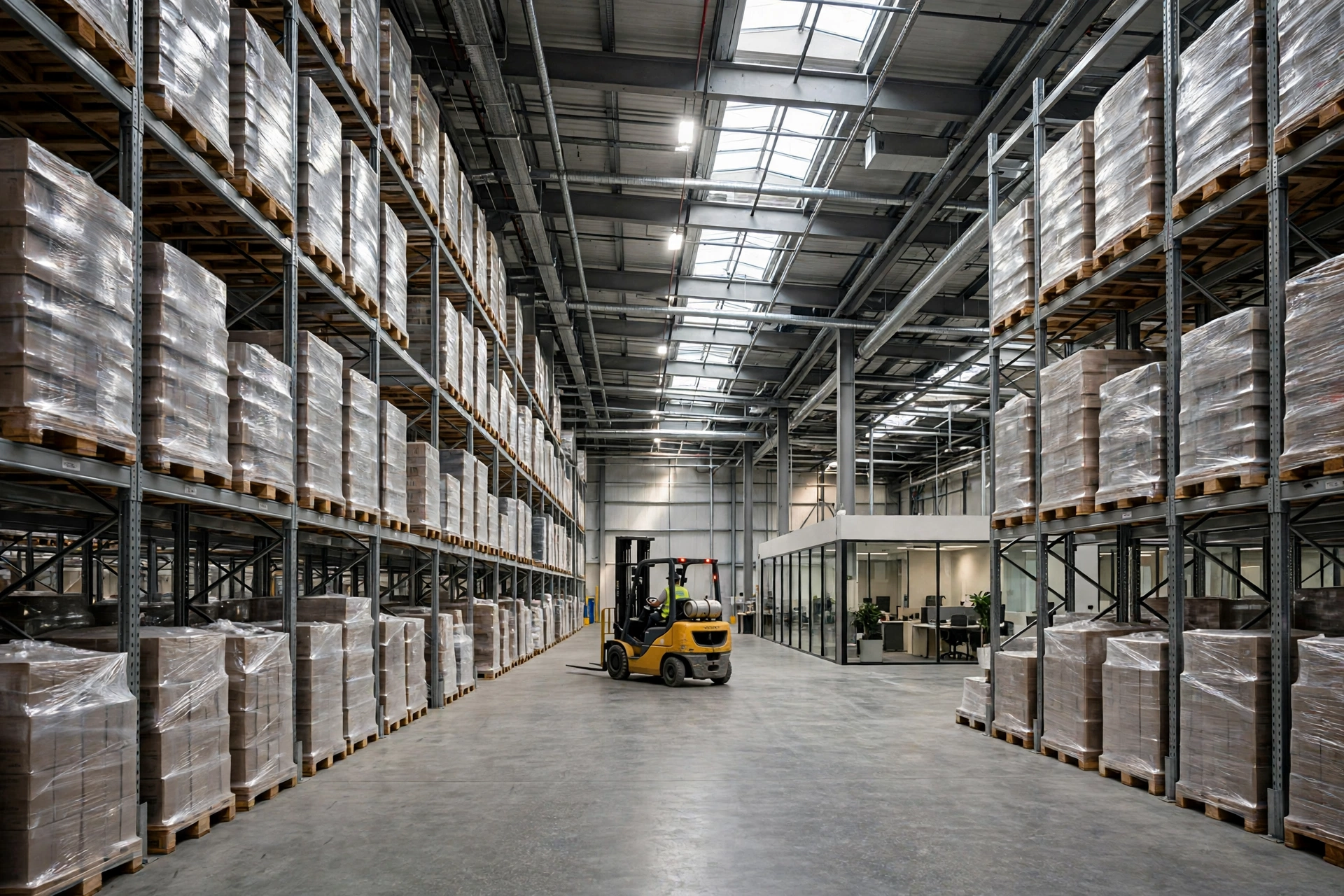
Let me start with a morning that nearly ended in a warehouse rack collapse. November 2023, peak season just kicking off, 6:40 in the morning. I walk into the warehouse and the night-shift lead, Old Li, is waiting for me at the mouth of aisle 7, pointing at an upright. "Boss, look at this one. Is it leaning?" I crouch down. The base of the upright is dented inward, a big patch of paint scraped off, and there is a crack in the concrete next to the anchor bolt. That day we unloaded all four bays in that row and routed forklifts around. When the manufacturer's people came to look, they said if we had found it a month later, that upright might not have held. Here is what years of running a warehouse taught me about rack collapse: it always warns you first. The only question is whether you are listening.
To be straight with you, most people think racks collapse because the load was too heavy. I will tell you the truth. Crushed-by-weight collapses are rare. What happens far more often is a forklift hits an upright, nobody does anything about it, and months later the rack gives way. Forklifts move through the aisles all day. Hitting an upright happens all the time. It looks fine afterward, but inside it may already be bent. A bent upright holds for a day, holds for a month, and then one day somebody puts one extra heavy pallet up top, or it takes one more hit next door, and it stops holding.
Three Warehouse Rack Collapse Warning Signs
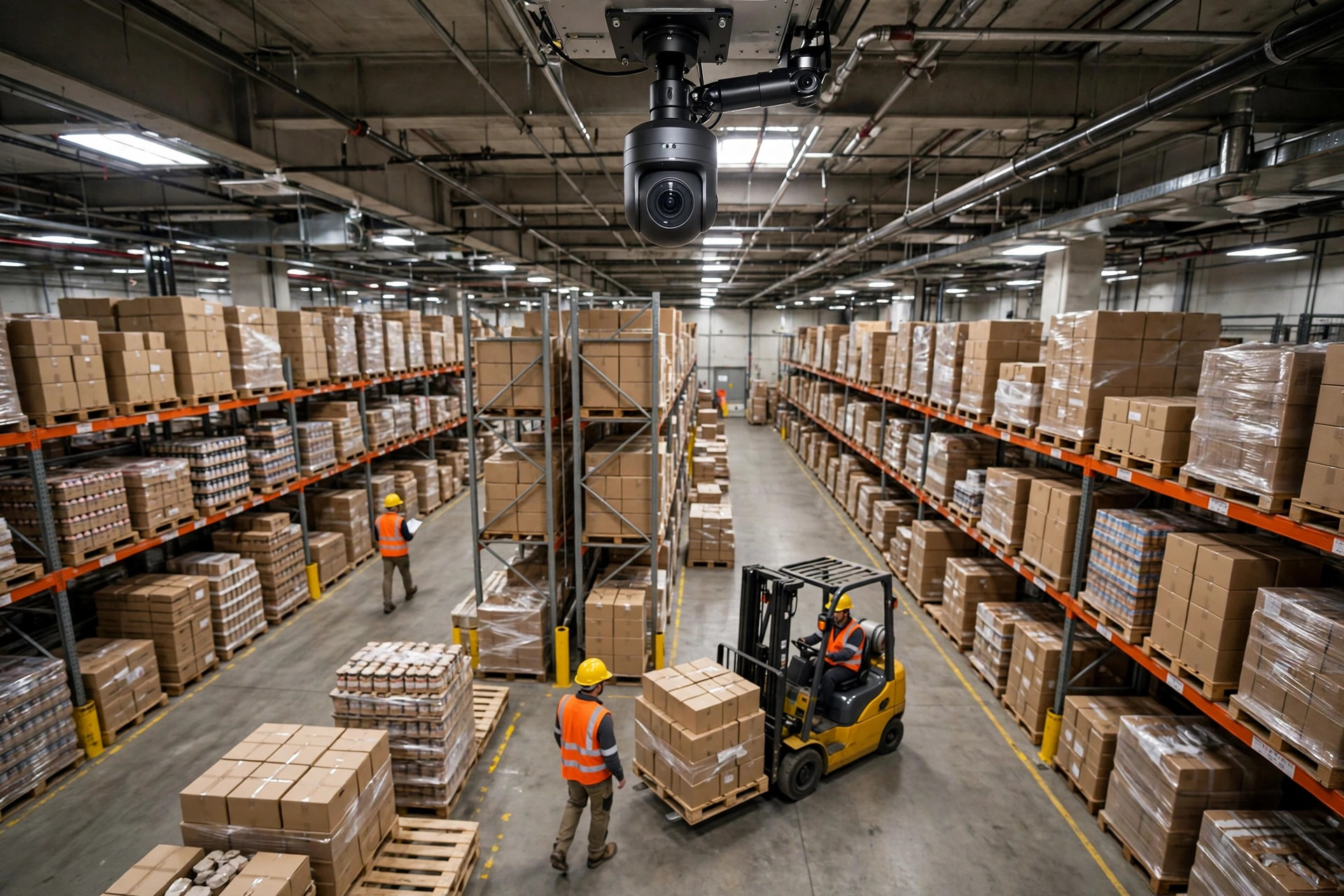
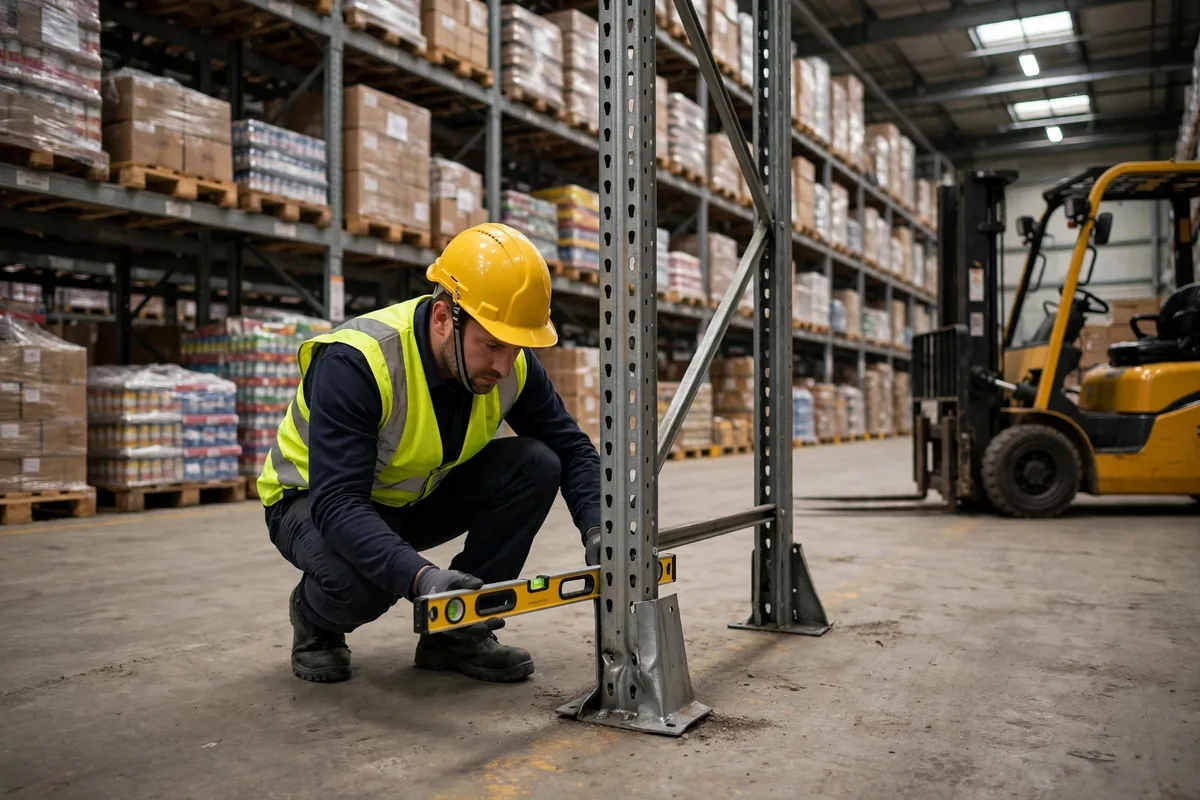
The first sign is a bent upright. It is the easiest to see and the easiest to ignore. Every morning before the shift, each zone lead walks the aisles watching three things: dents and missing paint at the base of the uprights, whether the uprights run straight when you look up along them, and whether the horizontal and diagonal braces are bent. In the United States there is no single federal standard for pallet racks. OSHA enforces rack safety through the General Duty Clause and 29 CFR 1910.176, and the industry benchmark is ANSI MH16.1. The number I keep in my head from MH16.1: a loaded column must not be more than half an inch out of plumb per 10 feet of height, and not more than 0.05 inches per foot out of straight. Past that, you unload it, take it out of service, and get it fixed. No debate.
In March 2024 we had an incident. A forklift clipped an upright while reversing. The driver got out, looked, and said it was fine, barely a scratch on the paint. That night the shift lead spotted a slight lean during the walk-through, put a level on it, and it was over the limit. We unloaded the whole row, the manufacturer came to replace the upright, and that aisle was down for two days. The driver told me afterward, "Boss, good thing you folks check so carefully." I said it is not careful. It is the rule. The person who says "no problem" after a hit may not remember which upright they hit by tomorrow.
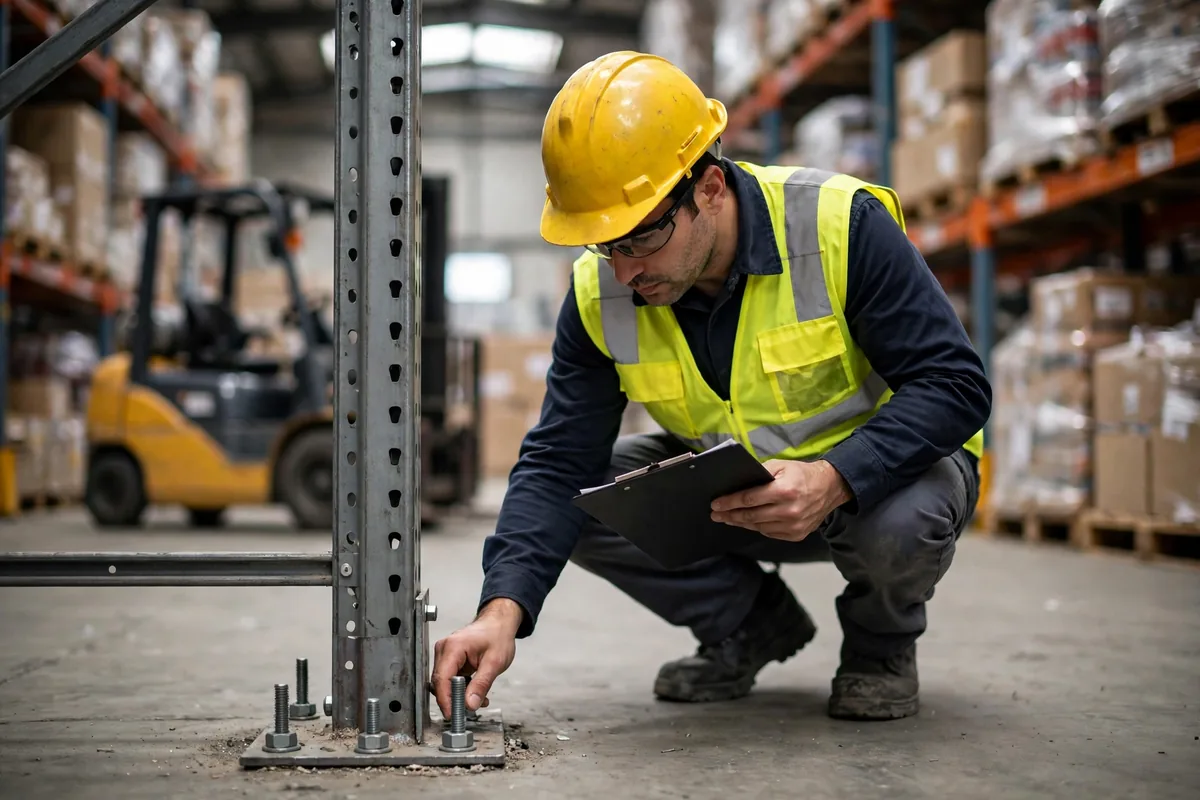
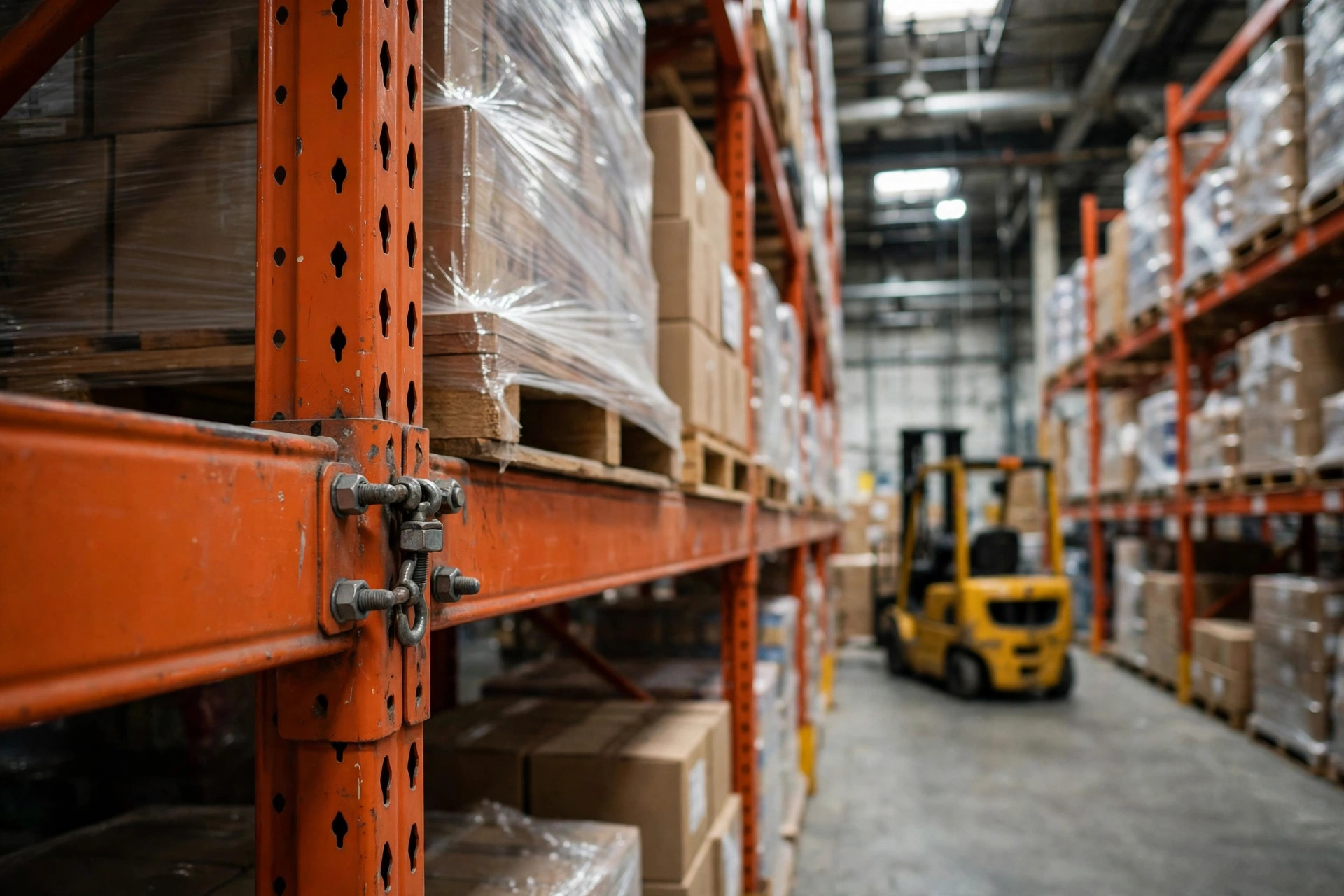
The second sign is loose bolts and missing clips. Beams lock to uprights with connectors and safety pins. Lose the safety pin and the beam is just resting there. One bump from a forklift can knock it off. Floor anchor bolts are the same story. A loose anchor means the whole row is no longer one piece with the floor. Our rule is simple: one missing safety pin and that beam level is out of service; a loose anchor bolt gets reported and fixed the same day. These parts cost a few dollars each. Nobody thinks they matter when they fall off. Everybody learns they matter when something falls down.
The third sign is overloading, and it comes in two kinds. The obvious kind is a pallet heavier than the rated capacity, 3,000 pounds on a beam rated for 2,000. The sneaky kind is uneven loading: heavy on one end and light on the other, or a pallet sitting on only half a beam so all the force lands on one side. Every beam level in our warehouse has a load placard hanging next to it, showing what that level can hold. MH16.1 calls for a placard of at least 50 square inches, and the letters are big enough to read from across the aisle. Zone leads spot-check with the scale readings against the placard numbers once a week, level by level. When we find an overload, we do not yell. We unload first, then ask who put it there and why. Most of the time it is somebody new who did not know that level had a lower limit.
The Three Lines of Defense That Stop a Warehouse Rack Collapse
What we do now in our warehouse comes down to three things: inspect, report, and repair. Miss one and the other two do not work.
Inspect. Zone leads walk the aisles before every shift, checking uprights, beams, and safety pins. Five minutes. Once a month I lead a full-warehouse inspection with a checklist, row by row. Once a year a qualified outside inspector does a full survey. OSHA does not set a fixed inspection interval, but the accepted industry practice is a qualified annual inspection, regular internal checks, and an inspection after any impact, overload, seismic event, or major change. The checklist hangs on the office wall. Who inspected, what they found, when it got fixed, it is all written there.
Report. A forklift strike gets reported the same shift. Not reporting is treated as hiding it. Drivers used to stay quiet because they were afraid of getting fined. I changed the rule: report it yourself and there is no penalty; get caught by an inspection and there is one; hide it and something happens later, and the penalty is serious. The first month after the change, reported impacts tripled. Somebody asked me if I was encouraging people to hit racks. I said no. The impacts were always happening. Before, they were hidden. Now they are on the table. An impact on the table can be repaired. A hidden one can only wait to collapse.
Repair. A damaged upright means unload first, tag it, tape off the bay, and then get the manufacturer or a qualified professional to assess it. If it can be repaired, use the manufacturer's certified repair kit. If it cannot, replace it. Welding it yourself, hammering it back, propping it up with a piece of wood: all three are banned. MH16.1 is clear that damaged uprights must be evaluated by qualified people, and a backyard fix puts the liability on you. One more rule: the person who re-inspects after a repair cannot be the person who reported it. A second signature, every time.
Here is the grading table our zone leads carry, posted on the wall by the forklift charging area. Treat the thresholds as an illustrative scenario; the binding limits are your manufacturer's drawings and ANSI MH16.1:
| Condition | Level | Action |
|---|---|---|
| Scuffed paint, light scratches on an upright | Watch | Photograph it, re-check at the next inspection |
| Dented or bent upright, missing safety pin | Out of service | Unload the same day, tag it, report for repair |
| Upright clearly leaning, anchor bolt loose or broken | Emergency | Unload the whole row, tape it off, call the manufacturer now |
| Beam deformed or overloaded | Out of service | Unload to within rated capacity, then check neighboring levels |
The counterintuitive part is this: the rack that looks the strongest is usually the most dangerous. Thick uprights, heavy beams, and everybody assumes it can take a beating, so forklift hits get ignored and overloads get stacked on top. That "strong" impression is exactly what lets problems pile up the longest. People are more careful around the flimsy-looking rack. A rack collapse rarely takes down just one row. One row goes and it pulls the neighbors with it, like dominoes. In 2023 a warehouse next to ours had exactly that, one upright failed and two rows went down with it. Lucky for everyone it happened in the middle of the night when nobody was there.
A word to my fellow managers: if there is a bent upright in your warehouse still holding product right now, go unload it before the end of today's shift. An OSHA serious violation runs to a maximum of $16,550 under the 2025 penalty schedule, and a willful or repeated violation can reach $165,514. The fine is the small part. If a rack comes down on somebody, that is not a fine anymore. Racks cannot talk, but they bend, they loosen, and they overload. They have told you everything they can. The rest is up to us to hear it.
By Chen Feng, Warehouse Operations Manager