Here's the verdict: warehouse rack beam height is a people problem before it is a space problem. Set the pick face where a standing worker can reach without stretching or squatting, and let forklift storage levels follow the measured height of the load. Mix the two jobs on one rack and the pick face always loses. I have watched that mistake play out three times, and each time the fix came after go-live, when it cost the most.
In 2023 I worked on an e-commerce warehouse in California. The building had the clear height, the uprights ran to 16 feet, and the client insisted on setting every level for the tallest load on site, because more storage sounded like more efficiency. Within a month the pickers were reaching above chest height for small items all day, and the shorter staff were standing on step stools to reach the top pick face. The complaints were not about the system. They were about shoulders. We dropped the pick levels by two beam positions, gave up one storage level, and picks got faster. That project taught me the rule I still use: the beam height question starts with the person doing the reaching.
Warehouse Rack Beam Height Starts With How You Pick
Pick method changes the math completely. Sort your rack into three jobs before you set a single beam.
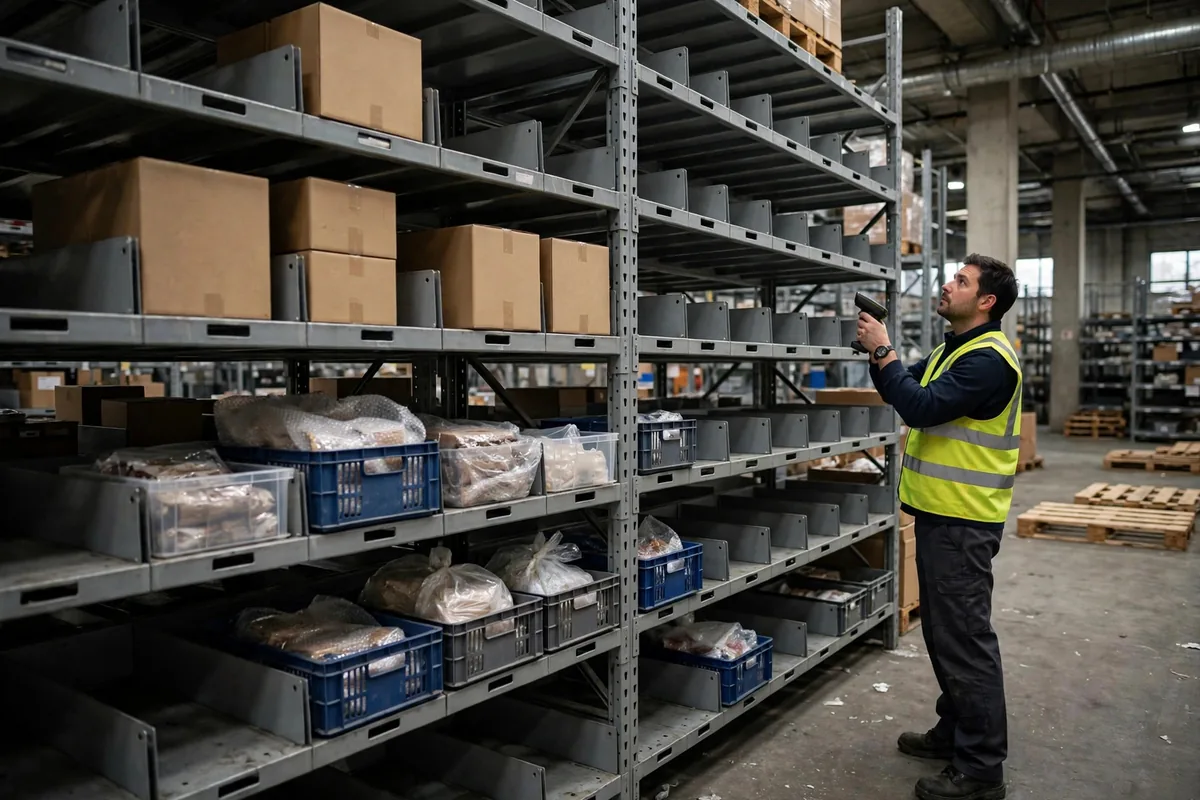
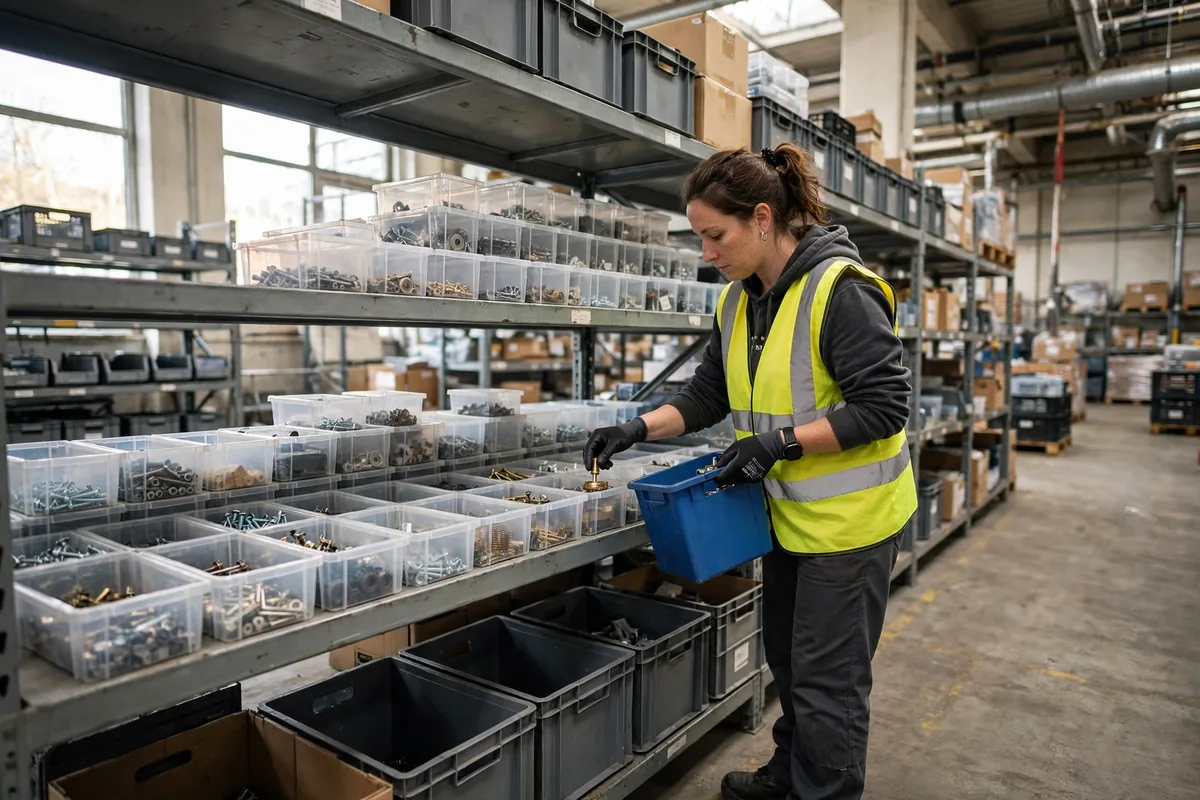
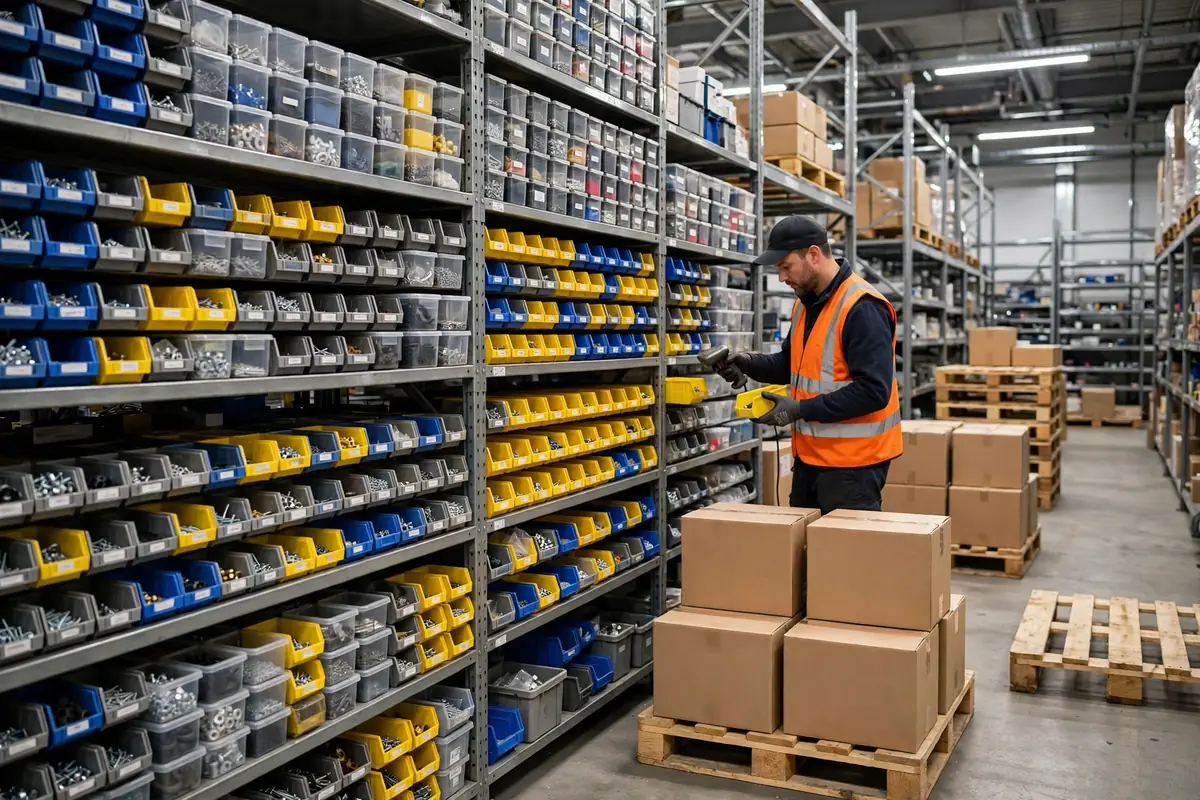
For manual piece picking, the pick face is the worker's bench. The industry calls the knee-to-shoulder band the golden zone, the band where reaches are fastest and fatigue builds slowest. My rule is simple: the fastest movers live in that band, medium movers sit one level above and one below it, and slow movers go to the top and the floor. Do not rush to put fast movers on the floor level. A picker who squats and stands back up several hundred times a day will feel it in the knees before the end of the week. Do not put them at the top either. Reaching overhead is slow and it is risky.
For forklift full-pallet storage, the load sets the height, not the person. The standard pallet in North America is 48 inches by 40 inches, and a 96-inch beam holds two of them side by side, the most common bay in the business. Each level needs the measured height of the tallest pallet plus its load, plus 6 inches of lift-off clearance above it. That 6-inch figure is the Rack Manufacturers Institute recommendation, the room a forklift needs to lift a pallet clear and set it down without scraping the beam above. Measure the tallest load, not the average one, and measure it with packaging, overhang, and lean included. Skip that clearance and every putaway turns into a slow shuffle while the driver lines the pallet up by inches.
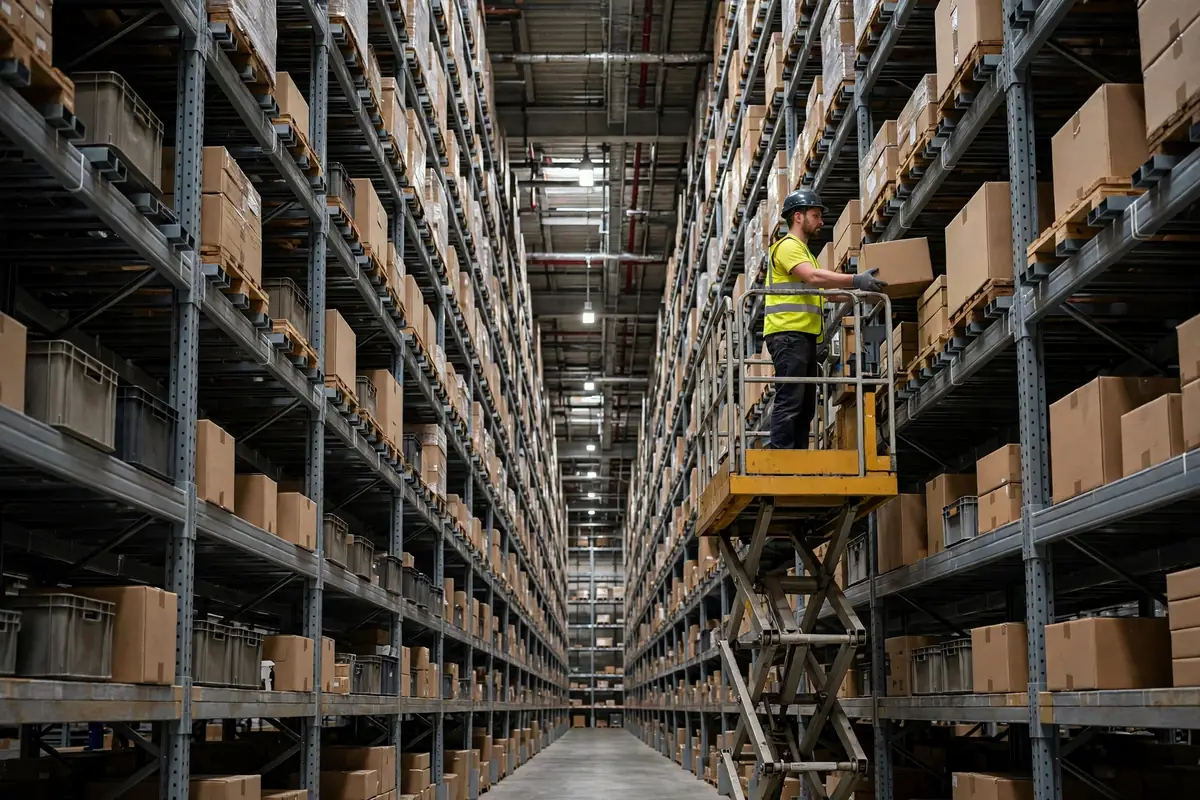
Narrow-aisle and high-bay rack is the third job. Standard uprights commonly run from 8 to 24 feet, with 12 and 16 feet the most common heights I see. My dividing line is blunt: a beam level your forklift cannot reach is not storage, it is decoration. Check the truck spec sheet before you buy rack, and check the loaded lift height, not the empty one. There is also a hard line overhead: keep at least 18 inches between the top of storage and the sprinkler deflector, a requirement under NFPA 13 and OSHA rules. Fast-response heads carry their own clearance rules, so ask the fire protection engineer before you move a beam, and treat the local code as the final word.
Warehouse Rack Beam Height Follows Velocity: A Slotting Method That Holds Up
Theory is cheap. Here is the method I run on projects, step by step, in the order I actually do it.
Step one, pull the velocity data. Take the last three months of order lines and rank each item by lines picked per day, not by total units shipped. An item that moves 80 lines a day and an item that moves 80 lines a month deserve very different beam heights.
Step two, sort into three bands. Fast movers go in the golden zone, waist to chest, where a hand lands without thinking. Medium movers take the level just above and just below. Slow and dead stock take the top and the floor, where a forklift can drop them off in passing. Three bands are enough. Finer splits look clever in a spreadsheet and fall apart on the floor, because nobody remembers a seven-band plan at 2 a.m.
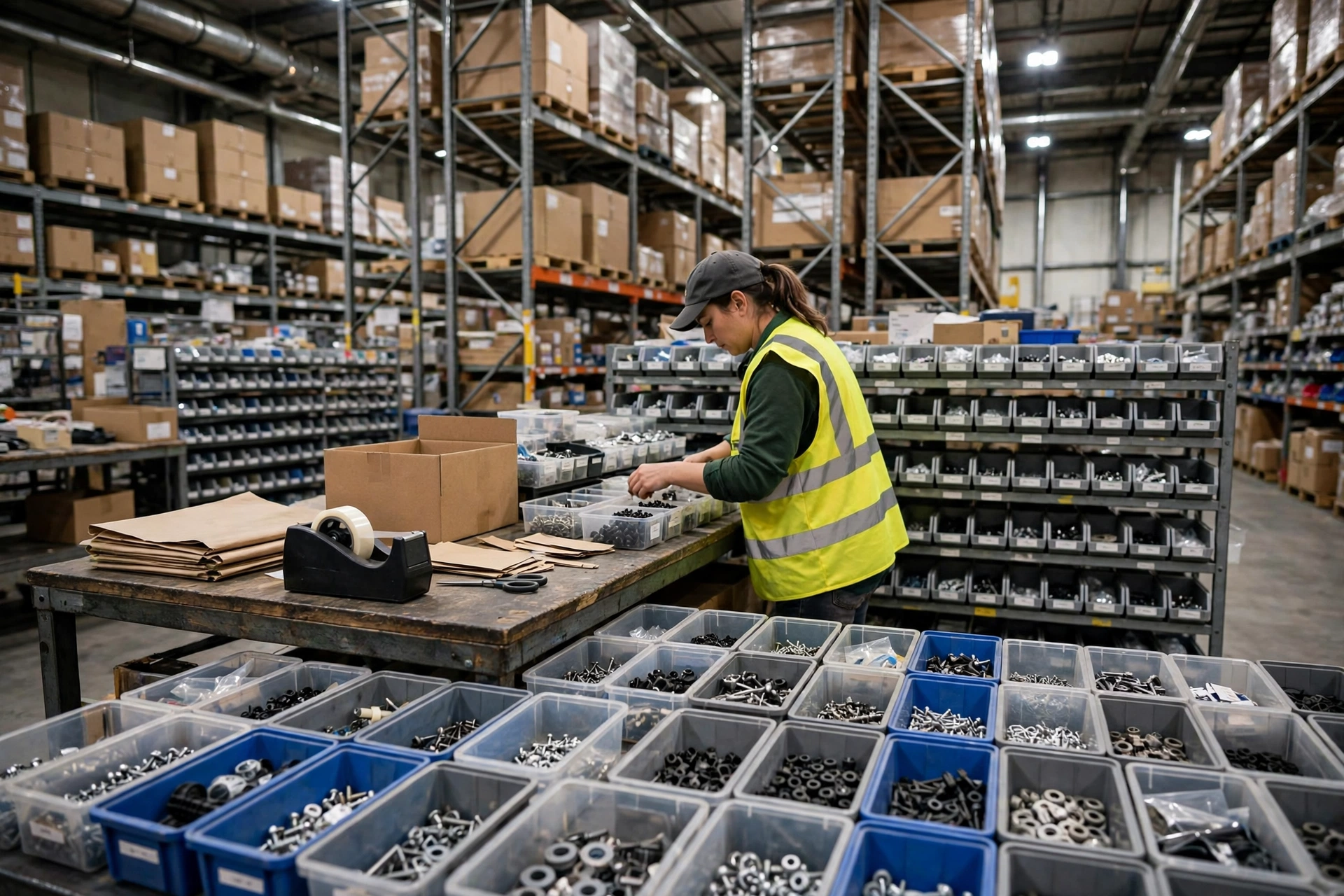
Step three, measure the real goods with a tape. Do not trust the item dimensions in the system. Measure three things: the full pallet plus load, the pick container after the case is broken down, and the few loads that run tall with packaging. Set pick levels from the container height and storage levels from the pallet height.
Step four, draw a beam-height map. Mark every aisle and every level with its height and which velocity band lives there, and post it at the picking area entrance. On the go-live night checklist I add one line: does the map match the location heights in the system? If the system says 60 inches and the beam sits at 54, the forklift driver will be the one who finds out, and the call will come to you.
The worked example below is a hypothetical scenario, not a client's measured result: one aisle holds 40 pick faces, and the fast movers started on the top and floor levels, costing each order about 12 extra steps and 8 extra bends. Move those fast movers into the golden zone and suppose each order saves 40 seconds. At 300 orders a day that is 200 minutes, roughly half a person's shift. The number does not need to be exact. It needs to show the owner that beam height saves labor hours, not rack dollars.
Here is the counterintuitive call: a rack that is full is not the same as a warehouse that works. I have seen a site at 95 percent fill where pickers worked overtime every night, and a site at 80 percent fill with better on-time shipping. Pack the beams too tight and the goods fit while the people and the forklifts do not. Space utilization and pick efficiency pull in opposite directions, so let the pick zone give ground to the person and let the bulk storage zone chase density. Mix the two zones up and no beam height will save you.
Warehouse Rack Beam Height Moves Everything Else: Check Before You Touch a Beam
Moving beam height is never just moving two beams. I have seen this job go wrong three times, and the failure point was different each time, so here is the list I hand over.
Beams carry a rated load per pair, printed on the capacity plaque. Do not slide heavy pallets to a high level while you are at it. Heavy loads stay low, light loads go high, and that rule does not flip because the layout looks neater the other way. Moving a beam takes two people, and the safety pins go back in. One missing pin and a forklift bump can drop a beam.
Forklift reach needs a fresh check. Raise a level by 6 inches and the top level can pass the truck's loaded lift height. Check the loaded figure, not the empty one. A narrow-aisle truck and a counterbalance truck live in different worlds here, and new rack with the old truck is money spent twice.
Fire protection and lighting move with the beams. Re-measure that 18-inch clearance to the sprinkler deflector after any change, and check that the lights still reach the pick face. A pick face in shadow produces mis-picks, and mis-picks cost more than the beam move saved.
The last item is for my fellow implementation consultants: when the beams move, the location dimensions, the pick path, and the replenishment tasks in the system move with them. The floor changed and the system did not is the classic go-live failure. The WMS keeps sending replenishment to the old height, the driver arrives to find the pallet does not fit, and the phone call lands on you. The final line on every go-live night checklist is this one: do the floor, the system, and the drawing agree on every beam height? If they do not agree, do not leave. You will be back to fix it anyway.
There is no standard answer for beam height, only the answer that fits your building, your goods, and your people. Split by pick method, rank by velocity, then price the knock-on costs in fire protection, forklift reach, and lighting. Before you set a single beam, stand in the pick aisle for half an hour and watch how people actually reach. When the reach feels easy, the picks get fast.
By Lin Xiao, WMS Implementation Consultant