We are a small warehouse. We cannot afford to burn money like that. One wrong shipment means return freight, a reshipment, and an apology, and the whole round trip costs more than two days of labor.
Last peak season, my 3,000-square-meter warehouse was shipping 800 orders a day when picking errors started showing up. Customers sent photos: two items ordered, one arrived; black ordered, white arrived. I checked everything. The pickers were not slacking, the shelves were not a mess. The problem was that our verification checkpoint was in the wrong place. We were spot-checking one order in ten before packing. The checked order was fine. The nine unchecked ones went out the door anyway. The errors were not unmanaged. They were managed in the wrong spot.
Then I moved the checkpoint, and the error rate dropped fast. This is the scrappy version of that story: a small warehouse cannot buy a full automation setup, so where should the verification checkpoint go so it actually catches mistakes?
A Checkpoint in the Wrong Place Is No Checkpoint
Our first mistake was copying the big warehouses. We put a final inspection table at the outbound dock and opened sealed cartons to check them. It sounded like the safest option. In practice it was the worst. Open a sealed box, check it, reseal it, reprint the label, and you have burned tape, labels, and packing time. Worse, by the time the error surfaced, the picking and packing work behind it was already wasted.
Our second mistake was letting pickers check their own work. Pick, then scan your own tote, sounds reasonable. In reality people go blind to what they just picked. Your eyes slide over it and your brain assumes it is right. We tried it for a week. Self-checking caught almost nothing. The wrong items stayed wrong.
I still remember one order from June 2025. A regular customer ordered four hoodies in four different colors. The picker grabbed the wrong color on one of them. The packer counted four items, the count matched, and nobody looked at the colors. The customer sent a photo, we reshipped one hoodie, and the return freight came out of our pocket. That order's entire margin was gone. A count check at the packing bench cannot catch a wrong color. Only a check against the physical items, right after picking, catches that kind of error.
The lesson for a small warehouse is plain: verification is not safer the later you put it, and more checkpoints are not automatically better. Put the check where the error just happened, before it travels any further down the line.
We Ended Up With Two Checkpoints
Our warehouse now runs exactly two verification checkpoints. Everything else got cut.
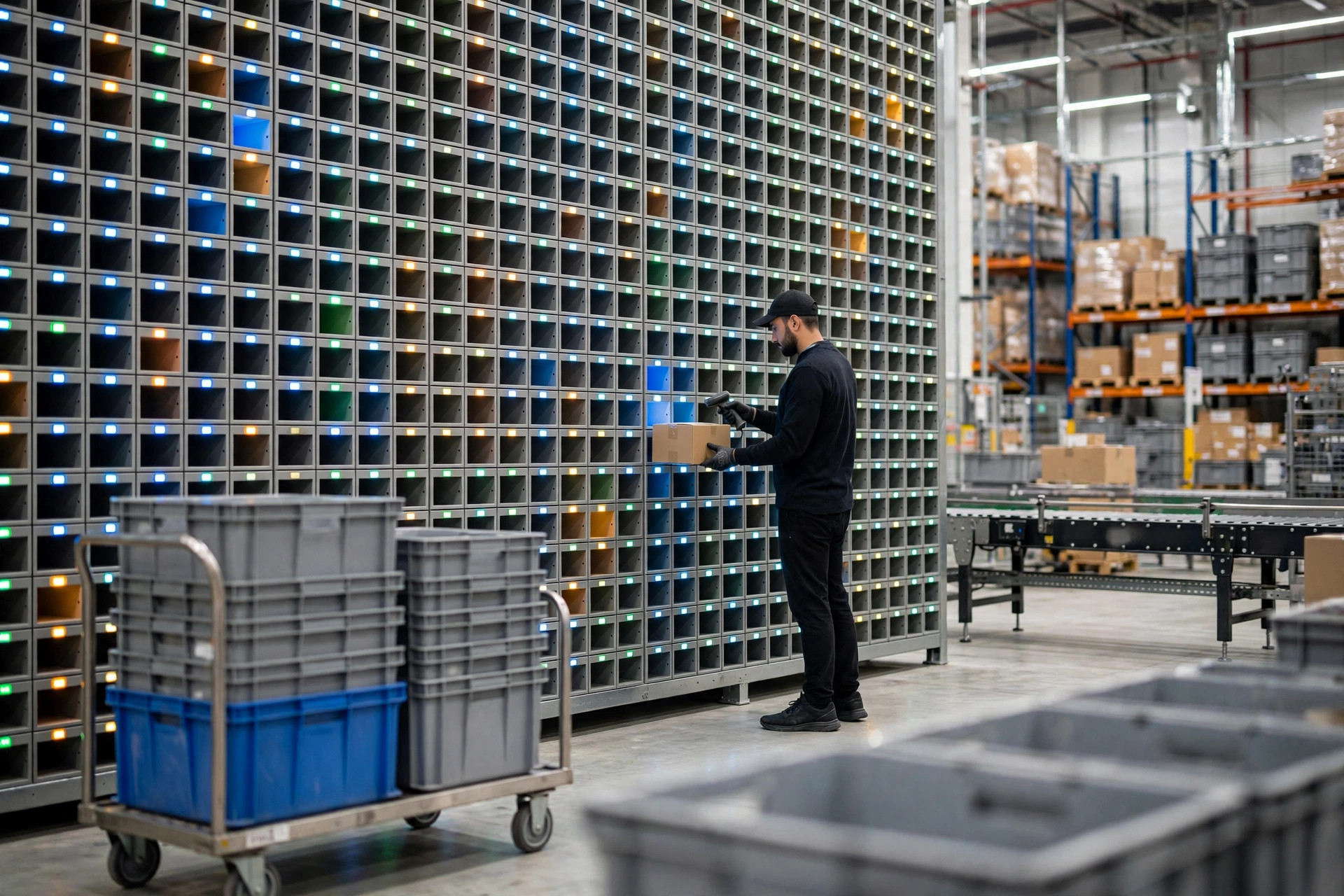
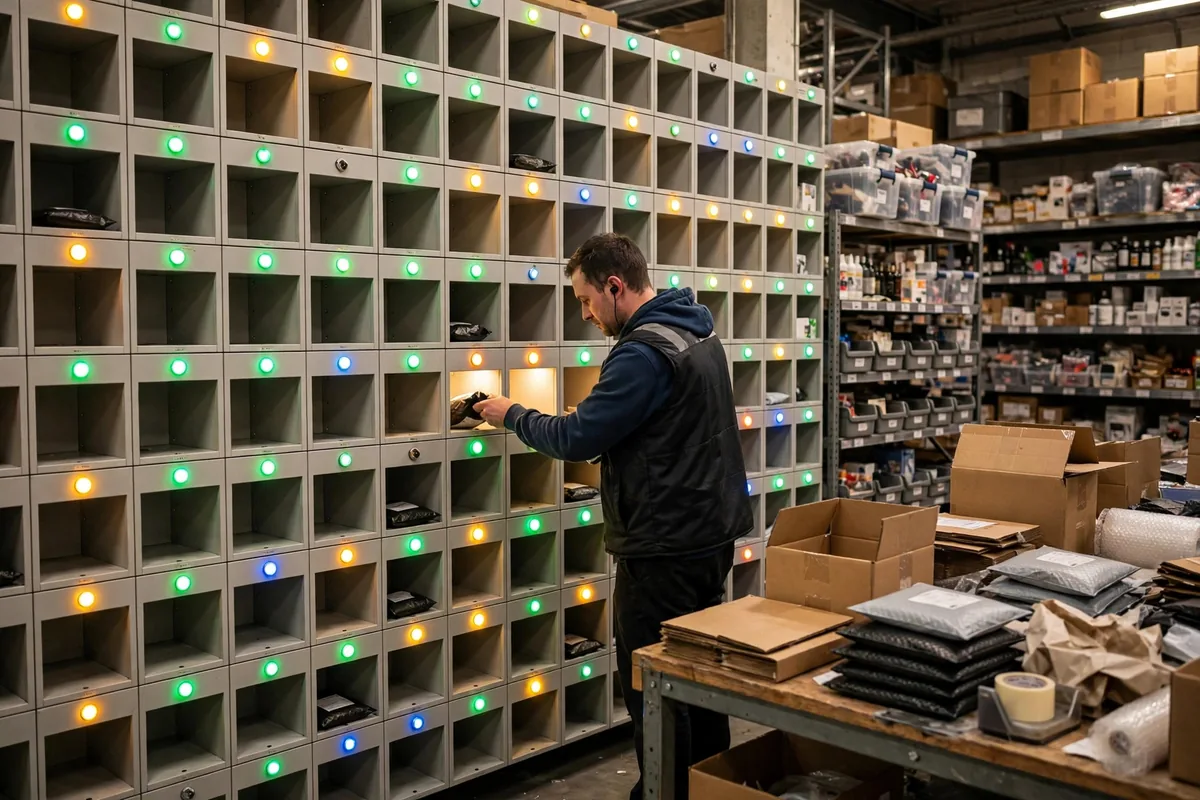
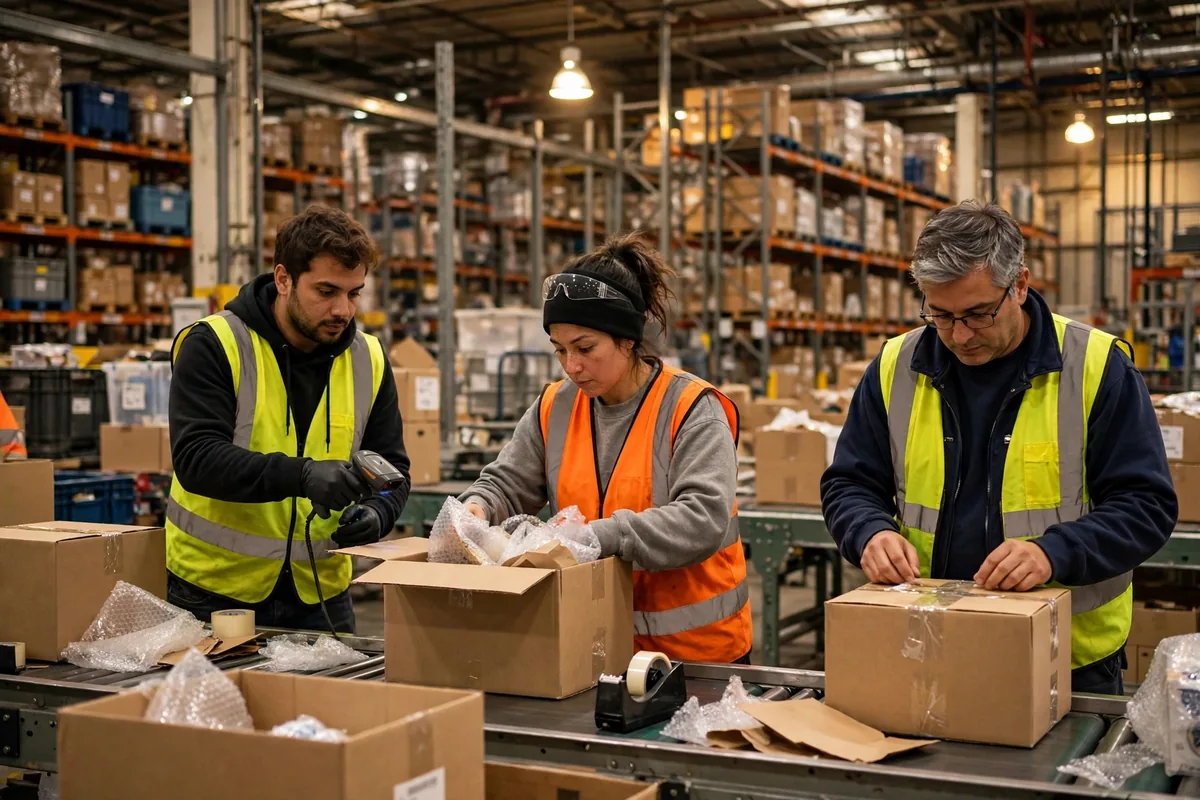
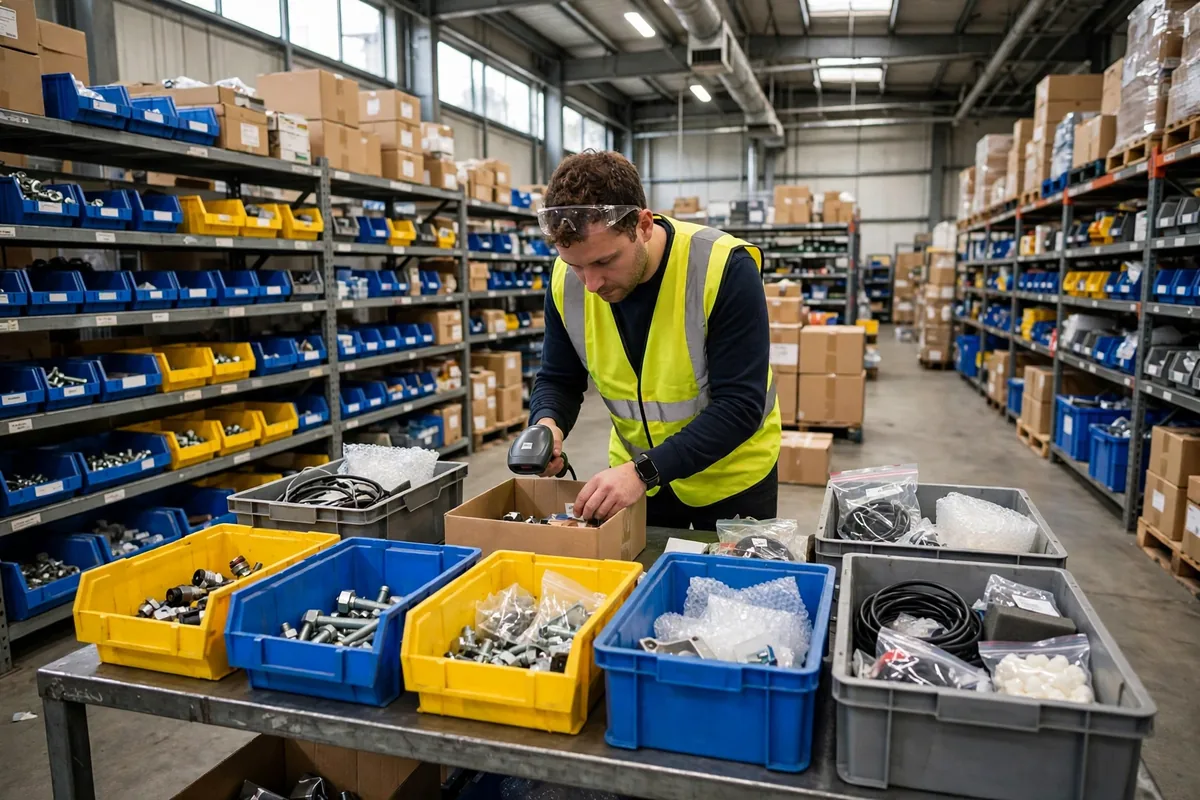
The first sits right next to the picking totes: check immediately after picking. The picker finishes an order, pushes the tote to the verification bench, and a checker scans every item against the order, confirming color, size, and quantity before the tote moves on. The scanner beeps, and only then does the system count the order as picked. This checkpoint costs the most labor, and it catches the most errors: wrong item, wrong variant, wrong quantity, all of it surfaces here.
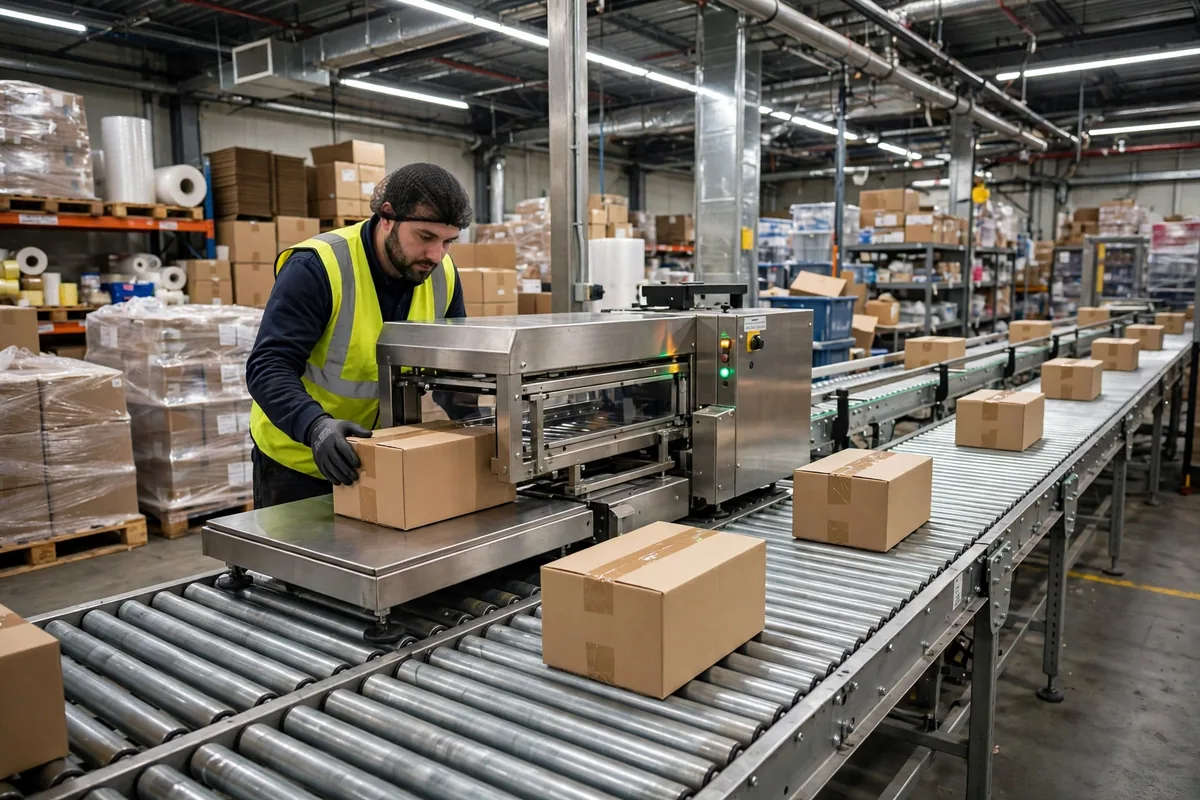
The second sits at the packing bench: one look before sealing the box. The packer spreads the items out and checks two things against the order, the piece count and anything obviously wrong. No scanning, no line-by-line check, just eyes on the goods for ten seconds or so. Its job is to catch the simple slips the first checkpoint missed.
| Checkpoint | How it works | What it catches | Cost |
|---|---|---|---|
| Right after picking | Scan every item, check color, size, quantity | Wrong item, wrong variant | Highest labor, highest catch rate |
| Before sealing the box | Visual check at the packing bench | Missing or extra pieces, obvious mistakes | About ten seconds, almost free |
| Final check at the dock | Open the sealed carton and recheck | Only errors that are already late | Most expensive, most rework |
We paid real money to learn that table. Checking right after picking looks expensive, but it is the cheapest option of the three. An error found in the tote takes a minute to fix. An error found in the sealed box means unpacking and repacking. An error found by the customer means freight, returns, and a reshipment. The cost of a verification checkpoint has to be counted that way, not by the minutes it takes in the moment.
We cannot afford the big-warehouse setup with scanners at every step, and we do not need it. The scrappy version works if three rules hold: the checker is one fixed person, not a rotating role; the bench sits at the exit of the picking area, on the only path the totes can take; and any order that fails the check stays on the bench, no packing first and fixing later. Those rules sound crude. They work better than any system we tried.
At 800 Orders a Day, Verification Cannot Run on Good Intentions
Here is the counterintuitive part: the biggest enemy of verification is not carelessness. It is experience.
The faster a picker gets, the less they look at the order. One of our pickers, two years on the job, could find any item with his eyes closed. He also made the most errors. Speed lets people skip the check, and skipping the check means picking by feel. If verification runs on self-discipline, your most experienced picker becomes your biggest leak.
So we made verification a hard gate, not a reminder and not a training topic. No scan, no release in the system. No pass through the verification bench, no tote reaches packing. It sounds unfriendly. The results were immediate: in the month after we moved the checkpoint to right after picking, wrong shipments fell from seven or eight a day at peak to one or two. The return freight we saved paid for the extra checker, with money left over.
Small warehouses have their own way of surviving. Verification does not need a full equipment rollout or a big-warehouse process copied wholesale. It needs one thing: sit where the error just happened, and make it a gate nobody can walk around. A picking error you catch is a cost. A picking error you miss is your reputation. And a small warehouse cannot afford to lose that.
Where does your verification checkpoint sit? If it is at the outbound dock, opening sealed boxes, try moving it to the picking tote for a week and watch what happens to your error count.
By Xiao Ma, Small Warehouse Owner