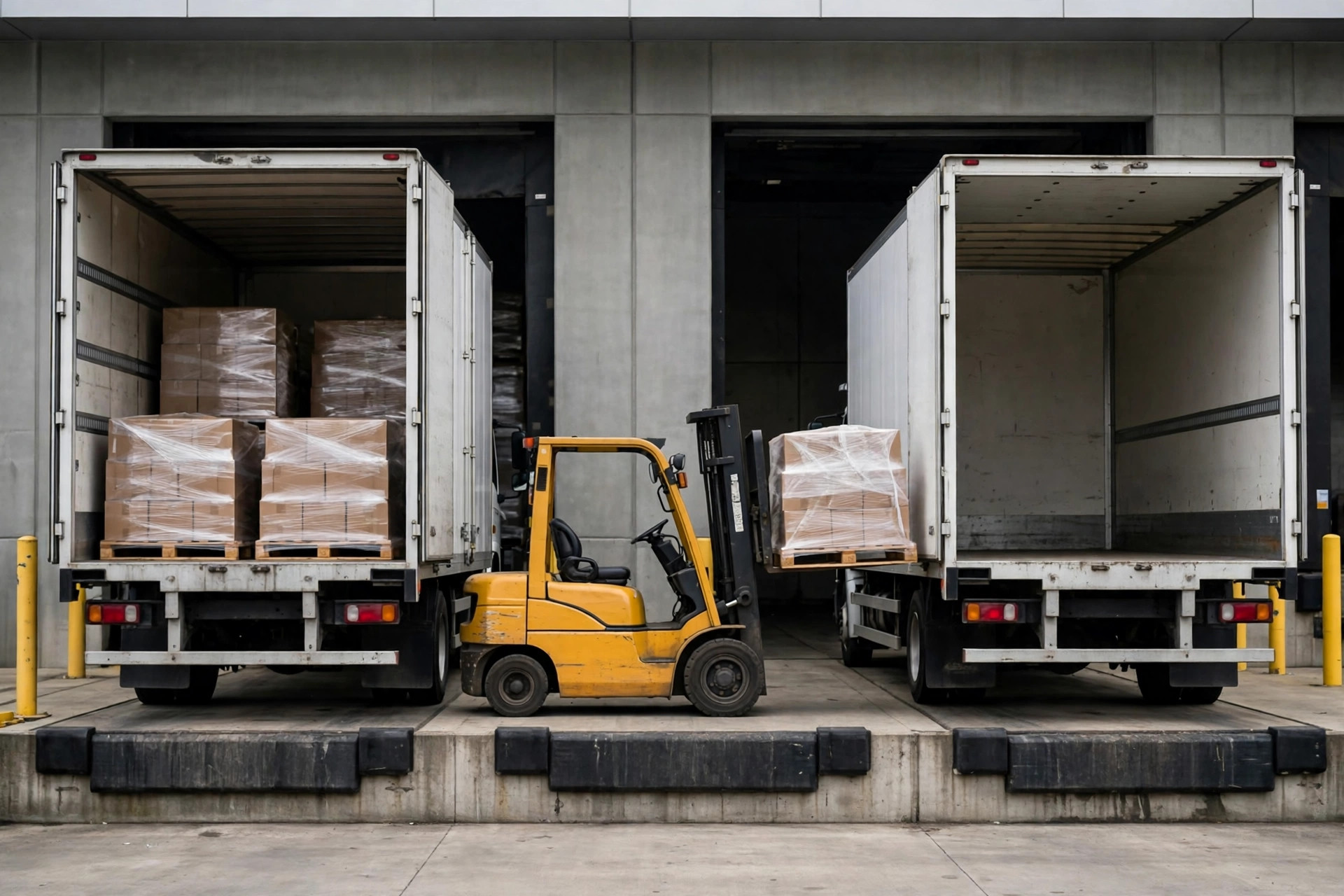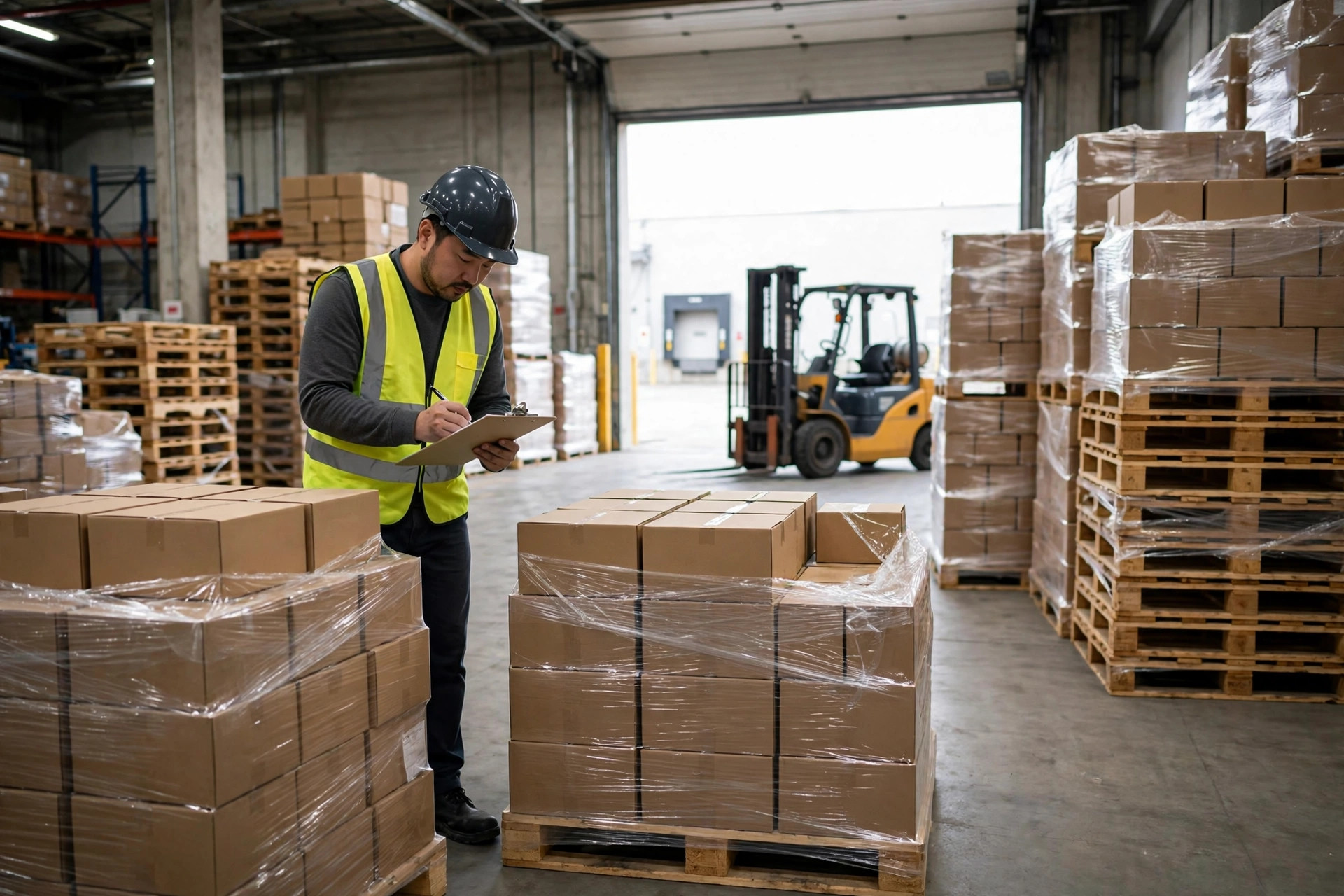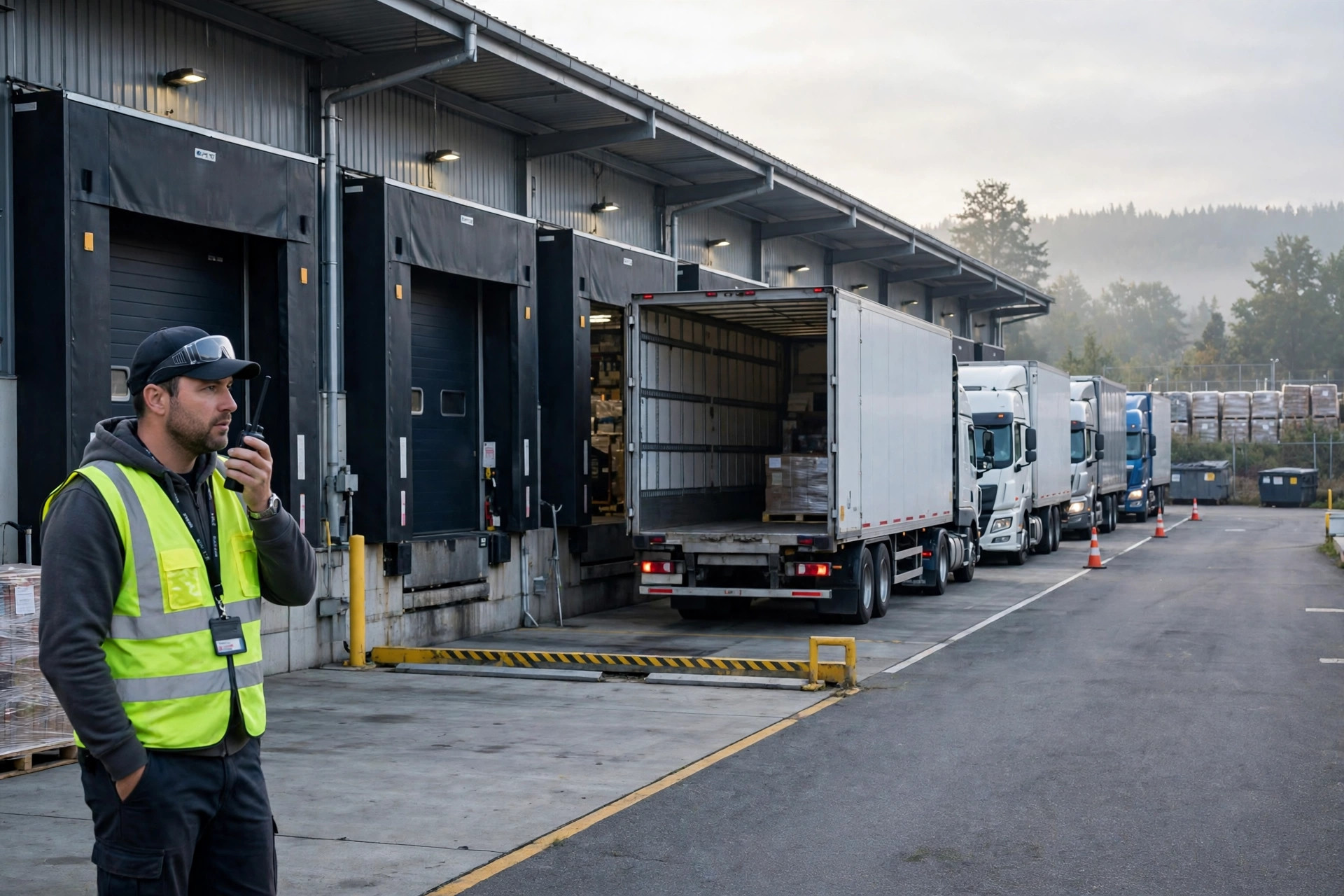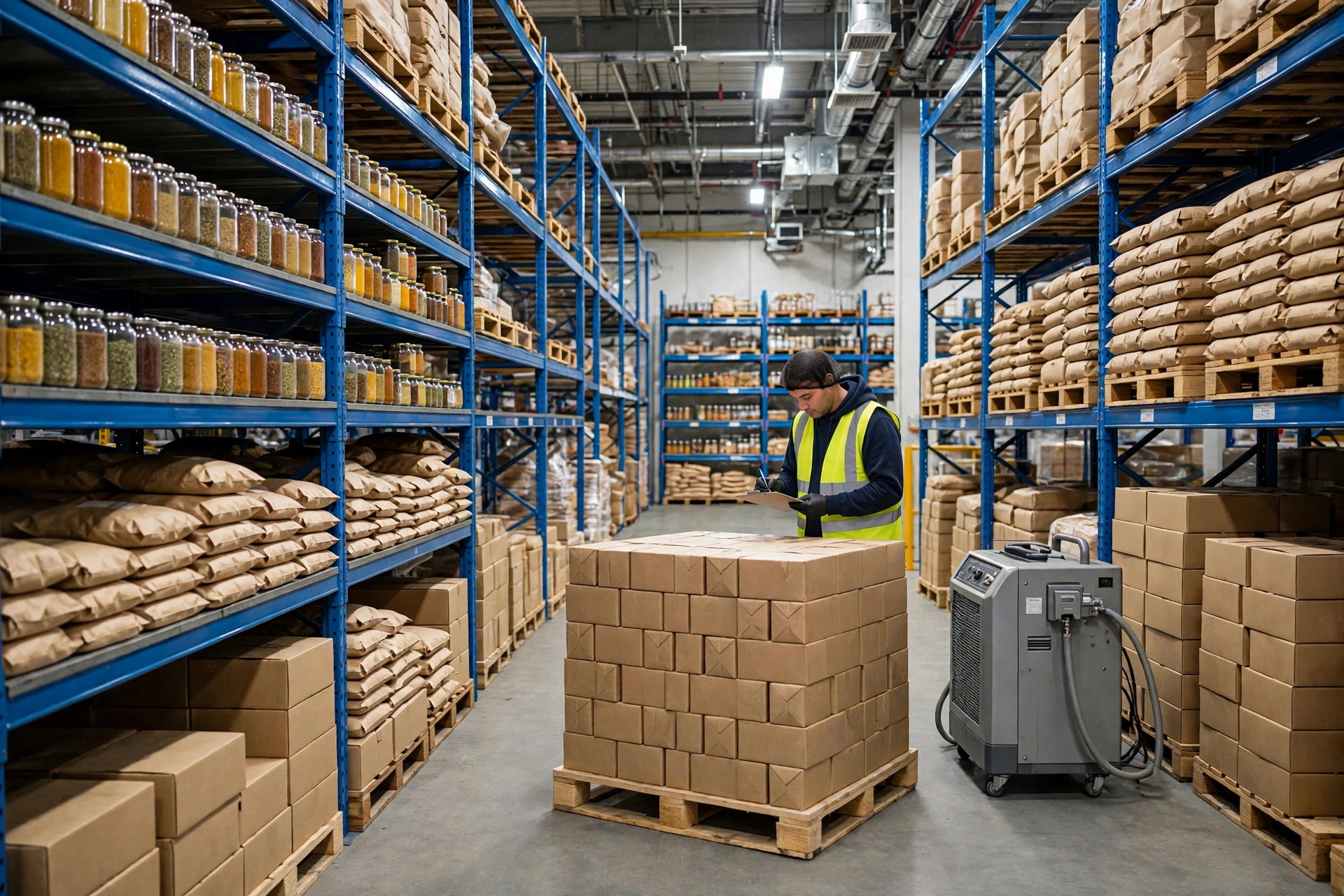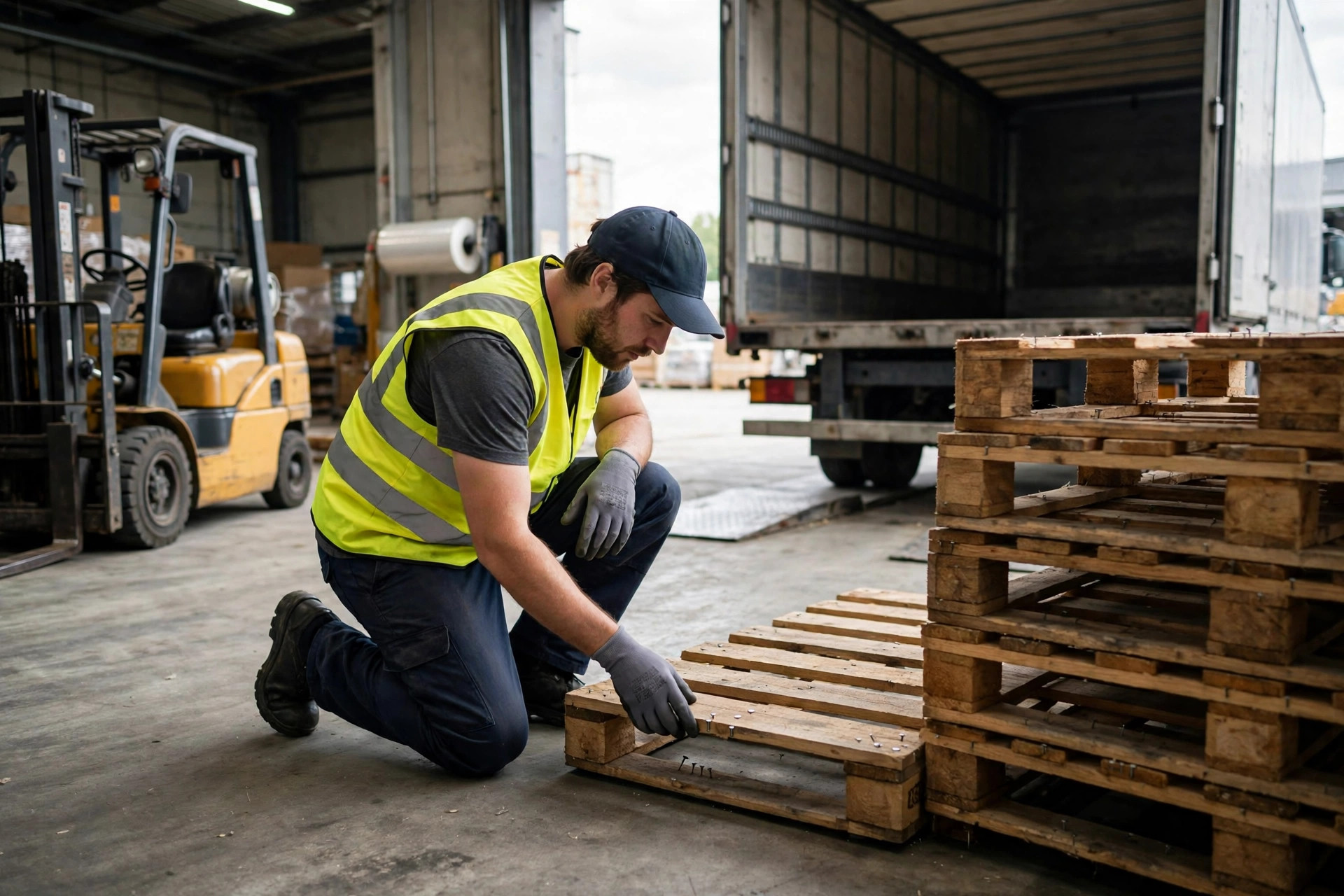
It was 5:40 in the morning, the dock lights had just come on, and I was standing at the tail of the first truck with my shift lead, getting ready for warehouse pallet acceptance inspection on the day's first load. The driver handed pallets down from the trailer, we took them on the dock, and we looked at every single one. Let me be straight with you: this job looks small, but it decides whether the rest of the day runs smooth or falls apart. A problem you miss on the dock just shows up later, on a rack or an outbound truck.
Folks on my crew sometimes ask me whether checking dozens of pallets one by one is overdoing it. My answer has not changed in years: be picky on the dock, not on the rack. Sending one pallet back costs you a few extra minutes of conversation with a driver. Watching a pallet collapse on a rack costs you a stopped aisle, rework, and a report to write. Those two costs are not in the same league.
One morning last peak season, three trucks arrived back to back and the dock was already tight on hands. The third load looked great at a glance. The pallets were clean-colored, the deck boards were all in place, and my lead wanted to unload fast so we could free the dock for the next truck. I happened to walk past, lifted the bottom board of one pallet, and found two stringers cracked along the grain, hidden under the load. That truck carried twenty-six pallets, and we ended up pulling five with the same kind of damage. The driver objected until I showed him the break: an old crack has dark wood inside, a fresh break shows pale wood. He stopped arguing, and all five went back on his truck. If we had rushed that load through, those five would have gone onto racks, and sooner or later one of them would have failed on a night shift.
The scarier story involved a pallet that looked perfect. The boards were flat, no nail heads were sticking up, and it passed receiving without a second thought. The next night, a picker pulled it from a high bay, and as the forklift backed out, a deck board snapped right at a nail hole. The whole load leaned sideways. The picker eased it down gently, so nobody got hurt and nothing fell. Still, that aisle sat idle for over forty minutes while the night supervisor and two people restacked the load, swapped the pallet, and recounted everything. After that night we added a rule in our building: even a good-looking pallet gets a hands-on check. Pick it up and feel the weight, give it a shake, press a corner with your foot. Dry, solid wood feels different from wood that has gone soft, and a loose structure tells on itself in the sound it makes. Eyes are step one. Hands are step two.
Warehouse Pallet Acceptance Inspection: Boards, Nails, and Size First
This is how we do it in our building now: boards first, nails second, size last. For boards, look for breaks and missing pieces. A broken top board is not an automatic failure; it depends on where it broke. A break near the edge, where other boards can still carry the load, can be repaired. A break in a middle stringer, the part that actually carries the weight, is a fail. For nails, look for heads that stick up and nails that have worked loose. A proud nail tears cartons, and worse, it tears hands. Our rule is simple: the nail head has to sit flush with the board, and if your fingers catch anything as you run them across the surface, that pallet does not pass. For size, check length, width, and height. Too tall hits the rack beam, too wide jams an aisle. We keep a tape measure on the dock and check diagonals on a sample; if the two diagonals are far apart, the pallet has gone out of square and will load unevenly on the rack.
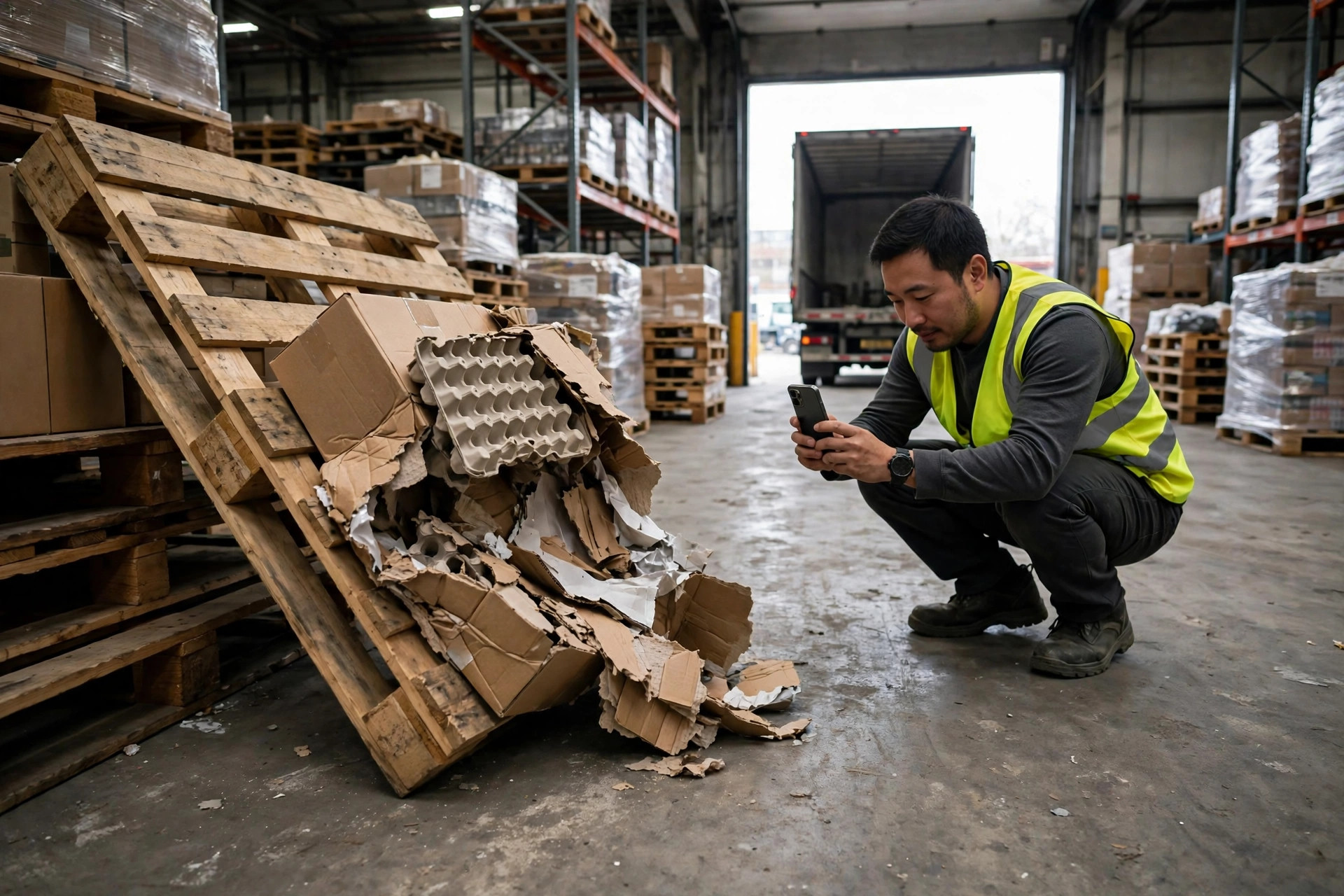
Moisture and mold need the same attention, especially in rainy season and on loads that have crossed an ocean. Boards gone black, spotted with mold, or smelling musty do not get a second chance by drying out on our dock. Mold transfers to cartons, and a food or household-goods customer who sees that carton may reject the whole shipment. We set those pallets aside, photograph them before the driver leaves — pallet, trailer plate, scene — and let the customer decide whether to swap them.
Pallet Acceptance: When to Reject, Repair, or Note-and-Accept
Finding a problem is not the same as sending everything back. Our dock wall carries a three-way call, and every new hire learns it first.
| Call | When it applies | What we do on the spot | | Reject | Broken stringer, racked frame, heavy mold, size off so far it will not fit the rack | Do not unload it. It goes back on the truck, with photos and the reason written on the paperwork | | Repair on the dock | One broken top board with the structure still sound, a proud nail or two, minor edge damage | We keep a nail gun and spare boards at the dock. Two people can fix several pallets in under half an hour, then recheck them before they go into stock | | Accept with a note | Light wear, an old pallet that is still solid, nothing that affects racking or shipping | It goes into stock normally, the paperwork notes the pallet condition, and it gets a low-level location first |
Here is the math that keeps this honest. Repairing a pallet takes roughly fifteen minutes of two people's time, and a crew can work through most of a truck's bad pallets in a morning. Rejecting a pallet costs the driver another trip and the customer a day of delay, so it is not a call to make lightly. But letting a bad pallet through costs far more: that night-shift incident tied up an aisle for over forty minutes, pulled two people off their work, and left us explaining a late shipment to a customer. That is why warehouse pallet acceptance inspection pays for itself at the dock. Ten extra minutes of checking in the morning buys back hours of firefighting later. The direction is clear: small problems get solved at the dock, big problems never get into the building.
Talking It Through With the Driver
Let me be straight about the hardest part of this job: it is not spotting a bad pallet, it is talking it through with the driver. The driver is in a hurry, the customer wants the delivery on time, and the dock wants the door cleared. The inspector in the middle has the toughest spot of all. I state the rules before unloading: we check every pallet here, sorted by the three calls on the wall. When the rules are out in the open first, a rejection later feels like procedure, not a personal call.
When a pallet does have to go back, do not open with "your pallets are bad." Push it in front of the driver, point at the crack, the nail, the size difference, and let him feel and measure it himself. Facts in his own hands settle most disputes. If you still cannot agree, do not burn an hour arguing on the dock. Call the supervisor, take the photos, get the driver to sign for the condition, and let the supervisor sort it out with the carrier and the customer. Winning an argument on the dock is worth nothing. A clear paper trail is worth everything.
Here is a judgment that surprises a lot of managers when they first hear it: the newest pallet is not always the best pallet. Some fresh pallets use wood that has not dried properly, so nails lose grip after a couple of trips. Some old, dark-looking pallets are made of fully dried, solid wood and will last several more trips without a complaint. So do not judge by new versus old. Judge by structure: boards in place, nails tight, frame square. If those three hold, an old pallet earns its keep. If a shiny new pallet wobbles, it does not go in.
Fellow managers, there is no grand theory here, just dock craft and a rule followed every day. Spend a few extra minutes each morning on boards, nails, and size. Make the reject, repair, or note-and-accept call the same way every time, say it plainly to the driver, and keep the evidence clean. Do not wait until a pallet fails on a rack to remember the look you skipped on the dock. That is the whole point of warehouse pallet acceptance inspection, and it is a habit worth protecting.
By Chen Feng, Warehouse Operations Manager