Let me tell you something about cross-docking: I did not learn it from a book. I learned it standing at dock doors, watching good warehouses hum and bad ones choke.
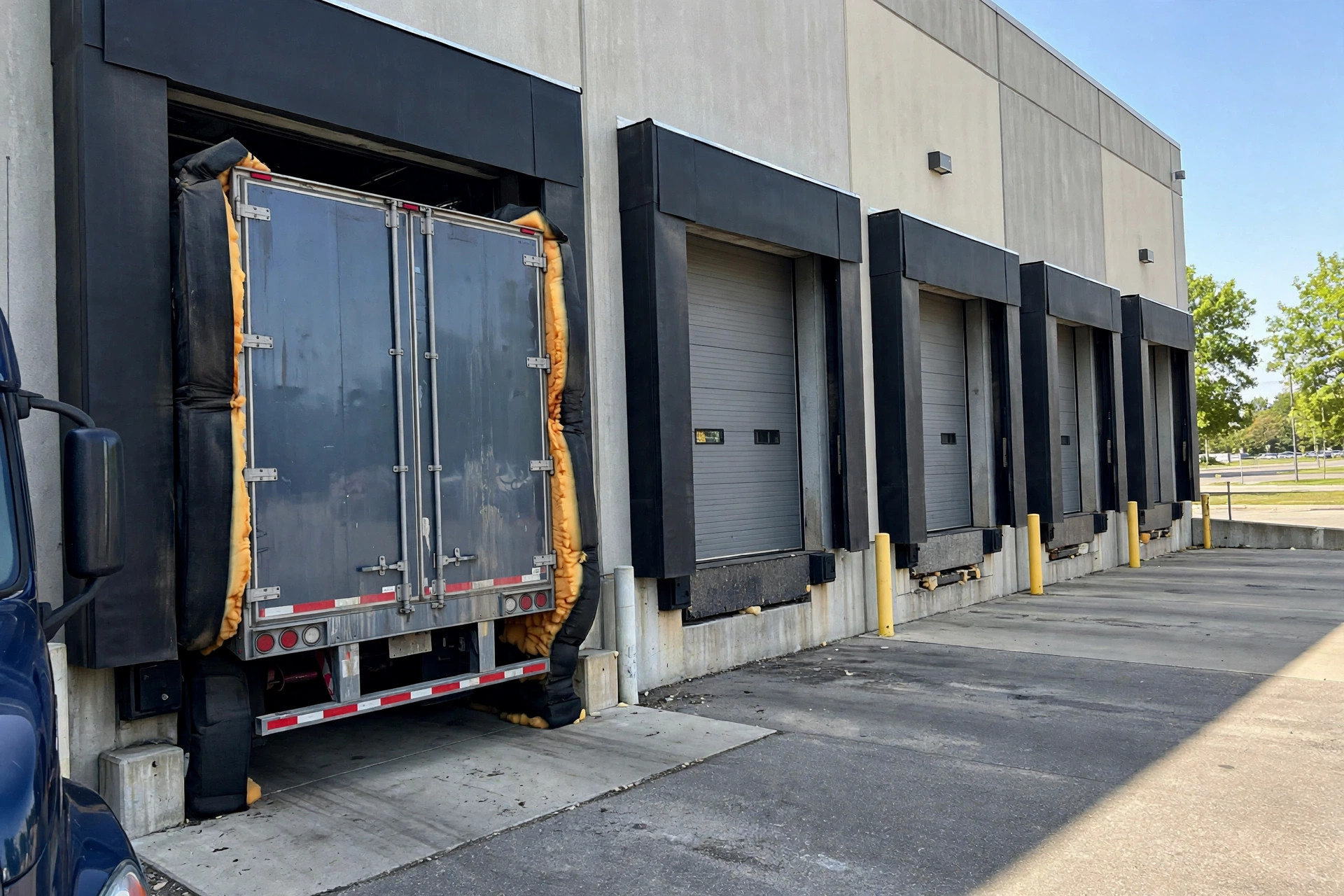
One summer afternoon I hauled household goods to a big warehouse in Southern California. The order said same-day turn: in and straight back out, no rack time. Sounds simple. But the dock was full, and the receiving crew told me to wait. Three hours later I finally got unloaded — only to hear the outbound truck had not arrived yet, so my freight got parked at the edge of the dock. When it did show up, the forklift driver spent ages hunting for my pallets, because later freight had been stacked in front of them. A same-day turn became a next-morning turn, and I lost most of a day sitting outside that warehouse.
After fifteen years on the road, I have figured it out: cross-docking itself is not the problem. The problem is cross-docking freight that should never have been cross-docked in the first place.
What Cross-Docking Really Saves You
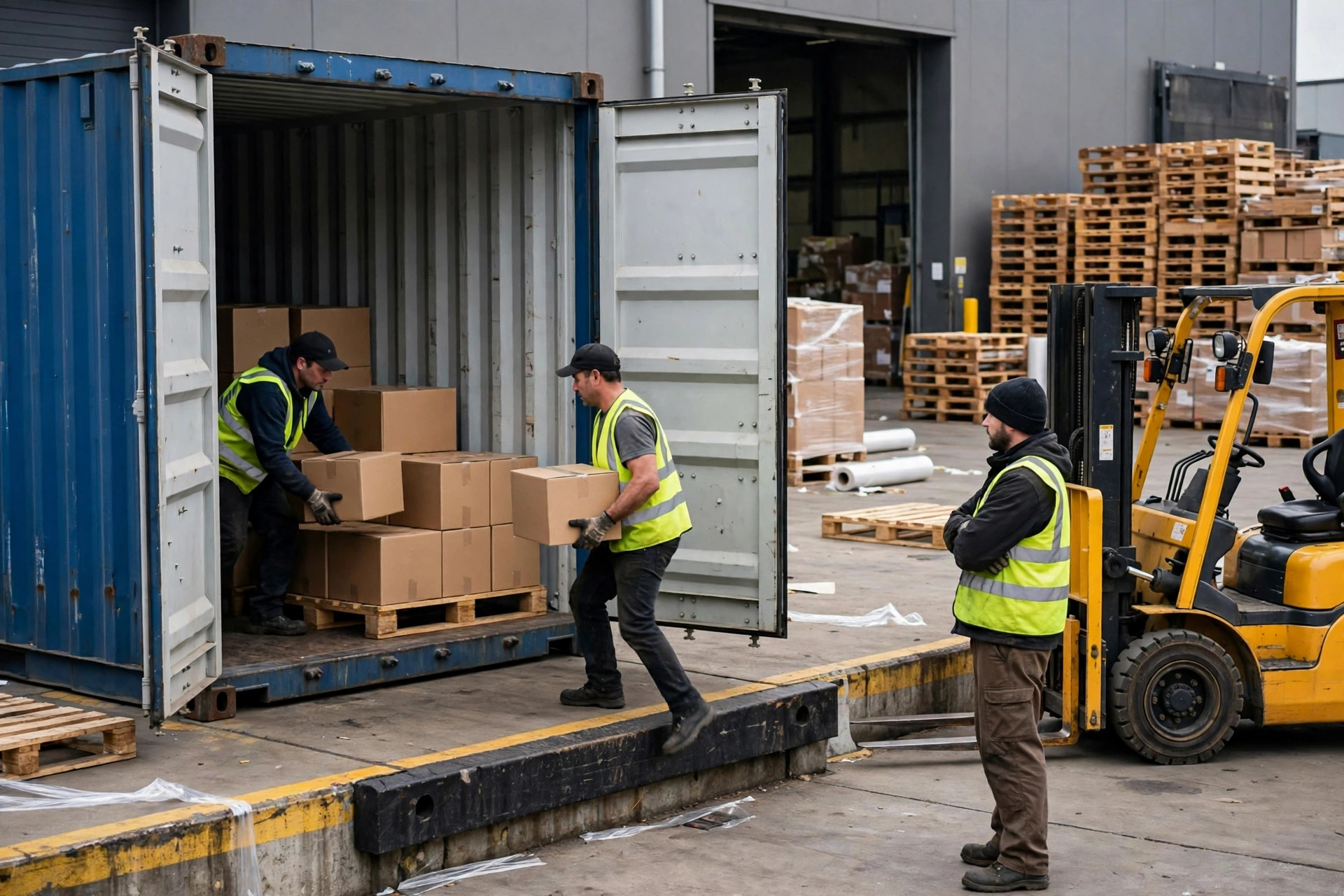
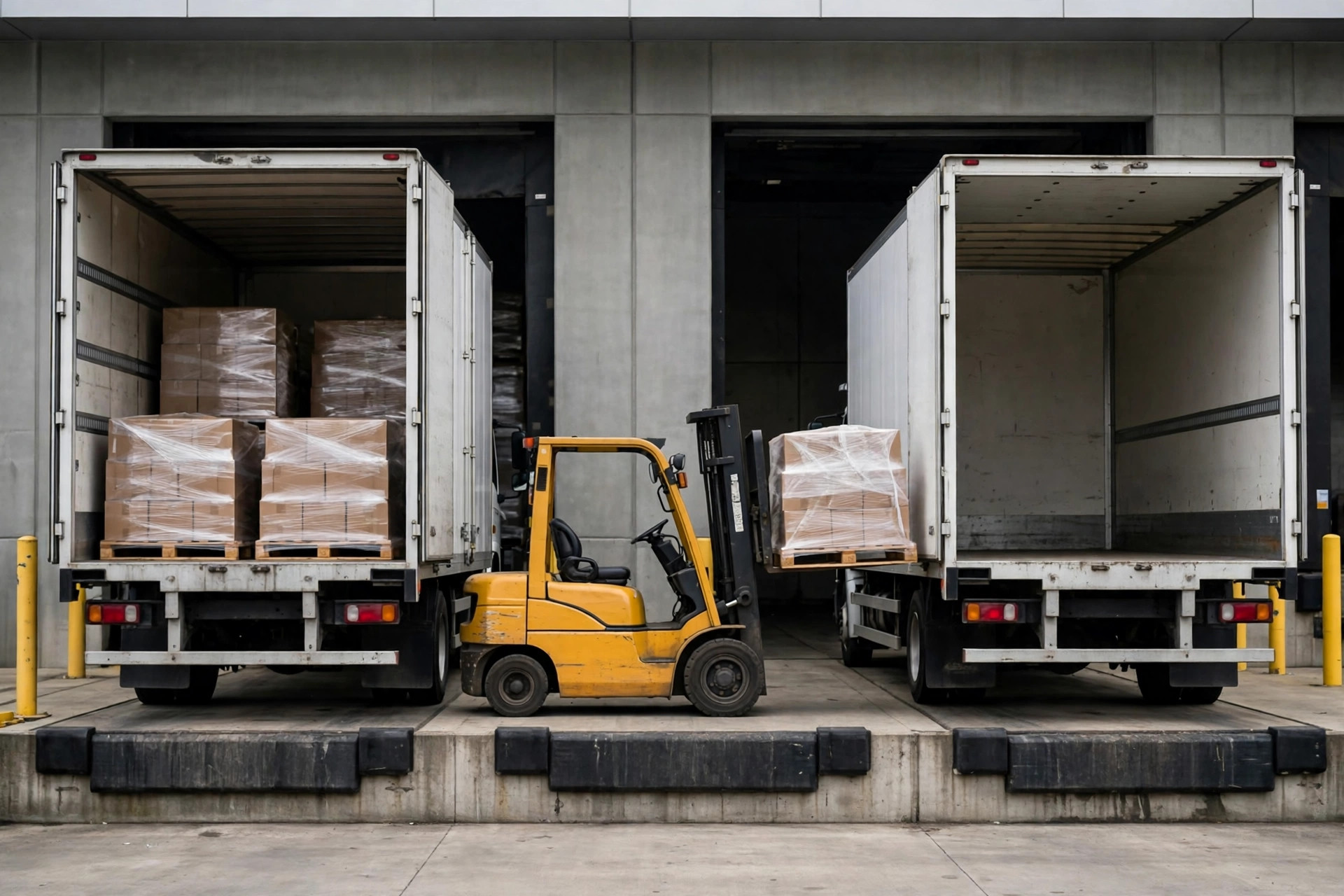
Let us get the definition out of the way in plain words. Cross-docking means freight arrives at the warehouse, never goes up onto a rack, and instead gets sorted and consolidated right there on the dock and loaded onto an outbound truck. You skip putaway, you skip storage, you skip picking it back down later.
That saves three things: the labor and forklift work of putting freight up and taking it back down, the rack space it would have occupied, and the days it would have sat in the building. Whether those savings are real depends entirely on the freight.
In my experience, three kinds of freight are made for cross-docking. First, fast-moving consumer goods that stores reorder every day — the freight belongs on shelves, not in racks. Second, freight that already arrives pre-sorted by store, so the dock crew is just breaking pallets and building outbound loads, not making decisions. Third, freight on a hard deadline, like a promotion that starts tomorrow: a day late means a missed sales window, and racking that freight is just adding a pointless step.
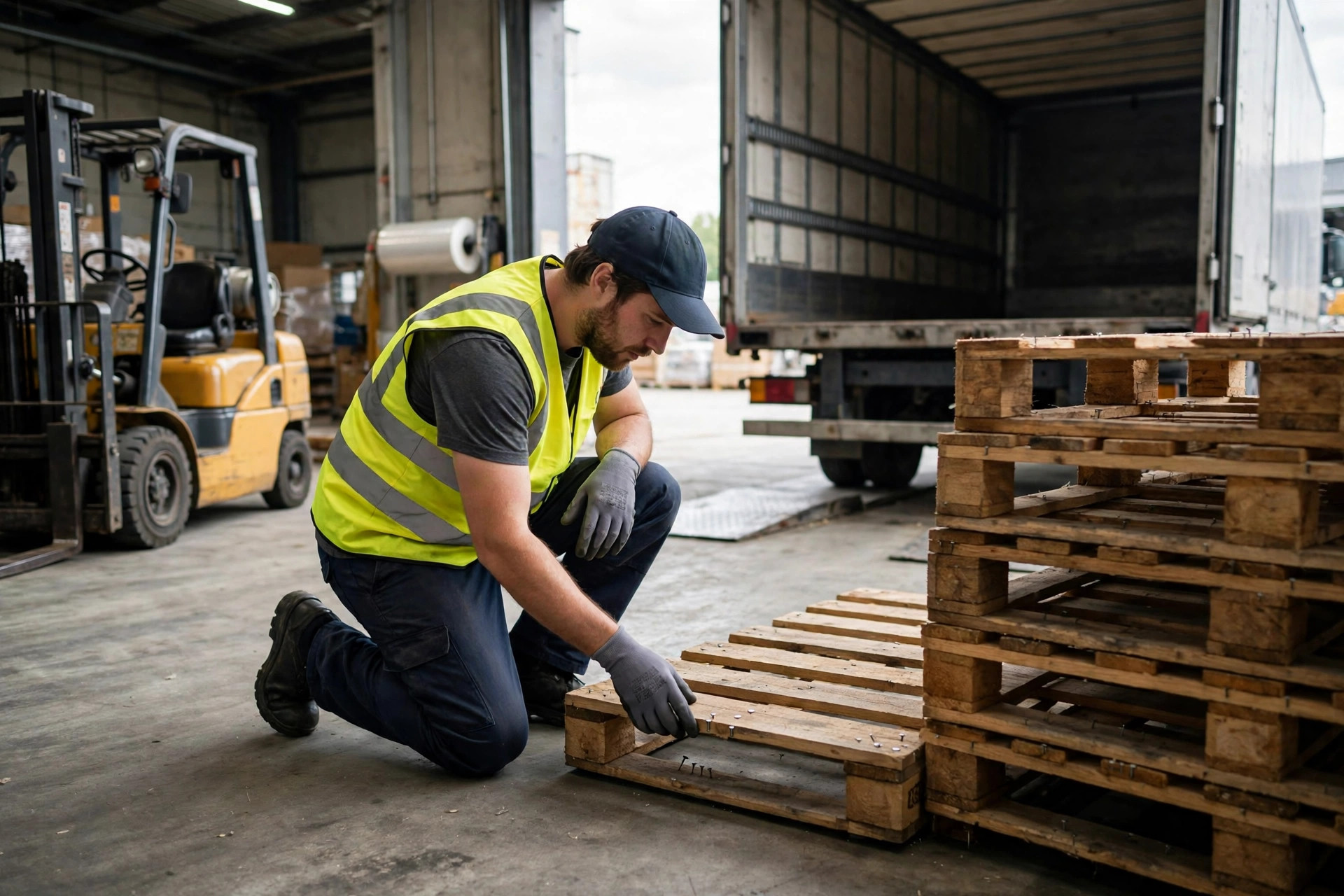
And some freight should never touch a dock-sorting operation. Partial shipments are the worst. If freight for ten stores arrives but only seven stores' worth is on the truck, what do you do? Wait, and the dock stays blocked. Ship partial, and you pay for a second trip later. Freight that needs labeling, repacking, or inspection is another bad fit: a dock is not a packing line.
Two Warehouses, Two Very Different Results
I have seen both sides of this, up close.
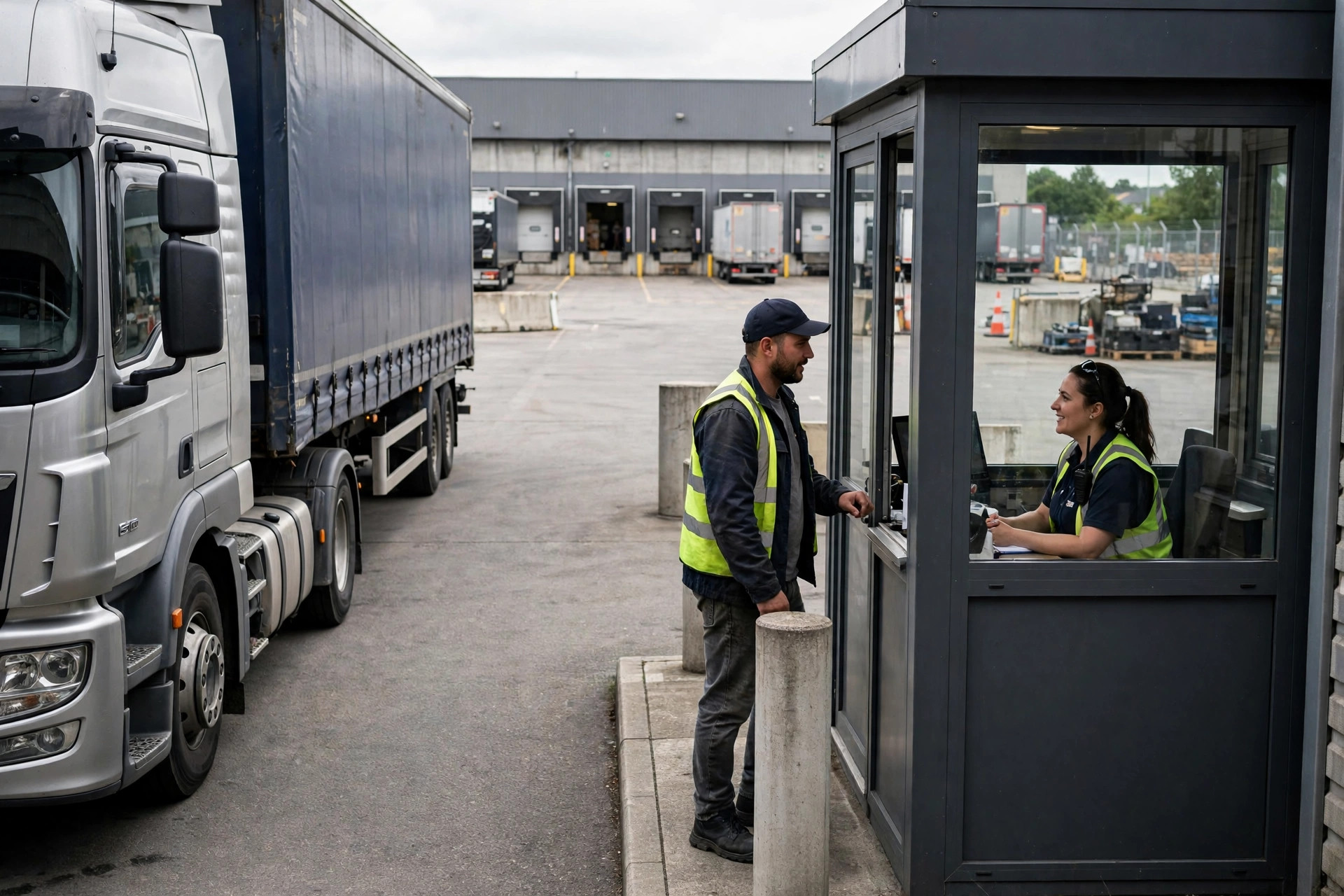
The first warehouse, out in the Inland Empire, handled grocery distribution for a supermarket chain, and they ran cross-docking properly. Receiving had fixed windows, inbound and outbound trucks were scheduled so they did not collide, and the dock floor was marked into zones — one zone per store, clear as day. I delivered there a few times, and my freight was on an outbound truck within half an hour of unloading. It worked because deliveries arrived on time, the orders were clear before the truck even backed in, and somebody owned the dock.
The second warehouse was also big, also doing distribution, but cross-docking there was a mood, not a system. One day the boss said cross-dock, the next day he said rack it. Receiving had no reliable schedule, outbound trucks arrived to find freight still unsorted, and the dock looked like a parking lot. I once waited most of a day for an outbound load, and in the end the freight went up onto the racks anyway and shipped the next day. It did not save a dime — it added two extra touches for nothing.
The difference was not equipment or size. It was whether freight arrived on time, whether the orders were clear, and whether someone was in charge of the dock.
A Rough Cost Comparison: Where the Savings Go
You do not need a spreadsheet to see this. Think of it per pallet, using round illustrative numbers rather than any one warehouse's rates — swap in your own figures and the logic still holds. The normal rack route touches a pallet four times: unload, putaway, storage, and pick back down for shipping. Each touch costs labor and forklift time, and storage costs rack space. The cross-dock route touches it twice: unload, then sort and load out. What you save is the putaway and the pick-back-down, plus the rack space.
But cross-docking has its own costs: people to sort on the dock, someone to coordinate inbound and outbound trucks, and someone to watch freight sitting on the dock so nothing gets lost or mixed up. The honest math is this: savings from the two skipped touches, minus the cost of dock sorting and coordination, equals what you actually keep. The moment freight arrives incomplete or the dock jams up, that math flips — sorters work overtime, outbound trucks idle at the gate, and cross-docking ends up costing more than racking would have.
When Cross-Docking Makes Things Worse
I keep a mental list of the three situations where cross-docking blows up.
First, incomplete deliveries. A supplier ships in two waves; the first arrives today, the second tomorrow. Do you cross-dock the first wave or wait? Either answer costs you. My rule: if you cannot count on the full shipment arriving together, rack it. The dock is no place to wait.
Second, labeling and inspection that nobody planned for. Freight shows up with wrong labels, or the customer wants cartons opened and checked. None of that belongs on a dock. The moment that work starts on the dock floor, everything behind it backs up and the whole day's schedule slips.
Third, dock congestion. The receiving peak and the shipping peak land in the same window, and forklifts, pallets, and people fight for the same floor space. Cross-docking lives or dies on the dock, so when the dock jams, cross-docking is the first thing to fall over.
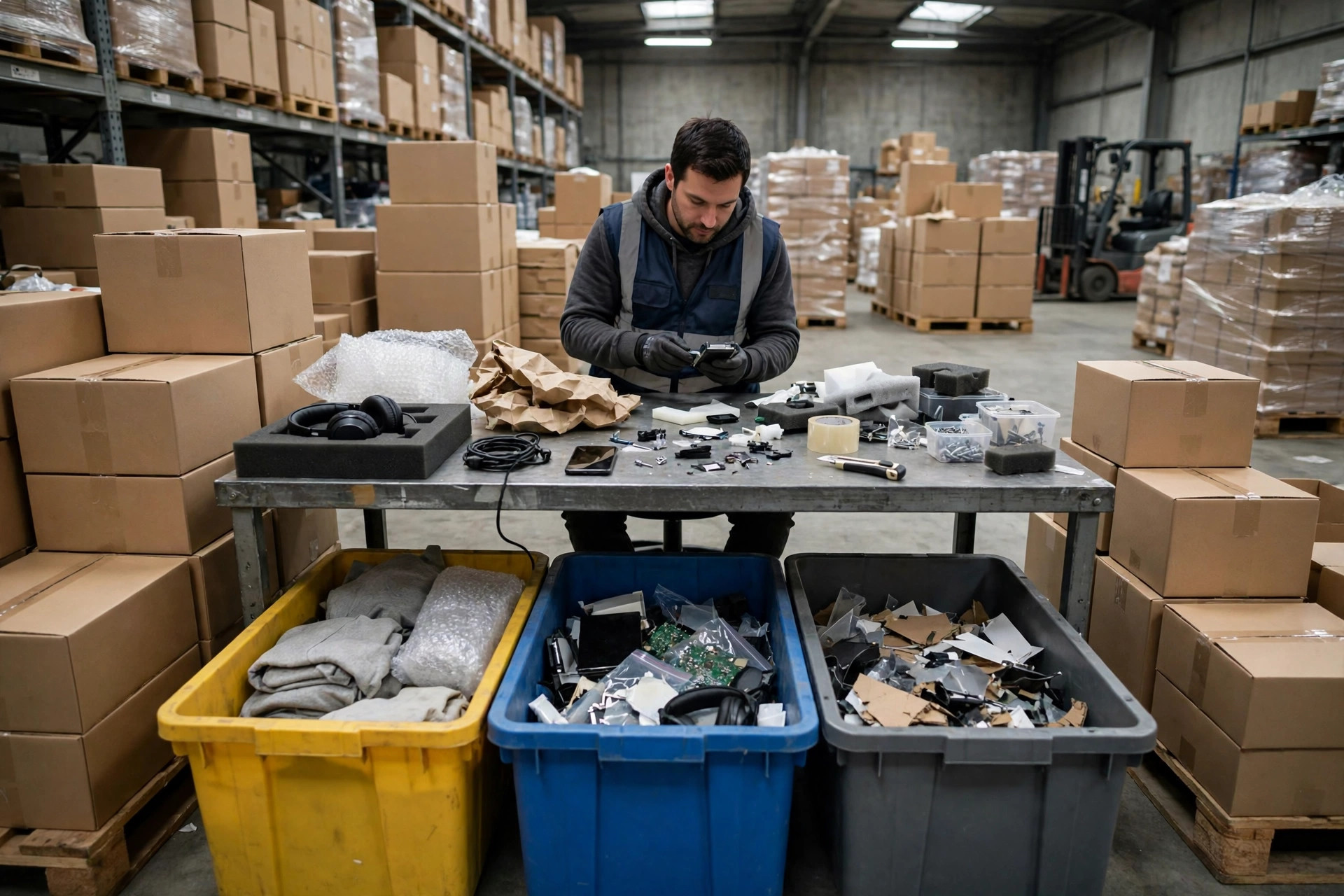
One more that people forget: returns and problem freight. A cross-dock flow only moves forward. Damaged goods, returns, and wrong orders have nowhere to go, so they end up piled in a corner of the dock, growing messier by the week.
The Five-Gate Test Before You Cross-Dock
Here is a framework you can use tomorrow, whether you run a warehouse or ship freight into one. Before any shipment goes cross-dock, run it through five gates. If it fails, rack it instead.
Gate one: completeness. Can the full shipment arrive in one go? If not, it goes to the racks.
Gate two: order clarity. Are the split orders and store allocations settled before the truck arrives? If the dock crew has to figure it out on the spot, do not cross-dock.
Gate three: urgency. Does this freight genuinely need to reach stores today or tomorrow? Freight that is not in a hurry is safer on a rack.
Gate four: dock capacity. Can inbound and outbound truck windows be staggered so they do not collide? Is there a marked sort area and a person responsible for it?
Gate five: a home for exceptions. Damaged goods, returns, and wrong orders — is there a process and a place for them already? If not, build that first.
Pass all five gates and cross-docking will very likely save you money. Fail two and the savings will mostly get eaten by chaos. Fail three or more, and do not touch it — the racks are your friend.
The Counterintuitive Part
Here is the judgment that surprises people: cross-docking does not mainly save you warehousing cost. It saves you time.
Most people do the math on touches and rack space. But the real value is the day or two that freight does not spend sitting in the building. A day less in the warehouse means shelves that do not go empty, a promotion that does not miss its start, and cash that moves a beat faster. Those off-the-books benefits are worth more than the handling savings. And the flip side is just as true: if the freight is not urgent and the stores are not waiting on it, the handling savings alone are not worth the risk of a dock jam.
So stop asking "how much does cross-docking save?" and start asking "is my freight in a hurry?" Freight in a hurry makes cross-docking a lifesaver. Freight that is not in a hurry makes it a solution looking for a problem.
After all these years and all those dock doors, I have boiled it down to one sentence: cross-docking is not a technology problem, it is a discipline problem. Freight complete, orders clear, timing lined up, dock under control — get those right and cross-docking runs itself. Let any one of them slide, and the dock becomes a machine for making trouble.
By Shifu Zhao, Trucking Veteran (15 yrs)