Here is the rule in one sentence: when a delivery does not match the paperwork, do not put it away, quarantine it first, and document everything. Once goods are shelved, broken down, and mixed with other batches, your leverage with the supplier or carrier is gone. Warehouse receiving discrepancy handling comes down to a fixed sequence: count, quarantine, photograph, and file the claim within 48 hours. Get the order wrong and you spend weeks arguing about what happened.
I have seen this exact failure three times, in three different warehouses. The first was a third-party logistics site handling small home appliances. A truck arrived with rice cookers: 1,200 units on the paperwork, 1,140 counted on the dock. The receiver figured 60 units was probably a rounding issue and put everything away. At month-end stocktaking, 60 units were missing. The supplier said the shipment left as 1,200 and the warehouse had signed for it. The carrier said the seal was intact and nothing was touched in transit. The warehouse absorbed the loss. The second case was damaged cartons: eight crushed boxes were mixed into good stock to save time, and a week later a customer received a dented unit. Return freight plus replacement cost roughly triple the value of the goods. The third was the worst: two production batches, one week apart, were combined into a single location. When one batch was recalled, all 3,000 units in that location had to be frozen and the customer stopped selling for three days.
All three share one root cause: the dock treated "get it inside first" as efficiency and "sort it out first" as red tape. It is the other way around. Twenty extra minutes at receiving saves weeks of claims and customer complaints later.
Start by Sorting the Discrepancy Into Three Types
Not all receiving discrepancies are the same problem, and they should not get the same response. Classify first, argue later.
| Discrepancy type | What it looks like | First move | Can it go to stock? |
|---|---|---|---|
| Quantity variance | Over-shipment, short shipment, count vs. paperwork mismatch | Quarantine the whole delivery, do not break pallets | No, until confirmed |
| Condition damage | Crushed, wet, deformed, or torn packaging | Isolate damaged units and photograph; good units may proceed | Good units yes, damaged units no |
| Information mismatch | Wrong batch, expiry date, barcode, or model | Quarantine everything, check the purchase order and factory labels | No, until reconciled |
Print this table and post it on the receiving dock wall. A new hire's first-day rule should be simple: if you cannot classify it, do not touch it, call the team lead.
One detail deserves emphasis: over-shipments are more dangerous than shortages. A shortage is obvious. Extra units feel like a windfall and quietly get shelved. But units with no purchase order behind them become an inventory accuracy problem, and a customer audit will flag them immediately. Over-shipped goods get quarantined too, until the supplier confirms in writing whether they were sent in error or shipped early against a later order.
A Receiving Discrepancy Checklist: From Unloading to Claim Letter
This is the same discipline as a go-live night checklist: every step gets checked off, and nothing moves forward with a box unchecked.
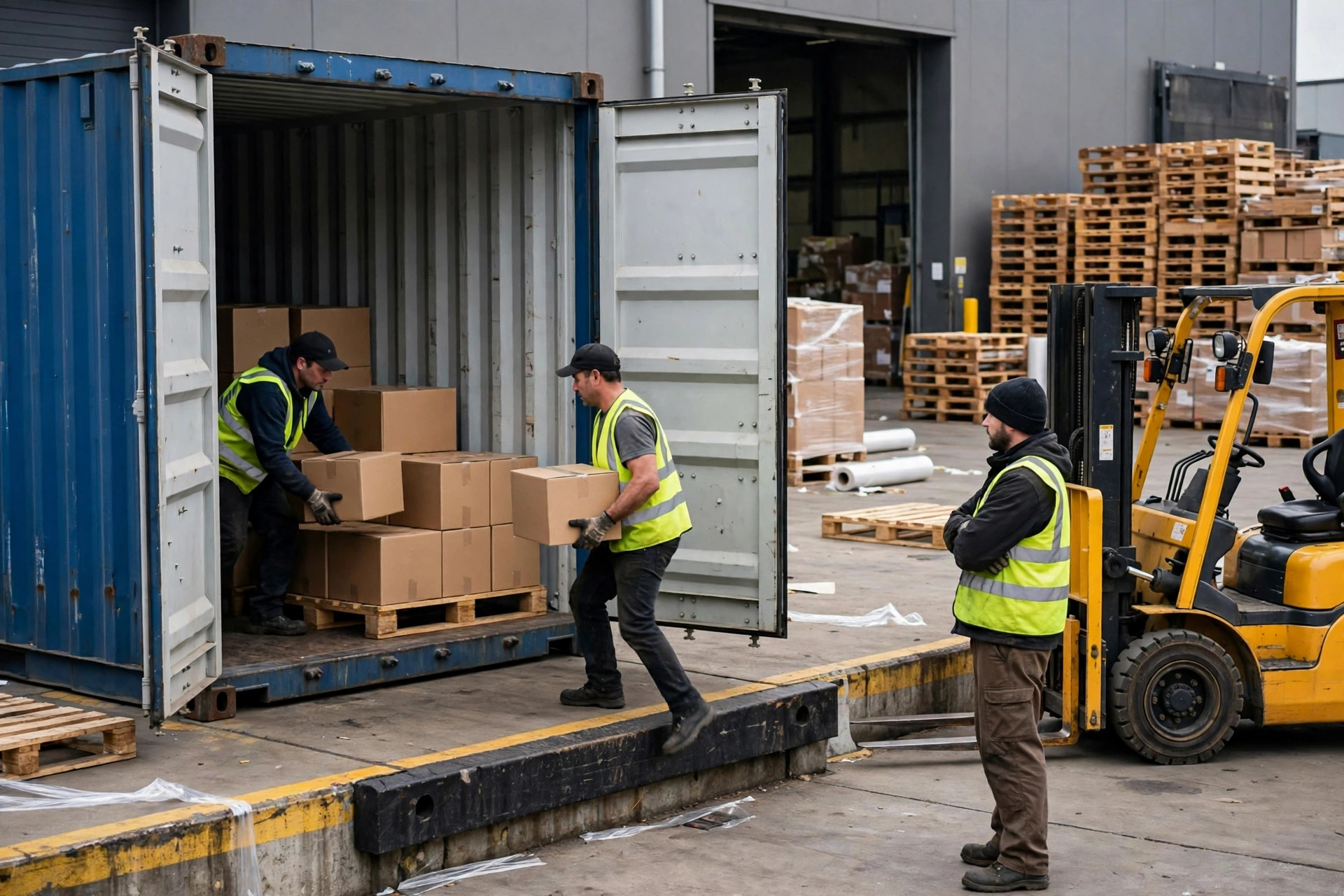
1. Before unloading, match three documents. The delivery note, the purchase order, and the carrier's bill of lading: check order numbers, supplier name, and total piece count across all three. If they do not line up, do not unload. Keep the driver waiting and call purchasing. Three minutes here stops half of all wrong deliveries.
2. Count by pallet, never estimate by carton. Scan or count each pallet individually, and write the actual count plus your initials on the pallet label. When the truck is done, record actual count, paperwork count, and variance in the receiving log, with variance lines highlighted.
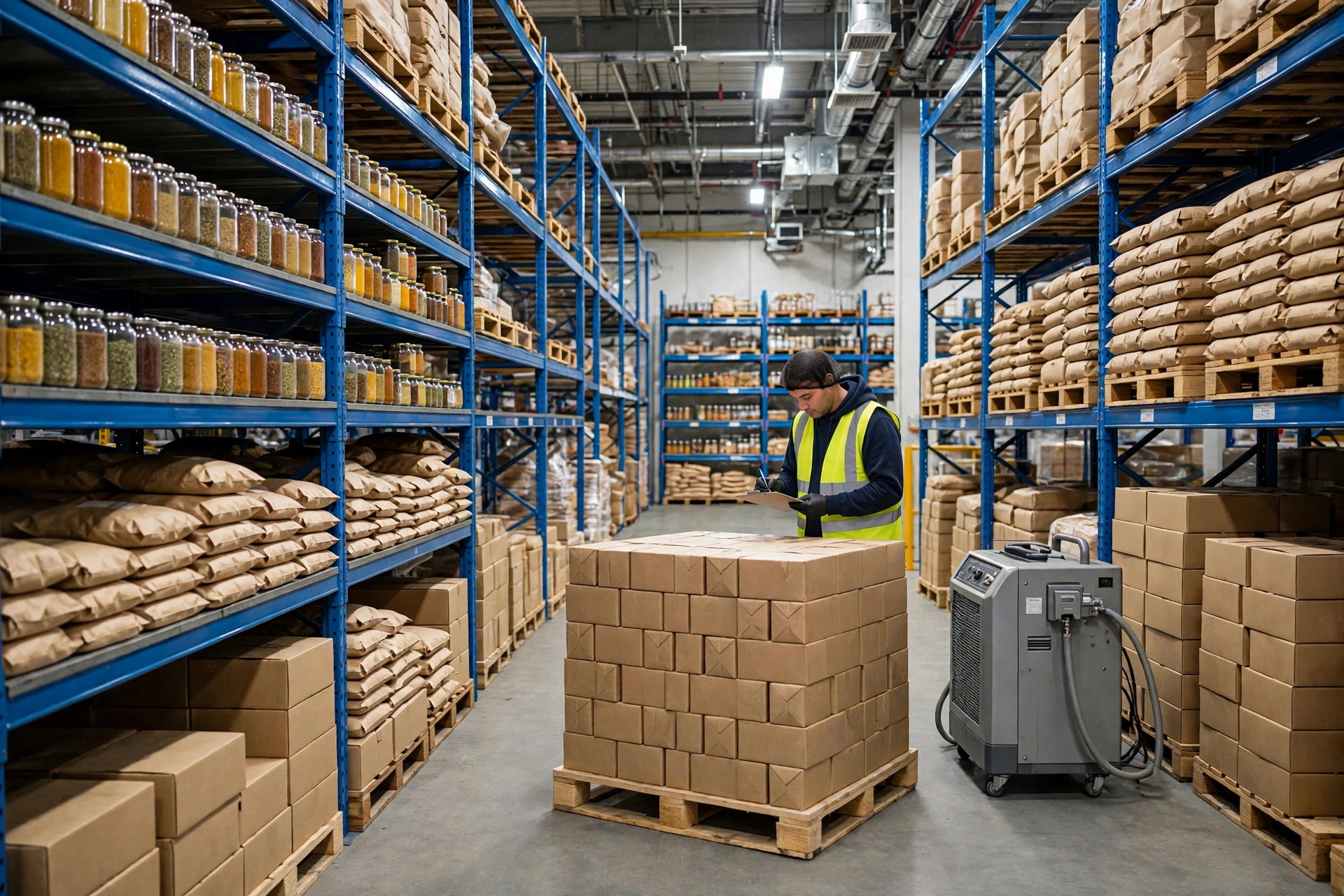
3. Move variance goods to quarantine immediately. A real quarantine area meets three conditions: physical separation (a fenced or marked-off zone, never adjacent to good stock), clear labeling (a "pending" tag with date, order number, and problem description), and a log (who placed it, when, and why). Quarantine without a log is just a second way to lose goods.
4. Photograph four things. The full pallet with packaging intact, a close-up of the damage or discrepancy, the paperwork next to the physical goods, and the seal or tape condition. Name the photos with the date and order number and upload them to the system the same day. Evidence that lives only on one person's phone disappears when that person leaves.
5. Notify within 24 hours, file the claim within 48 hours. Send the discrepancy notice to both the supplier and the carrier, listing the order number, variance detail, photo links, and a reply deadline. The claim letter is a separate document: value the goods at purchase price and itemize freight, inspection labor, and quarantine storage separately. Deadlines matter because many supplier contracts state that goods not disputed within a set window after receipt are deemed accepted. Check your contract and the official source for the latest rules; do not guess at the window.
6. Nothing goes to stock until the discrepancy is closed. Only after the supplier confirms a replacement shipment, price allowance, or return in writing does the quarantine record close and the goods move to normal putaway. Keep the closure record: who confirmed, what the resolution was, and when.
Five Mistakes That Keep Repeating
Mistake one: signing "received in good condition" before opening anything. A carrier only stands behind the condition at signing. If outer packaging is visibly damaged, write "outer packaging damaged in X places" on the receipt before signing. A clean signature kills the transit-damage claim.
Mistake two: sharing a location between quarantined and good stock. Even "just for the afternoon" is long enough for a picker to grab the wrong unit. A small quarantine zone beats no quarantine zone.
Mistake three: arguing with the supplier while letting the carrier off the hook. A shortage could be a supplier short-ship or a loss in transit. Notify both sides at once and preserve evidence for both. Chase only one party and the other's claim window expires.
Mistake four: treating a verbal promise as a resolution. "The supplier said they will reship" is not a resolution. Written confirmation by email counts; a phone promise does not survive month-end reconciliation.
Mistake five: claiming only the goods value. Inspection time, photography, quarantine space, double handling, and return freight are real costs. Itemize them in the claim letter so the supplier sees actual money, not a favor.
The Counter-Intuitive Part: Slower Receiving Is Faster Overall
Tight receiving feels like it slows down inbound throughput. The measured result is the opposite. One warehouse running about 400 inbound trucks a month adopted a strict "all variances quarantined" rule. Average receiving time rose from 35 to 48 minutes per truck. But average complaint resolution time fell from 6 days to 1.5 days, and monthly stocktaking variances dropped from 27 cases to 4. The extra 13 minutes at the dock bought back days of rework, recounts, and stopped sales downstream. Slowness at receiving buys speed across the whole chain. What actually destroys efficiency is never the process itself, it is the rework caused by having no process.
A receiving discrepancy is not scary. What is scary is a discrepancy that has already entered the system, been shelved, and mixed with other batches before anyone noticed. At that point you have no photos, no quarantine record, and no claim filed inside the deadline, just a vague memory that "something seemed short." Put the checklist on the wall, mark out the quarantine zone, and make the 48-hour claim letter a fixed habit. Those three moves turn receiving discrepancies from a source of arguments into a routine procedure.
By Lin Xiao, WMS Implementation Consultant